
Find the Best Grease Trap Cleaning Companies for Your Business
No obligation • Fast responses • Nationwide coverage

Why you can trust Restaurant Waste Disposal
Restaurant Waste Disposal is a leading U.S. resource for comparing restaurant composting, food-waste recycling, grease trap cleaning, and used cooking oil collection services. Our editorial team researches providers, checks credentials, and organizes unbiased information so operators can make informed decisions. Companies cannot pay to change ratings or placement.
Search providers near you
Top Grease Trap Cleaning Companies in Covina, California Ranked
For restaurant owners and food service operators in Covina, maintaining a clean and compliant grease interceptor is a critical, non-negotiable part of daily operations. These systems are your first line of defense against fats, oils, and grease (FOG) entering the public sewer system, where they can cause costly blockages and environmental damage. Compliance with the California Plumbing Code and local ordinances isn't just about avoiding fines-it's about protecting your business from emergency shutdowns and ensuring smooth, sustainable operations. A proactive grease management plan, involving regular pumping and meticulous record-keeping, is essential for any establishment serving food.
Roto-Rooter Plumbing & Water Cleanup
241 E Colorado Blvd #202, Pasadena, CA 91101
Roto-Rooter Plumbing & Water Cleanup provides comprehensive residential and commercial plumbing services in Los Angeles, CA. They specialize in a wide range of plumbing solutions including grease trap cleaning, sewer line repairs, water heater installation and repair, and emergency floodwater cleanup. The company is equipped with advanced tools such as hydro-jetting equipment to handle complex plumbing issues efficiently. Serving the Pasadena area and surrounding communities, Roto-Rooter offers 24/7 emergency plumbing services throughout the year to address urgent plumbing needs. They are fully licensed and insured, focusing on both routine maintenance and emergency repairs.
Roto-Rooter Plumbing & Water Cleanup
3848 Campus Dr STE 220, Newport Beach, CA 92660
Roto-Rooter Plumbing & Water Cleanup provides comprehensive plumbing and water cleanup services in Long Beach, CA. They handle a wide range of issues including floodwater cleanup, sewer and drain cleaning, faucet and toilet repairs, water heater services, and grease trap maintenance. The company serves both residential and commercial clients, offering advanced capabilities such as high-pressure water jetting (hydro-jetting) and trenchless sewer line replacement. With decades of experience dating back to 1935, Roto-Rooter offers 24/7 emergency plumbing services to address urgent problems at any time.
Roto-Rooter Plumbing & Water Cleanup
2050 W Chapman Ave #202, Orange, CA 92868
Roto-Rooter Plumbing & Water Cleanup offers a wide range of plumbing services in Los Angeles, CA, including grease trap cleaning, sewer and drain cleaning, water heater repair, and emergency flood cleanup. The company serves both residential and commercial clients, addressing issues from routine maintenance to urgent repairs. They utilize advanced tools such as HD inspection cameras and hydro-jetting to clear blockages and perform no-dig pipe replacements. Established with a legacy dating back to the invention of the original electric drain snake in 1935, Roto-Rooter provides 24/7 emergency plumbing services to handle urgent situations any time of day or night.
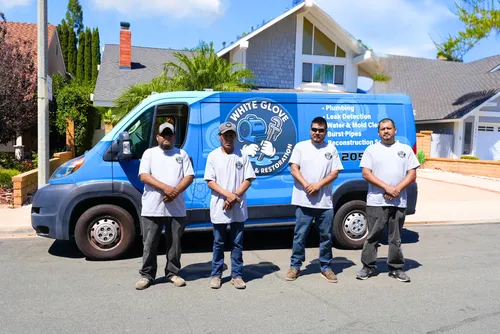
White Glove Plumbing Orange County
1430 E Borchard Ave, Santa Ana, CA 92705
White Glove Plumbing Orange County is a full-service plumbing and restoration company based in Santa Ana, serving residential and commercial clients throughout Los Angeles, CA. They provide a wide range of services including emergency plumbing, leak detection, hydro-jetting, water heater installation, grease trap pumping, sewage cleanup, mold remediation, and water damage restoration. The company offers 24/7 emergency services to quickly address urgent plumbing and restoration needs. Their expertise includes advanced capabilities such as slab leak reroutes, sewer camera inspections, and certified mold remediation. White Glove Plumbing combines plumbing and restoration services to manage repairs and rebuilds efficiently, reducing the need for multiple contractors.
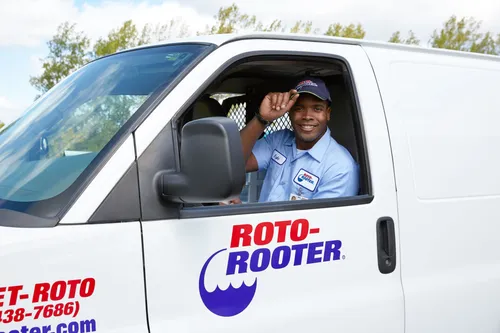
Roto-Rooter Plumbing & Water Cleanup
20422 Beach Blvd #225, Huntington Beach, CA 92648
Roto-Rooter Plumbing & Water Cleanup offers comprehensive plumbing and water cleanup services in Long Beach, CA. They handle a wide range of issues including drain cleaning, sewer line repairs, water heater services, grease trap maintenance, and emergency flood cleanup. The company uses advanced technology such as high-definition inspection cameras and hydro-jetting to address plumbing challenges efficiently. With expertise tailored to local conditions and building codes, Roto-Rooter serves both residential and commercial clients. They provide 24/7 emergency plumbing services to quickly resolve urgent problems and minimize damage.
Understanding Grease Interceptor Requirements in Covina
In Covina and throughout California, food service establishments (FSEs) are legally required to install and maintain an approved grease removal device 1. This isn't a suggestion; it's a mandate tied to your operating permit. The type of device-whether a smaller indoor grease trap under a sink or a large outdoor grease interceptor-must be appropriate for your kitchen's volume and layout. A key compliance point is accessibility: the unit must be easily reachable for service technicians. If it's buried, locked away, or otherwise inaccessible, you risk violations during a health inspection 2.
The core legal principle is that FOG waste is a controlled substance once it leaves your fryer or pot sink. You cannot simply pour it down the drain or dispose of it with regular trash. Instead, it must be collected by a licensed hauler who will transport it to an approved facility for recycling or disposal. This regulated chain of custody ensures harmful contaminants are kept out of the local wastewater treatment system, which serves the entire community.
Determining Your Cleaning and Pumping Schedule
How often should you schedule grease interceptor service? While a common baseline is every 3 to 6 months, the true frequency for your Covina restaurant depends entirely on your operational intensity 3 4. Establishments with high-volume frying, dishwashing, or soup/broth production will generate FOG much faster than a low-turnover cafe. The industry standard for triggering service is when FOG and solids accumulate to 25% of the unit's capacity 5 6. Waiting until it's completely full guarantees a problem.
Many local jurisdictions, including those in the Greater Los Angeles area, enforce specific guidelines. For busy kitchens, monthly or even weekly cleaning of under-sink traps might be necessary to stay compliant and functional 7 8. The most reliable method is to work with your service provider to establish a custom schedule based on initial assessments and ongoing observations. They can help you track accumulation rates and adjust service frequency before an inspector notes a violation.
Find the perfect grease trap cleaning companies for your needs
Get personalized recommendations and expert advice
Cost Factors for Grease Trap Maintenance
Budgeting for grease management is a fundamental part of restaurant operations. Costs are not one-size-fits-all and are influenced by several key factors:
- Trap Size and Location: A small, accessible indoor unit costs less to service than a large, buried outdoor interceptor.
- Service Type: Scheduled, preventative maintenance is always more affordable than emergency response.
- Volume of Waste: The amount of grease and solids pumped out directly impacts the disposal fee.
For routine preventative pumping in Covina, you can generally expect costs to range from $125 to $225 for smaller indoor traps on a service contract, to $250 to $400 per visit for larger interceptors. This is the smart investment that keeps your system flowing.
In contrast, emergency service for a clogged or overflowing interceptor is a different financial reality. These urgent calls, often requiring after-hours service and more intensive labor, can easily cost $800 to $1,200 or more9 10. This stark difference highlights the economic value of a consistent maintenance plan.
For new installations or replacements, costs vary widely by type. A basic manual or hydro-mechanical interceptor may range from $500 to $1,500, while more complex automatic or mechanical units can be a significant investment from $3,000 to $10,00011 12.
Compliance and Documentation: Your Paper Trail is Essential
In the eyes of health and building inspectors, if it isn't documented, it didn't happen. Maintaining detailed service records is a legal requirement as critical as the cleaning itself. For every pump-out, you must obtain and keep a manifest or invoice from your licensed hauler. This document should include:
- Date of service
- Business name and address
- Volume of waste removed
- Hauler's license number and destination facility
You are required to keep these records on-site for a minimum of three years and present them immediately upon request during an inspection 13. Failure to do so can result in a violation just as severe as having an overfull trap. This paper trail proves your commitment to responsible operations and can be your best defense during a compliance audit.
Best Practices for Restaurant Grease Management
Beyond scheduling regular pump-outs, successful FOG control involves daily practices:
- Staff Training: Educate every kitchen employee on what can and cannot go down the drain. Scrape plates into trash bins, use sink baskets, and never pour hot grease into drains.
- Proper Disposal: Collect cooled fryer oil and grease in dedicated containers for your hauler to collect. Some providers offer used cooking oil collection alongside trap service.
- Visual Checks: Periodically check the condition of your interceptor. Slow drains or foul odors from the trap area are early warning signs of needed service.
- Partner with Professionals: Establish a relationship with a reputable, licensed grease trap cleaning service familiar with Covina and Los Angeles County codes. They become a partner in your compliance strategy.
Proactive maintenance of your grease interceptor is a cornerstone of responsible restaurant ownership in Covina. It prevents sewer backups, avoids substantial fines, and contributes to the environmental health of the community. By implementing a scheduled service plan and rigorous in-house practices, you turn a regulatory requirement into a seamless part of your business's success.
Frequently asked questions
Sources
Footnotes
-
California Health and Safety Code § 114201 (2024) - Justia Law - https://law.justia.com/codes/california/code-hsc/division-104/part-7/chapter-7/article-2/section-114201/ ↩
-
Chapter 18.08 GREASE TRAPS - General Code - https://www.codepublishing.com/CA/PacificGrove/html/PacificGrove18/PacificGrove1808.html ↩
-
How to Clean a Grease Trap (and How Often You Should) - https://greaseconnections.com/how-to-clean-a-grease-trap-and-how-often-you-should/ ↩
-
12.20.220. Grease trap requirements. - https://codelibrary.amlegal.com/codes/fullerton/latest/fullerton_ca/0-0-0-18563 ↩
-
Grease Trap Cleaning For California Restaurants - https://cacciaplumbing.com/blog/grease-trap-cleaning-california-restaurants/ ↩
-
The Ultimate Guide to Restaurant Grease Trap Cleaning - https://mokherplumbing.com/ultimate-guide-restaurant-grease-trap-cleaning/ ↩
-
Grease Trap Regulations and Compliance: What You Need to Know - https://www.texwaywastewater.com/grease-trap-regulations-and-compliance/ ↩
-
How Often to Clean Restaurant Grease Traps in Los Angeles, CA - https://bakercommodities.com/blog/2025/01/23/la-laws-for-grease-recycling/ ↩
-
Ultimate Grease Trap Pumping Cost Guide: Essential Money-Saving ... - https://www.texwaywastewater.com/grease-trap-pumping-cost/ ↩
-
The Cost To Clean A Grease Trap For Restaurants - https://thegreasecompany.com/blog/greasetrapcleaningcost/ ↩
-
Grease Trap Cleaning Prices | Guide on the Industry Average - https://grease-cycle.com/grease-trap-pumping-cost/ ↩
-
#1 Grease Trap INSTALLATION Covina | Restaurant Grease ... - https://www.greasemanagement.org/installationcovina.html ↩
-
Ordinance - 2236 - IIS Windows Server - https://records.westcovina.org/WebLink/DocView.aspx?id=17773&dbid=0&repo=WestCovina ↩