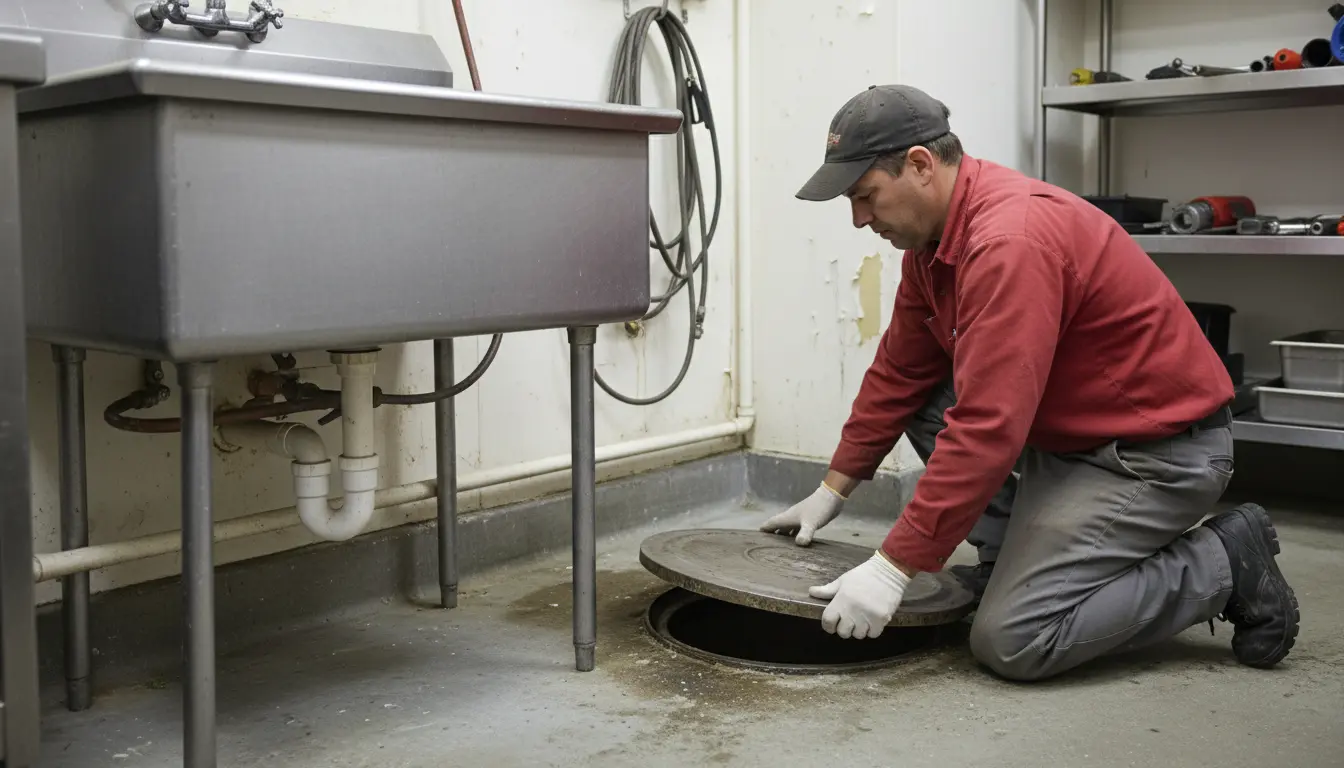
Find the Best Grease Trap Cleaning Companies for Your Business
No obligation • Fast responses • Nationwide coverage

Why you can trust Restaurant Waste Disposal
Restaurant Waste Disposal is a leading U.S. resource for comparing restaurant composting, food-waste recycling, grease trap cleaning, and used cooking oil collection services. Our editorial team researches providers, checks credentials, and organizes unbiased information so operators can make informed decisions. Companies cannot pay to change ratings or placement.
Search providers near you
Top Grease Trap Cleaning Companies in Corona, California Ranked
For restaurant owners and food service operators in Corona, maintaining your grease interceptor is a critical and legally mandated part of doing business. The City of Corona enforces strict regulations under its Municipal Code to prevent fats, oils, and grease (FOG) from entering the public sewer system, where they can cause costly blockages and environmental damage. Compliance isn't optional; it involves regular pumping by certified professionals, meticulous record-keeping, and adherence to specific design standards. This guide outlines the essential requirements, best practices, and local considerations for effective grease trap and grease interceptor maintenance in Corona, helping you avoid violations and keep your kitchen running smoothly.
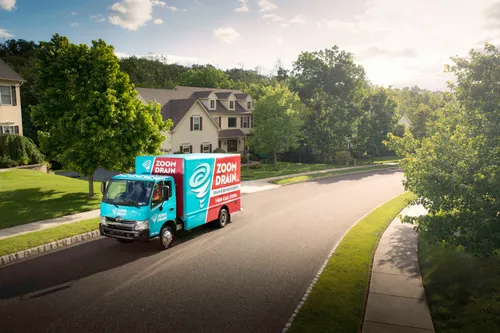
Zoom Drain
15540 Rockfield Blvd C100, Irvine, CA 92618
Zoom Drain is a grease trap cleaning and drain service company based in Los Angeles, CA. They provide residential and commercial drain and sewer cleaning, inspection, repairs, and preventive maintenance. Their services cover clogged drains, sewer pump repair, sump pump replacement, and landscape drain maintenance. Zoom Drain uses advanced technology like hydro jetting to clear blockages, including tree roots, and offers 24/7 emergency services. They serve areas including Anaheim, Irvine, Santa Ana, and throughout Orange County. The company is known for its specialized services in food and hospitality sectors, contractor support, and tailored maintenance plans.
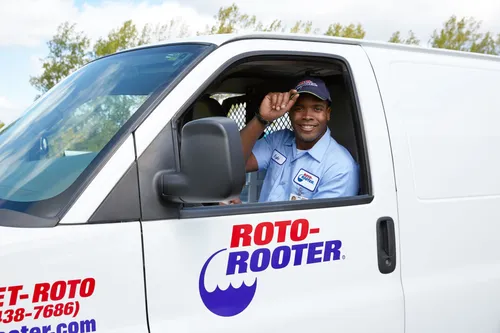
Roto-Rooter Plumbing & Water Cleanup
3848 Campus Dr STE 220, Newport Beach, CA 92660
Roto-Rooter Plumbing & Water Cleanup provides comprehensive plumbing and water cleanup services in Long Beach, CA. They handle a wide range of issues including floodwater cleanup, sewer and drain cleaning, faucet and toilet repairs, water heater services, and grease trap maintenance. The company serves both residential and commercial clients, offering advanced capabilities such as high-pressure water jetting (hydro-jetting) and trenchless sewer line replacement. With decades of experience dating back to 1935, Roto-Rooter offers 24/7 emergency plumbing services to address urgent problems at any time.
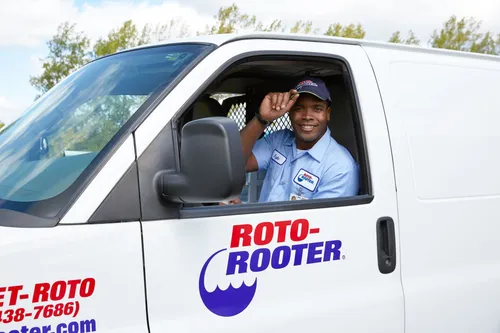
Roto-Rooter Plumbing & Water Cleanup
2050 W Chapman Ave #202, Orange, CA 92868
Roto-Rooter Plumbing & Water Cleanup offers a wide range of plumbing services in Los Angeles, CA, including grease trap cleaning, sewer and drain cleaning, water heater repair, and emergency flood cleanup. The company serves both residential and commercial clients, addressing issues from routine maintenance to urgent repairs. They utilize advanced tools such as HD inspection cameras and hydro-jetting to clear blockages and perform no-dig pipe replacements. Established with a legacy dating back to the invention of the original electric drain snake in 1935, Roto-Rooter provides 24/7 emergency plumbing services to handle urgent situations any time of day or night.
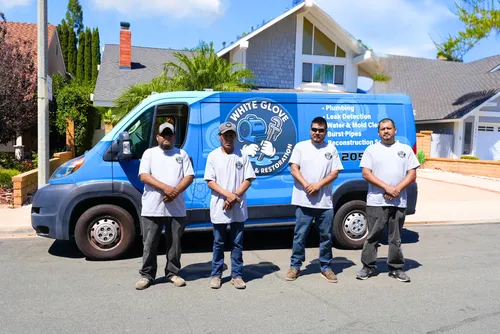
White Glove Plumbing Orange County
1430 E Borchard Ave, Santa Ana, CA 92705
White Glove Plumbing Orange County is a full-service plumbing and restoration company based in Santa Ana, serving residential and commercial clients throughout Los Angeles, CA. They provide a wide range of services including emergency plumbing, leak detection, hydro-jetting, water heater installation, grease trap pumping, sewage cleanup, mold remediation, and water damage restoration. The company offers 24/7 emergency services to quickly address urgent plumbing and restoration needs. Their expertise includes advanced capabilities such as slab leak reroutes, sewer camera inspections, and certified mold remediation. White Glove Plumbing combines plumbing and restoration services to manage repairs and rebuilds efficiently, reducing the need for multiple contractors.
Roto-Rooter Plumbing & Water Cleanup
20422 Beach Blvd #225, Huntington Beach, CA 92648
Roto-Rooter Plumbing & Water Cleanup offers comprehensive plumbing and water cleanup services in Long Beach, CA. They handle a wide range of issues including drain cleaning, sewer line repairs, water heater services, grease trap maintenance, and emergency flood cleanup. The company uses advanced technology such as high-definition inspection cameras and hydro-jetting to address plumbing challenges efficiently. With expertise tailored to local conditions and building codes, Roto-Rooter serves both residential and commercial clients. They provide 24/7 emergency plumbing services to quickly resolve urgent problems and minimize damage.
Corona's Grease Interceptor Regulations and Codes
Operating a food service establishment in Corona means your grease management system is governed by local ordinance and state plumbing codes. The primary rule is found in Chapter 13.08 of the Corona Municipal Code, which mandates that all restaurants install and maintain an approved grease trap. The California Plumbing Code (CPC) provides the technical backbone for these requirements, influencing everything from installation to inspection protocols.
A key local stipulation is the minimum 750-gallon capacity for gravity grease interceptors serving restaurants. This size is not arbitrary; it's calculated based on potential wastewater flow and is designed to provide adequate retention time for FOG to separate from the water. Before you even begin operations, you must submit a City Restaurant Survey Form. This process allows city officials to review your menu and projected volume to confirm the proper interceptor size and other requirements for your specific business 1.
Mandatory Maintenance and Pumping Schedules
Simply having a grease interceptor installed isn't enough. You are legally required to keep it properly maintained. The universal rule is to pump out the interceptor when the combined layer of FOG and settled solids reaches 25% of the liquid depth. For many Corona restaurants, this translates to a quarterly pumping schedule as a standard baseline.
However, your specific frequency depends entirely on your operation. A high-volume barbecue joint or pizza shop will likely need monthly or bi-monthly service, while a lower-volume cafe might manage with semi-annual cleanings2. The goal is to never let the accumulation exceed that 25% threshold. Exceeding it not only risks a violation but also means the interceptor is no longer effectively protecting the sewer lines. Immediate service is required if these limits are exceeded3. Establishing a proactive, regular schedule with a certified hauler is far more cost-effective than waiting for an emergency or a violation notice.
Working with Certified Haulers and Record-Keeping
You cannot have just any waste company service your grease trap in California. State law requires that grease haulers be certified by the California Department of Food and Agriculture (CDFA). Always verify your service provider's CDFA certification. These certified professionals are trained to handle grease waste properly, ensuring it is disposed of or recycled at approved facilities, not illegally dumped.
After each service, the hauler will provide you with a detailed receipt or manifest. You are required by law to keep these service records on-site for a minimum of three years 4. This paper trail is the first thing a city inspector will ask to see. The records should be signed by the hauler and include the date, the company's information, and the volume of waste removed. Maintaining an organized logbook or digital folder is a simple yet crucial step in demonstrating compliance.
Find the perfect grease trap cleaning companies for your needs
Get personalized recommendations and expert advice
Inspection Protocols and Enforcement
The City of Corona, through its public works or designated officials, conducts inspections to ensure compliance. These inspections can be scheduled or unannounced and typically occur semi-annually or as needed based on complaints or prior violations. During an inspection, the official will:
- Review your maintenance records for the past three years.
- Visually inspect the grease interceptor for proper condition, lid security, and accessibility.
- Possibly measure the FOG and solids layer to verify it is below the 25% limit.
Failure to comply with any regulation-from missing records to an overfull trap-can result in significant fines, mandatory corrective actions, and in severe cases, a suspension of your sewer discharge permit. Enforcement is strict because the consequences of grease blockages in the city's sewer mains are severe and expensive for the municipality5 6.
Understanding Service Costs and Best Practices
The cost for routine grease trap pumping in Corona typically ranges from $250 to $400 per service visit 7. Several factors influence this price:
- Interceptor Size: A 750-gallon minimum trap will cost more to pump than a smaller unit, but most restaurants will have this standard size.
- Location and Access: An outdoor, easily accessible interceptor is less expensive to service than one located in a cramped basement or requiring special equipment to reach.
- Condition and Frequency: A well-maintained trap pumped on a regular schedule is straightforward. One that is severely neglected, requiring extra labor or hydro-jetting, will incur higher charges.
In contrast, emergency service calls can cost between $800 and $1,200 or more, highlighting the financial wisdom of preventive maintenance8 9. Beyond pumping, implementing best practices in your kitchen is essential. This includes training staff to scrape plates thoroughly, using sink strainers, and never pouring grease down the drain. Installing a under-sink grease recovery device (GRD) can also pre-treat wastewater, extending the time between major interceptor pumpings10.
Frequently asked questions
Sources
Footnotes
-
Trap pumping - https://phoenixpumping.com/grease-trap-maintenance/ ↩
-
12.20.220. Grease trap requirements. - https://codelibrary.amlegal.com/codes/fullerton/latest/fullerton_ca/0-0-0-18563 ↩
-
Grease Trap Cleaning For California Restaurants - https://cacciaplumbing.com/blog/grease-trap-cleaning-california-restaurants/ ↩
-
Chapter 18.08 GREASE TRAPS - https://www.codepublishing.com/CA/PacificGrove/html/PacificGrove18/PacificGrove1808.html ↩
-
13.08.110 Restaurants. - https://codelibrary.amlegal.com/codes/corona/latest/corona_ca/0-0-0-43758 ↩
-
Grease Traps - https://carmel.novusagenda.com/agendapublic/AttachmentViewer.ashx?AttachmentID=7429&ItemID=3841 ↩
-
How much does a grease trap installation cost? - https://greasepumping.org/faq/grease-trap-installation-cost/ ↩
-
Ultimate Grease Trap Pumping Cost Guide: Essential Money-Saving ... - https://www.texwaywastewater.com/grease-trap-pumping-cost/ ↩
-
Grease & Oil Pumping Company - Corona, California - https://greasemanagement.org/greasetrapservicecorona.html ↩
-
The Ultimate Guide to Restaurant Grease Trap Cleaning - https://mokherplumbing.com/ultimate-guide-restaurant-grease-trap-cleaning/ ↩