Find the Best Grease Trap Cleaning Companies for Your Business
No obligation • Fast responses • Nationwide coverage

Why you can trust Restaurant Waste Disposal
Restaurant Waste Disposal is a leading U.S. resource for comparing restaurant composting, food-waste recycling, grease trap cleaning, and used cooking oil collection services. Our editorial team researches providers, checks credentials, and organizes unbiased information so operators can make informed decisions. Companies cannot pay to change ratings or placement.
Search providers near you
Top Grease Trap Cleaning Companies in Concord, California Ranked
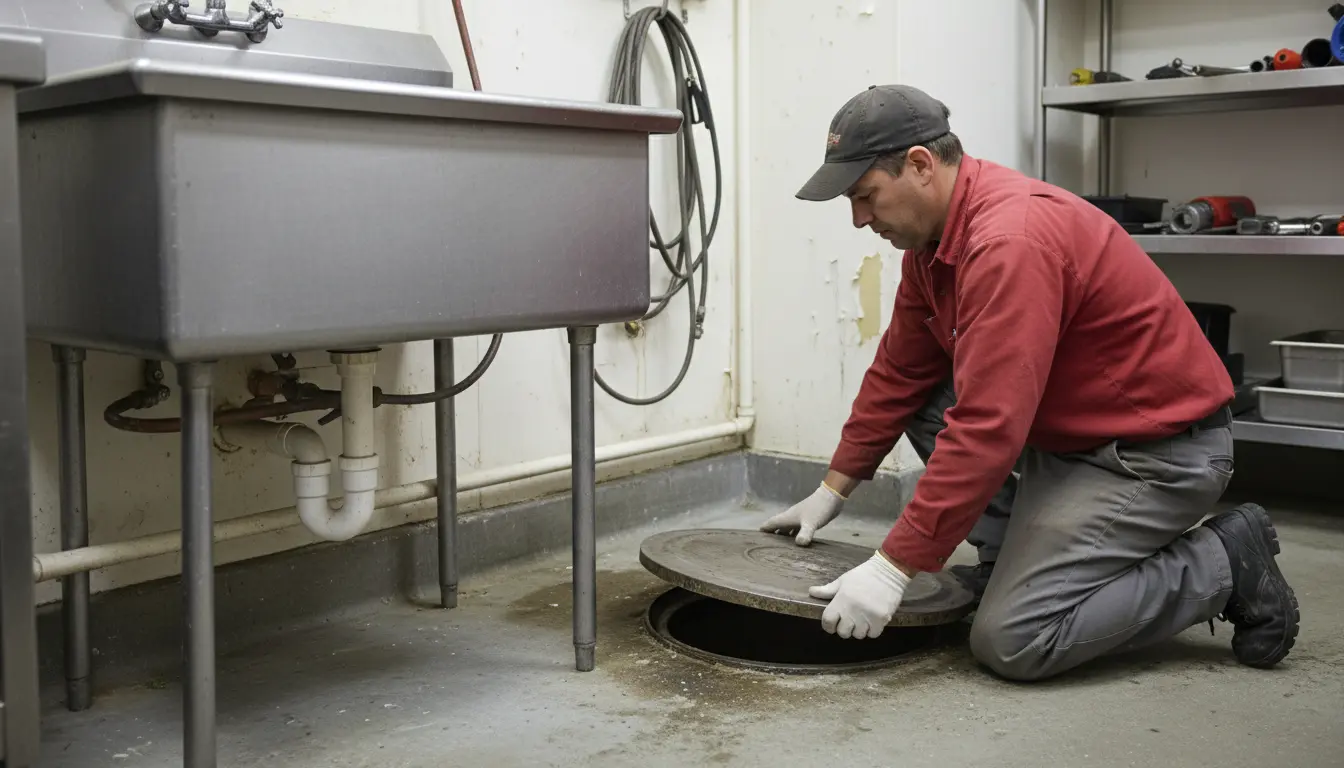
For any restaurant, café, or food service establishment in Concord, effective grease interceptor maintenance is a critical operational and legal requirement. The city, under the oversight of the Central Contra Costa Sanitary District (CCCSD), enforces strict regulations to prevent fats, oils, and grease (FOG) from entering the public sewer system, which can cause costly blockages and environmental damage. Compliance hinges on understanding the local 25% rule, maintaining rigorous service logs, and partnering with professional grease trap cleaning services that ensure proper waste disposal. This guide outlines the essential knowledge for Concord food service operators to manage their grease control systems efficiently and avoid violations.
Roto-Rooter Plumbing & Water Cleanup
1780 Whipple Rd Ste 203G, Union City, CA 94587
Roto-Rooter Plumbing & Water Cleanup provides comprehensive plumbing and water cleanup services in San Jose, CA. They serve both residential and commercial clients, offering a wide range of solutions including grease trap cleaning, sewer and drain cleaning, water heater repair and installation, and emergency flood services. The company uses advanced plumbing technology and equipment to handle complex plumbing systems and offers 24/7 emergency plumbing support to address urgent issues such as burst pipes and sewer backups. Roto-Rooter is licensed and insured, serving the local community with expertise and a commitment to compliance with local codes.
Roto-Rooter Plumbing & Water Cleanup
1210 Central Blvd Ste 123, Brentwood, CA 94513
Roto-Rooter Plumbing & Water Cleanup provides comprehensive plumbing and water cleanup services in Antioch, CA. Their offerings cover residential and commercial plumbing needs, including grease trap cleaning, sewer line repairs, water heater installation and repair, floodwater cleanup, and mold remediation. The company is equipped with advanced tools like hydro-jetting for drain cleaning and offers 24/7 emergency plumbing services to address urgent issues such as burst pipes and sewer backups. Serving Antioch and surrounding areas, Roto-Rooter is experienced in handling complex plumbing systems and environmental factors affecting local infrastructure.
Roto-Rooter Plumbing & Water Cleanup
1130 N Broadway Ste 200C, Walnut Creek, CA 94596
Roto-Rooter Plumbing & Water Cleanup provides comprehensive plumbing services in Oakland, CA, covering residential and commercial needs. Their offerings include drain cleaning, sewer line repair and replacement, grease trap cleaning, water heater installation and repair, floodwater cleanup, and mold remediation. The company is equipped to handle complex commercial plumbing systems and offers specialized services such as hydro-jetting and trenchless sewer line repairs. Roto-Rooter serves the Oakland area and surrounding counties with 24/7 emergency plumbing availability to address urgent issues any time of day or night.
Roto-Rooter Plumbing & Water Cleanup
41111 Mission Blvd Ste 202, Fremont, CA 94539
Roto-Rooter Plumbing & Water Cleanup is a plumbing company serving San Jose, CA, and nearby communities including Fremont, Sunol, Pleasanton, Milpitas, and Warm Springs. They provide a wide range of plumbing services for residential and commercial clients, including drain cleaning, water heater repair, emergency plumbing, and grease trap cleaning. The company offers 24/7 emergency plumbing services and uses advanced equipment such as high-pressure water jetting (hydro-jetting) for effective drain maintenance. Established in 1935, Roto-Rooter has a long history of serving customers with professional plumbing solutions.
Roto-Rooter Plumbing & Water Cleanup
1070 Marina Village Pkwy UNIT 202, Alameda, CA 94501
Roto-Rooter Plumbing & Water Cleanup provides comprehensive plumbing and water cleanup services in Oakland, CA. They serve both residential and commercial clients with a wide range of solutions including sewer and drain cleaning, water heater repair and installation, grease trap maintenance, and floodwater cleanup. The company uses specialized equipment such as hydro-jetting for effective drain cleaning and sewer line maintenance. Roto-Rooter offers 24/7 emergency plumbing services to address urgent issues like burst pipes and sewer backups. They serve Alameda and surrounding counties, bringing extensive experience to local plumbing challenges.
Understanding Local Regulations and the 25% Rule
The cornerstone of Concord's grease management program is a specific performance standard often referred to as the "25% rule." This is not merely a suggestion but a codified requirement. Grease removal devices-including both interior grease traps and larger exterior grease interceptors-must be cleaned when the combined accumulation of FOG and solids reaches 25% of the total liquid depth of the unit 1. This rule, referenced from state law like the California Health and Safety Code, is designed to ensure the device retains its intended capacity to capture grease before wastewater exits to the sewer 1.
The Central Contra Costa Sanitary District (CCCSD) administers and enforces these regulations within Concord. Their goal is proactive sewer system management, and they conduct inspections to verify compliance. Failure to adhere to the cleaning standard can result in formal notices, such as Warning Notices or Notices of Violation, and potentially significant fines 2. Therefore, the first step for any business is to recognize that grease trap servicing is a non-negotiable aspect of operations, governed by clear local authority.
Determining Your Grease Interceptor Servicing Schedule
A common question is, "How often should my grease trap be pumped?" The answer is not a one-size-fits-all timeline but is dictated by the 25% rule and your kitchen's volume. While regulations may stipulate a maximum interval (e.g., cleaning at least every six months), your actual required frequency is whenever the FOG and solids accumulation hits that 25% threshold 3 4.
This means service schedules vary dramatically:
- High-Volume Kitchens: Busy establishments like fast-food restaurants, large diners, or banquet halls may generate enough grease to require service weekly, bi-weekly, or monthly.
- Medium to Lower-Volume Operations: Smaller cafes, pizzerias, or bakeries might find a quarterly (every 3 months) schedule sufficient.
- Mandatory Minimum: Regardless of volume, a cleaning is legally required at least once every six months to ensure maintenance is performed 5.
The only way to accurately determine your schedule is through consistent observation. Staff should check the trap regularly, and your professional service provider can recommend a frequency based on their findings during each service call. Establishing a routine preventive maintenance plan is far more cost-effective and compliant than reacting to an emergency or an inspector's finding.
The Critical Importance of Documentation and Recordkeeping
In the eyes of regulators, if a service wasn't documented, it didn't happen. Maintaining detailed records is a mandatory part of your grease management program and your first line of defense during an inspection. When a CCCSD inspector requests your grease trap maintenance records, you must be able to provide them.
Your service file should include for every cleaning:
- Date of Service
- Name of the Service Company
- Volume of Grease and Solids Removed (in gallons)
- Disposal Method or Receipt showing proper disposal at an authorized facility
- Signature of the Service Technician or Company Representative
Keeping these logs organized and on-site is crucial. Many professional grease trap cleaning services provide detailed service reports that fulfill these documentation requirements, simplifying compliance for restaurant managers.
What to Expect from Professional Grease Trap Services
Hiring a licensed and reputable grease interceptor cleaning provider is essential. These professionals handle the heavy lifting-literally-and ensure the process meets all legal and environmental standards. A standard service typically involves:
- Pumping: Removing the entire contents of the trap, including wastewater, solidified grease (scum), and settled solids (sludge).
- Cleaning: Scraping and washing the interior walls and baffles to remove clinging residues.
- Inspection: Checking the condition of the trap, its components, and the inlet/outlet lines for potential issues.
- Proper Disposal: Transporting the captured waste to an approved facility for rendering or disposal, providing you with documentation for your records 6 7.
Find the perfect grease trap cleaning companies for your needs
Get personalized recommendations and expert advice
Cost Factors for Grease Trap Pumping in the Bay Area
Budgeting for this necessary expense requires understanding the variables that influence cost. For Concord restaurants, typical pricing for a routine pump-out can range from approximately $120 to over $400 per service 8 9. Several key factors determine where your business falls within this range:
- Size and Type of Interceptor: A small 30-gallon under-sink trap costs less to service than a large 1,000-gallon or more concrete in-ground interceptor.
- Accessibility: Easily accessible traps in a kitchen or parking lot are simpler to service than those located in confined or obstructed spaces.
- Frequency: Regularly scheduled maintenance often comes at a lower rate than one-time or emergency calls.
- Volume of Waste: The amount of grease and solids to be removed directly impacts disposal costs for the provider.
It is vital to note that emergency service, such as responding to a clogged line or an imminent inspection, can cost significantly more-potentially reaching $800 to $1,200 or higher due to priority dispatch and complexity 10. This stark difference highlights the financial wisdom of a proactive, scheduled maintenance plan.
Consequences of Non-Compliance and Poor Maintenance
Neglecting your grease interceptor is a high-risk proposition. The consequences extend beyond a simple fine. Internally, a full or malfunctioning trap can cause slow drains, backups into kitchen sinks, and foul odors that disrupt business and create unsanitary conditions. Externally, grease discharged into the sewer congeals and causes blockages in both your lateral line and the public mains, which can lead to sanitary sewer overflows (SSOs).
The CCCSD takes these overflows seriously. Violations can result in escalating enforcement actions, starting with notices and potentially leading to substantial monetary penalties 11 12. Furthermore, the district may require more frequent cleaning schedules or additional reporting for facilities with a history of non-compliance. The reputational damage and operational downtime from a major backup or regulatory action far outweigh the cost of consistent, professional maintenance.
Best Practices for Ongoing Grease Management
Beyond periodic pump-outs, daily kitchen practices play a huge role in the health of your grease control system and can extend the time between required services. Implement these best practices:
- Scrape Plates Thoroughly: Food solids should go into compost or trash, not down the drain.
- Use Strainers in Sinks: Catch food particles before they enter the plumbing.
- Never Pour Grease Down the Drain: Collect cooled frying oil and pan grease in sealed containers for recycling or proper disposal.
- Educate Staff: Ensure all kitchen employees understand the importance of these practices and how they impact the grease trap.
- Post "No Grease" Signs: Remind staff at dishwashing stations about proper disposal.
By combining these daily habits with a disciplined, documented professional cleaning schedule, Concord food service establishments can ensure smooth operations, full regulatory compliance, and protection of the local sewer infrastructure.
Frequently asked questions
Sources
Footnotes
-
California Health and Safety Code § 114201 (2024) - Justia Law - https://law.justia.com/codes/california/code-hsc/division-104/part-7/chapter-7/article-2/section-114201/ ↩ ↩2
-
How to Clean a Grease Trap (and How Often You Should) - https://greaseconnections.com/how-to-clean-a-grease-trap-and-how-often-you-should/ ↩
-
12.20.220. Grease trap requirements. - https://codelibrary.amlegal.com/codes/fullerton/latest/fullerton_ca/0-0-0-18563 ↩
-
Grease Trap Cleaning For California Restaurants - https://cacciaplumbing.com/blog/grease-trap-cleaning-california-restaurants/ ↩
-
Commercial Grease Trap Cleaning Services in Bay Area - https://powerplumbingusa.com/commercial/grease-trap-cleaning/ ↩
-
Restaurant Grease Trap Pumping in Rancho Cordova, CA - https://areaportableservices.com/septic-grease-trap-services/restaurant-grease-trap-maintenance/ ↩
-
Grease Trap Cleaning | Cooking Oil Collection | Plumbing Services - https://thegreasecompany.com/services.html ↩
-
Grease Trap Pumping San Francisco - North Bay Restaurant Services - https://northbayrestaurantservices.com/grease-trap-pumping-san-francisco/ ↩
-
Ultimate Grease Trap Pumping Cost Guide: Essential Money-Saving ... - https://www.texwaywastewater.com/grease-trap-pumping-cost/ ↩
-
Grease Trap Cleaning Prices | Guide on the Industry Average - https://grease-cycle.com/grease-trap-pumping-cost/ ↩
-
City of Concord Sewer System Management Plan - https://www.cityofconcord.org/DocumentCenter/View/7437/2021-SSMP ↩
-
Installing a Grease Removal Device - https://www.centralsan.org/sites/main/files/file-attachments/install_grease_removal_device_0.pdf?1588804472 ↩