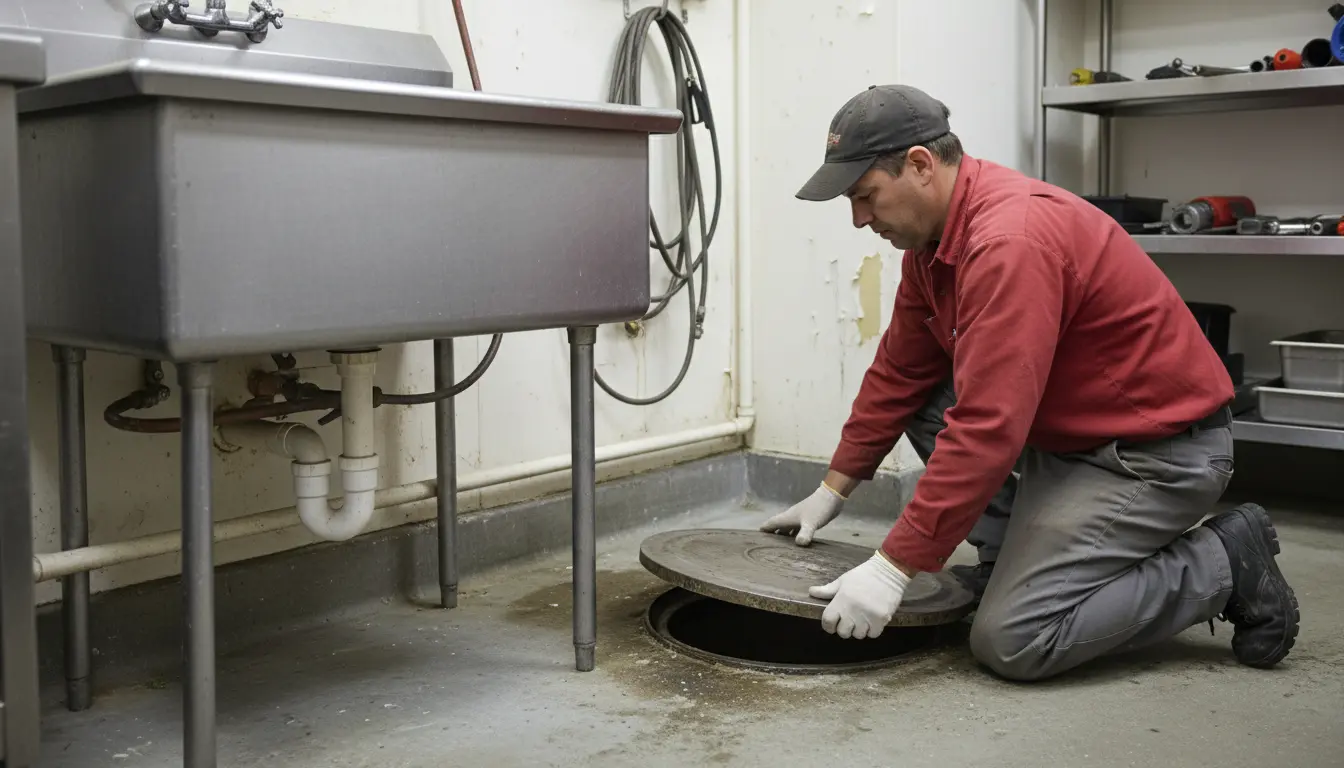
Find the Best Grease Trap Cleaning Companies for Your Business
No obligation • Fast responses • Nationwide coverage

Why you can trust Restaurant Waste Disposal
Restaurant Waste Disposal is a leading U.S. resource for comparing restaurant composting, food-waste recycling, grease trap cleaning, and used cooking oil collection services. Our editorial team researches providers, checks credentials, and organizes unbiased information so operators can make informed decisions. Companies cannot pay to change ratings or placement.
Search providers near you
Top Grease Trap Cleaning Companies in Citrus Heights, California Ranked
For restaurant owners and kitchen managers in Citrus Heights, maintaining a clean and compliant grease trap isn't just a chore-it's a critical business operation. Local regulations, enforced by the South Placer Municipal Utility District (SPMUD) in alignment with Sacramento County and state codes, mandate strict adherence to prevent costly sewer blockages and environmental harm. Proper grease interceptor maintenance protects your plumbing, avoids hefty fines, and ensures your establishment runs smoothly. This guide covers everything you need to know about scheduling, costs, and compliance for FOG (Fats, Oils, and Grease) management in the Citrus Heights area.
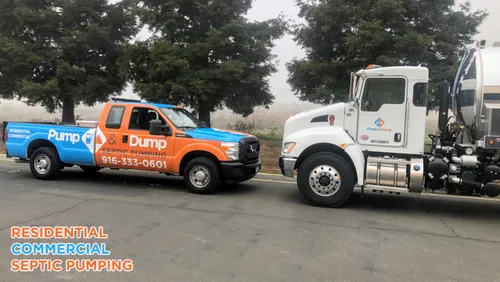
Pump & Dump Septic
1030 N D St #300, Sacramento, CA 95811
Pump & Dump Septic is a grease trap cleaning company based in Sacramento, CA. They serve Sacramento and broader areas including the Bay Area, Northern California, and Central California. The company offers services such as grease trap cleaning and hydro jetting for unclogging drains. They provide emergency service availability, including weekends and after hours, with a team ready to respond quickly to urgent needs.
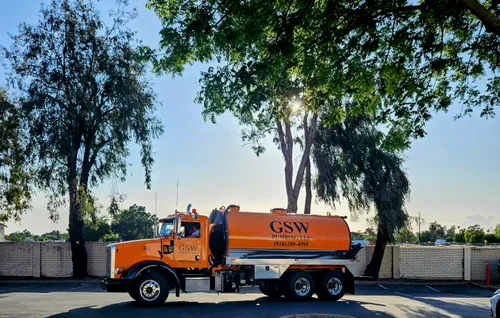
GSW Pumping LLC
Sacramento, CA
GSW Pumping LLC is a septic and wastewater service provider based in Sacramento, CA. They offer septic pumping, grease trap cleaning, wastewater hauling, and line jetting services. Serving Antelope and the greater Sacramento area, they provide 24/7 availability for emergency and scheduled services. Their high-pressure line jetting helps clear stubborn clogs, maintaining proper flow and system efficiency. GSW Pumping LLC emphasizes reliable service with a local commitment and is available around the clock to address urgent plumbing needs.
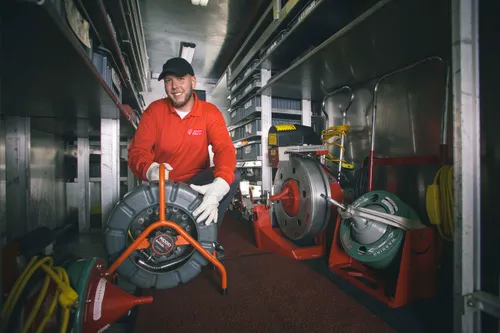
Zoom Drain
7500 14th Ave #22, Sacramento, CA 95820
Zoom Drain is a drain and sewer service provider based in Sacramento, CA, offering residential and commercial solutions. They specialize in grease trap cleaning, drain cleaning, and sewer repairs, using advanced tools and local expertise to address issues like clogs and root intrusions. The company serves Sacramento and surrounding areas with same-day and next-day availability, including after-hours service. Zoom Drain is known for thorough assessments, clear communication, and tailored maintenance plans to keep plumbing systems functioning properly.
Septic Pumping and Drain Solutions
7901 Doe Trail Way, Antelope, CA 95843
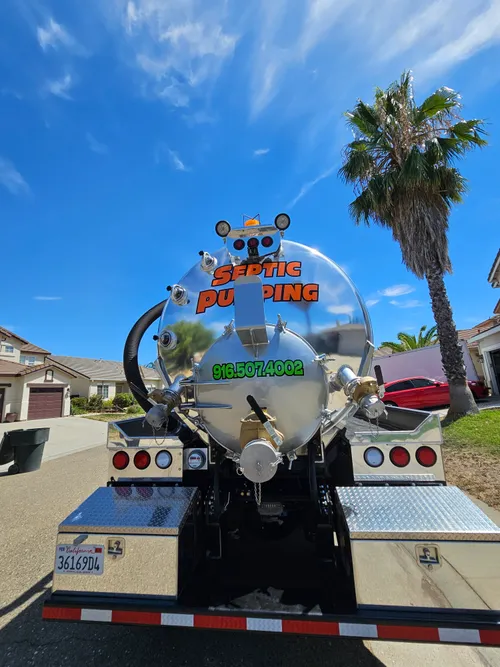
Septic Pumping and Drain Solutions is a licensed and insured company based in Sacramento, CA, offering residential septic pumping, commercial grease trap cleaning, and 24/7 emergency septic services. They serve Sacramento and surrounding areas, providing thorough inspections, proper waste disposal, and detailed reporting to help maintain septic systems and commercial kitchens. Established in 2003, the company has over 20 years of experience and is equipped to handle urgent septic issues with real-time emergency response and advanced diagnostic tools.
Roto-Rooter Plumbing & Water Cleanup
3961 Pell Cir, Sacramento, CA 95838
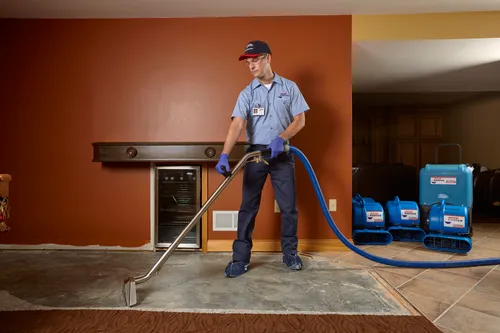
Roto-Rooter Plumbing & Water Cleanup has been serving Sacramento, CA since 1935, providing plumbing and water cleanup services for both residential and commercial clients. They offer a wide range of services including routine maintenance, complex repairs, drain cleaning, septic tank work, and grease trap pumping. The company is familiar with local codes and offers same-day and emergency services 24/7, including holidays, with no weekend fees and limited after-hours charges. Their specialized technicians handle commercial grease trap cleaning and septic system maintenance, ensuring compliance and efficiency tailored to Sacramento's plumbing needs.
Understanding Local Grease Trap Regulations
In Citrus Heights, grease trap and interceptor maintenance is governed by a combination of local utility rules and California state plumbing codes. The primary enforcing body is the South Placer Municipal Utility District (SPMUD), which operates under ordinances designed to protect the municipal sewer system. These local requirements are consistent with guidelines from Sacramento County and the California Plumbing Code (CPC), creating a clear framework for food service facilities.
The core rule is straightforward: you must clean your grease trap when the combined FOG and solids accumulate to 25% of the liquid depth of the trap1. Even if that threshold isn't met, a cleaning is legally required at a minimum of every six months1 2. However, for many busy kitchens, this six-month minimum is far from sufficient. Regular, proactive maintenance is the key to compliance and operational efficiency.
Determining Your Cleaning Frequency
While the law sets a minimum standard, your actual grease interceptor pumping schedule should be based on your kitchen's specific output. A one-size-fits-all approach can lead to problems.
- High-Volume & Fry-Heavy Kitchens: Restaurants with extensive deep-frying, busy diners, or pizzerias often generate significant grease. These establishments may require monthly or even weekly grease trap service to prevent overflows and meet the 25% accumulation rule3 4.
- Moderate-Volume Cafes & Eateries: A standard sit-down restaurant or a busy cafe might find that quarterly cleanings are adequate to stay within compliance and maintain system health.
- Low-Volume Operations: A small coffee shop or bakery with minimal grease production might successfully operate on the mandated six-month schedule.
The best practice is to start with a more frequent schedule (e.g., quarterly) and adjust based on the condition reported by your service provider after each cleaning. Keeping detailed logs of these services is not only wise but required for compliance inspections.
Compliance and Inspection Readiness
Staying ready for an inspection is a matter of routine record-keeping and trap accessibility. SPMUD or county inspectors can verify compliance through site visits and by reviewing your maintenance records.
Key compliance points include:
- Accessibility: Your grease trap must be easily accessible for servicing at all times. Obstructions can lead to violations 5.
- Proper Installation: Grease traps must never be connected to dishwashers or food waste disposals, as these introduce solids and detergents that break down grease, allowing it to pass through the trap and into the sewer lines 6.
- Complete Cleaning: Service must include the removal of all contents, including FOG, solids, and wastewater, and the cleaning of baffles and interior surfaces7.
- Documentation: You must keep detailed records, including service dates, the company name, and the volume of waste removed. Professional licensed haulers will provide you with a manifest or service report for your files.
Failure to meet these requirements-such as exceeding FOG levels, lacking records, or having an inaccessible trap-typically results in an immediate clean-out order and can lead to significant fines and additional fees.
Find the perfect grease trap cleaning companies for your needs
Get personalized recommendations and expert advice
The Cost of Grease Trap Service in Citrus Heights
Understanding the cost structure for grease interceptor maintenance helps in budgeting and highlights the value of regular service. Prices vary based on trap size, location, and condition.
- Regular Maintenance Cost: For a standard indoor grease trap receiving routine, scheduled cleaning, you can expect costs in the range of $175 to $225 per visit8 9. Larger in-ground interceptors will cost more due to increased volume and labor.
- Neglected or Emergency Service Cost: This is where costs can skyrocket. A severely neglected trap that requires immediate, intensive cleaning can easily triple or quadruple the standard price 10. Emergency fees, potential fines from the utility, and the cost of repairing plumbing issues caused by backups create a much larger financial burden.
- Choosing a Provider: Always hire a professional, licensed waste hauler. They will ensure proper disposal at approved facilities and provide the necessary documentation for your compliance records11. While price is a factor, reliability, proper licensing, and thorough service should be the primary considerations.
Proactive Best Practices for Restaurant Owners
Beyond scheduling and hiring, a few operational habits can extend the life of your grease trap and improve its efficiency.
- Scrape, Don't Rinse: Train staff to scrape all food solids from plates, pots, and pans into the trash before washing. This significantly reduces the solid waste entering the trap.
- Use Drain Screens: Install and regularly clean screens in all sink drains to catch food particles.
- Manage Fryer Oil: Have a dedicated, leak-proof container for used cooking oil and ensure it is collected by a reputable rendering service. Never pour oil down the drain.
- Schedule Kitchen Exhaust Cleaning: While separate from the grease trap, a clean kitchen hood and duct system prevents excess grease from entering the plumbing via floor drains during routine cleaning.
- Post Clear Guidelines: Place simple, clear signage near sinks reminding staff of proper disposal practices to prevent grease and food waste from going down the drain.
By integrating these practices with a consistent, professional cleaning schedule, you turn grease trap maintenance from a reactive headache into a manageable part of your restaurant's successful operation.
Frequently asked questions
Sources
Footnotes
-
12.20.220. Grease trap requirements. - https://codelibrary.amlegal.com/codes/fullerton/latest/fullerton_ca/0-0-0-18563 ↩ ↩2
-
RESTAURANTS AND FOOD HANDLING FACILITIES - http://www.waterresources.saccounty.net/Program%20Documents/FoodHandling_English.pdf ↩
-
Ordinance #09-01 Fats, Oils, and Grease (FOG).pdf - https://spmud.ca.gov/files/4e597c9ab/Ordinance+%2309+01+FOG++03+05+09.pdf ↩
-
How Often to Clean Restaurant Grease Traps in Los Angeles, CA - https://bakercommodities.com/blog/2025/01/23/la-laws-for-grease-recycling/ ↩
-
Grease Trap Cleaning For California Restaurants - https://cacciaplumbing.com/blog/grease-trap-cleaning-california-restaurants/ ↩
-
California Health and Safety Code § 114201 (2024) - Justia Law - https://law.justia.com/codes/california/code-hsc/division-104/part-7/chapter-7/article-2/section-114201/ ↩
-
Grease Trap Pumping San Francisco - North Bay Restaurant Services - https://northbayrestaurantservices.com/grease-trap-pumping-san-francisco/ ↩
-
Ultimate Grease Trap Pumping Cost Guide: Essential Money-Saving ... - https://www.texwaywastewater.com/grease-trap-pumping-cost/ ↩
-
The Cost To Clean A Grease Trap For Restaurants - https://thegreasecompany.com/blog/greasetrapcleaningcost/ ↩
-
Restaurant Grease Trap & Interceptor Cleaning Cost - https://greasemanagement.org/pricing.html ↩
-
Grease Trap Cleaning in Citrus Heights CA - https://greasetrapcleaningantelope.com/citrus-heights-ca.html ↩