Find the Best Grease Trap Cleaning Companies for Your Business
No obligation • Fast responses • Nationwide coverage

Why you can trust Restaurant Waste Disposal
Restaurant Waste Disposal is a leading U.S. resource for comparing restaurant composting, food-waste recycling, grease trap cleaning, and used cooking oil collection services. Our editorial team researches providers, checks credentials, and organizes unbiased information so operators can make informed decisions. Companies cannot pay to change ratings or placement.
Search providers near you
Top Grease Trap Cleaning Companies in Chula Vista, California Ranked
For restaurant owners and facility managers in Chula Vista, maintaining a clean and compliant grease trap system is a critical operational and legal responsibility. The City of Chula Vista enforces a strict Fats, Oils, and Grease (FOG) Control Program to protect the municipal sewer system from costly blockages and environmental damage. Proper grease interceptor maintenance isn't just about avoiding fines; it's about ensuring your business runs smoothly, preventing disruptive backups, and upholding your role in the community's infrastructure. This guide outlines the essential regulations, best practices, and cost considerations for effective grease management in Chula Vista.
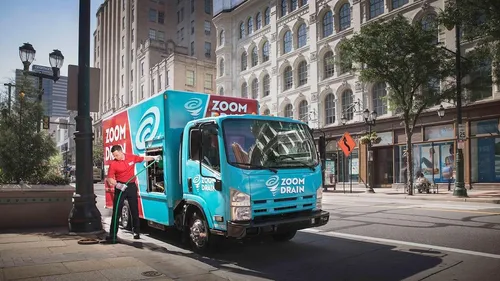
San Diego Zoom Drain
1465 Morena Blvd Floor One, San Diego, CA 92110
San Diego Zoom Drain is a drain and sewer service provider based in San Diego, CA. They offer residential and commercial drain cleaning, inspections, repairs, and replacements, including specialized grease trap maintenance for the food and hospitality sector. Their service area includes San Diego and surrounding communities such as Coronado, Del Mar, El Cajon, Encinitas, La Jolla, Santee, and Solana Beach. The company is experienced in hydro jetting, a capability used to clear stubborn clogs and maintain plumbing health. San Diego Zoom Drain emphasizes tailored maintenance plans and advanced technology to support property managers, contractors, and homeowners alike.

Chula Vista Rooter - Sewer & Drain Cleaning Services
National City, CA
Chula Vista Rooter - Sewer & Drain Cleaning Services provides drain and sewer cleaning, camera inspection, line location, and grease trap cleaning in National City, CA. The company uses modern technology and skilled techniques such as hydro-jetting and video inspection to address issues like clogged drains, sewer backups, root intrusions, and grease buildup. Their services include precise pipe location and preventive maintenance to support both residential and commercial properties. The team is experienced in handling complex problems like tree root removal and sediment buildup within sewer lines. Chula Vista Rooter aims to maintain efficient drainage systems through thorough cleaning and inspection methods.
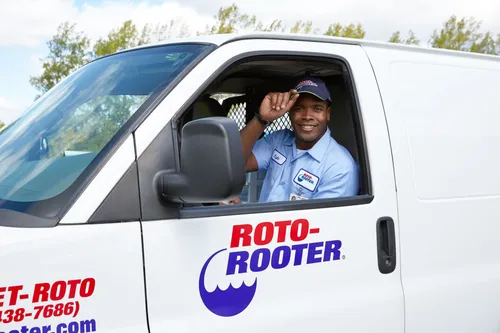
Roto-Rooter Plumbing & Water Cleanup of El Cajon
1400 Hill St, El Cajon, CA 92020
Roto-Rooter Plumbing & Water Cleanup of El Cajon provides comprehensive plumbing services to homes and businesses in San Diego, CA. They handle a wide range of needs including drain cleaning, sewer line repair and replacement, water heater installation and repair, grease trap maintenance, and floodwater cleanup. Their commercial plumbing expertise covers complex systems such as backflow inspection, high-pressure water jetting, and gas line installation. With a focus on local challenges like hard water mineral deposits and aging infrastructure, they offer tailored solutions for both residential and commercial clients. Roto-Rooter is available 24/7 for emergency plumbing services, ensuring prompt response to issues like burst pipes and sewer backups.
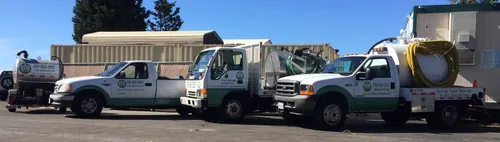
Eco Grease Pumping Services
4079 Governor Dr #262, San Diego, CA 92122
Eco Grease Pumping Services provides grease trap cleaning for commercial kitchens in San Diego, CA. The company specializes in grease trap and interceptor maintenance, including clog clearing and regular service to ensure proper function. Customers have noted their professionalism and effective resolution of long-standing grease interceptor issues.
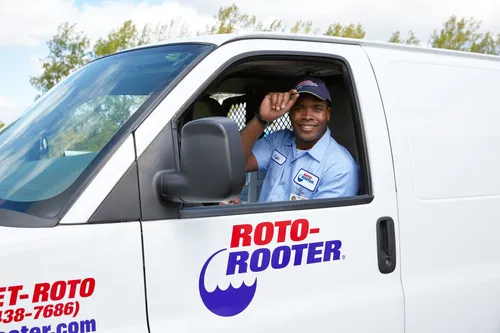
Roto-Rooter Plumbing & Water Cleanup of San Diego
10509 San Diego Mission Rd Ste U, San Diego, CA 92108
Roto-Rooter Plumbing & Water Cleanup of San Diego provides comprehensive plumbing and water cleanup services in San Diego, CA. They offer residential and commercial plumbing solutions including drain cleaning, sewer line repairs, water heater services, grease trap maintenance, and floodwater cleanup. Their commercial capabilities include hydro-jetting and industrial pipe restoration. The company operates 24/7, providing emergency plumbing and water damage services with licensed and insured plumbers experienced in local plumbing codes and conditions.
Understanding Chula Vista's FOG Control Program
The cornerstone of local compliance is the city's FOG Control Program, governed by the Chula Vista Municipal Code. At its heart is the requirement for all food service establishments to obtain and maintain an Industrial Wastewater Discharge Permit, commonly known as a FOG Permit. This permit formalizes your agreement to adhere to specific Best Management Practices (BMPs) and maintenance schedules. The program is designed to prevent FOG from entering the sewer lines, where it can cool, solidify, and create severe blockages leading to sanitary sewer overflows-a public health hazard and a significant expense for the city.
Mandatory Best Management Practices (BMPs)
Compliance starts with daily operational habits. The City of Chula Vista mandates that permitted facilities implement and document a set of BMPs. Key practices include:
- Dry Wiping: All pots, pans, dishes, and utensils should be wiped clean of grease and food solids with a paper towel or scraper before they are rinsed or placed in a dishwasher. This simple step dramatically reduces the amount of FOG entering the trap.
- Waste Oil Collection: All used fryer oil, cooking oil, and greasy scraps must be collected in a dedicated, leak-proof container for recycling by a licensed grease hauler. It should never be poured down sinks, floor drains, or toilets.
- Staff Training: All kitchen staff must be trained on these BMPs. Documentation of this training is often reviewed during inspections.
- Maintenance Logs: Keeping a detailed, on-site log of every grease trap cleaning, pumping, inspection, and waste oil pickup is not just a good idea-it's a requirement. This log is the primary document inspectors will ask to see.
The Critical 25% Rule and Cleaning Frequency
A common misconception is that cleaning should occur on a fixed calendar schedule. While many providers recommend quarterly service, the legal standard in Chula Vista and throughout California is based on capacity. Cleaning must be performed whenever the combined volume of accumulated fats, oils, grease, and solids reaches 25% of the trap's total liquid capacity1 2 3. This ensures the trap retains enough space and retention time to properly cool and separate FOG from wastewater.
The actual frequency to hit this 25% threshold varies greatly:
- High-Volume Kitchens: Restaurants with extensive frying, such as fast-food outlets or diners, may require monthly or bi-monthly pumping.
- Moderate-Volume Establishments: A typical full-service restaurant often needs service every 3 to 4 months (quarterly).
- Low-Volume Operations: A café or pizza shop with minimal frying might extend to every 6 months.
Ultimately, your specific usage dictates the schedule. A reputable service provider can help you establish an appropriate frequency after an initial assessment and then adjust it based on your maintenance logs.
Inspection Protocols and Penalties for Non-Compliance
City inspectors conduct regular inspections to ensure program compliance. Their focus will be on your FOG Permit, your maintenance logs, and visual verification that BMPs are being followed in the kitchen. They may also check that the grease trap is easily accessible for service.
Failure to comply can result in significant consequences:
- Fines: Monetary penalties for violations can start around $100 for initial offenses and escalate sharply for repeat non-compliance 4.
- Operational Disruption: An inspector can mandate immediate cleaning or repairs, potentially forcing a costly emergency service call.
- System Damage: Chronic neglect leads to FOG escaping into drain lines, causing backups in your own facility or the public sewer. The cost to repair damaged plumbing or municipal lines can be astronomical.
- Permit Revocation: In severe cases, the city can revoke your FOG Permit, which can jeopardize your business's ability to operate.
Find the perfect grease trap cleaning companies for your needs
Get personalized recommendations and expert advice
Cost Factors for Grease Trap Service in Chula Vista
Understanding the cost structure for grease interceptor maintenance helps in budgeting and highlights the value of preventive care. Prices in the San Diego County area vary based on several key factors:
- Scheduled Maintenance (The Most Cost-Effective Route): For a standard, small indoor grease trap that is regularly maintained, a routine pumping and cleaning service typically ranges from $150 to $400 per service 5 6. This price is for proactive, scheduled work.
- Emergency or One-Off Service: If you miss a scheduled cleaning and experience a backup, or if an inspector orders immediate service, emergency calls can cost significantly more-often $800 to $1,200 or higher-due to the urgency, potential for more labor-intensive work, and after-hours fees 7 8.
- Key Price Determinants:
- Trap Size and Type: Larger outdoor grease interceptors cost more to service than small under-sink units.
- Accessibility: Easily accessible traps are cheaper to service than those buried under equipment or in confined spaces.
- Condition: A well-maintained trap is quicker to clean. Traps with severe buildup or where the FOG has hardened into "grease concrete" require far more labor and time, increasing the price 9.
- Volume of Waste: The amount of grease and solids removed directly impacts disposal costs for the service provider.
Investing in regular scheduled service is invariably less expensive than dealing with the combined costs of emergency repairs, fines, and potential business interruption.
Choosing a Service Provider and Ensuring Complete Compliance
When selecting a company for grease trap pumping in Chula Vista, look for more than just a low price. Choose a licensed, insured, and experienced provider familiar with Chula Vista Municipal Code Chapter 13.10 and state health codes. They should offer:
- Detailed Service Reports: After each service, you should receive a document stating the date, trap condition, volume removed, and the technician's signature. This is proof of compliance for your log.
- Waste Documentation: Ensure they provide a manifest or receipt showing the proper disposal or recycling of the collected FOG at a licensed facility.
- Inspection Readiness: A good partner will help you maintain your logs and advise on BMPs to keep you inspection-ready at all times.
By integrating these compliance steps into your daily operations and partnering with a knowledgeable service provider, you protect your business, contribute to Chula Vista's environmental health, and avoid the steep costs of neglect.
Frequently asked questions
Sources
Footnotes
-
Fats, Oils and Grease (FOG) Control Program | City of Chula ... - https://www.chulavistaca.gov/departments/engineering/wastewater-engineering/fogcontrolprogram ↩
-
12.20.220. Grease trap requirements. - https://codelibrary.amlegal.com/codes/fullerton/latest/fullerton_ca/0-0-0-18563 ↩
-
California Health and Safety Code § 114201 (2024) - Justia Law - https://law.justia.com/codes/california/code-hsc/division-104/part-7/chapter-7/article-2/section-114201/ ↩
-
Orlando Grease Trap Maintenance Guide: Essential Compliance Protocols - myshyft.com - https://www.myshyft.com/blog/grease-trap-cleaning-orlando-florida/ ↩
-
Ultimate Grease Trap Pumping Cost Guide: Essential Money-Saving ... - https://www.texwaywastewater.com/grease-trap-pumping-cost/ ↩
-
Grease Trap Cleaning Prices | Guide on the Industry Average - https://grease-cycle.com/grease-trap-pumping-cost/ ↩
-
Essential Grease Trap Maintenance For San Diego Facilities - https://www.myshyft.com/blog/grease-trap-cleaning-san-diego-california/ ↩
-
The Ultimate Guide to Restaurant Grease Trap Cleaning - https://mokherplumbing.com/ultimate-guide-restaurant-grease-trap-cleaning/ ↩
-
Grease Trap Cleaning For California Restaurants - https://cacciaplumbing.com/blog/grease-trap-cleaning-california-restaurants/ ↩