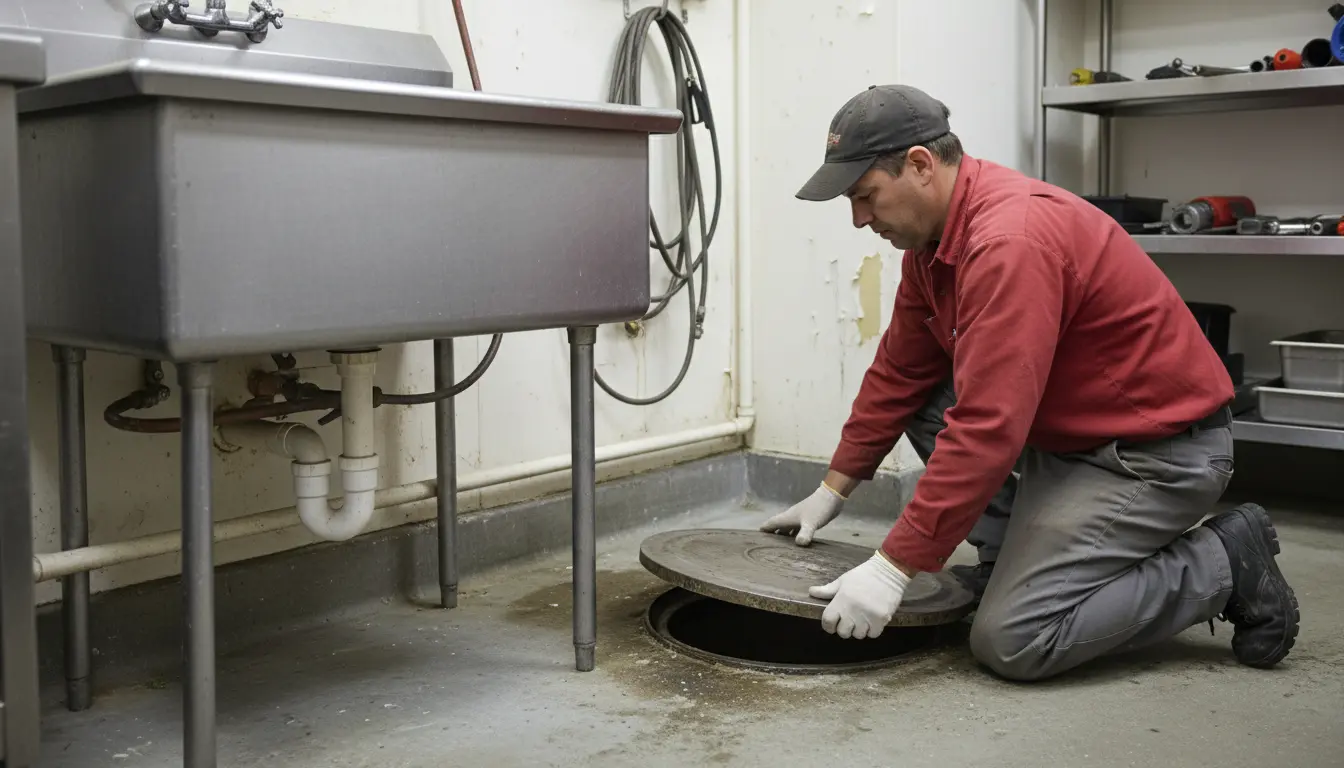
Find the Best Grease Trap Cleaning Companies for Your Business
No obligation • Fast responses • Nationwide coverage

Why you can trust Restaurant Waste Disposal
Restaurant Waste Disposal is a leading U.S. resource for comparing restaurant composting, food-waste recycling, grease trap cleaning, and used cooking oil collection services. Our editorial team researches providers, checks credentials, and organizes unbiased information so operators can make informed decisions. Companies cannot pay to change ratings or placement.
Search providers near you
Top Grease Trap Cleaning Companies in Cerritos, California Ranked
For restaurant owners and facility managers in Cerritos, maintaining a clean and compliant grease interceptor is a critical, non-negotiable part of daily operations. Proper grease trap maintenance protects your business from costly fines and service interruptions, safeguards the local sewer system from blockages, and ensures you meet the stringent standards set by both state and local authorities. This guide provides a detailed overview of the regulations, inspection processes, and best practices for grease trap and interceptor service in Cerritos, helping you navigate compliance with confidence.
The rules governing grease management in Cerritos are based on the California Plumbing Code (CPC) with local amendments 1. These regulations mandate that all food service establishments install and properly maintain a grease interceptor sized appropriately for their wastewater flow. A core tenet of the code is the "25% rule," which requires that traps be cleaned when the combined volume of fats, oils, grease (FOG), and solids reaches 25% of the unit's capacity. Adherence to this standard is not a suggestion but a legal requirement for operating your business.
Zoom Drain
15540 Rockfield Blvd C100, Irvine, CA 92618
Zoom Drain is a grease trap cleaning and drain service company based in Los Angeles, CA. They provide residential and commercial drain and sewer cleaning, inspection, repairs, and preventive maintenance. Their services cover clogged drains, sewer pump repair, sump pump replacement, and landscape drain maintenance. Zoom Drain uses advanced technology like hydro jetting to clear blockages, including tree roots, and offers 24/7 emergency services. They serve areas including Anaheim, Irvine, Santa Ana, and throughout Orange County. The company is known for its specialized services in food and hospitality sectors, contractor support, and tailored maintenance plans.
Roto-Rooter Plumbing & Water Cleanup
241 E Colorado Blvd #202, Pasadena, CA 91101
Roto-Rooter Plumbing & Water Cleanup provides comprehensive residential and commercial plumbing services in Los Angeles, CA. They specialize in a wide range of plumbing solutions including grease trap cleaning, sewer line repairs, water heater installation and repair, and emergency floodwater cleanup. The company is equipped with advanced tools such as hydro-jetting equipment to handle complex plumbing issues efficiently. Serving the Pasadena area and surrounding communities, Roto-Rooter offers 24/7 emergency plumbing services throughout the year to address urgent plumbing needs. They are fully licensed and insured, focusing on both routine maintenance and emergency repairs.
Roto-Rooter Plumbing & Water Cleanup
3848 Campus Dr STE 220, Newport Beach, CA 92660
Roto-Rooter Plumbing & Water Cleanup provides comprehensive plumbing and water cleanup services in Long Beach, CA. They handle a wide range of issues including floodwater cleanup, sewer and drain cleaning, faucet and toilet repairs, water heater services, and grease trap maintenance. The company serves both residential and commercial clients, offering advanced capabilities such as high-pressure water jetting (hydro-jetting) and trenchless sewer line replacement. With decades of experience dating back to 1935, Roto-Rooter offers 24/7 emergency plumbing services to address urgent problems at any time.
Roto-Rooter Plumbing & Water Cleanup
2050 W Chapman Ave #202, Orange, CA 92868
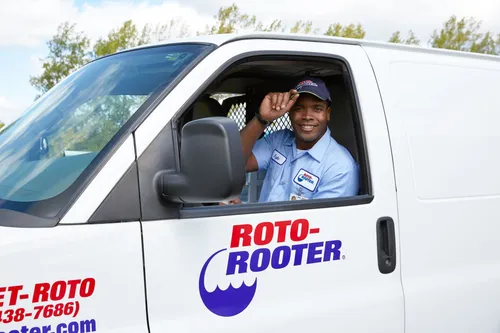
Roto-Rooter Plumbing & Water Cleanup offers a wide range of plumbing services in Los Angeles, CA, including grease trap cleaning, sewer and drain cleaning, water heater repair, and emergency flood cleanup. The company serves both residential and commercial clients, addressing issues from routine maintenance to urgent repairs. They utilize advanced tools such as HD inspection cameras and hydro-jetting to clear blockages and perform no-dig pipe replacements. Established with a legacy dating back to the invention of the original electric drain snake in 1935, Roto-Rooter provides 24/7 emergency plumbing services to handle urgent situations any time of day or night.
White Glove Plumbing Orange County
1430 E Borchard Ave, Santa Ana, CA 92705
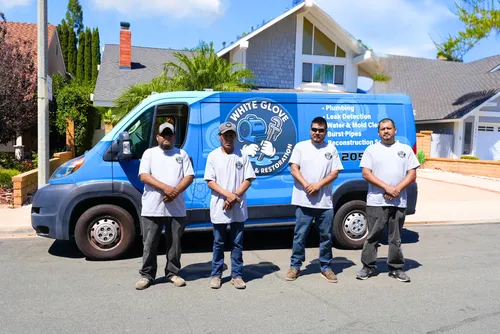
White Glove Plumbing Orange County is a full-service plumbing and restoration company based in Santa Ana, serving residential and commercial clients throughout Los Angeles, CA. They provide a wide range of services including emergency plumbing, leak detection, hydro-jetting, water heater installation, grease trap pumping, sewage cleanup, mold remediation, and water damage restoration. The company offers 24/7 emergency services to quickly address urgent plumbing and restoration needs. Their expertise includes advanced capabilities such as slab leak reroutes, sewer camera inspections, and certified mold remediation. White Glove Plumbing combines plumbing and restoration services to manage repairs and rebuilds efficiently, reducing the need for multiple contractors.
Understanding California and Cerritos Grease Interceptor Codes
Compliance starts with knowing the law. The primary regulatory framework is found in the California Plumbing Code, Chapter 10, which specifically addresses grease interceptors 2. Key provisions that Cerritos establishments must follow include:
- Accessibility: Grease interceptors must be easily accessible for servicing and inspection. They should not be located in food preparation areas unless specifically approved by the local authority having jurisdiction.
- Proper Installation and Type: Interceptors must be sized correctly based on the anticipated flow and waste load of the kitchen. Many jurisdictions, including those in California, often require the use of Hydromechanical Grease Interceptors (HGIs) for indoor applications.
- No Garbage Disposal Waste: To prevent premature clogging and overloading, garbage disposals should not empty into a grease interceptor system 3.
- Mandatory Maintenance Standard: The 25% FOG/solids cleanout rule is a statewide standard. Furthermore, cleaning must occur at a minimum frequency-typically every 30 to 90 days-whichever comes first. Your specific schedule depends on your kitchen's volume and output.
What to Expect During a Grease Trap Inspection in Cerritos
Inspections are conducted to ensure compliance and protect public infrastructure. They are typically carried out by officials from the Cerritos Public Works Department or the Health Department. Inspections can be scheduled or unscheduled, so maintaining constant compliance is essential.
During an inspection, an officer will examine several key aspects of your grease management system:
- Capacity and Flow Control: Verifying the interceptor is correctly sized and that flow control devices are functioning properly.
- Physical Access: Ensuring the interceptor is readily accessible for pumping and inspection without obstruction.
- Cleanliness and the 25% Rule: This is a primary focus. The inspector will check the accumulation of FOG and solids to ensure it does not exceed 25% of the unit's capacity 4.
- Watertightness: Checking for any leaks, cracks, or defects in the interceptor or its connections that could lead to environmental contamination.
- Record Keeping: Reviewing your maintenance logs and pump-out manifests from your service provider. Detailed records are your best proof of compliance.
Failure to meet these standards can result in a progression of enforcement actions, starting with a warning or notice of violation and potentially escalating to significant fines or even a suspension of sewer service until the issue is corrected 5.
Cost Factors for Professional Grease Interceptor Service
Investing in regular professional cleaning is far more economical than facing penalties. Service costs in the Cerritos area are not fixed and vary based on several factors:
- Interceptor Size and Type: A small under-sink grease trap will cost less to service than a large, in-ground concrete grease interceptor.
- Volume of FOG and Solids: Establishments with high-volume frying or greasy food production will require more frequent service, impacting the overall maintenance cost.
- Service Frequency: Adhering to a regular, preventative schedule (e.g., quarterly) is often more manageable than emergency cleanings triggered by a clog or violation.
- Location and Accessibility: Easily accessible interceptors cost less to service than those in confined or difficult-to-reach spaces.
As a general guideline, pump-out services can range from $150 to $300 for small to medium-sized traps, while large interceptors or those requiring frequent service can cost $300 to $400 or more per cleaning 6 7. Always request detailed, written manifests from your service provider after each cleaning.
Find the perfect grease trap cleaning companies for your needs
Get personalized recommendations and expert advice
Best Practices for Ongoing Compliance and System Health
Beyond scheduling regular pump-outs, proactive management can extend the life of your system and simplify inspections.
- Scrape, Don't Rinse: Train kitchen staff to scrape all food solids into the trash before washing dishes. This dramatically reduces the solid waste entering the interceptor.
- Use Strainers: Install and maintain sink strainers to catch food particles.
- Avoid Hot Water and Degreasers: Pouring hot water or chemical degreasers down the drain can liquefy grease, allowing it to pass through the interceptor only to solidify later in the cooler sewer lines, causing blockages downstream.
- Maintain Impeccable Records: Keep a dedicated binder with every service manifest, invoice, and any correspondence from inspectors. This logbook is your first line of defense during an audit.
- Schedule a Pre-Inspection: Consider having your grease trap service provider perform a courtesy inspection between official visits to identify potential issues early.
Integrating these steps into your standard kitchen cleaning checklist helps ensure your entire operation runs smoothly and avoids preventable problems 8.
Frequently asked questions
Sources
Footnotes
-
California Health and Safety Code § 114201 (2024) - Justia Law - https://law.justia.com/codes/california/code-hsc/division-104/part-7/chapter-7/article-2/section-114201/ ↩
-
Grease Traps - UpCodes - https://up.codes/s/grease-traps ↩
-
1003.3 Grease Traps and Grease Interceptors - UpCodes - https://up.codes/s/grease-traps-and-grease-interceptors ↩
-
HYDROMECHANICAL GREASE INTERCEPTOR (HGI ... - https://www.spokanecounty.gov/DocumentCenter/View/51138/Hydromechanical-Grease-Interceptor-HGI-Maintenance---English?bidId= ↩
-
Grease Trap Inspection - InterNACHI® - https://www.nachi.org/grease-trap-inspection.htm ↩
-
Restaurant Grease Trap Cleaning FAQs - Mahoney Environmental - https://www.mahoneyes.com/restaurant-grease-trap-cleaning-faqs/ ↩
-
FAQs • What is the pumping schedule for grease interceptor o - https://www.westminsterco.gov/FAQ.aspx?QID=302 ↩
-
The Ultimate 2025 Restaurant Kitchen Cleaning Checklist - The Restaurant Warehouse - https://therestaurantwarehouse.com/blogs/restaurant-equipment/restaurant-kitchen-cleaning-checklist ↩