Find the Best Grease Trap Cleaning Companies for Your Business
No obligation • Fast responses • Nationwide coverage

Why you can trust Restaurant Waste Disposal
Restaurant Waste Disposal is a leading U.S. resource for comparing restaurant composting, food-waste recycling, grease trap cleaning, and used cooking oil collection services. Our editorial team researches providers, checks credentials, and organizes unbiased information so operators can make informed decisions. Companies cannot pay to change ratings or placement.
Search providers near you
Top Grease Trap Cleaning Companies in Carson, California Ranked
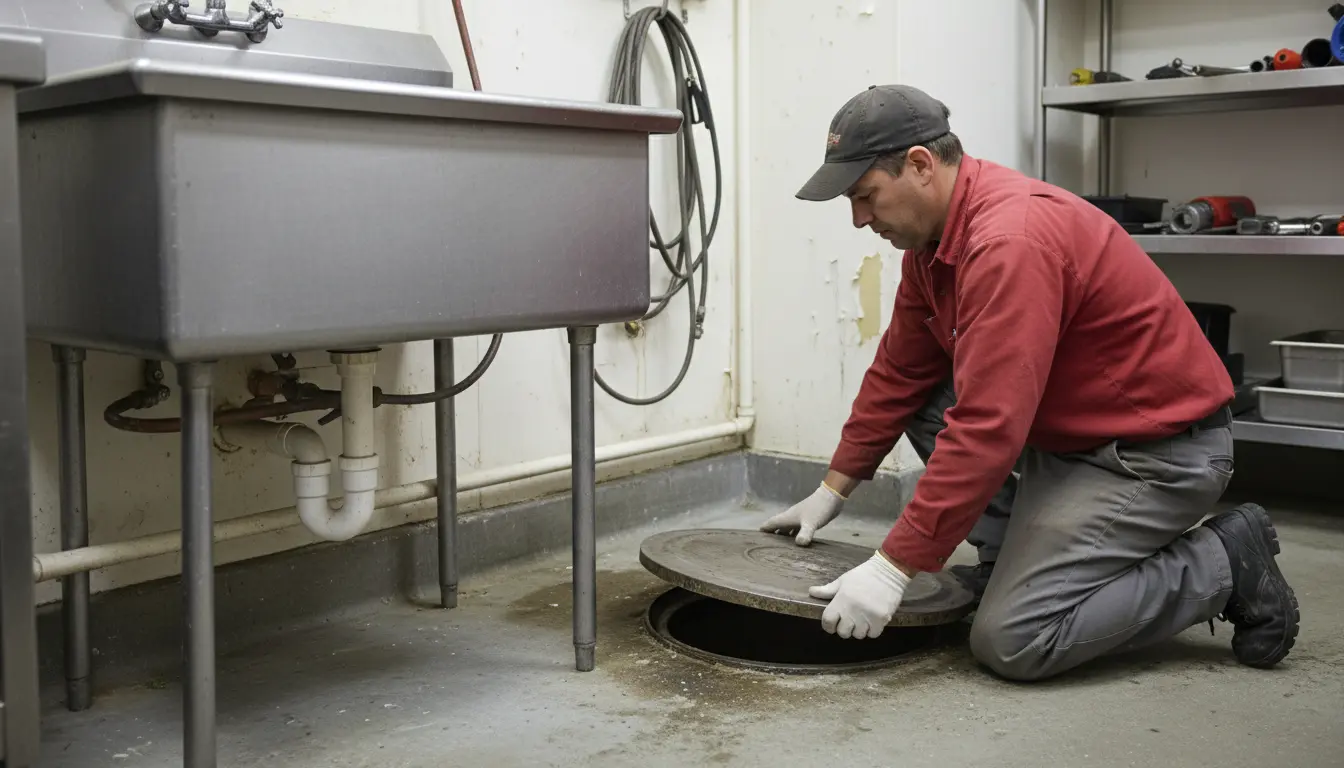
For any restaurant, food truck, or commercial kitchen in Carson, maintaining a clean and compliant grease trap is a critical operational and legal responsibility. These systems, also known as grease interceptors, are your first line of defense against fats, oils, and grease (FOG) entering the municipal sewer system, where they can cause costly blockages and environmental damage. Carson, governed by the strict codes of Los Angeles County, has specific mandates for the maintenance and servicing of these essential pieces of equipment. Non-compliance isn't just a minor oversight-it can lead to significant fines, service interruptions, and even the potential for a business shutdown. Understanding the local regulations, recommended service frequency, and associated costs is key to running a smooth, compliant, and environmentally responsible food service operation.
Roto-Rooter Plumbing & Water Cleanup
241 E Colorado Blvd #202, Pasadena, CA 91101
Roto-Rooter Plumbing & Water Cleanup provides comprehensive residential and commercial plumbing services in Los Angeles, CA. They specialize in a wide range of plumbing solutions including grease trap cleaning, sewer line repairs, water heater installation and repair, and emergency floodwater cleanup. The company is equipped with advanced tools such as hydro-jetting equipment to handle complex plumbing issues efficiently. Serving the Pasadena area and surrounding communities, Roto-Rooter offers 24/7 emergency plumbing services throughout the year to address urgent plumbing needs. They are fully licensed and insured, focusing on both routine maintenance and emergency repairs.
Roto-Rooter Plumbing & Water Cleanup
3848 Campus Dr STE 220, Newport Beach, CA 92660
Roto-Rooter Plumbing & Water Cleanup provides comprehensive plumbing and water cleanup services in Long Beach, CA. They handle a wide range of issues including floodwater cleanup, sewer and drain cleaning, faucet and toilet repairs, water heater services, and grease trap maintenance. The company serves both residential and commercial clients, offering advanced capabilities such as high-pressure water jetting (hydro-jetting) and trenchless sewer line replacement. With decades of experience dating back to 1935, Roto-Rooter offers 24/7 emergency plumbing services to address urgent problems at any time.
Roto-Rooter Plumbing & Water Cleanup
2050 W Chapman Ave #202, Orange, CA 92868
Roto-Rooter Plumbing & Water Cleanup offers a wide range of plumbing services in Los Angeles, CA, including grease trap cleaning, sewer and drain cleaning, water heater repair, and emergency flood cleanup. The company serves both residential and commercial clients, addressing issues from routine maintenance to urgent repairs. They utilize advanced tools such as HD inspection cameras and hydro-jetting to clear blockages and perform no-dig pipe replacements. Established with a legacy dating back to the invention of the original electric drain snake in 1935, Roto-Rooter provides 24/7 emergency plumbing services to handle urgent situations any time of day or night.
White Glove Plumbing Orange County
1430 E Borchard Ave, Santa Ana, CA 92705
White Glove Plumbing Orange County is a full-service plumbing and restoration company based in Santa Ana, serving residential and commercial clients throughout Los Angeles, CA. They provide a wide range of services including emergency plumbing, leak detection, hydro-jetting, water heater installation, grease trap pumping, sewage cleanup, mold remediation, and water damage restoration. The company offers 24/7 emergency services to quickly address urgent plumbing and restoration needs. Their expertise includes advanced capabilities such as slab leak reroutes, sewer camera inspections, and certified mold remediation. White Glove Plumbing combines plumbing and restoration services to manage repairs and rebuilds efficiently, reducing the need for multiple contractors.
Roto-Rooter Plumbing & Water Cleanup
20422 Beach Blvd #225, Huntington Beach, CA 92648
Roto-Rooter Plumbing & Water Cleanup offers comprehensive plumbing and water cleanup services in Long Beach, CA. They handle a wide range of issues including drain cleaning, sewer line repairs, water heater services, grease trap maintenance, and emergency flood cleanup. The company uses advanced technology such as high-definition inspection cameras and hydro-jetting to address plumbing challenges efficiently. With expertise tailored to local conditions and building codes, Roto-Rooter serves both residential and commercial clients. They provide 24/7 emergency plumbing services to quickly resolve urgent problems and minimize damage.
Understanding Carson and LA County Grease Trap Regulations
Carson's requirements for grease management are enforced by the Los Angeles County Sanitation Districts (LCSD). The core legal requirement is straightforward: grease interceptors must be cleaned when the combined accumulation of FOG and solids reaches 25% of the total liquid depth of the trap 1. This isn't merely a suggestion; it's a codified standard designed to ensure the trap retains enough volume to effectively capture grease before wastewater exits to the sewer.
A critical component of compliance is accessibility. California Health and Safety Code § 114201 explicitly states that grease traps must be "easily accessible for cleaning and inspection" 2. This means your trap cannot be buried under equipment, locked away, or otherwise obstructed. If a licensed vendor or county inspector cannot easily access it for service or a check, you are already in violation.
Furthermore, pump-outs and cleanings must be performed by licensed or approved vendors. These professionals are trained in proper disposal methods and will provide you with a crucial piece of documentation: the service manifest or record. Maintaining these records is not optional; they are your proof of compliance during routine or complaint-driven inspections by the LCSD.
Determining Your Grease Interceptor Service Frequency
While the 25% rule is the legal trigger, the time it takes to reach that point varies dramatically. A proactive maintenance schedule is the best practice to avoid ever hitting that threshold unexpectedly. Your cleaning frequency is primarily dictated by your kitchen's volume and output.
- High-Volume Kitchens: Busy restaurants, large cafeterias, and establishments with significant fryer use may need their interceptor pumped and cleaned as often as monthly or quarterly. The constant introduction of FOG quickly fills the available capacity.
- Low to Medium-Volume Operations: Smaller cafes, bakeries, or businesses with less greasy output might find that a semi-annual or annual service schedule is sufficient to stay well under the 25% limit 3.
- The Best Practice: The most reliable approach is to work with your licensed service provider to establish a regular inspection and pumping schedule based on your specific usage patterns. Scheduling maintenance before the trap becomes overly full prevents emergency overflows, reduces the risk of foul odors, and ensures consistent compliance 4.
What to Expect During Service and Inspection
When you hire a licensed professional for grease trap pumping in Carson, the service typically involves pumping out all the contents-wastewater, FOG, and solids-from the interceptor. The tank is then inspected, cleaned of any residual sludge, and sometimes rinsed. The service provider will haul the waste to an approved facility for processing or recycling.
Inspections by the LCSD can be routine or triggered by a sewer backup or complaint. Inspectors will likely perform a visual check of the interceptor and, most importantly, review your service records and manifests 5. This is why meticulous record-keeping is essential. Having a clear, dated log from a licensed vendor is the simplest way to demonstrate your compliance and avoid penalties.
Cost Guide for Grease Interceptor Services in Carson
Investing in regular maintenance is far more cost-effective than dealing with the consequences of neglect. Service costs in the Carson area vary based on several factors, including the size and type of your trap (indoor vs. outdoor), the volume of FOG, and your chosen service frequency.
- Regular Scheduled Pumping: For a standard commercial grease interceptor on a routine service plan, you can generally expect costs to range from $250 to $400 per service call. Many vendors offer discounted rates for customers who commit to regular scheduled maintenance.
- Emergency or Unscheduled Service: If your trap overflows or you face an imminent inspection with a full trap, emergency service calls are significantly more expensive, often ranging from $800 to $1,200 or more 6 7 8. This premium is due to the immediate response requirement and the often more difficult cleanup involved.
- Cost Factors: Larger traps cost more to pump. Indoor traps in tight spaces may incur additional labor charges. The most significant savings come from establishing a preventive schedule that avoids emergency premiums and potential fines.
Find the perfect grease trap cleaning companies for your needs
Get personalized recommendations and expert advice
The Risks of Non-Compliance
Failing to adhere to Carson's grease interceptor regulations carries serious consequences. The LCSD has the authority to issue substantial fines for violations, which can quickly escalate if problems persist. Beyond the direct financial penalty, a severely clogged trap can lead to:
- Sewer Backups: Into your own kitchen or neighboring businesses, causing extensive property damage and health hazards.
- Public Sewer Blockages: Contributing to costly municipal repairs, for which your business may be held financially responsible.
- Operational Shutdown: In severe cases of non-compliance or repeated violations, health or sanitation authorities can order a business to cease operations until the issue is rectified.
Building a Compliant Grease Management Plan
A successful plan involves more than just calling for service when you remember. It's an integrated part of your kitchen's daily operations.
- Know Your Equipment: Locate your interceptor, ensure it's accessible, and understand its capacity.
- Partner with a Licensed Vendor: Establish a relationship with a reputable, licensed service provider in the Carson area.
- Schedule Proactively: Based on your vendor's recommendation and your kitchen's output, set a regular pumping schedule (e.g., every 3, 6, or 12 months).
- Train Your Staff: Educate kitchen employees on best practices for minimizing FOG going down the drain, such as scraping plates and using drain screens.
- Document Everything: File every service manifest and record in an easily accessible location. This paperwork is your primary shield during an inspection.
By prioritizing regular grease interceptor maintenance, you protect your business from costly fines and disruptions, contribute to the health of Carson's sewer infrastructure, and fulfill your role as an environmentally responsible operator.
Frequently asked questions
Sources
Footnotes
-
12.20.220. Grease trap requirements. - https://codelibrary.amlegal.com/codes/fullerton/latest/fullerton_ca/0-0-0-18563 ↩
-
California Health and Safety Code § 114201 (2024) - Justia Law - https://law.justia.com/codes/california/code-hsc/division-104/part-7/chapter-7/article-2/section-114201/ ↩
-
How to Clean a Grease Trap (and How Often You Should) - https://greaseconnections.com/how-to-clean-a-grease-trap-and-how-often-you-should/ ↩
-
Grease Trap Cleaning For California Restaurants - Caccia Plumbing - https://cacciaplumbing.com/blog/grease-trap-cleaning-california-restaurants/ ↩
-
Grease Trap Regulations and Compliance: What You Need to Know - https://www.texwaywastewater.com/grease-trap-regulations-and-compliance/ ↩
-
How Often to Clean Restaurant Grease Traps in Los Angeles, CA - https://bakercommodities.com/blog/2025/01/23/la-laws-for-grease-recycling/ ↩
-
Ultimate Grease Trap Pumping Cost Guide: Essential Money-Saving ... - https://www.texwaywastewater.com/grease-trap-pumping-cost/ ↩
-
Carson's #1 TRUSTED Grease Trap Cleaning SERVICE 24 ... - https://www.greasemanagement.org/greasetrapservicecarson.html ↩