Find the Best Grease Trap Cleaning Companies for Your Business
No obligation • Fast responses • Nationwide coverage

Why you can trust Restaurant Waste Disposal
Restaurant Waste Disposal is a leading U.S. resource for comparing restaurant composting, food-waste recycling, grease trap cleaning, and used cooking oil collection services. Our editorial team researches providers, checks credentials, and organizes unbiased information so operators can make informed decisions. Companies cannot pay to change ratings or placement.
Search providers near you
Top Grease Trap Cleaning Companies in Burbank, California Ranked
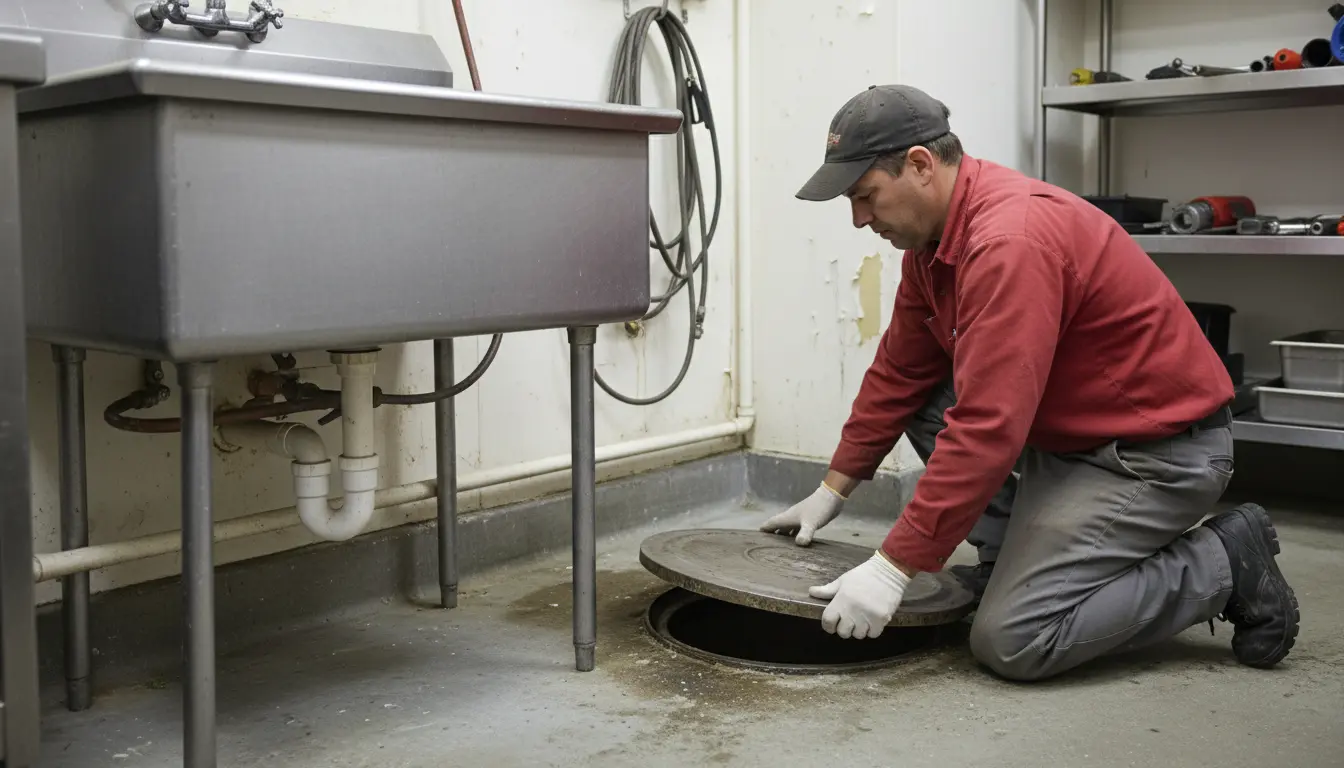
For restaurant owners and food service operators in Burbank, proper grease interceptor maintenance is not just a best practice-it's a strict municipal requirement. The City of Burbank enforces specific regulations to protect its sewer infrastructure from fats, oils, and grease (FOG), which can cause costly blockages and environmental damage. Compliance involves regular, documented cleaning by licensed professionals, adherence to specific capacity rules, and understanding the local enforcement landscape managed by the Public Works Department. Neglecting these duties can lead to significant fines and operational disruptions, making a proactive maintenance strategy essential for any food service establishment (FSE).
Roto-Rooter Plumbing & Water Cleanup
241 E Colorado Blvd #202, Pasadena, CA 91101
Roto-Rooter Plumbing & Water Cleanup provides comprehensive residential and commercial plumbing services in Los Angeles, CA. They specialize in a wide range of plumbing solutions including grease trap cleaning, sewer line repairs, water heater installation and repair, and emergency floodwater cleanup. The company is equipped with advanced tools such as hydro-jetting equipment to handle complex plumbing issues efficiently. Serving the Pasadena area and surrounding communities, Roto-Rooter offers 24/7 emergency plumbing services throughout the year to address urgent plumbing needs. They are fully licensed and insured, focusing on both routine maintenance and emergency repairs.
Roto-Rooter Plumbing & Water Cleanup
110 N Maclay Ave Suite 110, San Fernando, CA 91340
Roto-Rooter Plumbing & Water Cleanup provides comprehensive plumbing services in Los Angeles, CA, specializing in both residential and commercial plumbing needs. Their offerings include floodwater cleanup, sewer and drain cleaning, faucet and toilet repairs, water heater installation and maintenance, grease trap cleaning, and sewer line repair and replacement. They use advanced techniques such as hydro-jetting and trenchless excavation to address plumbing challenges efficiently. Serving the San Fernando Valley and surrounding communities, Roto-Rooter has extensive knowledge of local plumbing infrastructure and environmental factors. The company operates a 24/7 emergency service line to handle urgent plumbing issues at any time.
Roto-Rooter Plumbing & Water Cleanup
5900 S Eastern Ave #137, Commerce, CA 90040
Roto-Rooter Plumbing & Water Cleanup provides comprehensive plumbing services in Los Angeles, CA, specializing in both residential and commercial plumbing needs. Their offerings include drain cleaning, sewer line repair and replacement, grease trap maintenance, water heater installation and repair, and floodwater cleanup. They utilize advanced equipment such as video camera inspections and hydro-jetting to address plumbing issues efficiently. Serving a wide range of communities in Los Angeles County, Roto-Rooter also offers 24/7 emergency plumbing services to promptly handle urgent situations.
Roto-Rooter Plumbing & Water Cleanup
10233 Topanga Canyon Blvd, Chatsworth, CA 91311
Roto-Rooter Plumbing & Water Cleanup provides a wide range of residential and commercial plumbing services in Los Angeles, CA. Their offerings include grease trap cleaning, sewer and drain cleaning, water heater repair and installation, mold remediation, and emergency flood services. The company is equipped with advanced tools like high-pressure water jetting and HD inspection cameras to handle complex plumbing issues, including no-dig sewer line repairs. With a history dating back to the invention of the original Roto-Rooter electric drain snake in 1935, they bring decades of expertise to the local community. They also offer 24/7 emergency plumbing services to address urgent problems at any time.
Roto-Rooter Plumbing & Water Cleanup
554 S San Vicente Blvd Ste 208, Los Angeles, CA 90048
Roto-Rooter Plumbing & Water Cleanup offers a wide range of plumbing services in Los Angeles, CA, including floodwater cleanup, sewer and drain cleaning, faucet and toilet repairs, water heater services, and grease trap maintenance. They serve both residential and commercial clients, addressing unique plumbing challenges in the area with specialized tools and expertise. Established in 1935, Roto-Rooter is known for its advanced drain cleaning technology, including high-pressure water jetting (hydro-jetting). The company provides 24/7 emergency plumbing services to handle urgent issues like burst pipes and sewer backups promptly.
Understanding Burbank's Grease Interceptor Regulations
The cornerstone of Burbank's approach is its Sewer System Management Plan (SSMP), which incorporates regulations found in the Burbank Municipal Code (BMC Title 8.1). These rules are designed to prevent sewer overflows and are enforced with more rigor than many business owners initially expect. Unlike health department inspections, which focus on food safety, the city's sewer compliance officers look specifically at your grease management system's installation, accessibility, and maintenance records.
A key mandate is that all Food Service Establishments must have an approved and adequately sized grease interceptor or trap. The type of interceptor matters; Burbank, like many California cities, often prefers mechanical grease interceptors over hydro-mechanical units because they are generally more effective at separating and retaining FOG 1. The interceptor must also be "readily accessible" for service, meaning pump trucks or technicians can reach it without obstruction. If your current setup is buried or blocked, you may need to modify it to avoid violations.
Mandatory Cleaning Frequency and Standards
Simply having a grease trap isn't enough. Burbank sets clear, non-negotiable standards for when it must be cleaned. The primary rule is that interceptors must be pumped out when the combined volume of FOG and settled solids reaches 25% of the total liquid depth of the unit 2. This is a critical performance metric designed to ensure the trap continues to function effectively before it becomes overwhelmed.
Because monitoring the exact 25% level can be challenging, the city also sets a maximum time interval. For most establishments, cleaning is required at a minimum of every six months, if not more frequently 3 4. The rule is whichever comes first: hitting the 25% capacity or reaching the six-month mark. High-volume kitchens, such as those in busy restaurants or large cafeterias, will almost certainly need service on a monthly or bi-weekly schedule to stay within compliance and avoid emergency situations.
The Cost of Compliance vs. Non-Compliance
Investing in regular grease trap maintenance is far more economical than facing the consequences of neglect. Service costs in Burbank vary based on the size of your interceptor, its accessibility, and the amount of FOG and solids present.
- Routine Maintenance Cleaning: For a standard, scheduled service, restaurants can expect to pay between $175 and $475+ per cleaning. This is the cost-effective path, ensuring consistent compliance and optimal interceptor performance.
- High-Frequency Service: Kitchens with heavy grease output may opt for bi-weekly or monthly service contracts, which can help manage costs predictably and prevent buildup.
- Emergency Service: This is where costs skyrocket. If a trap overflows, causes a backup, or triggers a city violation requiring immediate action, emergency pump-out and cleaning can cost $800 to $1,200 or more 5 6. The premium is due to the urgent, unscheduled nature of the work.
The financial stakes of non-compliance are even higher. The City of Burbank can levy significant fines for violations, which may escalate for repeat offenses 7. In severe cases, the city has the authority to suspend a business's license until the issue is resolved 7. Furthermore, if FOG from your establishment causes a sewer line blockage or sanitary sewer overflow, you could be held liable for the city's cleanup and repair costs, which can amount to tens of thousands of dollars.
Find the perfect grease trap cleaning companies for your needs
Get personalized recommendations and expert advice
Documentation and Proof of Service
In Burbank, if it isn't documented, it didn't happen. Maintaining detailed records is a critical part of your compliance responsibility. Every time your grease interceptor is serviced, the licensed hauler must provide you with a detailed service manifest or receipt. This document is your proof of compliance and must be kept on-site for inspection.
A proper manifest should include:
- Business name and address.
- Date and time of service.
- Name and license number of the service provider.
- Volume of waste removed (in gallons).
- Disposal location (the approved rendering plant or wastewater facility).
- Signature of the service technician.
City inspectors can request these records at any time. Failure to produce them can result in a violation just as if the cleaning never occurred. Implementing a simple filing system-whether digital or physical-for these manifests is a crucial administrative task for restaurant managers.
Choosing a Service Provider in Burbank
Not all pump-out services are equal. To ensure your maintenance meets city standards, it's vital to hire the right professionals.
- Verify Licensing and Insurance: Always work with a provider that is fully licensed, insured, and permitted to handle grease waste in Los Angeles County. They should be familiar with the specific disposal facilities that accept FOG from Burbank.
- Seek Local Code Expertise: The best providers are those who proactively understand the Burbank Municipal Code and the city's SSMP requirements 8. They can help you interpret the rules, recommend an appropriate service schedule, and ensure their work passes inspection.
- Get a Scheduled Maintenance Plan: The most cost-effective and compliant strategy is to establish a regular pumping schedule. A reputable provider will assess your kitchen's output and interceptor size to recommend a frequency-be it monthly, quarterly, or semi-annually-that keeps you well within the 25% rule 9 10.
- Consider Full-Service Partners: Some companies offer more than just pumping. They can assist with installation, repairs, and even help you navigate the permit process if you need to upgrade or replace an existing non-compliant interceptor 11.
Proactive Steps for Burbank Restaurant Owners
Staying ahead of grease trap issues is the key to smooth operations. Here is a quick action list:
- Locate and Inspect Your Interceptor: Know where it is, ensure it's accessible, and check its general condition.
- Review Your Service History: Gather past manifests. If you don't have a regular schedule or your last service was over six months ago, it's time to call a provider.
- Educate Your Kitchen Staff: Simple practices like using sink strainers, scraping plates before washing, and avoiding pouring grease down drains can dramatically reduce the load on your interceptor, extending time between services and reducing costs.
- Schedule a Compliance Check: Have a licensed professional inspect your system. They can measure FOG buildup, assess if your interceptor is correctly sized for your current volume, and provide a written report.
By integrating these practices, you transform grease trap maintenance from a reactive, costly headache into a managed, predictable part of your business operations, ensuring you remain in good standing with the City of Burbank.
Frequently asked questions
Sources
Footnotes
-
California Health and Safety Code § 114201 (2024) - Justia Law - https://law.justia.com/codes/california/code-hsc/division-104/part-7/chapter-7/article-2/section-114201/ ↩
-
Grease Trap Restaurant: The Essential Guide - https://therestaurantwarehouse.com/blogs/restaurant-equipment/grease-trap-restaurant-guide ↩
-
City of Burbank Sewer System Management Plan Update - https://www.burbankca.gov/documents/174714/1057471/BurbankSSMPUpdateJuly14202.pdf/ddd42202-1f2e-e3f4-9100-f50eb6d2e52e?t=1618363811222 ↩
-
12.20.220. Grease trap requirements. - https://codelibrary.amlegal.com/codes/fullerton/latest/fullerton_ca/0-0-0-18563 ↩
-
Restaurant Grease Trap & Interceptor Cleaning Cost - https://greasemanagement.org/pricing.html ↩
-
Commercial Grease Trap Cleaning Services in Bay Area - https://powerplumbingusa.com/commercial/grease-trap-cleaning/ ↩
-
Grease Trap Cleaning For California Restaurants - https://cacciaplumbing.com/blog/grease-trap-cleaning-california-restaurants/ ↩ ↩2
-
Grease Traps for Restaurants: The Essential Guide - https://therestaurantwarehouse.com/blogs/restaurant-equipment/grease-trap-for-restaurant-guide ↩
-
Ultimate Grease Trap Pumping Cost Guide: Essential Money-Saving ... - https://www.texwaywastewater.com/grease-trap-pumping-cost/ ↩
-
Grease Trap Regulations and Compliance: What You Need to Know - https://www.texwaywastewater.com/grease-trap-regulations-and-compliance/ ↩
-
#1 Grease Trap INSTALLATION Burbank | Restaurant Grease ... - https://greasemanagement.org/installationburbank.html ↩