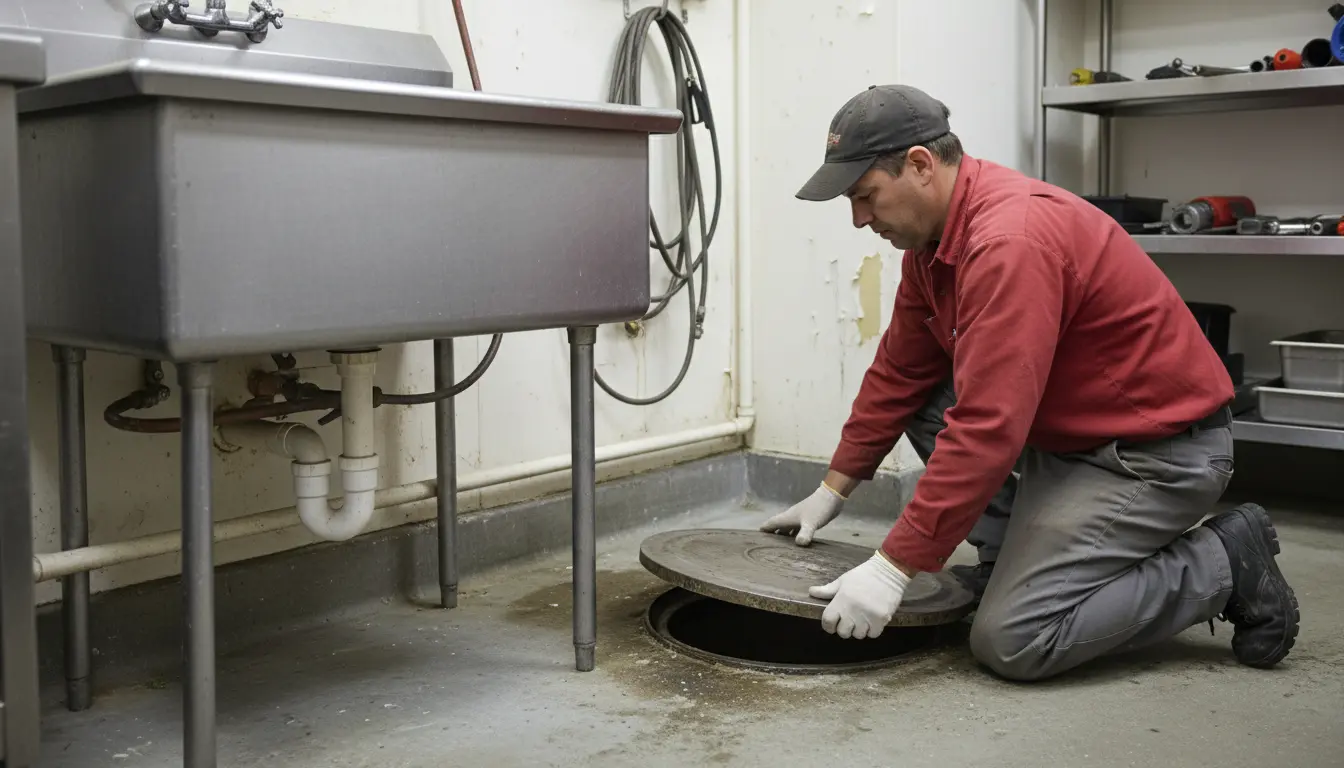
Find the Best Grease Trap Cleaning Companies for Your Business
No obligation • Fast responses • Nationwide coverage

Why you can trust Restaurant Waste Disposal
Restaurant Waste Disposal is a leading U.S. resource for comparing restaurant composting, food-waste recycling, grease trap cleaning, and used cooking oil collection services. Our editorial team researches providers, checks credentials, and organizes unbiased information so operators can make informed decisions. Companies cannot pay to change ratings or placement.
Search providers near you
Top Grease Trap Cleaning Companies in Brentwood, California Ranked
For restaurant operators in Brentwood, managing fats, oils, and grease (FOG) is a critical operational and regulatory responsibility. Effective grease trap maintenance is not just about preventing clogs; it's a key component of the city's FOG program designed to protect the local sewer system from blockages and costly overflows. Compliance hinges on understanding specific local rules, such as the mandatory 25% capacity rule, and partnering with licensed haulers for proper waste disposal. Proactive service helps avoid significant fines and ensures your kitchen runs smoothly without the risk of disruptive and expensive emergency cleanings.
Roto-Rooter Plumbing & Water Cleanup
1780 Whipple Rd Ste 203G, Union City, CA 94587
Roto-Rooter Plumbing & Water Cleanup provides comprehensive plumbing and water cleanup services in San Jose, CA. They serve both residential and commercial clients, offering a wide range of solutions including grease trap cleaning, sewer and drain cleaning, water heater repair and installation, and emergency flood services. The company uses advanced plumbing technology and equipment to handle complex plumbing systems and offers 24/7 emergency plumbing support to address urgent issues such as burst pipes and sewer backups. Roto-Rooter is licensed and insured, serving the local community with expertise and a commitment to compliance with local codes.
Roto-Rooter Plumbing & Water Cleanup
95 W 11th St #204A, Tracy, CA 95376
Roto-Rooter Plumbing & Water Cleanup provides a wide range of plumbing services in Tracy, CA, including residential and commercial plumbing, sewer and drain cleaning, water heater repair, and grease trap maintenance. The company is experienced in handling local plumbing challenges and codes, offering specialized services such as hydro-jetting and no-dig sewer line replacement. Established in 1935, Roto-Rooter has a long history of plumbing expertise and offers 24/7 emergency plumbing services to address urgent issues like burst pipes and sewer backups.
Roto-Rooter Plumbing & Water Cleanup
1210 Central Blvd Ste 123, Brentwood, CA 94513
Roto-Rooter Plumbing & Water Cleanup provides comprehensive plumbing and water cleanup services in Antioch, CA. Their offerings cover residential and commercial plumbing needs, including grease trap cleaning, sewer line repairs, water heater installation and repair, floodwater cleanup, and mold remediation. The company is equipped with advanced tools like hydro-jetting for drain cleaning and offers 24/7 emergency plumbing services to address urgent issues such as burst pipes and sewer backups. Serving Antioch and surrounding areas, Roto-Rooter is experienced in handling complex plumbing systems and environmental factors affecting local infrastructure.
Roto-Rooter Plumbing & Water Cleanup
1130 N Broadway Ste 200C, Walnut Creek, CA 94596
Roto-Rooter Plumbing & Water Cleanup provides comprehensive plumbing services in Oakland, CA, covering residential and commercial needs. Their offerings include drain cleaning, sewer line repair and replacement, grease trap cleaning, water heater installation and repair, floodwater cleanup, and mold remediation. The company is equipped to handle complex commercial plumbing systems and offers specialized services such as hydro-jetting and trenchless sewer line repairs. Roto-Rooter serves the Oakland area and surrounding counties with 24/7 emergency plumbing availability to address urgent issues any time of day or night.
Roto-Rooter Plumbing & Water Cleanup
41111 Mission Blvd Ste 202, Fremont, CA 94539
Roto-Rooter Plumbing & Water Cleanup is a plumbing company serving San Jose, CA, and nearby communities including Fremont, Sunol, Pleasanton, Milpitas, and Warm Springs. They provide a wide range of plumbing services for residential and commercial clients, including drain cleaning, water heater repair, emergency plumbing, and grease trap cleaning. The company offers 24/7 emergency plumbing services and uses advanced equipment such as high-pressure water jetting (hydro-jetting) for effective drain maintenance. Established in 1935, Roto-Rooter has a long history of serving customers with professional plumbing solutions.
Understanding Brentwood's FOG Compliance Rules
The City of Brentwood enforces clear regulations for grease interceptor maintenance to safeguard its wastewater infrastructure. At the core of these rules is a performance-based standard that requires consistent attention from food service establishments.
The 25% Capacity Rule The primary regulation mandates that the combined volume of grease and solids in your trap must never exceed 25% of the unit's total liquid capacity. This isn't a suggestion-it's a strict limit. Your establishment is responsible for ensuring pumping occurs before this threshold is reached. While the city sets a baseline requirement of service at least every three months, if your kitchen's output causes the trap to hit 25% capacity sooner, you must schedule service more frequently. Some businesses with very low FOG production may apply for a variance, but this is not the norm for most active restaurants.
Mandatory Documentation and Record-Keeping Proper documentation is a pillar of compliance. You must maintain detailed records of every grease trap pumping service. These records should include the date of service, the name and license number of the hauler, the volume of waste removed, and the disposal method or receiving facility. Keeping these logs on-site and readily available for city inspectors is essential. Good records not only demonstrate compliance but also help you track your establishment's FOG output patterns, allowing for better service scheduling and cost management.
How Inspections and Enforcement Work
Brentwood's Public Works Department administers the FOG program with a focus on preventing problems before they occur. Understanding their approach can help you prepare and stay in good standing.
Risk-Based Inspection Schedules The city likely employs a risk-based inspection model. This means establishments considered higher risk-such as those serving high volumes of fried or oily foods, or those with a history of compliance issues-may be subject to more frequent inspections. During an inspection, an official will check your grease interceptor, review your maintenance logs, and ensure your trap is operating within the 25% capacity limit. They may also evaluate your kitchen practices to see if source control measures (like using drain screens and dry-wiping pots) are in place.
Consequences of Non-Compliance Failing to adhere to the regulations can lead to serious consequences. Initial violations typically result in notices and orders to correct the issue within a specified timeframe. Persistent non-compliance, however, can escalate to significant financial penalties and, in severe cases, affect your business license. More immediately, neglecting regular maintenance is the fastest way to cause a sewer backup or blockage, which can lead to service interruptions, health code violations, and extremely costly emergency remediation billed by the city or a service provider.
Cost Factors for Grease Interceptor Service
The price for routine grease trap pumping in Brentwood is not a flat fee; it varies based on several key factors related to your specific operation. Knowing what influences cost can help you budget effectively and identify potential savings.
Trap Size, Type, and Location A small, indoor grease interceptor under a three-compartment sink will cost significantly less to service ($120-$200) than a large, concrete vault-style interceptor buried outdoors ($300-$385+). Outdoor interceptors often require more labor, specialized equipment like vacuum trucks, and pose greater access challenges. The physical location of the trap on your property can also affect the price, with easily accessible traps costing less than those in confined or difficult-to-reach spaces.
Your Kitchen's Operational Profile What you cook directly impacts how quickly your trap fills. A pizza shop, burger joint, or fried chicken restaurant produces high amounts of FOG, necessitating more frequent-and therefore more cumulatively costly-service. Conversely, a café or sandwich shop with less oily waste may extend time between pump-outs. Your kitchen staff's practices are equally important. Pre-scraping plates, using sink strainers, and dry-wiping fryer baskets before washing can dramatically reduce the FOG load entering the trap, potentially reducing service frequency.
Find the perfect grease trap cleaning companies for your needs
Get personalized recommendations and expert advice
The High Price of Emergency Service
One of the most compelling reasons for proactive maintenance is avoiding emergency call-outs. A grease trap at 100% capacity or one causing a backup is a crisis. Emergency service calls often come with premium rates, sometimes exceeding $800, depending on the time of day and severity of the blockage. Furthermore, if a blockage causes a spill or sewer overflow, your business could be liable for city cleanup costs and environmental fines that dwarf the price of routine maintenance. Investing in regular, scheduled service is ultimately a financial safeguard.
Selecting a Licensed Service Provider
Choosing the right partner for grease trap cleaning is a critical business decision. In Brentwood, you must use a licensed liquid waste hauler. These professionals are registered to collect, transport, and dispose of FOG waste at approved facilities, ensuring you remain in compliance with disposal regulations.
What to Look for in a Service Provider Beyond a valid license, seek a provider with a strong reputation for reliability and clear communication. They should provide detailed service reports after each pump-out, noting the starting and ending levels of grease and solids. This documentation is your proof of compliance. Ask about their disposal practices to ensure they are environmentally responsible. A good provider will also offer insights into your trap's condition and may advise on optimal service intervals based on their observations, helping you optimize your schedule and costs.
The Value of a Service Agreement Many providers offer service agreements or scheduled maintenance contracts. These can provide peace of mind by locking in a regular schedule and potentially a fixed price, protecting you from rate increases. A contract ensures you are never forgotten on the service list and helps you build a long-term compliance record, which is favorable during city inspections.
Best Practices for In-House FOG Management
While professional pumping is mandatory, what happens in your kitchen every day plays a huge role in the efficiency and cost of your FOG control.
Implement Source Control Measures Train your staff on simple, effective practices: scrape all food scraps into compost or trash bins before dishwashing, use baskets or strainers in all sink drains, and collect used fryer oil in dedicated containers for recycling-never pour it down the drain. Wiping down cookware with a paper towel before washing can remove a substantial amount of grease at its source.
Know Your System and Monitor It Understand the type and capacity of your grease interceptor. Periodically check the inspection port (if safe and accessible) to visually monitor grease and solid buildup. This hands-on awareness, combined with your service records, will give you an intuitive sense of when the next pumping is due, preventing surprises and ensuring you never inadvertently violate the 25% rule.