Find the Best Grease Trap Cleaning Companies for Your Business
No obligation • Fast responses • Nationwide coverage

Why you can trust Restaurant Waste Disposal
Restaurant Waste Disposal is a leading U.S. resource for comparing restaurant composting, food-waste recycling, grease trap cleaning, and used cooking oil collection services. Our editorial team researches providers, checks credentials, and organizes unbiased information so operators can make informed decisions. Companies cannot pay to change ratings or placement.
Search providers near you
Top Grease Trap Cleaning Companies in Berkeley, California Ranked
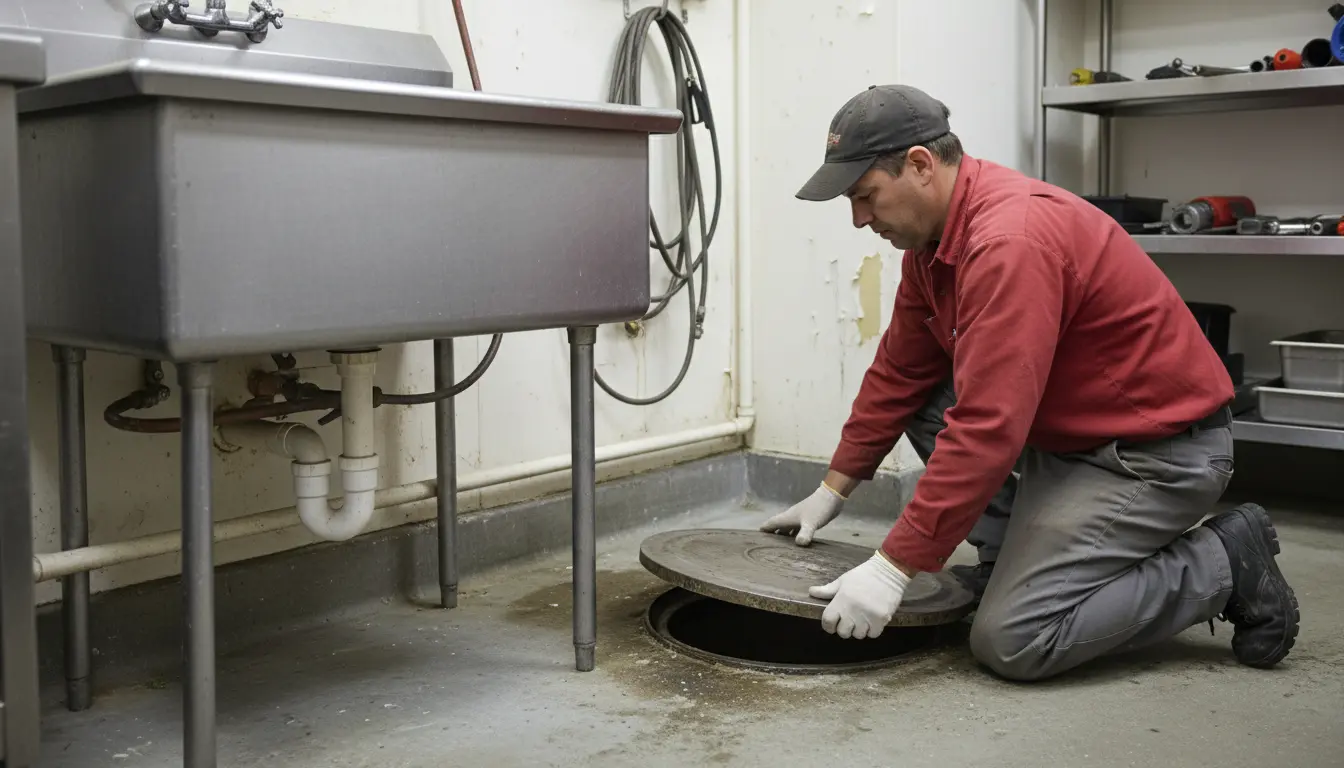
For restaurant owners and food service operators in Berkeley, maintaining a clean and compliant grease interceptor system is a critical operational and environmental responsibility. The City of Berkeley enforces specific regulations through its stormwater program to prevent fats, oils, and grease (FOG) from entering the municipal sewer system, which can cause costly blockages and environmental harm. Proper grease trap or interceptor maintenance is not just a best practice-it's a codified requirement with defined service frequencies, documentation standards, and inspection protocols. This guide outlines the local rules, typical service schedules, and key considerations for managing this essential facility maintenance task in compliance with Berkeley's environmental health standards.
Roto-Rooter Plumbing & Water Cleanup
1780 Whipple Rd Ste 203G, Union City, CA 94587
Roto-Rooter Plumbing & Water Cleanup provides comprehensive plumbing and water cleanup services in San Jose, CA. They serve both residential and commercial clients, offering a wide range of solutions including grease trap cleaning, sewer and drain cleaning, water heater repair and installation, and emergency flood services. The company uses advanced plumbing technology and equipment to handle complex plumbing systems and offers 24/7 emergency plumbing support to address urgent issues such as burst pipes and sewer backups. Roto-Rooter is licensed and insured, serving the local community with expertise and a commitment to compliance with local codes.
Caccia Home Services
1660 Gilbreth Rd, Burlingame, CA 94010
Caccia Home Services is a plumbing and home services provider based in San Mateo, CA. They offer a wide range of services including grease trap cleaning, hydro jetting, sewer line repair, water treatment, and emergency plumbing. Their capabilities include trenchless sewer services and installation and maintenance of water heaters, including tankless and heat pump models. The company also provides electrical services such as EV charger installation and lighting upgrades. Caccia Home Services is known to respond to emergency plumbing needs.
Roto-Rooter Plumbing & Water Cleanup
1130 N Broadway Ste 200C, Walnut Creek, CA 94596
Roto-Rooter Plumbing & Water Cleanup provides comprehensive plumbing services in Oakland, CA, covering residential and commercial needs. Their offerings include drain cleaning, sewer line repair and replacement, grease trap cleaning, water heater installation and repair, floodwater cleanup, and mold remediation. The company is equipped to handle complex commercial plumbing systems and offers specialized services such as hydro-jetting and trenchless sewer line repairs. Roto-Rooter serves the Oakland area and surrounding counties with 24/7 emergency plumbing availability to address urgent issues any time of day or night.
Roto-Rooter Plumbing & Water Cleanup
41111 Mission Blvd Ste 202, Fremont, CA 94539
Roto-Rooter Plumbing & Water Cleanup is a plumbing company serving San Jose, CA, and nearby communities including Fremont, Sunol, Pleasanton, Milpitas, and Warm Springs. They provide a wide range of plumbing services for residential and commercial clients, including drain cleaning, water heater repair, emergency plumbing, and grease trap cleaning. The company offers 24/7 emergency plumbing services and uses advanced equipment such as high-pressure water jetting (hydro-jetting) for effective drain maintenance. Established in 1935, Roto-Rooter has a long history of serving customers with professional plumbing solutions.
Roto-Rooter Plumbing & Water Cleanup
1070 Marina Village Pkwy UNIT 202, Alameda, CA 94501
Roto-Rooter Plumbing & Water Cleanup provides comprehensive plumbing and water cleanup services in Oakland, CA. They serve both residential and commercial clients with a wide range of solutions including sewer and drain cleaning, water heater repair and installation, grease trap maintenance, and floodwater cleanup. The company uses specialized equipment such as hydro-jetting for effective drain cleaning and sewer line maintenance. Roto-Rooter offers 24/7 emergency plumbing services to address urgent issues like burst pipes and sewer backups. They serve Alameda and surrounding counties, bringing extensive experience to local plumbing challenges.
Understanding Berkeley's Grease Interceptor Regulations
Berkeley's regulations are designed to protect the city's sewer infrastructure and local waterways. The rules fall under the jurisdiction of the City of Berkeley Environmental Health Division and are part of broader stormwater pollution prevention efforts 1. At the core of these regulations is a performance standard: grease interceptors must be pumped and cleaned when the combined layer of FOG and settled solids reaches 25% of the interceptor's liquid depth 2. However, the city also sets a minimum baseline frequency, requiring all food service facilities to have their interceptors serviced at least once every six months. Many establishments, especially those with higher volume kitchens, will need service far more frequently to stay within the 25% rule and avoid violations.
The Role of Inspections and Enforcement
Compliance is verified through inspections. Food service facilities in Berkeley can expect stormwater compliance inspections, which include a review of grease interceptor maintenance, approximately every three years. During an inspection, environmental health officials will check the physical condition of the interceptor and, crucially, review your maintenance records. Failure to comply with pumping requirements or to provide proper documentation can result in fines and other penalties. This proactive enforcement underscores the importance of a consistent and well-documented maintenance program.
Determining Your Service Frequency
While the six-month rule is the absolute minimum, your actual required pumping schedule is determined by your kitchen's output. The volume of wastewater containing fats, oils, and grease directly impacts how quickly your interceptor reaches capacity. Here's a general guide based on kitchen type:
- High-Volume Kitchens (e.g., Fast Food, Large Cafeterias, Food Trucks with Busy Hubs): These establishments typically require the most frequent service, ranging from weekly to bi-weekly pumping.
- Typical Full-Service Restaurants & Moderate-Volume Eateries: Most sit-down restaurants fall into this category, with a common service interval of monthly to every 90 days (quarterly).
- Lower-Volume Operations (e.g., Small Cafes, Bakeries, Pizzerias): Facilities with simpler menus and less grease production may be able to adhere to the minimum 90-day to 6-month schedule, but must still monitor levels to ensure they do not exceed the 25% threshold 3 4.
The only way to know your optimal schedule is to work with a professional service provider who can assess your interceptor's fill rate during initial services and recommend a compliant frequency.
Choosing a Service Provider and Understanding Costs
You must use a licensed, professional grease hauler for pumping and cleaning services. These providers are equipped to handle the waste properly and will supply you with the necessary documentation, often in digital form, for your records. When selecting a provider in the Bay Area, look for companies with experience serving Berkeley businesses and a clear understanding of local codes.
Service costs can vary based on several factors, including the size and location of your grease trap or interceptor, the volume of waste to be removed, and your chosen service frequency. For a standard service in the Berkeley area, you can generally expect prices to range from approximately $120 to $385 or more per pumping 5 6 7. Many providers offer contract pricing for regular scheduled service, which can provide cost predictability and ensure you never miss a required cleaning.
Find the perfect grease trap cleaning companies for your needs
Get personalized recommendations and expert advice
Best Management Practices (BMPs) for FOG Control
Beyond regular pumping, Berkeley's environmental regulations require food businesses to implement broader Best Management Practices to control pollutants 8. These practices help reduce the load on your grease interceptor and minimize the risk of spills or drain issues. Key BMPs include:
- Scraping Plates and Cookware: Food solids should be scraped into the trash or compost before washing.
- Using Drain Screens: Installing screens in sink drains to catch food particles.
- Dry Cleanup Practices: Wiping down cookware with paper towels before rinsing and using absorbent materials for floor spills instead of hosing them into a drain.
- Proper Dumpster Management: Keeping dumpster lids closed and the area clean to prevent polluted runoff.
- Staff Training: Educating all kitchen staff on proper FOG disposal techniques is essential for an effective program.
Documentation: Your Proof of Compliance
Maintaining detailed records is a non-negotiable part of Berkeley's grease interceptor requirements 9. After each service, your hauler should provide a service report or manifest. You must keep these records on file and readily available for inspectors. A complete record should include:
- Date of service
- Company name and license information of the hauler
- Interceptor location and size
- Volume of grease and solids removed
- Disposal method or destination
- Signature of the service technician
Digital logs or a dedicated physical binder are excellent ways to organize this information. Thorough documentation not only proves compliance but also helps you track your interceptor's performance over time.
Getting Started and Local Resources
If you are opening a new food service business or need to ensure your existing operation is compliant, your first point of contact should be the City of Berkeley Environmental Health Division. They can provide specific local guidance and clarify any code questions. Additionally, the Alameda Countywide Clean Water Program offers resources and information on stormwater pollution prevention for businesses.
When you're ready to establish service, seek estimates from several licensed grease trap cleaning providers in the Bay Area. Discuss your kitchen's specifics, ask about their documentation process, and ensure they are familiar with Berkeley's 25% rule and inspection expectations. A reliable provider acts as a partner in your compliance efforts, helping you avoid penalties and protect the local environment.
Frequently asked questions
Sources
Footnotes
-
Food Safety and Inspection Program - The City of Berkeley - https://berkeleyca.gov/doing-business/operating-berkeley/food-service/food-safety-and-inspection-program ↩
-
12.20.220. Grease trap requirements. - https://codelibrary.amlegal.com/codes/fullerton/latest/fullerton_ca/0-0-0-18563 ↩
-
San Francisco Grease Trap Cleaning: Facilities Maintenance Blueprint - https://www.myshyft.com/blog/grease-trap-cleaning-san-francisco-california/ ↩
-
Commercial Grease Trap Cleaning Services in Bay Area - https://powerplumbingusa.com/commercial/grease-trap-cleaning/ ↩
-
Environmental Regulations for Food Businesses - https://berkeleyca.gov/sites/default/files/2022-01/Food-Business-Environmental-Regulations.pdf ↩
-
Grease Trap Pumping San Francisco - North Bay Restaurant Services - https://northbayrestaurantservices.com/grease-trap-pumping-san-francisco/ ↩
-
Grease Trap Cleaning Prices | Guide on the Industry Average - https://grease-cycle.com/grease-trap-pumping-cost/ ↩
-
Fats, Oils and Grease (FOG) Management & Control Program - https://www.waterboards.ca.gov/rwqcb7/water_issues/programs/pretreatment/docs/intro_fog_inspections.pdf ↩
-
Grease Trap Cleaning For California Restaurants - https://cacciaplumbing.com/blog/grease-trap-cleaning-california-restaurants/ ↩