Find the Best Grease Trap Cleaning Companies for Your Business
No obligation • Fast responses • Nationwide coverage

Why you can trust Restaurant Waste Disposal
Restaurant Waste Disposal is a leading U.S. resource for comparing restaurant composting, food-waste recycling, grease trap cleaning, and used cooking oil collection services. Our editorial team researches providers, checks credentials, and organizes unbiased information so operators can make informed decisions. Companies cannot pay to change ratings or placement.
Search providers near you
Top Grease Trap Cleaning Companies in Arcadia, California Ranked
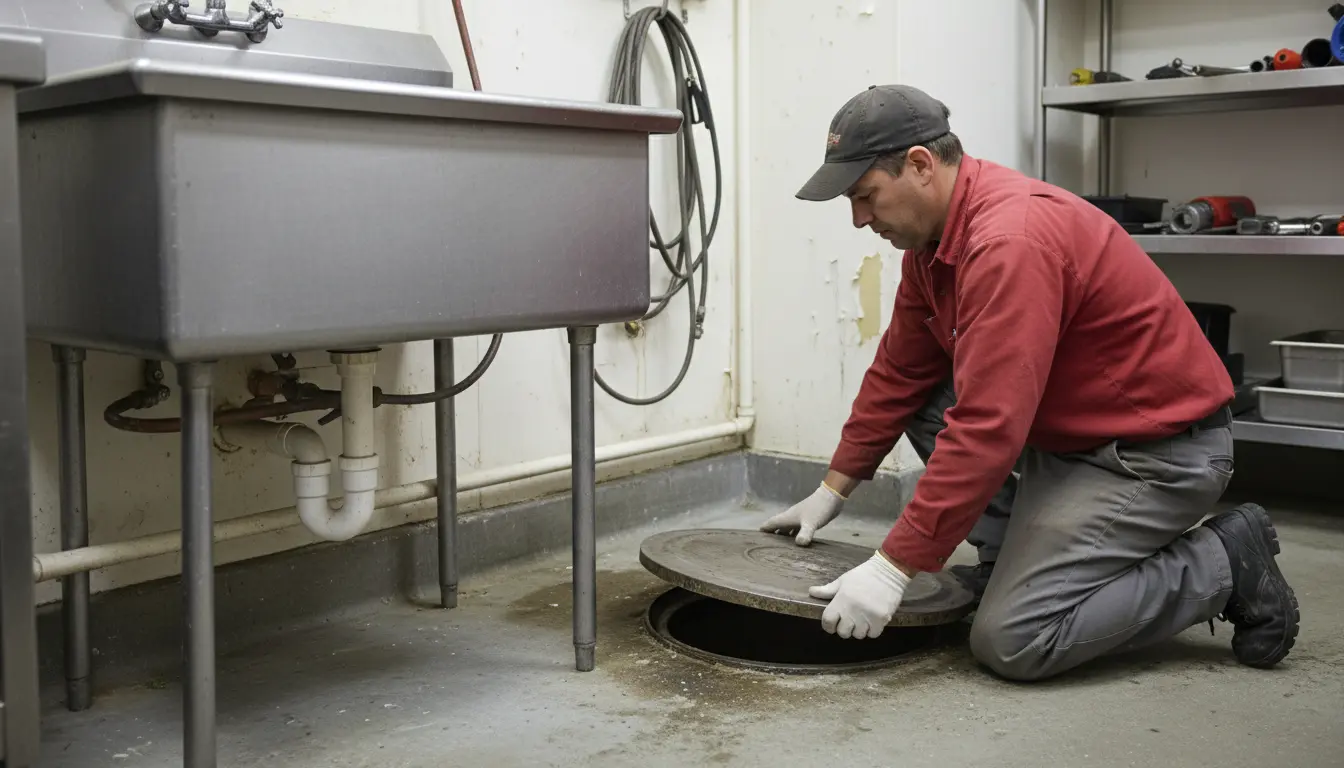
For restaurant owners and facility managers in Arcadia, maintaining a clean and compliant grease trap or interceptor is a critical operational and legal responsibility. These systems are essential for preventing fats, oils, and grease (FOG) from entering the public sewer system, where they can cause costly blockages and environmental damage. Arcadia businesses must adhere to stringent state and county regulations, which mandate regular pumping by licensed professionals, meticulous record-keeping, and specific maintenance schedules to avoid significant fines and operational disruptions. Understanding the local requirements for grease interceptor maintenance is key to running a smooth, compliant, and environmentally responsible food service establishment.
Roto-Rooter Plumbing & Water Cleanup
241 E Colorado Blvd #202, Pasadena, CA 91101
Roto-Rooter Plumbing & Water Cleanup provides comprehensive residential and commercial plumbing services in Los Angeles, CA. They specialize in a wide range of plumbing solutions including grease trap cleaning, sewer line repairs, water heater installation and repair, and emergency floodwater cleanup. The company is equipped with advanced tools such as hydro-jetting equipment to handle complex plumbing issues efficiently. Serving the Pasadena area and surrounding communities, Roto-Rooter offers 24/7 emergency plumbing services throughout the year to address urgent plumbing needs. They are fully licensed and insured, focusing on both routine maintenance and emergency repairs.
Roto-Rooter Plumbing & Water Cleanup
110 N Maclay Ave Suite 110, San Fernando, CA 91340
Roto-Rooter Plumbing & Water Cleanup provides comprehensive plumbing services in Los Angeles, CA, specializing in both residential and commercial plumbing needs. Their offerings include floodwater cleanup, sewer and drain cleaning, faucet and toilet repairs, water heater installation and maintenance, grease trap cleaning, and sewer line repair and replacement. They use advanced techniques such as hydro-jetting and trenchless excavation to address plumbing challenges efficiently. Serving the San Fernando Valley and surrounding communities, Roto-Rooter has extensive knowledge of local plumbing infrastructure and environmental factors. The company operates a 24/7 emergency service line to handle urgent plumbing issues at any time.
Roto-Rooter Plumbing & Water Cleanup
2050 W Chapman Ave #202, Orange, CA 92868
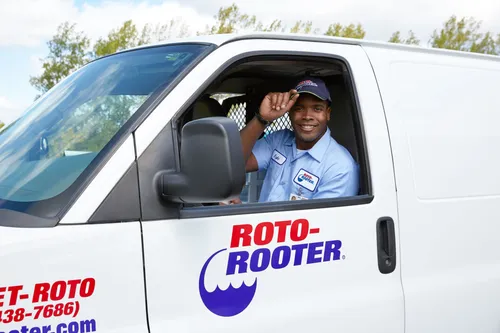
Roto-Rooter Plumbing & Water Cleanup offers a wide range of plumbing services in Los Angeles, CA, including grease trap cleaning, sewer and drain cleaning, water heater repair, and emergency flood cleanup. The company serves both residential and commercial clients, addressing issues from routine maintenance to urgent repairs. They utilize advanced tools such as HD inspection cameras and hydro-jetting to clear blockages and perform no-dig pipe replacements. Established with a legacy dating back to the invention of the original electric drain snake in 1935, Roto-Rooter provides 24/7 emergency plumbing services to handle urgent situations any time of day or night.
Roto-Rooter Plumbing & Water Cleanup
524 W Commonwealth Ave Ste P, Fullerton, CA 92833
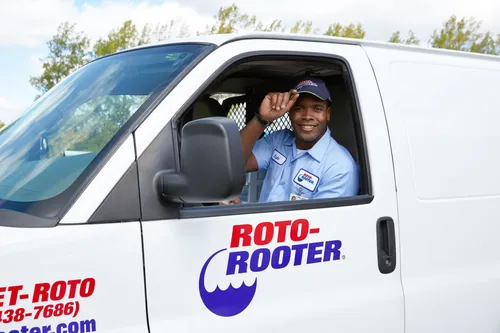
Roto-Rooter Plumbing & Water Cleanup provides comprehensive plumbing services in Los Angeles, CA, specializing in both residential and commercial plumbing needs. Their offerings include drain and sewer line cleaning, grease trap maintenance, water heater repair and installation, floodwater cleanup, mold remediation, and emergency plumbing services. The company is equipped with advanced tools such as high-definition inspection cameras and hydro-jetting equipment to handle complex plumbing challenges. Roto-Rooter has a long history dating back to 1935, known for pioneering innovations like the electric drain snake. They offer 24/7 emergency plumbing support to address urgent issues like burst pipes and sewer backups promptly.
Roto-Rooter Plumbing & Water Cleanup
5900 S Eastern Ave #137, Commerce, CA 90040
Roto-Rooter Plumbing & Water Cleanup provides comprehensive plumbing services in Los Angeles, CA, specializing in both residential and commercial plumbing needs. Their offerings include drain cleaning, sewer line repair and replacement, grease trap maintenance, water heater installation and repair, and floodwater cleanup. They utilize advanced equipment such as video camera inspections and hydro-jetting to address plumbing issues efficiently. Serving a wide range of communities in Los Angeles County, Roto-Rooter also offers 24/7 emergency plumbing services to promptly handle urgent situations.
Understanding Local Grease Trap Regulations
While Arcadia may have its own municipal codes, food service establishments primarily operate under the umbrella of California state law and Los Angeles County regulations. The cornerstone of these rules is the California Health and Safety Code § 114201, which explicitly requires that grease traps be maintained to prevent FOG from passing into the sewer system 1. Furthermore, the Los Angeles County Department of Public Works enforces a Fats, Oils, and Grease (FOG) Program with detailed guidelines for all commercial kitchens in its jurisdiction. Non-compliance can lead to enforcement actions, including fines and mandatory corrective measures.
Key Legal Requirements for Arcadia Restaurants
The regulations governing grease interceptor maintenance are designed for clarity and enforceability. Here are the core requirements every Arcadia food service operator must know:
- Licensed Service Providers: All grease trap pumping and cleaning must be performed by a licensed liquid waste hauler. Using unlicensed vendors can result in violations and may not provide the necessary documentation for inspections.
- Mandatory Record-Keeping: You are required to maintain detailed logs of every service event. These logs should include the date of service, the volume of waste removed, and the name of the servicing company. Receipts and manifests from the hauler must be kept on file and made available to inspectors upon request.
- Accessibility: Your grease interceptor must be easily accessible for cleaning, inspection, and maintenance. It should not be located in a food preparation area unless specifically approved under the local plumbing code 2.
- Proper Sizing: The minimum size of a grease interceptor is determined by the California Plumbing Code (CPC), which bases calculations on factors like fixture units and flow rates. For example, a standard restaurant typically requires a minimum 750-gallon interceptor 3. Ensuring your trap is correctly sized from the outset is crucial for effective operation and compliance.
Determining Your Pumping Schedule
One of the most common questions from restaurant managers is, "How often do I need to clean my grease trap?" The answer is not based on a fixed calendar date but on the condition of the interceptor itself.
The 25% Rule
The universal standard enforced in California and Los Angeles County is known as the "25% rule." Your grease trap must be pumped out when the combined depth of FOG and settled solids reaches 25% of the total liquid depth of the interceptor 4 5 6. Allowing accumulation to exceed this limit significantly reduces the trap's efficiency and is a direct violation of code.
Typical Service Frequencies
While the 25% rule is the legal trigger, most restaurants in Arcadia find that this translates to a pumping schedule of every 1 to 3 months. However, this is highly variable. Factors that influence frequency include:
- Volume of Cooking: High-volume kitchens, especially those frying foods regularly, will generate more FOG.
- Trap Size and Type: Smaller, under-sink grease traps fill much faster than large, outdoor concrete interceptors.
- Best Practices: Implementing kitchen best practices, like scraping plates before washing and using drain screens, can reduce FOG entering the trap and extend time between services.
The only way to know your optimal schedule is through consistent monitoring and working with your service provider to check accumulation levels during each visit 7.
Find the perfect grease trap cleaning companies for your needs
Get personalized recommendations and expert advice
Costs of Grease Trap Maintenance in Arcadia
The cost of keeping your grease interceptor compliant varies based on the size of your system, its location, and how well it is maintained. Proactive, regular service is always more cost-effective than emergency calls or dealing with violations.
Standard Pumping Services
For a typical restaurant with a standard, well-maintained indoor grease trap (ranging from 30 to 200 gallons), you can expect regular pumping costs to fall between $175 and $475 per service 8. This price generally includes pumping out the contents, cleaning the interior of the trap, and proper disposal of the waste at a licensed facility. Costs for larger, outdoor grease interceptors that service entire buildings can vary more widely, often structured on a monthly or quarterly service contract.
Emergency and Corrective Services
Neglecting regular maintenance leads to much higher expenses. If a trap overflows, causes a backup, or is found in violation during an inspection, emergency pumping services are required. These urgent calls can cost $800 to $1,200 or more per visit 9 10. Furthermore, severe blockages or neglect may require "rehabilitation" services, such as high-pressure jetting or even trap replacement, which represent the highest potential costs for a business owner.
Navigating Inspections and Enforcement
Environmental Compliance Inspectors from the relevant public works or environmental health department conduct inspections to ensure compliance with FOG regulations 11. Being prepared is the best strategy.
What to Expect During an Inspection
An inspector will typically request to see your grease trap maintenance records and receipts for the past 12-24 months. They will also visually inspect the interceptor itself, checking for proper accessibility, signs of overflow or leakage, and the current level of FOG and solids accumulation. They may also inspect kitchen areas to ensure best practices are being followed to minimize FOG discharge.
Maintaining Compliance and Avoiding Fines
The formula for avoiding penalties is straightforward:
- Contract with a licensed grease trap cleaning service.
- Pump your interceptor before FOG and solids exceed 25% of its depth.
- Document every service meticulously, keeping all paperwork organized and on-site.
- Train your kitchen staff on proper waste disposal practices to reduce the load on your interceptor.
By viewing grease trap maintenance as an essential, non-negotiable part of your restaurant's operations-similar to health department permits-you can avoid the stress and expense of enforcement actions.
Frequently asked questions
Sources
Footnotes
-
California Health and Safety Code § 114201 (2024) - Justia Law - https://law.justia.com/codes/california/code-hsc/division-104/part-7/chapter-7/article-2/section-114201/ ↩
-
12.20.220. Grease trap requirements. - https://codelibrary.amlegal.com/codes/fullerton/latest/fullerton_ca/0-0-0-18563 ↩
-
Trap pumping - https://phoenixpumping.com/grease-trap-maintenance/ ↩
-
Grease Trap Cleaning For California Restaurants - https://cacciaplumbing.com/blog/grease-trap-cleaning-california-restaurants/ ↩
-
How Often to Clean Restaurant Grease Traps in Los Angeles, CA - https://bakercommodities.com/blog/2025/01/23/la-laws-for-grease-recycling/ ↩
-
Purpose of Fats, Oils and Grease (FOG) Program: DEFINITIONS - http://pw.lacounty.gov/epd/industrial_waste/pdf/misc/restaurantpretreatmentguidelines.pdf ↩
-
FAQs • What is the pumping schedule for grease interceptor o - https://www.westminsterco.gov/FAQ.aspx?QID=302 ↩
-
Ultimate Grease Trap Pumping Cost Guide: Essential Money-Saving ... - https://www.texwaywastewater.com/grease-trap-pumping-cost/ ↩
-
Restaurant Grease Trap & Interceptor Cleaning Cost - https://greasemanagement.org/pricing.html ↩
-
Grease Trap Cleaning Prices | Guide on the Industry Average - https://grease-cycle.com/grease-trap-pumping-cost/ ↩
-
Chapter 18.08 GREASE TRAPS - General Code - https://www.codepublishing.com/CA/PacificGrove/html/PacificGrove18/PacificGrove1808.html ↩