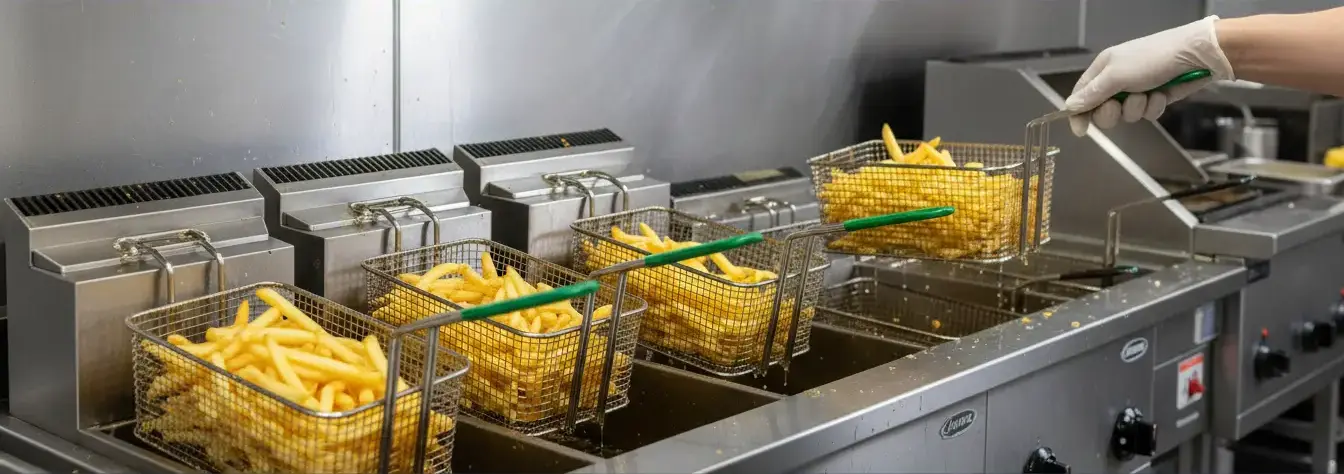
Find the Best Used Cooking Oil Collection Companies for Your Business
No obligation • Fast responses • Nationwide coverage

Why you can trust Restaurant Waste Disposal
Restaurant Waste Disposal is a leading U.S. resource for comparing restaurant composting, food-waste recycling, grease trap cleaning, and used cooking oil collection services. Our editorial team researches providers, checks credentials, and organizes unbiased information so operators can make informed decisions. Companies cannot pay to change ratings or placement.
Search providers near you
Top Used Cooking Oil Collection Companies in Los Angeles, California Ranked
For any restaurant, commercial kitchen, or food service establishment in Los Angeles, managing used cooking oil (UCO) is a critical operational and environmental responsibility. Proper collection and recycling of this waste stream is not just a best practice-it's a legal requirement with significant implications for your business's bottom line and compliance status. In a city with stringent environmental regulations, partnering with a licensed hauler ensures your used fryer oil is transformed from a liability into a valuable resource for biofuels like biodiesel and renewable diesel, supporting California's clean energy goals. This process helps you avoid severe fines, protects the municipal sewer system, and contributes to a more sustainable local economy.
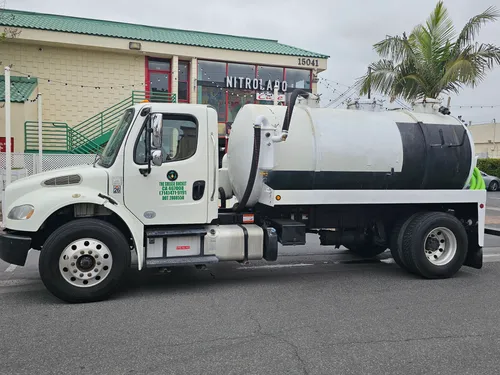
The Grease Bucket
Los Angeles, CA
The Grease Bucket provides grease trap cleaning and used cooking oil collection services in Los Angeles, CA. They serve restaurants across Orange County, Los Angeles, San Bernardino, and the Inland Empire area. The company schedules regular collection intervals to prevent overflows and maintains grease interceptors to avoid drain clogs and odors. They recycle used cooking oil into renewable resources, supporting environmental sustainability. The Grease Bucket has been serving customers for over six years and offers emergency pickups when needed during normal business hours.
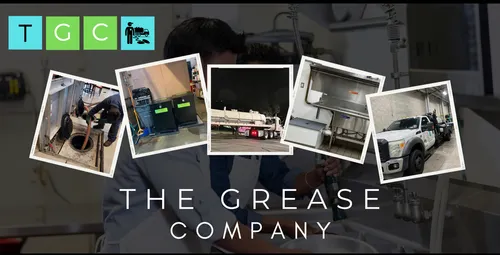
The Grease Company
Los Angeles, CA
The Grease Company provides grease trap cleaning, grease interceptor repair, used cooking oil collection, and commercial kitchen plumbing services in Los Angeles, CA. They serve a broad area including Orange, Riverside, San Bernardino, San Diego, Ventura, and Santa Barbara counties. The company is equipped with advanced tools for grease trap maintenance and repairs, ensuring compliance with regulations and preventing plumbing issues. They also offer food-grade oil buying and recycling services. The Grease Company is recognized as a leader in commercial FOG waste management and has been featured on AP News for their expertise.
Grease Trap Cleaning
Los Angeles, CA
Grease Trap Cleaning provides commercial kitchen grease management services in Los Angeles, CA, and Orange County. They specialize in grease trap and interceptor cleaning, maintenance, and repair to help prevent blockages, foul odors, and ensure compliance with industry regulations. Their services include scheduled or on-demand grease trap cleaning and used cooking oil collection, supporting smooth kitchen operations and environmental protection. The company is known for fast, reliable service and expertise in maintaining kitchen hygiene and plumbing safety.
Trinity Oil & Grease Recycling
Los Angeles, CA
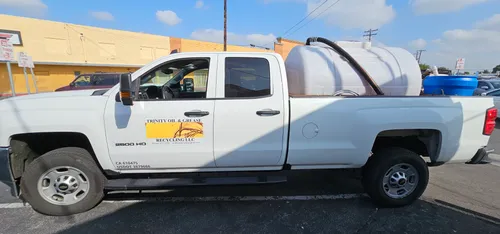
Trinity Oil & Grease Recycling provides used cooking oil collection and grease trap cleaning services in Los Angeles, CA. They offer on-call and scheduled pickups with 24-hour availability across Los Angeles County, Orange County, and Ventura County. Their services include recovery, transportation, disposal, and recycling of kitchen oil and grease, along with high-pressure washing for grease spills and property cleanliness. They supply grease and oil storage containers ranging from 15 to 200 gallons with no minimum amount required for collection. Trinity Oil & Grease Recycling also provides manifest reports as proof of collection to help clients maintain compliance with health and wastewater regulations.
The Grease Company
1116 N Harbor Blvd, Santa Ana, CA 92703
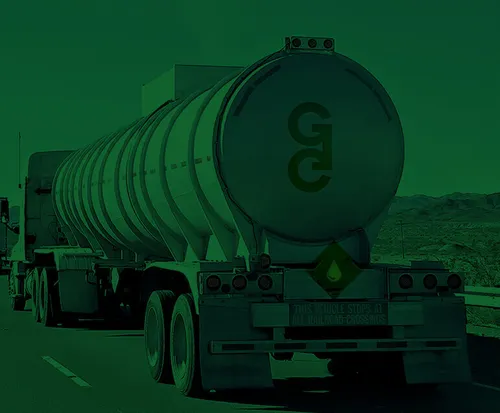
The Grease Company provides grease trap cleaning, repair, and used cooking oil collection services in Los Angeles, CA. They specialize in maintaining commercial kitchen grease traps to prevent clogs and ensure compliance with sanitation regulations. Their capabilities include hydro jetting and environmentally responsible cooking oil disposal. With 12 years of experience, The Grease Company is licensed to serve Southern California and offers transparent pricing and free quotes.
Legal Requirements for UCO Management in Los Angeles
Navigating the regulatory landscape is the first step in establishing a compliant used oil management program. Los Angeles, in alignment with California state law, has specific mandates that food service businesses must follow.
- Mandatory Use of Licensed Haulers: You are required by law to contract with a California-licensed Inedible Kitchen Grease (IKG) hauler for all used cooking oil and grease trap waste pickups. Using an unlicensed collector can result in substantial penalties.
- Proof of Service Documentation: After each pickup, your hauler must provide you with a detailed manifest or receipt. City and county inspectors can request this documentation during routine health or environmental inspections as proof that you are using a licensed service. Failure to produce these records can lead to citations.
- Strict Prohibition on Drain Disposal: It is illegal to pour used cooking oil, fats, or grease down any drain, sink, or toilet 1. Doing so is a primary cause of sewer blockages (fatbergs), can lead to costly backups in your own facility, and contributes to environmental contamination.
- Grease Trap Maintenance: While distinct from fryer oil collection, maintaining your internal grease traps and interceptors is a related and crucial requirement. These devices must be cleaned regularly-typically every 4 to 8 weeks depending on volume-to prevent overflows and ensure they function properly 2 3.
Best Practices for On-Site Storage and Handling
Safe and proper storage of used cooking oil before pickup is essential for kitchen safety, preventing pests, and ensuring the quality of the recycled product.
- Approved Containers: Oil should be stored in sealed, non-reactive containers. Stainless steel or approved, heavy-duty plastic containers with secure, tight-fitting lids are standard. Many collection service providers will supply and maintain dedicated storage tanks or drums for your facility.
- Ideal Storage Location: Store containers in a cool, dark place, away from direct heat sources and sunlight. This helps maintain oil stability and reduces fire risks and odors.
- Secure Collection Area: The pickup location should be accessible for the hauler's truck but secure to prevent unauthorized dumping or theft of oil, which has become a valuable commodity.
The Step-by-Step Collection and Recycling Process
Understanding what happens to your used oil from the fryer to its next life can highlight the value of a professional service.
- Drain and Store: Kitchen staff drain cooled used oil from fryers into designated, sealed storage containers or a central holding tank provided by your hauler.
- Scheduled Licensed Pickup: On a pre-arranged schedule, your licensed IKG hauler arrives. They use specialized pumps and hoses to transfer the oil from your storage vessel directly into their collection truck. At this point, they should provide you with a service manifest 4.
- Transport and Processing: The hauler transports the collected UCO to a processing facility. Here, the oil undergoes filtration to remove food particles and water.
- Transformation into New Products: The cleaned oil is then sold as a feedstock for various recycling industries. The primary destination is biofuel production, where it is converted into biodiesel or renewable diesel. It can also be processed into ingredients for animal feed or industrial lubricants 5. This recycling loop supports emerging markets like Sustainable Aviation Fuel (SAF), aligning with broader environmental initiatives 5.
Costs, Benefits, and Potential Value
Implementing a professional used cooking oil collection service involves manageable costs that are far outweighed by the benefits and potential savings.
- Cost Structure: Services typically involve a pickup fee and may include a monthly service charge for container rental or maintenance. It's important to note that costs can vary widely based on your location, pickup frequency, and the volume of oil generated 6 7 8.
- Primary Benefits:
- Regulatory Compliance & Fine Avoidance: This is the most significant benefit. Proper service keeps you in compliance with health and environmental codes, preventing fines that can reach thousands of dollars 9.
- Environmental Stewardship: You directly contribute to the circular economy by turning waste into renewable energy, reducing fossil fuel dependence.
- Operational Safety & Cleanliness: Reduces slip hazards, pest attraction, and fire risks in your kitchen and storage areas.
- Credits and Offsets: Some haulers offer credit programs or revenue-sharing for high-quality, uncontaminated used cooking oil 10. While not always guaranteed, this can help offset the cost of the collection service.
Find the perfect used cooking oil collection companies for your needs
Get personalized recommendations and expert advice
How to Establish or Improve Your UCO Service
If you're setting up a new service or evaluating your current provider, following these steps will ensure a compliant and efficient program.
- Find a Reputable Hauler: Research and contact established used cooking oil collection companies that service Los Angeles. Look for providers with strong local reputations and clear service agreements.
- Verify Their License: Before signing any contract, ask for and verify the company's current California IKG hauler license number. This is your first line of defense against compliance issues 11.
- Assess Your Needs: Work with the hauler to determine the appropriate storage container size (e.g., a 55-gallon drum or a larger bulk tank) and an optimal pickup frequency based on your oil usage.
- Train Your Staff: Ensure all kitchen employees understand the procedures for safely draining and storing used oil, and know never to dispose of it down the drain.
- Maintain Records: File every service manifest provided by your hauler in an organized, accessible manner. This paperwork is your proof of compliance.
Frequently asked questions
Sources
Footnotes
-
Proper Disposal of Fats, Oils, and Grease - https://www.bwsc.org/sites/default/files/2019-01/currents_2016_6_nov_dec.pdf ↩
-
Cooking Oil Collection In Anaheim - The Grease Company - https://thegreasecompany.com/cookingoilcollectionanaheim.html ↩
-
La Habra Used Cooking Oil Collection Service - Grease Management - https://www.greasemanagement.org/oilcollectionlahabra.html ↩
-
Used Cooking Oil (UCO) Collection Service For Restaurants - https://thegreasecompany.com/blog/restaurant-used-cooking-oil-collection/ ↩
-
What happens with the used oil from restaurants and fast-food ... - https://www.quora.com/What-happens-with-the-used-oil-from-restaurants-and-fast-food-chains-Is-there-any-sort-of-recycling ↩ ↩2
-
Used Cooking Oil Recycling in Los Angeles - Phoenix Pumping - https://phoenixpumping.com/grease-trap-cleaning-used-cooking-oil-recycling-in-los-angeles/ ↩
-
Used Cooking Oil Pickup & Recycling Services in Los Angeles CA - https://www.mahoneyes.com/waste-oil-pickup-recycling-los-angeles-ca/ ↩
-
Restaurant Grease Pick Up and Disposal Services in Los Angeles, CA - https://www.mahoneyes.com/fryer-oil-disposal-recycling-los-angeles-ca/ ↩
-
LOS ANGELES COUTY Used Cooking Oil & GREASE ... - https://losangelesgrease.com/used-cooking-oil-collection/ ↩
-
Used Oil Recycling Program - CalRecycle Home Page - CA.gov - https://calrecycle.ca.gov/usedoil/ ↩
-
Used Cooking Oil Collection / Pick Up & Recycling. - https://greasemanagement.org/usedoilcollection.html ↩