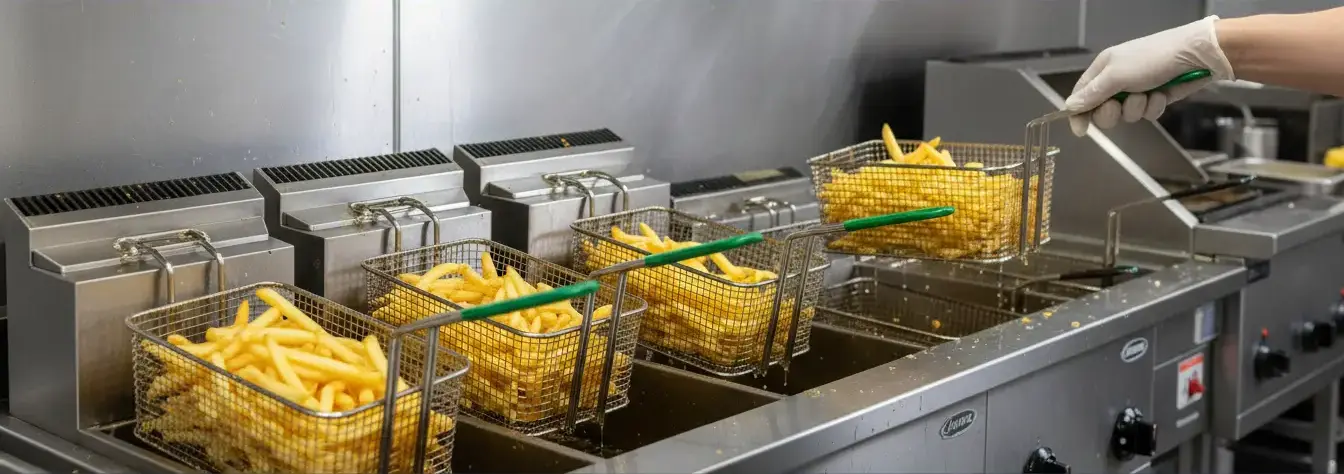
Find the Best Used Cooking Oil Collection Companies for Your Business
No obligation • Fast responses • Nationwide coverage

Why you can trust Restaurant Waste Disposal
Restaurant Waste Disposal is a leading U.S. resource for comparing restaurant composting, food-waste recycling, grease trap cleaning, and used cooking oil collection services. Our editorial team researches providers, checks credentials, and organizes unbiased information so operators can make informed decisions. Companies cannot pay to change ratings or placement.
Search providers near you
Top Used Cooking Oil Collection Companies in San Diego, California Ranked
For any restaurant, commercial kitchen, or food service establishment in San Diego, managing used cooking oil (UCO) is a critical operational and environmental responsibility. Proper grease trap and oil collection services are not just about cleanliness; they are a legal requirement with significant implications for your business and the local ecosystem. The City of San Diego mandates that all food establishments recycle their used cooking oil through licensed haulers, turning a potential waste product into valuable commodities like biodiesel. This guide outlines the essential steps for compliance, the benefits of professional grease management, and how to navigate the local regulations effectively.
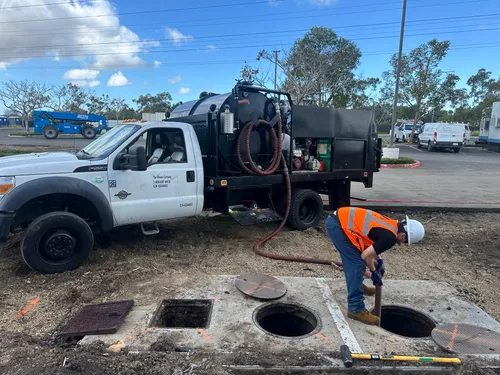
San Diego Grease Company
San Diego, CA
San Diego Grease Company provides grease trap cleaning and used cooking oil collection services throughout San Diego, CA. They serve a wide range of commercial kitchens including restaurants, hotels, and food processing facilities, ensuring compliance with local regulations and environmental standards. Their services include grease trap and interceptor cleaning, as well as eco-friendly used cooking oil collection and recycling. The company is certified by the California Department of Food and Agriculture and offers 24/7 support to clients. With nearly a decade of experience, they focus on maintaining grease recovery devices to prevent plumbing issues and promote sustainability.
City of Poway materials handling yard
12325 Crosthwaite Cir, Poway, CA 92064
The City of Poway materials handling yard in Poway, CA, offers a Household Hazardous Waste (HHW) Collection Facility for safe disposal of various hazardous materials. Residents can drop off items such as used cooking oil, automotive fluids, batteries, electronic devices, and other household toxins without an appointment. The facility requires proof of residency and accepts waste in original containers, following transportation and weight limits to ensure safety. This service helps prevent illegal disposal of hazardous waste and promotes environmentally responsible handling of toxic substances.

Chula Vista Environmental Services
1800 Maxwell Rd, Chula Vista, CA 91911
Chula Vista Environmental Services provides waste management and sustainability programs in Chula Vista, CA. They offer used cooking oil collection and food waste composting services for restaurants and businesses. The department also manages household hazardous waste disposal, including paints, pesticides, and motor oil, at the South Bay Household Hazardous Waste Collection Facility. Additionally, they operate a Reuse Center where residents can obtain reusable products like paint and household chemicals. Free home pick-up is available for eligible disabled or elderly residents who cannot transport hazardous waste themselves.
Understanding San Diego's Regulations for Grease and Oil
Compliance begins with understanding the rules. In San Diego, it is illegal to pour used cooking oil down any drain, toilet, or sewer. This practice leads to severe blockages, costly municipal repairs, and environmental contamination. The city's Food Establishment Wastewater Discharge (FEWD) Program enforces strict guidelines to prevent such issues 1. Key regulations include:
- Mandatory Recycling: All food service establishments must arrange for the recycling of their used cooking oil.
- Licensed Haulers Only: Used oil must be collected and transported by a hauler licensed by the State of California under the Indelible Kitchen Grease (IKG) program. Using an unlicensed service can leave your business liable 2.
- Proper Grease Trap Maintenance: The FEWD Program also requires proper installation and regular maintenance of grease traps or interceptors to capture fats, oils, and grease (FOG) before they enter the wastewater system.
- Documentation is Key: You must keep detailed records, known as manifests, provided by your hauler after each pickup. These manifests serve as your proof of compliance during city inspections.
The Step-by-Step Process of Professional Oil Pickup
Partnering with a licensed used cooking oil collection service streamlines waste management into a simple, recurring process.
- Safe Draining and Storage: Kitchen staff drain cooled used oil into dedicated, sealed containers provided by your hauler. These containers must be kept clean, clearly labeled, and stored in a secure location-often behind a fence or out of public view-to prevent spills, contamination, and theft.
- Scheduled Pickup: Your restaurant contacts the hauler on a pre-arranged schedule (weekly, bi-weekly, etc.). The hauler dispatches a service truck equipped with pumping equipment.
- Efficient Collection: A technician pumps the oil from your storage containers directly into the truck. For larger establishments, this may involve direct pumping from indoor fryers or bulk storage tanks.
- Transport and Transformation: The hauler transports the collected UCO to a processing facility. Here, it is filtered and purified to become a feedstock for renewable biofuels like biodiesel, or other products like lubricants and animal feed 3 4 5.
- Receipt of Documentation: Upon completion, the hauler provides you with a manifest. This crucial document details the date, volume collected, and hauler information, completing your chain of custody for that service period 6.
Financial and Environmental Benefits of Proper UCO Management
Effective grease management is more than a cost of doing business; it can be a source of value and significant risk mitigation.
- Potential for Revenue: While pickup for smaller volumes (often under 100 gallons) is frequently offered as a free service to secure the feedstock, establishments generating larger, consistent volumes of clean oil may qualify for rebates or payments. The value can range based on market conditions and quantity 7.
- Avoidance of Major Fines: The cost of non-compliance is steep. Violations for improper disposal can result in substantial fines from the City of San Diego, not to mention the exorbitant cleanup fees and business interruption costs associated with a sewer backup or spill on your property 8 9.
- Environmental Stewardship: Recycling used cooking oil into biodiesel reduces reliance on fossil fuels, lowers greenhouse gas emissions, and prevents contamination of local waterways and the Pacific Ocean. It's a direct contribution to San Diego's sustainability goals 10.
Find the perfect used cooking oil collection companies for your needs
Get personalized recommendations and expert advice
Choosing the Right Collection Service in San Diego
Selecting a reliable partner for your grease trap cleaning and used oil recycling is a key business decision. Look for a provider that is fully licensed (IKG licensed) and insured, with a strong reputation for reliable, on-time service in the San Diego area. Ensure they offer clear, transparent documentation with each pickup. It's also wise to inquire about their container maintenance policies and emergency response capabilities for spills or urgent service needs. A good partner will help you optimize your schedule based on your kitchen's volume and ensure your entire process is audit-ready for city inspectors.
Best Practices for On-Site Grease Management
To ensure safety, efficiency, and the highest quality of oil for recycling, implement these practices in your kitchen:
- Never Mix Contaminants: Do not mix used cooking oil with water, soap, or solid food waste. Contaminated oil is harder to recycle and less valuable.
- Cool Before Transferring: Allow oil to cool sufficiently before draining from fryers to prevent burns and damage to storage containers.
- Secure Storage Area: Maintain your storage area to be clean, clearly marked, and accessible for haulers but secure from the public to prevent tampering or illegal dumping.
- Train Your Staff: Ensure all kitchen employees understand the importance of proper oil handling and the steps for draining and storage. Their diligence is the first line of defense against compliance issues.
- Maintain Your Grease Trap: Adhere to a regular pumping schedule for your grease interceptor as required by the FEWD Program. A well-maintained trap protects your plumbing and ensures compliance.
By integrating these systems and practices, San Diego restaurants can turn the mandatory task of used cooking oil collection into a smooth, beneficial, and environmentally positive part of their operation.
Frequently asked questions
Sources
Footnotes
-
Food Establishment Wastewater Discharge (FEWD) Program | City of San Diego Official Website - https://www.sandiego.gov/public-utilities/sewer-spill-reduction/fewd ↩
-
General Refuse Collection Information and Rules - City of San Diego - https://www.sandiego.gov/environmental-services/collection/general ↩
-
Used Cooking Oil (UCO) Collection Service For Restaurants - https://thegreasecompany.com/blog/restaurant-used-cooking-oil-collection/ ↩
-
Recycling Used Cooking Oil With Green Grease Environmental - https://www.youtube.com/watch?v=KP05Yx-GkHk ↩
-
What happens with the used oil from restaurants and fast-food ... - https://www.quora.com/What-happens-with-the-used-oil-from-restaurants-and-fast-food-chains-Is-there-any-sort-of-recycling ↩
-
Used Oil Recycling Program - CalRecycle Home Page - CA.gov - https://calrecycle.ca.gov/usedoil/ ↩
-
Southern California Commercial Kitchen Cooking Oil recycling ... - https://thegreasecompany.com/blog/how-the-grease-is-protecting-you-by-recycling-cooking-oil/2/ ↩
-
Used Cooking Oil Recycling in San Diego - Phoenix Pumping - https://phoenixpumping.com/grease-trap-cleaning-used-cooking-oil-recycling-in-san-diego/ ↩
-
Restaurant Used Cooking Oil: Disposal, Recycling & Revenue Guide - https://greaseconnections.com/restaurant-used-cooking-oil-disposal-recycling-revenue-guide/ ↩
-
Used Cooking Oil Collection / Pick Up & Recycling. - https://greasemanagement.org/usedoilcollection.html ↩