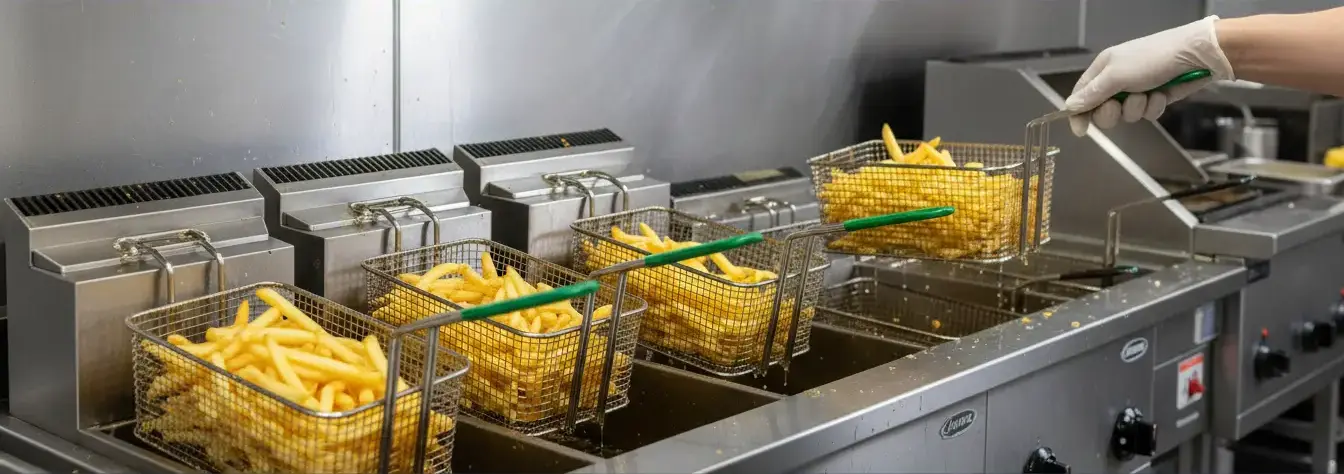
Find the Best Used Cooking Oil Collection Companies for Your Business
No obligation • Fast responses • Nationwide coverage

Why you can trust Restaurant Waste Disposal
Restaurant Waste Disposal is a leading U.S. resource for comparing restaurant composting, food-waste recycling, grease trap cleaning, and used cooking oil collection services. Our editorial team researches providers, checks credentials, and organizes unbiased information so operators can make informed decisions. Companies cannot pay to change ratings or placement.
Search providers near you
Top Used Cooking Oil Collection Companies in Poway, California Ranked
For restaurants and food service businesses in Poway, managing used cooking oil (UCO) is more than just a routine cleanup task-it's a regulated component of daily operations with significant environmental and economic implications. Proper grease trap and waste oil management is essential for maintaining a clean, compliant, and efficient kitchen. California state law and local ordinances mandate specific handling procedures to protect the municipal sewer system and promote recycling. By partnering with a licensed hauler, Poway businesses can transform a waste product into valuable resources like biodiesel, ensuring regulatory compliance while potentially offsetting disposal costs or even generating revenue.
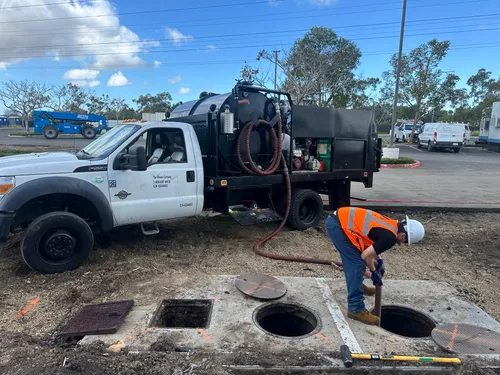
San Diego Grease Company
San Diego, CA
San Diego Grease Company provides grease trap cleaning and used cooking oil collection services throughout San Diego, CA. They serve a wide range of commercial kitchens including restaurants, hotels, and food processing facilities, ensuring compliance with local regulations and environmental standards. Their services include grease trap and interceptor cleaning, as well as eco-friendly used cooking oil collection and recycling. The company is certified by the California Department of Food and Agriculture and offers 24/7 support to clients. With nearly a decade of experience, they focus on maintaining grease recovery devices to prevent plumbing issues and promote sustainability.
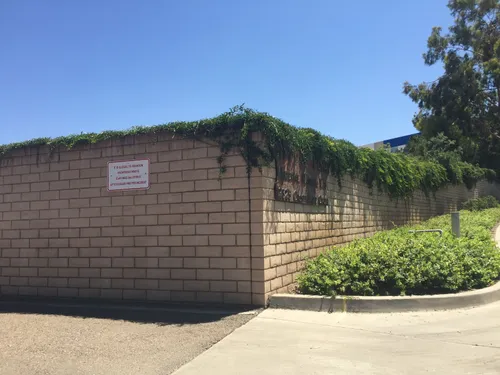
City of Poway materials handling yard
12325 Crosthwaite Cir, Poway, CA 92064
The City of Poway materials handling yard in Poway, CA, offers a Household Hazardous Waste (HHW) Collection Facility for safe disposal of various hazardous materials. Residents can drop off items such as used cooking oil, automotive fluids, batteries, electronic devices, and other household toxins without an appointment. The facility requires proof of residency and accepts waste in original containers, following transportation and weight limits to ensure safety. This service helps prevent illegal disposal of hazardous waste and promotes environmentally responsible handling of toxic substances.

Chula Vista Environmental Services
1800 Maxwell Rd, Chula Vista, CA 91911
Chula Vista Environmental Services provides waste management and sustainability programs in Chula Vista, CA. They offer used cooking oil collection and food waste composting services for restaurants and businesses. The department also manages household hazardous waste disposal, including paints, pesticides, and motor oil, at the South Bay Household Hazardous Waste Collection Facility. Additionally, they operate a Reuse Center where residents can obtain reusable products like paint and household chemicals. Free home pick-up is available for eligible disabled or elderly residents who cannot transport hazardous waste themselves.
Understanding Local Regulations for Oil and Grease
Operating a food service establishment in Poway comes with clear responsibilities for waste management. The cornerstone of these rules is California's Mandatory Commercial Recycling law (AB 341), which requires businesses generating more than four cubic yards of solid waste per week to implement recycling programs for all recyclable materials, including used cooking oil and grease. This isn't just a suggestion; it's a legal requirement for most restaurants.
Furthermore, concentrated waste oil and grease are classified as hazardous materials and must be collected by a certified and licensed hauler. Pouring used fryer oil down sinks, drains, or into storm sewers is strictly prohibited. Such actions can lead to severe sewer blockages, interfere with wastewater treatment processes, and result in significant fines for the business 1 2. Compliance starts with understanding these rules and selecting an authorized service provider.
Best Practices for On-Site Storage and Safety
Before collection can occur, restaurants must store their used cooking oil and grease trap waste safely and securely. Proper storage prevents accidents, deters theft, and keeps your facility in line with health and safety codes.
- Use Approved Containers: Always drain cooled oil into dedicated, leak-proof containers provided or approved by your hauler. These containers should be clearly labeled and kept tightly sealed when not in use.
- Secure the Storage Area: Containers should be stored in a secure, enclosed area, such as a locked shed or fenced compound, away from floor drains and public access. This prevents spills from entering the storm drain system and deters the theft of valuable grease 3.
- Maintain Cleanliness: Keep the area around storage containers clean and free of spilled oil or food debris to avoid attracting pests and creating slip hazards for staff.
Adhering to these storage protocols not only ensures a smoother pickup process but also minimizes your business's environmental footprint and liability.
The Collection and Recycling Process Explained
Once your storage container is full, the process of transforming waste into resource begins. A licensed used cooking oil collection service will handle the entire chain of custody.
- Scheduled Pickup: Your hauler will arrive on a pre-arranged schedule or on-demand to service your location. They will pump or swap out your full containers, leaving you with empty, clean ones for continued use 4.
- Licensed Transportation: The collected oil is transported in specialized trucks by licensed professionals to a rendering or recycling facility. This step is crucial for ensuring the oil is handled legally and does not end up in landfills or illegal dumping sites.
- Transformation into New Products: At the recycling facility, the used cooking oil undergoes processing. It is a primary feedstock for the production of renewable biodiesel fuel, a cleaner-burning alternative to petroleum diesel 5. It can also be refined into ingredients for animal feed, soaps, cosmetics, and industrial lubricants.
- Documentation for Compliance: Reputable haulers provide documentation, such as waste manifests or recycling certificates, which serve as proof of proper disposal. This paperwork is essential for your records to demonstrate compliance during health inspections or regulatory audits 6.
Find the perfect used cooking oil collection companies for your needs
Get personalized recommendations and expert advice
Financial Considerations: Cost vs. Potential Revenue
The economics of used cooking oil collection in Poway are typically volume-based. The arrangement you have with your hauler often depends on how much oil your kitchen generates.
- Lower Volume Kitchens: Establishments that produce smaller amounts of oil (often considered less than 100 gallons per pickup) may receive free collection services. In some cases, a small service fee may apply. The hauler's revenue comes from the bulk sale of the recycled commodity, making the pickup cost-neutral for the restaurant 7.
- Higher Volume Producers: Restaurants with high-volume fryers, such as large fast-food chains or dedicated fry shops, often generate enough oil to enter a revenue-sharing program. In these arrangements, the business may receive a payment per gallon of oil collected, turning a waste stream into a minor income source.
- Integrated Waste Services: The City of Poway's contracted waste hauler, EDCO, can assist businesses in setting up compliant recycling services. Bundling used cooking oil collection with other waste and recycling services can sometimes lead to streamlined billing and potentially lower overall waste management costs 8.
It's important to discuss pricing and contract terms directly with service providers to find the best fit for your operation's size and needs.
Choosing a Compliant Service Provider in Poway
Selecting the right partner for grease trap cleaning and used oil collection is a critical business decision. Here are key factors to consider:
- Verify Licensing and Insurance: Always confirm that the hauler is fully licensed and insured to collect and transport used cooking oil and grease trap waste in California and the City of Poway. This protects your business from liability.
- Check Service Reliability: Look for a company with a reputation for consistent, on-time pickups. Inconsistent service can lead to overfull containers, operational hassles, and compliance issues.
- Review Environmental Practices: Inquire about where the oil is taken and what it is recycled into. Partnering with a hauler committed to producing biodiesel or other high-value renewables ensures your waste has a positive end-use.
- Understand the Contract: Be clear on the terms of service, including pickup frequency, fees or payment structure, and what happens if your volume changes. The City recommends contacting licensed grease haulers directly or reaching out to EDCO to establish compliant service 9.
The Environmental Impact of Proper UCO Recycling
Beyond compliance and cost, proper used cooking oil collection is a powerful act of environmental stewardship for Poway businesses. When oil is recycled into biodiesel, it directly reduces greenhouse gas emissions compared to fossil fuels. This renewable fuel burns cleaner, contributing to better air quality. Diverting this material from sewers also protects local waterways and reduces the burden on municipal wastewater treatment facilities, which translates to lower community costs. By participating in a certified recycling program, your restaurant actively contributes to a circular economy and a more sustainable local environment.
Frequently asked questions
Sources
Footnotes
-
What Restaurants Should Know About California Oil Disposal ... - https://startgreencommodities.com/post/restaurant-grease-trap-requirements ↩
-
What Does The California Law Say About Used Cooking Oil ... - https://www.grandnatural.com/blog/what-does-the-california-law-say-about-used-cooking-oil-disposal.html ↩
-
Used Cooking Oil Collection Los Angeles - Pick Up & Recycling. - https://greasemanagement.org/oilcollectionlosangeles.html ↩
-
Restaurant Oil Disposal: Explained - Eazy Grease - https://eazygrease.com/how-do-restaurants-get-rid-of-their-oil/ ↩
-
Used Cooking Oil Collection / Pick Up & Recycling. - https://greasemanagement.org/usedoilcollection.html ↩
-
Navigating Legal Requirements for Used Cooking Oil Disposal - https://bakercommodities.com/blog/2024/02/08/legal-requirement-used-cooking-grease/ ↩
-
Restaurant Used Cooking Oil: Disposal, Recycling & Revenue Guide - https://greaseconnections.com/restaurant-used-cooking-oil-disposal-recycling-revenue-guide/ ↩
-
Mandatory Commercial Recycling | Poway, CA - Official Website - https://poway.org/874/Mandatory-Commercial-Recycling ↩
-
Restaurants | Poway, CA - Official Website - https://poway.org/400/Restaurants ↩