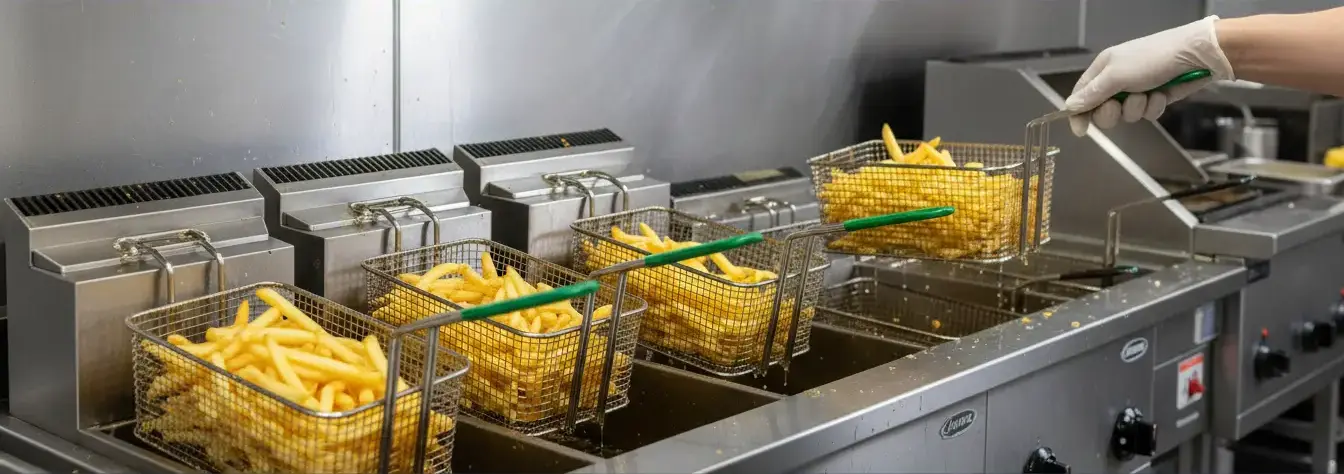
Find the Best Used Cooking Oil Collection Companies for Your Business
No obligation • Fast responses • Nationwide coverage

Why you can trust Restaurant Waste Disposal
Restaurant Waste Disposal is a leading U.S. resource for comparing restaurant composting, food-waste recycling, grease trap cleaning, and used cooking oil collection services. Our editorial team researches providers, checks credentials, and organizes unbiased information so operators can make informed decisions. Companies cannot pay to change ratings or placement.
Search providers near you
Top Used Cooking Oil Collection Companies in San Jose, California Ranked
For restaurants and food service establishments in San Jose, managing used cooking oil (UCO) is more than just a kitchen chore-it's a critical component of regulatory compliance and environmental responsibility. Proper collection and recycling of fats, oils, and grease (FOG) are mandated by both local ordinances and California state law, specifically SB 1383, which requires the diversion of organic waste from landfills. Partnering with a licensed hauler for grease trap maintenance and UCO recycling not only keeps your business in good standing but also transforms a waste product into valuable biofuels. This guide outlines the essential steps for compliant UCO management, from proper storage to selecting a service provider, ensuring your San Jose establishment operates smoothly and sustainably.
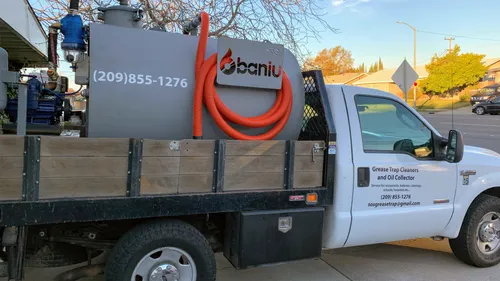
Understanding Local Regulations for FOG Management
San Jose enforces a strict Fats, Oils, and Grease (FOG) Control Program to protect the city's sewer system from blockages and overflows, which can lead to costly repairs and environmental harm. All food service businesses are required to properly manage their grease output. This involves two key, interconnected practices: regular cleaning of grease interceptors or traps by a licensed professional and the proper recycling of used cooking oil through an approved service.
Non-compliance can result in fines and increased scrutiny during routine inspections. By adhering to these rules, restaurants play a direct role in maintaining the city's infrastructure and water quality. The regulations are designed to be proactive, preventing problems before they occur and ensuring a cleaner community.
The Role of SB 1383 in Oil Recycling
California's landmark organic waste recycling law, SB 1383, directly impacts how San Jose businesses handle used cooking oil. The law aims to reduce methane emissions from landfills by diverting organic materials, which include food scraps, food-soiled paper, and used cooking oil. For restaurants, this means UCO cannot simply be thrown in the trash. It must be collected separately for recycling, aligning your oil collection practices with broader state environmental goals1.
Compliance with SB 1383 is not optional, and proper UCO recycling is a straightforward way to meet a significant portion of your business's organics diversion requirement. Working with a licensed hauler ensures your recycling efforts are documented and verifiable, providing peace of mind that you are meeting all state and local mandates 2.
The Step-by-Step Process of Oil Collection and Recycling
Establishing a reliable system for used cooking oil management involves a clear, consistent process from your kitchen to the recycling facility.
1. Safe Draining and On-Site Storage: After cooking, cooled oil should be carefully drained into a dedicated, secure container. Best practices dictate using a leak-proof, non-reactive container-stainless steel is ideal-with a tight-sealing lid. These containers are often provided by your collection service. They should be clearly labeled "Used Cooking Oil" and stored in a cool, dark, and accessible area to prevent accidents and maintain oil quality before pickup.
2. Scheduled Pickup by a Licensed Hauler: A certified collection service, such as Grand Natural Inc. or other approved providers in San Jose, will schedule regular pickups based on your volume. The hauler will collect the full containers and typically replace them with clean, empty ones, ensuring no interruption in your kitchen's workflow.
3. Transformation into New Products: The collected oil is transported to a processing facility where it begins a new life. It is not re-used for food. Instead, it is refined and converted into valuable products like biodiesel, a renewable fuel, or other industrial lubricants and soaps. This closed-loop process is the core of effective UCO recycling, turning waste into a resource 3.
Find the perfect used cooking oil collection companies for your needs
Get personalized recommendations and expert advice
Cost Structures and Potential Revenue from UCO
The financial model for used cooking oil collection in San Jose often operates on a tiered system based on your monthly output. Understanding this can help you budget and potentially even generate income from your waste.
- For Lower-Volume Producers: Restaurants generating smaller amounts of oil (typically under 30-40 gallons per month) may incur a service fee. This fee, which can be around $30 per month, covers the cost of collection, container provision, and recycling. In this model, the service is valued for its convenience and compliance benefits4 5 6.
- For Higher-Volume Producers: If your establishment consistently produces a significant volume of clean used oil (often over 40 gallons per month), the economics shift. Many recyclers offer free collection service and may even provide a rebate or payment for the oil. The oil itself becomes a commodity. Some services also offer free collection equipment, like large drums or storage tanks, to secure your business.
- The Value of Compliance: It's crucial to view any cost not just as a fee for removal, but as an investment in regulatory compliance. Proper recycling prevents severe penalties, avoids expensive sewer line repairs caused by FOG blockages, and simplifies your waste management logistics7 8.
Best Practices for Restaurant Compliance
Beyond just scheduling a pickup, maintaining ongoing compliance involves diligent record-keeping and proactive management.
- Partner with a Licensed Hauler: This is the most critical step. Verify that your chosen provider is licensed by the state of California for waste hauling. Licensed haulers understand local (San Jose) and state (SB 1383) regulations and can provide the necessary documentation for inspections.
- Maintain Detailed Records: Keep a log or file of all grease interceptor cleaning receipts and used cooking oil collection manifests. These records should be kept on-site and be readily available for city inspectors. They serve as proof that you are managing your FOG responsibly.
- Train Your Staff: Ensure all kitchen staff are trained on the proper procedure for draining and storing used oil. Emphasize that oil and grease should never be poured down sinks, floor drains, or into outdoor areas. Clear protocols prevent accidental violations and maintain a safe work environment9.
Implementing a robust used cooking oil collection system is a clear win for San Jose restaurants. It ensures compliance with strict local and state laws, protects your business from infrastructure-related costs, contributes to California's environmental leadership, and can even provide a small revenue stream. By viewing used oil not as waste but as a recyclable commodity, you integrate sustainability directly into your operational success 10 11.
Frequently asked questions
Sources
Footnotes
-
Recycling & Organics Regulations | City of San José - https://www.sanjoseca.gov/your-government/departments-offices/environmental-services/recycling-garbage/businesses/mandatory-recycling-organics ↩
-
SB 1383 Frequently Asked Questions | City of San José - https://www.sanjoseca.gov/your-government/departments-offices/environmental-services/recycling-garbage/california-sb-1383/sb-1383-faqs ↩
-
What happens with the used oil from restaurants and fast-food ... - https://www.quora.com/What-happens-with-the-used-oil-from-restaurants-and-fast-food-chains-Is-there-any-sort-of-recycling ↩
-
Used Cooking Oil Collection San Jose | Grand Natural Inc - https://www.grandnaturalinc.com/locations/used-cooking-oil-recycling-in-san-jose.html ↩
-
Do you get paid for used cooking oil? : r/cookingoilrecycling - Reddit - https://www.reddit.com/r/cookingoilrecycling/comments/1kvlxl5/do_you_get_paid_for_used_cooking_oil/ ↩
-
Grease Pickup Service Near Me | Florida's Guide to Used Oil Collection - https://www.greaseprosrecycling.com/grease-pickup-service-near-me/ ↩
-
Food Service Establishments | City of San José - https://www.sanjoseca.gov/your-government/departments-offices/environmental-services/water-utilities/stormwater-wastewater/businesses/food-service-establishments ↩
-
How to dispose of or recycle Cooking Oil - Default V2 - Oceanside, CA - https://www.ci.oceanside.ca.us/government/water-utilities/environmental-services-programs/zero-waste-program/for-residents#!rc-cpage=757820 ↩
-
Used Cooking Oil (UCO) Collection Service For Restaurants - https://thegreasecompany.com/blog/restaurant-used-cooking-oil-collection/ ↩
-
City of San José - Restaurant Rules - Imperial Beach - https://www.imperialbeachca.gov/DocumentCenter/View/240/City-of-San-Jose-Alternative-Products-PDF ↩
-
Recycling Used Cooking Oil With Green Grease Environmental - https://www.youtube.com/watch?v=KP05Yx-GkHk ↩