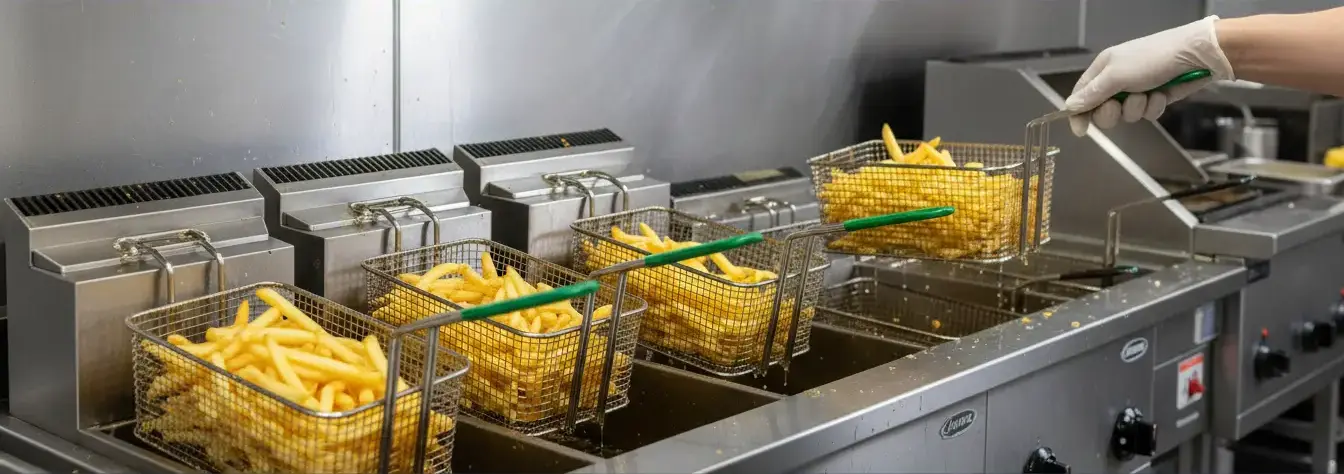
Find the Best Used Cooking Oil Collection Companies for Your Business
No obligation • Fast responses • Nationwide coverage

Why you can trust Restaurant Waste Disposal
Restaurant Waste Disposal is a leading U.S. resource for comparing restaurant composting, food-waste recycling, grease trap cleaning, and used cooking oil collection services. Our editorial team researches providers, checks credentials, and organizes unbiased information so operators can make informed decisions. Companies cannot pay to change ratings or placement.
Search providers near you
Top Used Cooking Oil Collection Companies in San Leandro, California Ranked
For restaurants and food service businesses in San Leandro, managing used cooking oil (UCO) is a critical operational and environmental responsibility. Under California's SB 1383 and local Alameda County regulations, proper collection and recycling of this material is not just a best practice-it's the law. Partnering with a licensed hauler for professional used cooking oil collection ensures compliance, supports the local circular economy by transforming waste into biodiesel, and can streamline your back-of-house operations. This guide outlines the essential steps, from proper storage to selecting a service provider, to help you navigate the requirements and benefits of a UCO program in San Leandro.
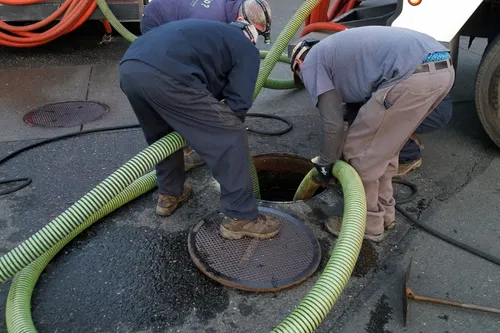
San Francisco Grease Trap Cleaning
864 Ellis St #2f, San Francisco, CA 94109
San Francisco Grease Trap Cleaning provides grease trap pumping, cleaning, and used cooking oil collection services in San Francisco, CA. They serve commercial, industrial, and manufacturing clients including restaurants, schools, and cafeterias. The company offers hydro-jetting and maintains detailed service records to ensure compliance with local health and safety codes. They recycle waste for biofuel production and dispose of non-recyclable materials responsibly. With a fleet of pump trucks and trained professionals, they accommodate various schedules to minimize business disruption. San Francisco Grease Trap Cleaning has been part of the community for years and serves surrounding areas such as Berkeley, Alameda, and Oakland.
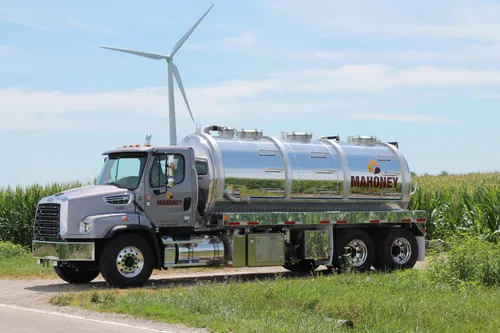
Mahoney Environmental Restaurant Oil Recycling
3501 Collins Ave, Richmond, CA 94806
Mahoney Environmental Restaurant Oil Recycling is a used cooking oil collection company based in Oakland, CA. They specialize in collecting used cooking oil from restaurants to support environmental sustainability. The company focuses on improving both financial outcomes for clients and environmental impact through responsible oil recycling.

JD Services/Chip it Recycling
San Leandro, CA
JD Services/Chip it Recycling is a used cooking oil collection company based in San Leandro, CA. They specialize in collecting used cooking oil from various businesses to support recycling and proper disposal efforts.
Understanding Local Regulations for Oil and Grease
Compliance begins with understanding the rules. In San Leandro, businesses are subject to both state mandates and local waste management ordinances designed to keep fats, oils, and grease (FOG) out of landfills and sewers.
- SB 1383 Compliance: California's landmark organics recycling law requires all businesses, including restaurants, to recycle their organic waste, which explicitly includes used cooking oil and grease trap waste. Failure to properly separate and recycle these materials can result in fines.
- Sewer Protection: Beyond collection, restaurants must also maintain grease traps or interceptors to prevent FOG from entering the municipal sewer system, which can cause costly blockages and environmental damage1. The Union Sanitary District provides guidelines for restaurant pollution prevention to help businesses meet these requirements1.
- Source Separation: A key rule is keeping different waste streams separate. Used cooking oil must be collected apart from both motor oil and general food waste. Mixing contaminants like motor oil into your UCO can render it unrecyclable and lead to service issues or penalties.
Proper Storage and Handling Before Pickup
Safe and compliant storage is the foundation of an effective used cooking oil management system. Following best practices ensures hauler safety, maintains oil quality for recycling, and keeps your facility clean.
- Approved Containers: Oil should be stored in sturdy, sealed containers with screw-top lids. Containers should be no taller than 12 inches for stability and safety2. Clearly label containers with "Cooking Oil" to prevent misuse3.
- Designated Storage Area: Establish a safe, accessible location for your storage containers or collection tank, typically near your kitchen's rear exit. This area should be clear of debris, well-ventilated, and easily reachable by the hauler's truck for pump-out service.
- Avoiding Contamination: Never pour used cooking oil down any drain, into a grease trap, or into containers meant for other liquids. Ensure staff are trained to dispose of cooled oil directly into the designated collection containers.
The Professional Collection and Recycling Process
Engaging a professional service transforms a waste product into a valuable commodity. The process is designed to be hands-off for your staff.
- Service Setup: After contacting a licensed hauler, they will assess your volume and needs. They often provide the initial collection tank or containers at no cost, especially for establishments generating significant volume4 5.
- Scheduled Pickups: Collections are arranged on a regular schedule-weekly, bi-weekly, or monthly-based on your oil production. Reliable providers work with you to find a pickup time that minimizes disruption to your operations.
- On-Site Pump-Out: On collection day, a specialized truck will arrive to pump the oil directly from your storage tank. This closed-loop system is efficient and minimizes spills or mess.
- Recycling into Biofuel: The collected oil is transported to a processing facility where it is cleaned and converted into biodiesel, a renewable fuel. This process completes the recycling loop, reducing fossil fuel dependence and greenhouse gas emissions.
- Documentation: Reputable haulers provide documentation or manifests for each pickup, which serves as your proof of compliance with SB 1383 recycling requirements.
Find the perfect used cooking oil collection companies for your needs
Get personalized recommendations and expert advice
Evaluating Service Providers and Cost Structures
Choosing the right collection partner is crucial. Costs and services can vary, so it's important to get clear information.
- Common Service Models: Many providers operate on a "revenue-share" model for larger-volume producers. If your restaurant generates enough high-quality used cooking oil, the hauler may offer free pickup, free containers, and even pay you for the commodity 6. For smaller kitchens or those with specific service needs (like thorough cleaning of the collection area), a monthly service fee may apply.
- Included Services: When comparing quotes, ask what's included. Some comprehensive programs cover the supply and maintenance of collection containers, flexible scheduling, and even annual steam cleaning of your exterior collection area at no direct charge.
- Questions for Providers: Contact local licensed companies to get specific details. Ask about their licensing, recycling endpoints, pickup schedules, contract terms, and exactly what fees or payments you can expect.
Benefits Beyond Compliance
Implementing a professional used cooking oil collection program offers advantages that extend far beyond meeting regulatory requirements.
- Enhanced Safety: Eliminating the manual handling of hot, slippery oil reduces the risk of employee burns and slip-and-fall accidents in the kitchen and storage areas.
- Operational Efficiency: A scheduled, professional service keeps your storage area clean and organized, freeing up staff time and preventing the odors and pests associated with improperly stored organic waste.
- Environmental Leadership: By ensuring your used oil is recycled into biodiesel, your business directly contributes to reducing landfill waste and creating a renewable energy source. This is a tangible demonstration of your commitment to sustainability that can resonate with customers.
- Potential Revenue Stream: For qualifying businesses, the used cooking oil itself becomes a small source of income or a way to offset service costs, turning a former waste expense into an asset.
Integrating Oil Management with Overall Waste Strategy
Used cooking oil collection should not exist in a vacuum. It's one component of San Leandro's broader commercial waste reduction goals.
- Coordinate with Other Services: Work with your waste hauler to understand how used oil collection integrates with your mandatory commercial recycling and organics (food scraps) recycling services7 8. Proper separation at the source maximizes recycling rates and can optimize service costs.
- Employee Training: Consistent, simple training for all kitchen staff is essential. Use clear signage and protocols to ensure used oil goes into the correct container, food scraps into the organics bin, and other materials into recycling or trash.
- Regular Review: Periodically assess your oil collection frequency and container size with your provider. As your menu or volume changes, your service plan may need adjustment to remain efficient and cost-effective.
Frequently asked questions
Sources
Footnotes
-
Restaurant Pollution Prevention - Union Sanitary District - CA.gov - https://unionsanitary.ca.gov/businesses/restaurant-program/restaurant-pollution-prevention/ ↩ ↩2
-
Used Oil Collection Program - San Leandro Recycles - https://sanleandrorecycles.com/usedoil/ ↩
-
Cooking Oil/Grease/Fats - RE:Source - https://resource.stopwaste.org/items/cooking-oilgreasefats ↩
-
Used Cooking Oil Collection & Recycling - https://northbayrestaurantservices.com/used-cooking-oil-collection-recycling-bay-area/ ↩
-
Used Cooking Oil (UCO) Collection Service For Restaurants - https://thegreasecompany.com/blog/restaurant-used-cooking-oil-collection/ ↩
-
Used Cooking Oil Pickup vs Drop-Off-What's Best for Restaurants? - https://www.greaseprosrecycling.com/used-cooking-oil-pickup-vs-drop-off/ ↩
-
Reduce Waste at the Workplace | San Leandro, CA - https://www.sanleandro.org/834/Reduce-Waste-at-the-Workplace ↩
-
Commercial Garbage & Recycling Service - San Leandro, CA - https://www.sanleandro.org/611/Commercial-Garbage-Recycling-Service ↩