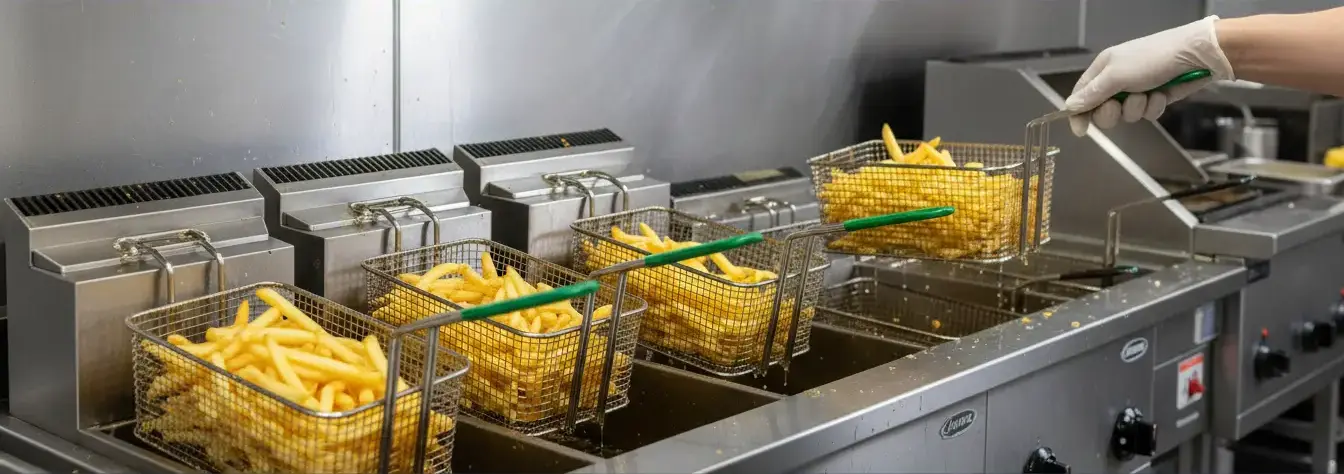
Find the Best Used Cooking Oil Collection Companies for Your Business
No obligation • Fast responses • Nationwide coverage

Why you can trust Restaurant Waste Disposal
Restaurant Waste Disposal is a leading U.S. resource for comparing restaurant composting, food-waste recycling, grease trap cleaning, and used cooking oil collection services. Our editorial team researches providers, checks credentials, and organizes unbiased information so operators can make informed decisions. Companies cannot pay to change ratings or placement.
Search providers near you
Top Used Cooking Oil Collection Companies in Redding, California Ranked
For restaurants and food service businesses in Redding, managing used cooking oil (UCO) is a critical operational and environmental responsibility. Proper handling of this waste stream is not just a best practice-it's a legal requirement under California state law. Effective grease and oil management prevents costly plumbing disasters, avoids regulatory fines, and contributes to a cleaner community by transforming a potential pollutant into valuable resources like biodiesel. This guide outlines the essential steps for compliance, the benefits of professional collection, and how to navigate the local landscape for grease trap and oil recycling services.
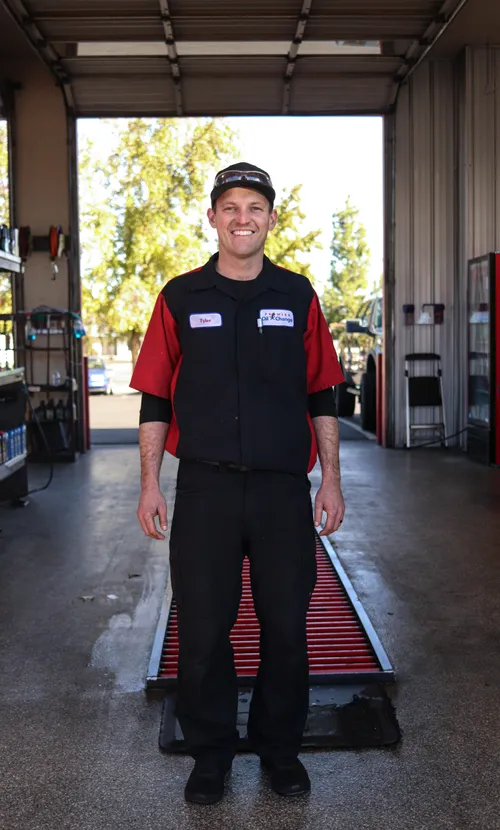
JMB Oil Co
5204 Industrial Way, Anderson, CA 96007
JMB Oil Co is a used cooking oil collection company based in Redding, CA. They specialize in collecting used cooking oil from various clients in the area, helping to manage waste oil responsibly. The company focuses on efficient collection services to support local businesses in proper disposal and recycling efforts.
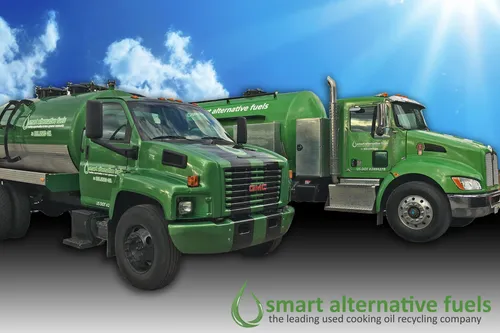
Smart Alternative Fuels
18405 Clear Creek Rd, Redding, CA 96001
Smart Alternative Fuels is a company based in Redding, CA, specializing in eco-friendly used cooking oil collection and grease trap maintenance. They serve businesses across Northern California, Oregon, Washington, and Western Nevada, focusing on sustainable waste management and regulatory compliance. Their services include providing collection containers, regular used cooking oil pickups, and comprehensive grease trap cleaning, pumping, and inspection to prevent blockages and maintain wastewater system efficiency. Operating 24/7, Smart Alternative Fuels supports businesses in turning waste into biodiesel and ensures adherence to federal, state, and local grease trap regulations.
Understanding Your Legal Obligations
In California, used cooking oil is regulated as a hazardous waste, and Redding businesses must adhere to strict state and local guidelines1 2. The core principle is "cradle-to-grave" responsibility, meaning your establishment is accountable for the proper handling, storage, and disposal of all UCO and fats, oils, and grease (FOG) from the moment it's generated until it is recycled or disposed of by a licensed hauler3. Key regulations include mandatory separation of oil from water and food waste, secure storage to prevent spills and theft, and meticulous record-keeping that documents every transfer.
The Critical "No-Pour" Rule
The most fundamental rule is also the simplest to understand: never pour used oil or grease down the drain 4. When poured down sinks, FOG cools, solidifies, and adheres to sewer pipes. Over time, this creates massive blockages that can lead to sanitary sewer overflows (SSOs), environmental contamination, and severe public health risks. For a business, this can result in catastrophic backups, expensive emergency plumbing bills, and significant fines from the City of Redding for violating sewer use ordinances5.
Grease Interceptor Requirements
To comply with sewer regulations, nearly all food service establishments are required to install and maintain a grease trap or grease interceptor6. This device is plumbed into your wastewater line and is designed to capture and separate FOG from water before it enters the municipal sewer system. Regular cleaning and maintenance of this trap by a licensed professional are non-negotiable parts of your waste management plan and are often inspected by local authorities.
Best Practices for On-Site Oil Management
Proper handling begins in your kitchen. Implementing a clear, safe process for your staff is essential for compliance and operational efficiency.
- Cooling and Transfer: Allow oil to cool completely after use. Staff should then carefully drain the cooled oil from fryers into dedicated, sealable containers provided by or approved by your collection service. These are often heavy-duty plastic or metal barrels with locking lids.
- Secure Storage: Store filled containers in a designated, secure area. This should be a level, paved surface, preferably under a cover or indoors, to prevent rainwater contamination and spills. Locking the containers is highly recommended to prevent theft, as used cooking oil has a market value for recyclers.
- Separation is Key: Ensure UCO is kept separate from other waste streams. Do not mix it with water, food scraps, cleaning chemicals, or trash. Contaminated oil is more difficult and costly to recycle and may be rejected by your hauler.
The Professional Collection and Recycling Process
Partnering with a licensed used cooking oil collection service is the most reliable way to ensure compliance. These providers handle the complex logistics and documentation required by law.
- Scheduled Pickups: A reputable service will establish a regular pickup schedule based on your oil production volume-whether weekly, bi-weekly, or monthly. Many offer automated, "hands-off" service where drivers exchange full containers for clean, empty ones.
- Licensed Transportation: The hauler will transport the collected oil using licensed vehicles. Under California law, they must maintain detailed documentation, often called a manifest or bill of lading, for every pickup7. This document records the date, your business information, the volume collected, and the driver's details, providing you with a legal record of proper transfer.
- Recycling and Repurposing: The collected oil is taken to a processing facility where it is cleaned and refined. The primary end product is biodiesel, a clean-burning renewable fuel8 9. UCO can also be used in the production of animal feed supplements, soaps, and industrial lubricants, ensuring it is kept out of landfills and given a productive second life 10.
Find the perfect used cooking oil collection companies for your needs
Get personalized recommendations and expert advice
Financial Considerations: Costs and Potential Rebates
The financial model for used cooking oil collection can vary. Some providers charge a service fee for pickup and container rental, while others may offer the service for free or even provide a rebate based on the volume and quality of oil you generate11 12. Rebate rates can fluctuate with commodity markets but may range from a few cents per gallon. It's important to get clear details from any service provider on their pricing structure. Regardless of direct cost, professional collection should be viewed as an investment that prevents far greater expenses from sewer line repairs, environmental fines, and operational downtime.
How to Choose a Service Provider in Redding
When selecting a used cooking oil and grease trap service partner in Redding, due diligence is crucial.
- Verify Licenses: Always confirm that the hauler is licensed by the California Department of Food and Agriculture and any other required state agencies to transport and recycle grease and hazardous waste.
- Check Services: Many companies offer bundled services, including used oil collection, grease trap cleaning, and kitchen exhaust hood cleaning. Consolidating with one reliable provider can streamline scheduling and compliance.
- Ask for Documentation: A trustworthy provider will automatically supply you with detailed pickup records and certificates of recycling. This paperwork is your proof of compliance during inspections.
- Seek Local References: The City of Redding's Solid Waste Department is a valuable resource for information and may have lists of approved or licensed haulers operating in the area13. You can also search for established regional providers that service the North State.
Benefits Beyond Compliance
Implementing a robust used cooking oil management system delivers significant advantages:
- Environmental Stewardship: Recycling UCO into biodiesel reduces dependence on fossil fuels and lowers greenhouse gas emissions.
- Operational Safety: Reduces slip-and-fall hazards in the kitchen and minimizes odors and pests attracted to improperly stored grease.
- Risk Mitigation: Protects your business from the high costs and reputational damage associated with sewer spills, plumbing emergencies, and regulatory penalties.
- Sustainability Profile: Demonstrates your commitment to sustainable practices, which can be a positive point for eco-conscious customers and the community.
Frequently asked questions
Sources
Footnotes
-
FAQs for Used Oil Collection Centers - https://dtsc.ca.gov/faqs-for-used-oil-collection-centers/ ↩
-
Used Cooking Oil Regulations for Food Service Businesses - https://bakercommodities.com/blog/2024/02/08/legal-requirement-used-cooking-grease/ ↩
-
Used Oil Generator Requirements - https://dtsc.ca.gov/used-oil-generator-requirements/ ↩
-
Restaurant Oil Disposal: Explained - Eazy Grease - https://eazygrease.com/how-do-restaurants-get-rid-of-their-oil/ ↩
-
How to dispose of or recycle Cooking Oil - Default V2 - Oceanside, CA - https://www.ci.oceanside.ca.us/government/water-utilities/environmental-services-programs/zero-waste-program/for-residents#!rc-cpage=757820 ↩
-
Southern California Commercial Kitchen Cooking Oil recycling ... - https://thegreasecompany.com/blog/how-the-grease-is-protecting-you-by-recycling-cooking-oil/2/ ↩
-
Cal. Code Regs. Tit. 3, § 1180.24 - Requirements to Document and ... - https://www.law.cornell.edu/regulations/california/3-CCR-1180.24 ↩
-
Used Oil Recycling Program - CalRecycle Home Page - CA.gov - https://calrecycle.ca.gov/usedoil/ ↩
-
Cooking Oil Collection & Grease Recycling Service - https://thegreasecompany.com/oilcollection.html ↩
-
How to dispose of or recycle Cooking Oil - City of Redding - https://www.cityofredding.gov/government/departments/recycling___solid_waste/how_do_i_dispose_of.php#!rc-cpage=77015 ↩
-
Used Cooking Oil (UCO) Collection Service For Restaurants - https://thegreasecompany.com/blog/restaurant-used-cooking-oil-collection/ ↩
-
Used Cooking Oil Collection & Recycling - North Bay Restaurant Services - https://northbayrestaurantservices.com/used-cooking-oil-collection-recycling-bay-area/ ↩
-
Special Waste - City of Redding - https://www.cityofredding.gov/government/departments/recycling___solid_waste/residential_trash___recycling/special_waste.php ↩