Find the Best Used Cooking Oil Collection Companies for Your Business
No obligation • Fast responses • Nationwide coverage

Why you can trust Restaurant Waste Disposal
Restaurant Waste Disposal is a leading U.S. resource for comparing restaurant composting, food-waste recycling, grease trap cleaning, and used cooking oil collection services. Our editorial team researches providers, checks credentials, and organizes unbiased information so operators can make informed decisions. Companies cannot pay to change ratings or placement.
Search providers near you
Best Used Cooking Oil Collection Companies in California Ranked
For California restaurants, managing used cooking oil (UCO) is a critical operational and environmental responsibility. The state has established a comprehensive regulatory framework to ensure this waste stream is properly handled, stored, and recycled, treating it as a hazardous material if mismanaged. Compliance is not optional; it involves using approved containers, licensed haulers, and meticulous record-keeping to avoid significant fines and protect local waterways. This guide outlines the key rules, best practices, and service considerations for effective UCO collection in California.
North Bay Restaurant Services
437 W 9th St, Santa Rosa, CA 95401
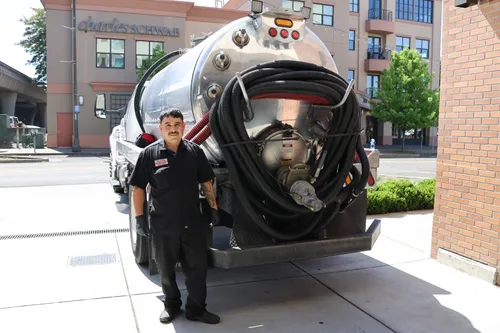
North Bay Restaurant Services in Santa Rosa, CA, has provided kitchen maintenance solutions for nearly 30 years. They serve Bay Area restaurants with services including NFPA-96 hood cleaning, grease trap pumping, interceptor maintenance, hydrojetting, and used cooking oil recycling. Their custom equipment and trained technicians help keep kitchens clean, compliant, and inspection-ready. The company supports a range of clients from neighborhood cafés to Michelin-starred restaurants, ensuring grease traps meet local FOG compliance standards.
The Grease Bucket
Los Angeles, CA
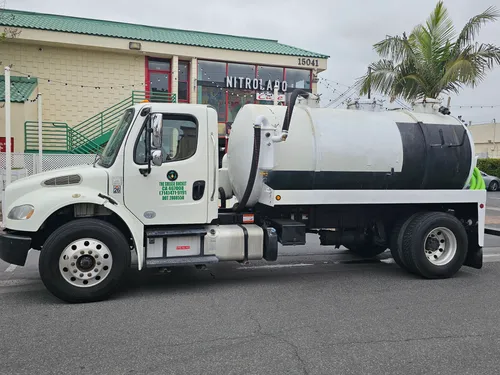
The Grease Bucket provides grease trap cleaning and used cooking oil collection services in Los Angeles, CA. They serve restaurants across Orange County, Los Angeles, San Bernardino, and the Inland Empire area. The company schedules regular collection intervals to prevent overflows and maintains grease interceptors to avoid drain clogs and odors. They recycle used cooking oil into renewable resources, supporting environmental sustainability. The Grease Bucket has been serving customers for over six years and offers emergency pickups when needed during normal business hours.
The Grease Company
Los Angeles, CA
The Grease Company provides grease trap cleaning, grease interceptor repair, used cooking oil collection, and commercial kitchen plumbing services in Los Angeles, CA. They serve a broad area including Orange, Riverside, San Bernardino, San Diego, Ventura, and Santa Barbara counties. The company is equipped with advanced tools for grease trap maintenance and repairs, ensuring compliance with regulations and preventing plumbing issues. They also offer food-grade oil buying and recycling services. The Grease Company is recognized as a leader in commercial FOG waste management and has been featured on AP News for their expertise.
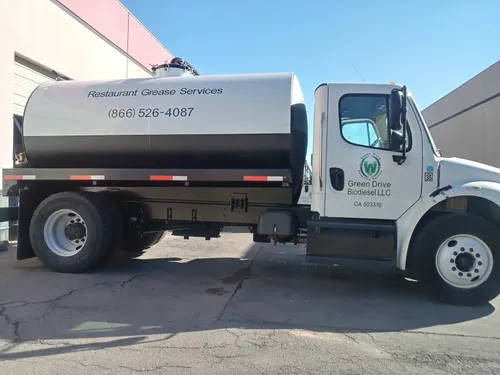
Green Drive Biodiesel LLC
252 W Larch Rd Suit G, Tracy, CA 95304
Green Drive Biodiesel LLC is a company based in Stockton, CA, specializing in used cooking oil collection and grease trap cleaning. They serve food vendors by providing containers for waste cooking oil and managing grease trap maintenance. Their services focus on environmentally responsible disposal and recycling of cooking waste.
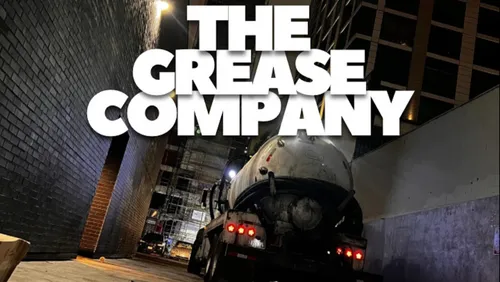
Grease Trap Cleaning
Los Angeles, CA
Grease Trap Cleaning provides commercial kitchen grease management services in Los Angeles, CA, and Orange County. They specialize in grease trap and interceptor cleaning, maintenance, and repair to help prevent blockages, foul odors, and ensure compliance with industry regulations. Their services include scheduled or on-demand grease trap cleaning and used cooking oil collection, supporting smooth kitchen operations and environmental protection. The company is known for fast, reliable service and expertise in maintaining kitchen hygiene and plumbing safety.
Understanding California's Regulatory Framework
California's approach to used cooking oil is dual-purpose: preventing pollution and promoting resource recovery. The state's stringent regulations are designed to keep fats, oils, and grease (FOG) out of sewer systems and ensure oil is transported safely to facilities where it can be recycled into biofuels, animal feed, and other products. Key governing bodies include the Department of Toxic Substances Control (DTSC), CalRecycle, and local sanitation districts, each with specific rules that food service businesses must follow 1.
At its core, the law mandates that UCO must be recycled. When managed properly through a licensed collection and recycling system, it is considered a recyclable material. However, if disposed of improperly-such as being poured down a drain or dumped illegally-it is classified as hazardous waste, subject to far more severe penalties and cleanup requirements. This makes partnering with a compliant service provider essential.
Storage and On-Site Management Requirements
Proper on-site storage is the first and most critical step in compliance. California regulations specify clear standards for how restaurants must handle UCO before it is collected.
- Approved Containers: Oil must be stored in dedicated, sealable containers made of metal or other durable material. These containers must have tight-fitting lids to prevent leaks, spills, and odors.
- Clear Labeling: All containers must be clearly labeled, typically as "Used Cooking Oil" or "Waste Oil," to avoid confusion with fresh product or other materials.
- Secure Location: Storage areas should be on an impervious surface (like concrete), away from storm drains, and in a location that is not accessible to the public or susceptible to vandalism 2.
- No Contamination: It is illegal and problematic to mix used cooking oil with water, solvents, or other kitchen wastes. Contamination reduces the oil's recycling value and can lead to extra service fees 3.
- Grease Interceptor Maintenance: Separate from UCO collection, all food service establishments are required to have and maintain an approved grease trap or interceptor. These devices capture FOG from wastewater before it enters the sewer system and must be cleaned regularly according to the California Plumbing Code and local ordinances.
The Legal Collection and Transportation Process
You cannot have just anyone pick up your used oil. California law requires a chain of custody that ensures oil is transported legally to a permitted recycling facility.
- Licensed Haulers Only: Restaurants must contract with a transporter registered with the DTSC to haul used oil 4. These licensed haulers have the insurance, equipment, and knowledge to handle the material safely and in compliance with state law.
- The Manifest System: Each pickup should be accompanied by a manifest-a detailed shipping document. The restaurant (generator), the hauler, and the recycling facility all sign this form. It's crucial to keep copies of these manifests for at least three years as proof of proper disposal 5 6.
- Permitted Destinations: The collected oil must be delivered to a DTSC-permitted Used Oil Recycling Facility (UORF). These facilities are authorized to process and recycle the oil into usable products 7.
- Quality Testing: Under laws like SB 546, transporters are required to test shipments to ensure the oil meets quality standards for recycling, helping to maintain the integrity of the recycling stream 8.
Find the perfect used cooking oil collection companies for your needs
Get personalized recommendations and expert advice
Environmental and Compliance Impacts
Adhering to these regulations has direct positive impacts. Environmentally, proper collection prevents UCO from contaminating soil and groundwater, clogging sewer lines, and harming aquatic ecosystems. When recycled, it is converted into renewable biodiesel, a cleaner-burning fuel that reduces greenhouse gas emissions 9.
From a business perspective, compliance is a direct shield against liability. Fines for illegal dumping, sewer spills, or improper hazardous waste management can be substantial, often far exceeding the cost of a reliable collection service. Furthermore, maintaining good records (manifests, hauler licenses) is your primary defense in an audit or inspection 10 11.
Service Options and Cost Considerations
Collection service costs in California vary based on volume, frequency, location, and the quality of your oil. Understanding this pricing helps in selecting the right service partner.
- Basic Service: For a restaurant with clean, uncontaminated oil and regular weekly or bi-weekly pickup, monthly fees often range from $35 to $60.
- Premium or Emergency Service: Services offering flexible scheduling, expedited pickups, or emergency clean-outs typically charge higher rates, often $75 to $120 or more per month.
- Surcharges: Be aware of potential extra fees. Contaminated oil (mixed with water or food debris) commonly incurs a surcharge, which can range from $25 to $75 per incident. Travel fees may also apply for locations in remote areas 12.
- The "Free" Service Model: Some providers advertise free pickup. It's important to scrutinize these offers, as costs may be recouped through high contamination fees, less frequent service leading to overflows, or by claiming ownership of the oil itself, which can have implications for recycling credits.
- Volume Discounts: Restaurants with multiple locations or very high oil output can often negotiate volume-based discounts with service providers.
Choosing a provider should balance cost with reliability, compliance assurance, and transparency. A licensed hauler that provides consistent manifests and transparent pricing is typically a more secure long-term partner than the lowest-cost option.
Building a Compliant UCO Management Program
To ensure ongoing compliance, restaurants should establish a clear internal protocol:
- Designate a Point Person: Assign a staff member to oversee UCO storage and scheduling pickups.
- Train Your Staff: Ensure all kitchen employees know to pour oil only into designated, labeled containers-never into sinks, floor drains, or trash bins.
- Audit Your Storage Area: Regularly check that containers are sealed, labeled, and in good condition, and that the storage area is clean.
- Maintain Your Paperwork: File all hauling manifests and keep your service contract and hauler's DTSC registration information readily available for inspections.
- Communicate with Your Hauler: Report any issues like overfull containers or suspected contamination promptly.
By treating used cooking oil as a regulated commodity rather than mere waste, California restaurants can fulfill their legal duties, contribute to the state's sustainability goals, and avoid the steep costs of non-compliance.
Frequently asked questions
Sources
Footnotes
-
Used Oil Recycling Program - CalRecycle Home Page - https://calrecycle.ca.gov/usedoil/ ↩
-
Cooking Oil - Riverside County Waste Resources - https://rcwaste.org/cooking-oil ↩
-
Used Cooking Oil (UCO) Collection Service For Restaurants - https://thegreasecompany.com/blog/restaurant-used-cooking-oil-collection/ ↩
-
Used Oil Generator Requirements - https://dtsc.ca.gov/used-oil-generator-requirements/ ↩
-
What Restaurants Should Know About California Oil Disposal Laws - https://startgreencommodities.com/post/restaurant-grease-trap-requirements ↩
-
Used Oil and Oil Filter Management - County of San Diego - https://www.sandiegocounty.gov/content/dam/sdc/deh/hmd/pdf/hm_dtsc_used_oil_filters.pdf ↩
-
FAQs for Used Oil Collection Centers - https://dtsc.ca.gov/faqs-for-used-oil-collection-centers/ ↩
-
Used Oil | Department of Toxic Substances Control - CA.gov - https://dtsc.ca.gov/used-oil/ ↩
-
Southern California Commercial Kitchen Cooking Oil recycling ... - https://thegreasecompany.com/blog/how-the-grease-is-protecting-you-by-recycling-cooking-oil/2/ ↩
-
How Recycling Used Cooking Oil Can Save Restaurants Money and ... - https://www.cbs42.com/business/press-releases/ein-presswire/864508472/how-recycling-used-cooking-oil-can-save-restaurants-money-and-enhance-sustainability-efforts ↩
-
What Does The California Law Say About Used Cooking Oil ... - https://www.grandnatural.com/blog/what-does-the-california-law-say-about-used-cooking-oil-disposal.html ↩
-
Why "Free" Used Cooking Oil Collection Can Cost More Than ... - https://greaseconnections.com/free-used-oil-pickup-cost-trap/ ↩