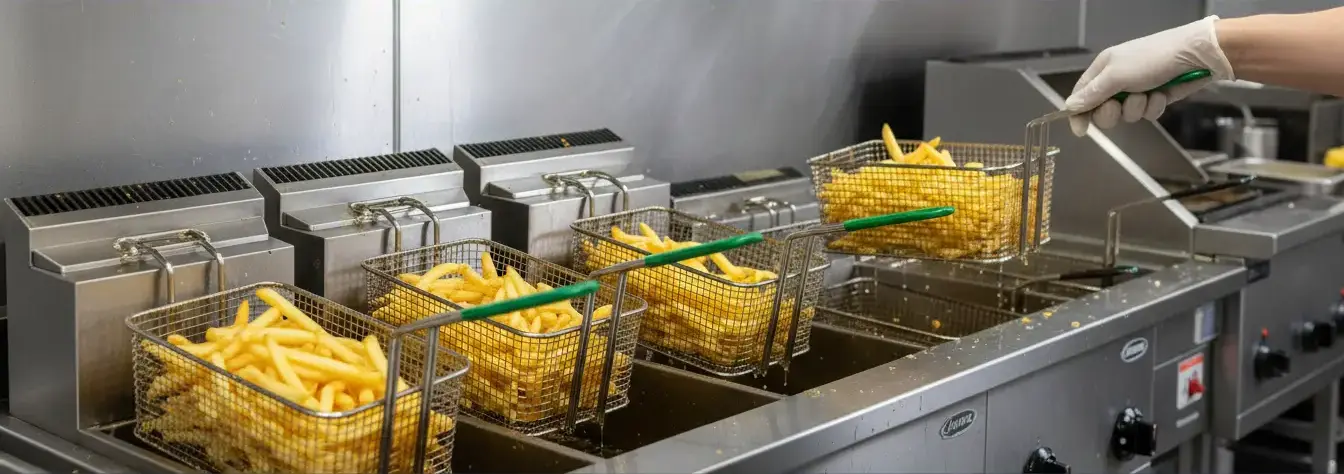
Find the Best Used Cooking Oil Collection Companies for Your Business
No obligation • Fast responses • Nationwide coverage

Why you can trust Restaurant Waste Disposal
Restaurant Waste Disposal is a leading U.S. resource for comparing restaurant composting, food-waste recycling, grease trap cleaning, and used cooking oil collection services. Our editorial team researches providers, checks credentials, and organizes unbiased information so operators can make informed decisions. Companies cannot pay to change ratings or placement.
Search providers near you
Top Used Cooking Oil Collection Companies in Garden Grove, California Ranked
For restaurants and food service establishments in Garden Grove, managing used cooking oil (UCO) is a critical operational and environmental responsibility. Proper collection and recycling of this liquid waste stream is not just a best practice-it's mandated by California state law. Navigating the requirements for fats, oils, and grease (FOG) management involves understanding local collection services, storage best practices, and compliance regulations. This guide provides a clear overview of how Garden Grove businesses can efficiently handle their used fryer oil, turning a waste product into a valuable resource for biofuel production while adhering to all legal obligations.
The Grease Bucket
Los Angeles, CA
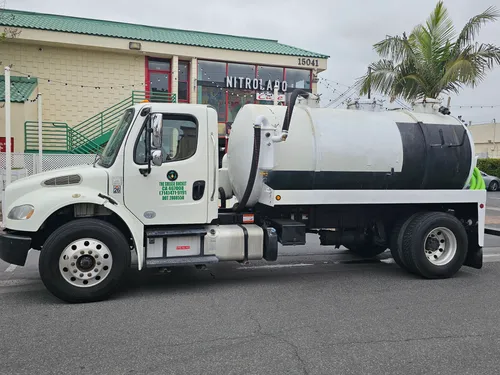
The Grease Bucket provides grease trap cleaning and used cooking oil collection services in Los Angeles, CA. They serve restaurants across Orange County, Los Angeles, San Bernardino, and the Inland Empire area. The company schedules regular collection intervals to prevent overflows and maintains grease interceptors to avoid drain clogs and odors. They recycle used cooking oil into renewable resources, supporting environmental sustainability. The Grease Bucket has been serving customers for over six years and offers emergency pickups when needed during normal business hours.
Trinity Oil & Grease Recycling
Los Angeles, CA
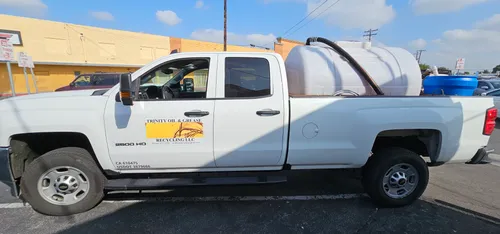
Trinity Oil & Grease Recycling provides used cooking oil collection and grease trap cleaning services in Los Angeles, CA. They offer on-call and scheduled pickups with 24-hour availability across Los Angeles County, Orange County, and Ventura County. Their services include recovery, transportation, disposal, and recycling of kitchen oil and grease, along with high-pressure washing for grease spills and property cleanliness. They supply grease and oil storage containers ranging from 15 to 200 gallons with no minimum amount required for collection. Trinity Oil & Grease Recycling also provides manifest reports as proof of collection to help clients maintain compliance with health and wastewater regulations.
The Grease Company
1116 N Harbor Blvd, Santa Ana, CA 92703
The Grease Company provides grease trap cleaning, repair, and used cooking oil collection services in Los Angeles, CA. They specialize in maintaining commercial kitchen grease traps to prevent clogs and ensure compliance with sanitation regulations. Their capabilities include hydro jetting and environmentally responsible cooking oil disposal. With 12 years of experience, The Grease Company is licensed to serve Southern California and offers transparent pricing and free quotes.
Phoenix Pumping LLC
3131 E Palmyra Ave, Orange, CA 92869
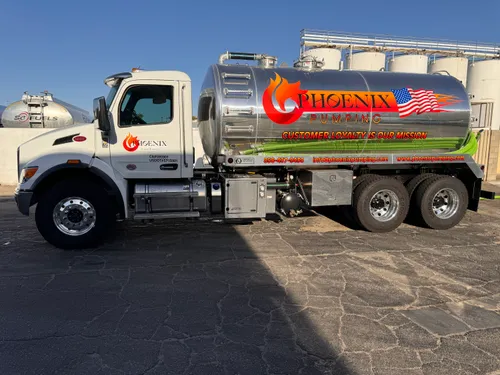
Phoenix Pumping LLC offers cooking oil recycling and grease trap cleaning services in Los Angeles, CA, extending coverage to Southern California counties as well as Arizona and Nevada. The company serves large restaurant chains and facilities with multiple kitchens, providing licensed grease trap cleaning including large outdoor installations. With over a decade of experience, Phoenix Pumping transforms used cooking oil into renewable diesel with a significantly lower carbon footprint. They provide 24/7 availability and a single point of contact for all service needs.
Skyline Grease Services
Los Angeles, CA
Skyline Grease Services provides used cooking oil collection and grease trap cleaning in Los Angeles, CA. They handle grease trap maintenance and oil collection to support local businesses in managing waste effectively.
Understanding California and Garden Grove FOG Regulations
Compliance is the foundation of any waste management plan. In Garden Grove, businesses must operate under both state mandates and local ordinances designed to keep FOG out of landfills and the sewer system.
State Mandate: SB 1383 California's landmark law, SB 1383, requires businesses to recycle their organic waste, which explicitly includes fats, oils, and grease. This means pouring used oil down the drain or tossing it in the trash is illegal. The law aims to reduce greenhouse gas emissions from landfills by diverting organic materials to recycling and composting facilities.
Local Grease Interceptor Rules The City of Garden Grove enforces specific rules for Food Service Establishments (FSEs) regarding grease interceptors or grease traps 1. These devices are essential for preventing FOG from entering the public sewer system, where it can cause costly blockages and overflows. Key requirements include:
- Regular Maintenance: Grease interceptors must be pumped out and cleaned at least every six months.
- Increased Frequency: If a business does not track its grease interceptor maintenance, the required pumping frequency increases to quarterly.
- Proper Disposal: The collected grease and solids from these interceptors must be hauled by a licensed service and cannot be placed in your standard organic or trash carts.
Setting Up Your Kitchen for Oil Collection
Effective UCO management starts inside your kitchen with proper storage. This not only ensures safety and hygiene but also streamlines the pickup process for your service provider.
Choosing the Right Storage Bin Collection services typically provide storage containers at no cost to the business. These come in various sizes, commonly ranging from 40-gallon drums to 300-gallon outdoor tanks. The right choice depends on your weekly oil usage and available space.
- Indoor, Locking Bins (40-55 gallons): These are a popular choice for many restaurants. Their smaller size makes them easier to maneuver in a busy kitchen, and the locking lid is a crucial theft-deterrent feature, as used oil has value on the secondary market.
- Larger Outdoor Tanks: High-volume establishments may opt for a larger, stationary tank placed in a secure outdoor area. This reduces the frequency of handling smaller containers but requires secure, accessible outdoor space.
Best Practices for Storage
- Cool Before Transferring: Always allow oil to cool completely before pouring it from fryers into your storage container to prevent burns and container damage.
- Keep Lids Secure: Always keep collection bin lids tightly closed when not in use to prevent spills, odors, and pest attraction.
- Designate a Storage Area: Choose a stable, level surface away from high-traffic areas and heat sources for your collection bin.
How Used Cooking Oil Recycling Works
The journey from your fryer to becoming biofuel is a straightforward recycling loop that benefits both your business and the environment.
The Collection Process On your scheduled pickup day, you'll place your full storage container in a pre-arranged location, typically curbside or in a designated service alley. A trained crew from your collection service will arrive, safely transfer the oil into a spill-proof tanker truck, and leave you with an empty, clean container ready for use 2. Many providers offer flexible scheduling, from weekly to monthly pickups, based on your generation volume.
From Waste to Resource Once collected, the used cooking oil is transported to a processing facility. Here, it undergoes filtration to remove food particles and water. The purified oil is then sold as a feedstock for various industries, with its primary destination being biodiesel production plants. Biodiesel is a renewable, cleaner-burning fuel alternative to petroleum diesel. By participating in UCO recycling, Garden Grove restaurants directly contribute to California's renewable energy goals and circular economy.
Find the perfect used cooking oil collection companies for your needs
Get personalized recommendations and expert advice
Navigating Costs and Service Agreements
Understanding the common pricing models for UCO collection can help you budget effectively and choose the right service partner.
The Volume-Based Model The most prevalent pricing structure is based on the volume of oil you generate. Many services offer free collection for businesses that consistently fill a container with a minimum amount, often around 40 gallons, per pickup cycle. In this model, the recycler's revenue comes from selling the processed oil, making it a mutually beneficial arrangement.
Fees for Smaller Volumes If your establishment generates less than the minimum threshold (e.g., under 40 gallons per pickup), you may incur a service fee. This fee, which can start around $25 or more, covers the cost of transportation and labor for the collection 3 4. It's important to discuss your expected volume honestly with providers to get accurate pricing.
What's Typically Included When evaluating services, confirm what is covered. Reputable providers usually include:
- The supply of collection containers at no upfront charge.
- Regular scheduled pickups.
- The recycling of all collected oil.
- Documentation or receipts for your records, which can be important for compliance audits.
Key Local Resources and Service Providers
While the City of Garden Grove's waste and recycling services are managed by Republic Services, the collection of used cooking oil and grease interceptor waste is typically handled by specialized, licensed third-party vendors 5.
Local and Regional Collectors
- Specialized FOG Haulers: Companies like Grand Natural Inc. operate specifically in the Garden Grove area, offering tailored used cooking oil pickup and recycling schedules. These specialized providers understand local regulations and can often provide comprehensive FOG management guidance.
- Biofuel Producers: Some regional biofuel companies, such as Reyes Energy Corporation, also operate collection programs, creating a direct pipeline from your kitchen to their refinery 6.
Essential Regulatory Resources Staying informed is key to compliance. Bookmark these official resources:
- City of Garden Grove Public Works: The city's website hosts vital information on organics recycling, the FOG ordinance, and edible food recovery programs 7 8.
- CalRecycle: The state's recycling department provides extensive information on the Used Oil Recycling Program, which includes UCO, and offers resources for both households and businesses 9.
Building a Compliant and Sustainable FOG Program
A proactive approach to FOG management protects your business from fines, reduces your environmental footprint, and can even streamline operations.
Create a FOG Management Plan Document your procedures for:
- Oil Storage: Designate staff responsible for cooling, transferring, and securing used oil.
- Collection Scheduling: Maintain a calendar for both UCO pickups and mandatory grease interceptor pump-outs.
- Record Keeping: File all service receipts and maintenance logs. The City's FOG ordinance requires maintaining records of grease interceptor servicing for a minimum of three years.
Train Your Staff Ensure all kitchen staff understand why proper oil disposal is important. Simple training on letting oil cool, using designated containers, and never pouring grease down the drain can prevent costly plumbing issues and compliance violations.
Regularly Review Your Service As your business changes, so might your oil volume. Periodically review your collection schedule and container size with your provider to ensure you're on the most efficient and cost-effective plan. If you increase your frying volume, you may qualify for free pickup; if volume decreases, you can adjust to avoid unnecessary fees.
Frequently asked questions
Sources
Footnotes
-
Ordinance No. 6 - City of Garden Grove - https://ggcity.org/sites/default/files/ordinance-6-fog.pdf ↩
-
Garden Grove Recycling & Waste Newsletter - https://ggcity.org/sites/default/files/Recycling-Waste-Newsletter-Winter2023.pdf ↩
-
Garden Grove Used Cooking Oil Collection Service - https://greasemanagement.org/oilcollectiongardengrove.html ↩
-
Used Cooking Oil Pickup and Recycling Garden Grove - Grand Natural - https://www.grandnatural.com/locations/used-cooking-oil-recycling-in-garden-grove.html ↩
-
Recycle | City of Garden Grove - https://ggcity.org/pw/recycle ↩
-
Cooking Oil Disposal - Reyes Energy Corporation - https://www.reyesenergycorporation.com/cooking-oil-disposal/ ↩
-
Organics Recycling - City of Garden Grove - https://ggcity.org/public-works/organics-recycling ↩
-
Edible Food Recovery - City of Garden Grove - https://ggcity.org/public-works/edible-food-recovery ↩
-
Used Oil Recycling Program - CalRecycle Home Page - https://calrecycle.ca.gov/usedoil/ ↩