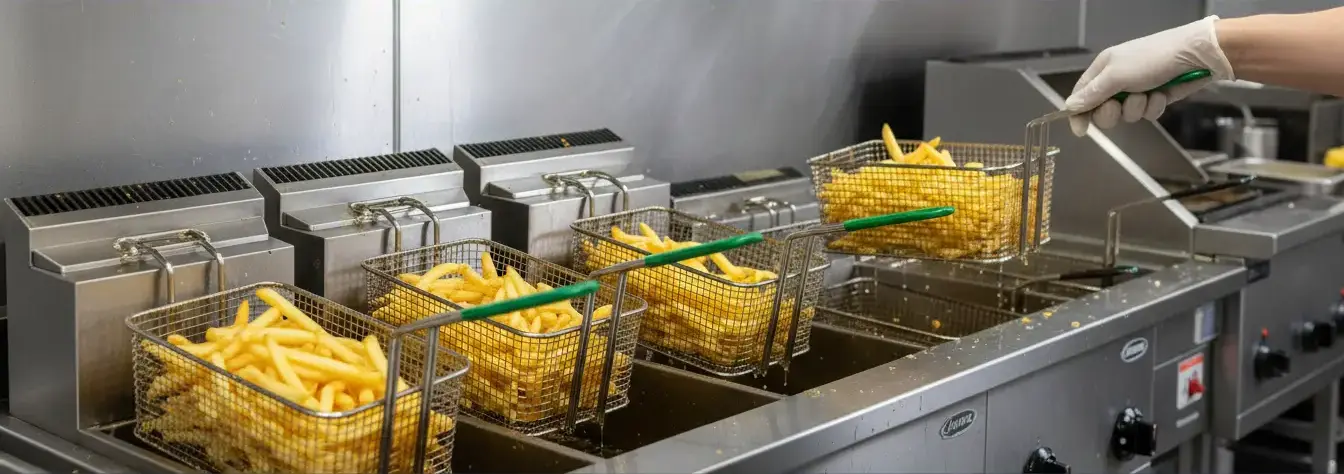
Find the Best Used Cooking Oil Collection Companies for Your Business
No obligation • Fast responses • Nationwide coverage

Why you can trust Restaurant Waste Disposal
Restaurant Waste Disposal is a leading U.S. resource for comparing restaurant composting, food-waste recycling, grease trap cleaning, and used cooking oil collection services. Our editorial team researches providers, checks credentials, and organizes unbiased information so operators can make informed decisions. Companies cannot pay to change ratings or placement.
Search providers near you
Top Used Cooking Oil Collection Companies in Chula Vista, California Ranked
For restaurants and food service establishments in Chula Vista, managing used cooking oil (UCO) is more than just a routine kitchen task-it's a critical component of regulatory compliance, environmental stewardship, and operational efficiency. Proper grease trap and UCO management is mandated by the City of Chula Vista's Fats, Oils, and Grease (FOG) Control Program, which requires an Industrial Wastewater Discharge Permit and strict maintenance protocols. Beyond avoiding fines, establishing a reliable system for waste oil pickup and recycling transforms a potential liability into a resource, contributing to the local circular economy through biodiesel production. This guide outlines the essential steps, local rules, and benefits of professional used cooking oil collection services in Chula Vista.
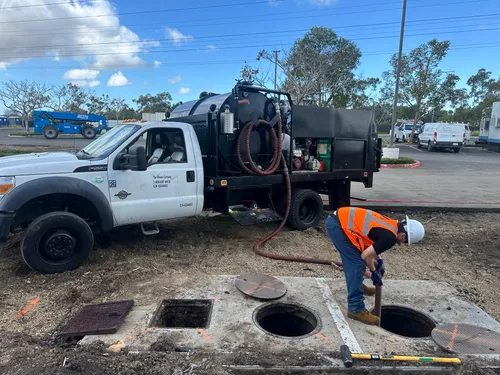
San Diego Grease Company
San Diego, CA
San Diego Grease Company provides grease trap cleaning and used cooking oil collection services throughout San Diego, CA. They serve a wide range of commercial kitchens including restaurants, hotels, and food processing facilities, ensuring compliance with local regulations and environmental standards. Their services include grease trap and interceptor cleaning, as well as eco-friendly used cooking oil collection and recycling. The company is certified by the California Department of Food and Agriculture and offers 24/7 support to clients. With nearly a decade of experience, they focus on maintaining grease recovery devices to prevent plumbing issues and promote sustainability.
City of Poway materials handling yard
12325 Crosthwaite Cir, Poway, CA 92064
The City of Poway materials handling yard in Poway, CA, offers a Household Hazardous Waste (HHW) Collection Facility for safe disposal of various hazardous materials. Residents can drop off items such as used cooking oil, automotive fluids, batteries, electronic devices, and other household toxins without an appointment. The facility requires proof of residency and accepts waste in original containers, following transportation and weight limits to ensure safety. This service helps prevent illegal disposal of hazardous waste and promotes environmentally responsible handling of toxic substances.

Chula Vista Environmental Services
1800 Maxwell Rd, Chula Vista, CA 91911
Chula Vista Environmental Services provides waste management and sustainability programs in Chula Vista, CA. They offer used cooking oil collection and food waste composting services for restaurants and businesses. The department also manages household hazardous waste disposal, including paints, pesticides, and motor oil, at the South Bay Household Hazardous Waste Collection Facility. Additionally, they operate a Reuse Center where residents can obtain reusable products like paint and household chemicals. Free home pick-up is available for eligible disabled or elderly residents who cannot transport hazardous waste themselves.
Understanding Chula Vista's FOG Regulations
The cornerstone of kitchen grease management in Chula Vista is the city's FOG Control Program. Food establishments are legally required to obtain an Industrial Wastewater Discharge Permit, commonly known as a FOG Permit1. This program is designed to prevent sewer blockages and overflows, which can cause significant environmental damage and incur costly repairs for the city.
Compliance involves several key actions:
- Grease Trap/Interceptor Maintenance: Traps must be maintained at least every three months and pumped when they are one-quarter full-a standard often called the "1/4th Rule".
- Detailed Record-Keeping: Establishments must keep maintenance logs and service records for all grease removal equipment, which are subject to inspection.
- Source Separation: Organic waste, including used cooking oil, must be stored separately from other garbage to facilitate proper collection and recycling.
These local mandates work in tandem with California's statewide organics recycling law, SB 1383, which requires businesses to subscribe to organic waste collection services or obtain a formal waiver if they self-haul2. A professional UCO collection service is typically the simplest path to fulfilling both city and state requirements.
The Professional Collection Process for Used Fryer Oil
Partnering with a licensed used cooking oil recycler streamlines waste management. Reputable providers like Mahoney Environmental or Baker Commodities offer scheduled pickup services tailored to your kitchen's volume.
The standard process is straightforward:
- Secure On-Site Storage: Staff safely transfer cooled UCO into a dedicated, secure container provided by the recycler. These containers are designed to be leak-proof and have tight-fitting lids.
- Scheduled Pickup: On a pre-arranged schedule, the service provider collects the full container. They typically replace it with a clean, empty unit, ensuring no interruption in your kitchen's operations.
- Responsible Recycling: The collected oil is transported to a processing facility. There, it is filtered and purified to become a valuable feedstock, primarily for the production of renewable biodiesel fuel 3.
This closed-loop system ensures your kitchen waste is handled safely and transformed into a beneficial product.
Best Practices for On-Site Oil Handling and Storage
Proper handling before pickup is crucial for safety, compliance, and maintaining oil quality. Adhering to these best practices protects your staff, your premises, and the local sewer system.
- Use Approved Containers: Always store UCO in the secure, non-reactive containers (often stainless steel) provided by your collection service. Never use makeshift containers that can leak or degrade4.
- Designate a Storage Area: Place containers in a cool, dark, and secure location to prevent degradation and deter unauthorized access. The area should be clearly marked and accessible for collection trucks5.
- Never Pour Down Drains: It is illegal and environmentally harmful to dispose of grease or oil down sinks, floor drains, or storm drains. This practice is a leading cause of sewer blockages (fatbergs) and can result in significant fines6.
- Allow Oil to Cool: Always let oil cool completely before transferring it to storage containers to prevent burns and fire hazards.
- Keep Lids Secure: Ensure container lids are tightly sealed after each use to prevent spills, odors, and pest attraction.
Find the perfect used cooking oil collection companies for your needs
Get personalized recommendations and expert advice
The Financial and Environmental Benefits of Recycling
Implementing a professional used cooking oil collection program offers tangible advantages beyond mere compliance. It can positively impact your bottom line and your brand's sustainability profile.
- Cost Management and Potential Revenue: While service costs vary, many recyclers structure pricing competitively. For establishments generating large volumes of high-quality oil, some services may offer payment or credit, effectively turning a waste product into a minor revenue stream that can offset service fees7 8.
- Avoiding Costly Penalties: Proper recycling is your primary defense against fines for non-compliance with Chula Vista's FOG permit rules or state organics laws. It also prevents the far greater expense of repairing sewer backups caused by grease blockages9.
- Supporting the Circular Economy: Recycling UCO into biodiesel creates a valuable renewable energy source. This process reduces dependence on fossil fuels, lowers greenhouse gas emissions, and contributes to California's clean energy goals, allowing your business to be part of the solution10.
- Enhancing Operational Safety and Cleanliness: A structured collection system eliminates the hazards and mess associated with storing and disposing of hot, slippery grease, leading to a safer, cleaner kitchen environment.
Choosing a Service Provider in Chula Vista
When selecting a used cooking oil collection partner, consider factors that ensure reliability and full compliance.
- Verify Licensing and Insurance: Confirm the provider is fully licensed to handle and transport UCO in California and carries adequate insurance.
- Assess Service Flexibility: Look for a company that offers pickup schedules aligned with your kitchen's production volume-whether weekly, bi-weekly, or monthly-and can scale service as your needs change.
- Evaluate Container and Equipment Quality: The provider should supply robust, sealed containers that prevent leaks and pests. Ask about their cleaning and replacement policies for this equipment.
- Request Documentation Protocols: A reputable provider will supply detailed service reports and documentation (manifests) for each pickup. This paperwork is essential for maintaining your FOG permit compliance records.
- Understand the Full Cost Structure: Get clear details on all fees, any potential credits for oil quality, and the terms of the service agreement. Transparency here avoids unexpected charges.
Frequently asked questions
Sources
Footnotes
-
Fats, Oils and Grease (FOG) Control Program | City of Chula Vista - https://www.chulavistaca.gov/departments/engineering/wastewater-engineering/fogcontrolprogram ↩
-
Food and Yard Waste Program Compliance Waiver | City of Chula ... - https://www.chulavistaca.gov/departments/sustainability/food-waste/commercial-food-waste-collection/food-and-yard-waste-program-compliance-waiver/waiver-survey ↩
-
Used Cooking Oil Pickup vs Drop-Off-What's Best for Restaurants? - https://www.greaseprosrecycling.com/used-cooking-oil-pickup-vs-drop-off/ ↩
-
Used Cooking Oil (UCO) Collection Service For Restaurants - https://thegreasecompany.com/blog/restaurant-used-cooking-oil-collection/ ↩
-
Restaurant Oil Disposal: Explained - Eazy Grease - https://eazygrease.com/how-do-restaurants-get-rid-of-their-oil/ ↩
-
Cooking Grease - City of San Diego - https://www.sandiego.gov/sites/default/files/legacy/mwwd/pdf/greaseeng.pdf ↩
-
Used Cooking Oil Recycling in San Diego - Phoenix Pumping - https://phoenixpumping.com/grease-trap-cleaning-used-cooking-oil-recycling-in-san-diego/ ↩
-
How Recycling Used Cooking Oil Can Save Restaurants Money and ... - https://www.cbs42.com/business/press-releases/ein-presswire/864508472/how-recycling-used-cooking-oil-can-save-restaurants-money-and-enhance-sustainability-efforts ↩
-
Navigating Legal Requirements for Used Cooking Oil Disposal - https://bakercommodities.com/blog/2024/02/08/legal-requirement-used-cooking-grease/ ↩
-
Used Cooking Oil Pickup & Recycling Services in San Diego ... - https://www.mahoneyes.com/waste-oil-pickup-recycling-san-diego-ca/ ↩