
Find the Best Used Cooking Oil Collection Companies for Your Business
No obligation • Fast responses • Nationwide coverage

Why you can trust Restaurant Waste Disposal
Restaurant Waste Disposal is a leading U.S. resource for comparing restaurant composting, food-waste recycling, grease trap cleaning, and used cooking oil collection services. Our editorial team researches providers, checks credentials, and organizes unbiased information so operators can make informed decisions. Companies cannot pay to change ratings or placement.
Search providers near you
Top Used Cooking Oil Collection Companies in Stockton, California Ranked
For restaurants, commercial kitchens, and food service establishments in Stockton, managing used cooking oil (UCO) is a critical operational and environmental responsibility. Proper grease disposal and collection are not just about cleanliness; they are mandated by local and state regulations to protect the city's sewer infrastructure from costly and disruptive blockages. By partnering with a licensed hauler for professional used cooking oil pickup, Stockton businesses can ensure compliance, contribute to a circular economy by converting waste into biofuel, and potentially turn a waste product into a source of rebates or revenue. This guide outlines the essential steps, legal requirements, and economic considerations for effective grease management in Stockton.
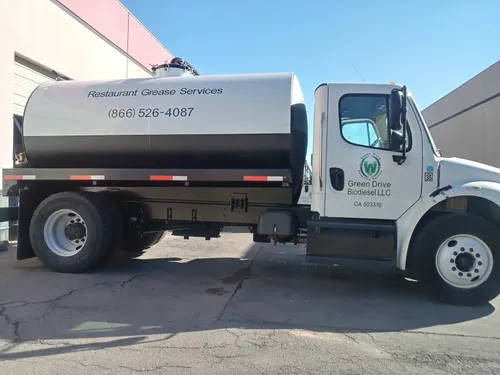
Green Drive Biodiesel LLC
252 W Larch Rd Suit G, Tracy, CA 95304
Green Drive Biodiesel LLC is a company based in Stockton, CA, specializing in used cooking oil collection and grease trap cleaning. They serve food vendors by providing containers for waste cooking oil and managing grease trap maintenance. Their services focus on environmentally responsible disposal and recycling of cooking waste.
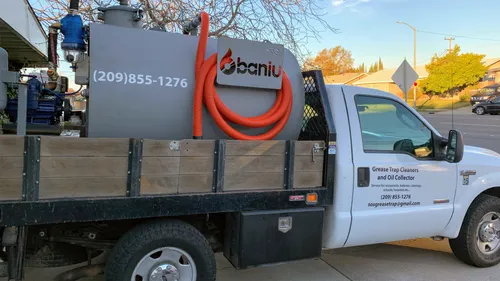
Grease Trap Cleaners and Oil Collector
722 Katlin Ct, Tracy, CA 95376
Grease Trap Cleaners and Oil Collector provides grease trap cleaning and used cooking oil collection services in San Jose, CA. The company specializes in maintaining grease traps and safely collecting used cooking oil to support proper waste management and recycling efforts.
Understanding Local FOG Regulations
The City of Stockton has specific rules governing Fats, Oils, and Grease (FOG) to prevent sanitary sewer overflows (SSOs). Compliance is not optional; it's a legal requirement for all food service establishments.
- Licensed Haulers Only: Businesses must use a licensed waste hauler for used cooking oil and grease trap waste pickup. Using unlicensed operators can result in violations.
- No Drain Disposal: It is illegal to pour any fats, oils, or grease down sinks, floor drains, or toilets. This is the primary cause of sewer clogs and backups.
- Proper Storage: Used oil must be stored in sealed, durable containers or designated collection bins to prevent leaks, spills, and odors.
- Grease Trap Maintenance: Grease interceptors and traps must be regularly inspected, maintained, and pumped by a licensed service to ensure they function correctly.
City inspectors can verify compliance, and failure to adhere to these regulations can lead to significant fines and enforcement actions.
The Professional Collection Process
Engaging a professional service for grease recycling streamlines operations and ensures safety. The process is typically straightforward and integrated into your kitchen's routine.
- Storage: After use, cooled cooking oil is transferred into a dedicated, sealed container provided by your hauler. This is often a barrel or a specially designed outdoor collection bin.
- Scheduled Pickup: Based on your volume, your hauler will establish a regular pickup schedule. They arrive with specialized trucks to safely pump or swap out your full containers for clean, empty ones.
- Transport & Processing: The collected oil is transported to a processing facility. There, it undergoes filtering to remove food particles and water. The clean oil is then repurposed-primarily as a feedstock for biodiesel production or converted into industrial lubricants and animal feed supplements. It is never re-refined for human consumption 1 2 3.
The Financial Side: Costs, Rebates, and Revenue
A common misconception is that used cooking oil disposal is purely an expense. In reality, the model is often designed to offset or eliminate costs, and for some businesses, it can generate modest income. The key factors are volume and oil quality.
- Free Pickup Services: Many providers offer free pickup for restaurants producing lower volumes of oil, typically under 100 gallons per month. This service removes a waste product at no direct charge to the business 4.
- Earning Rebates: For medium to high-volume producers (generally over 100 gallons per month), the used oil has commodity value. Haulers may offer a rebate or payment per gallon collected. Rates fluctuate with the biofuel market but have historically ranged from $0.10 to over $0.65 per gallon 5 6 7.
- Maximizing Value: The cleaner and more free of water and food solids your oil is, the more valuable it becomes. Proper handling-like filtering before storage and keeping container lids sealed-directly impacts the rebate you can earn.
Find the perfect used cooking oil collection companies for your needs
Get personalized recommendations and expert advice
Best Practices for Kitchen Staff Training
Regulations and recycling programs only work with proper execution at the source. Consistent staff training is the most effective way to ensure compliance and maximize the benefits of your oil collection program.
- Dry Wiping First: Implement a "dry wipe" policy. Scrape and wipe pots, pans, and dishes with a paper towel or rubber scraper to remove excess grease before they enter the dishwashing sink 8.
- Designated Containers: Clearly label UCO storage containers and educate all staff on their use. Emphasize that no other liquids or solids should go into these bins.
- Grease Trap Awareness: Ensure staff know the location and purpose of grease interceptors. They should understand that solids like coffee grounds or food scraps should never be put down drains, as they overwhelm these traps 9.
- Spill Response: Have a simple plan for containing and cleaning up minor oil or grease spills in the kitchen to prevent slip hazards and keep grease out of floor drains.
Choosing a Service Provider in Stockton
Selecting the right partner for your grease trap cleaning and used oil collection is crucial. Look for a provider that aligns with your business needs and ensures full compliance.
- Verify Licensing: Always ask for proof of a valid California and local business license for waste hauling. This is your first line of defense against liability 10.
- Understand the Contract: Carefully review service agreements. Look for clear terms on pickup schedules, container provision, payment terms (if any), and responsibilities in case of a spill or incident during service.
- Ask About Sustainability: Inquire about the final destination of your used oil. Reputable providers will be transparent about their partnerships with biodiesel refiners or other recycling facilities.
- Seek References: A reliable provider should be able to offer references from other local restaurants or commercial kitchens.
For the most current local information and a list of licensed haulers, contacting the City of Stockton's Public Works or Wastewater Department is an excellent starting point 11 12.
Frequently asked questions
Sources
Footnotes
-
What happens with the used oil from restaurants and fast-food ... - https://www.quora.com/What-happens-with-the-used-oil-from-restaurants-and-fast-food-chains-Is-there-any-sort-of-recycling ↩
-
Cooking Oil Collection & Grease Recycling Service - https://thegreasecompany.com/oilcollection.html ↩
-
What Does The California Law Say About Used Cooking Oil Disposal? - https://www.grandnatural.com/blog/what-does-the-california-law-say-about-used-cooking-oil-disposal.html ↩
-
"Free" Used Oil Pickup? Avoid the $3,200 Trap - https://greaseconnections.com/free-used-oil-pickup-cost-trap/ ↩
-
Used Cooking Oil Disposal: Complete Guide to Grease Pickups - https://greaseconnections.com/used-cooking-oil-disposal-guide-grease-pickups/ ↩
-
Restaurant Used Cooking Oil: Disposal, Recycling & Revenue Guide - https://greaseconnections.com/restaurant-used-cooking-oil-disposal-recycling-revenue-guide/ ↩
-
Used Cooking Oil Pricing & Business Guide - https://greaseconnections.com/used-cooking-oil-pricing-guide/ ↩
-
Southern California Commercial Kitchen Cooking Oil recycling ... - https://thegreasecompany.com/blog/how-the-grease-is-protecting-you-by-recycling-cooking-oil/2/ ↩
-
City of Stockton, CA Regulations and Requirements - eCode360 - https://ecode360.com/43711162 ↩
-
Navigating Legal Requirements for Used Cooking Oil Disposal - https://bakercommodities.com/blog/2024/02/08/legal-requirement-used-cooking-grease/ ↩
-
Used Cooking Oil Collection / Pick Up & Recycling. - https://greasemanagement.org/usedoilcollection.html ↩
-
Fats, Oils & Grease (FOG) - Stockton, CA - https://www.stocktonca.gov/services/water,_sewer___stormwater/sewer/fats,_oils___grease.php ↩