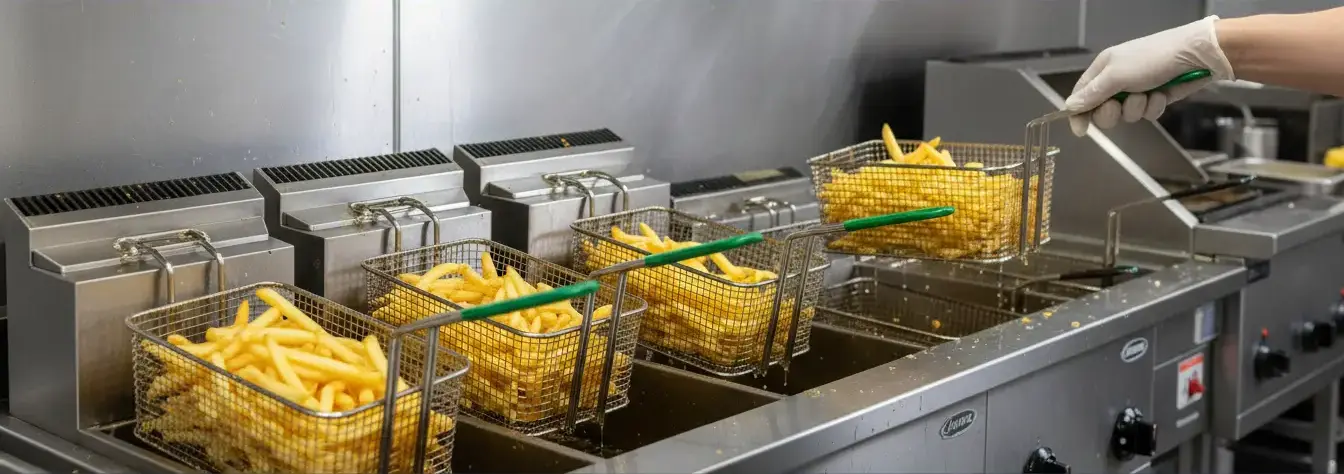
Find the Best Used Cooking Oil Collection Companies for Your Business
No obligation • Fast responses • Nationwide coverage

Why you can trust Restaurant Waste Disposal
Restaurant Waste Disposal is a leading U.S. resource for comparing restaurant composting, food-waste recycling, grease trap cleaning, and used cooking oil collection services. Our editorial team researches providers, checks credentials, and organizes unbiased information so operators can make informed decisions. Companies cannot pay to change ratings or placement.
Search providers near you
Top Used Cooking Oil Collection Companies in Santa Rosa, California Ranked
For restaurants and food service businesses in Santa Rosa, managing used cooking oil is a critical operational and environmental responsibility. Proper disposal of fats, oils, and grease (FOG) is not just about cleanliness; it's a legal requirement designed to protect the city's sewer infrastructure and local waterways from harmful blockages and pollution. Fortunately, a structured system for grease recycling exists, turning a potential waste liability into a valuable resource for biofuel production. By partnering with approved collectors, Santa Rosa businesses can ensure compliance with state and local regulations, contribute to sustainability goals, and potentially offset costs.
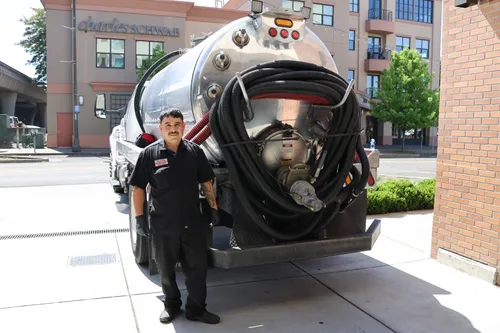
North Bay Restaurant Services
437 W 9th St, Santa Rosa, CA 95401
North Bay Restaurant Services in Santa Rosa, CA, has provided kitchen maintenance solutions for nearly 30 years. They serve Bay Area restaurants with services including NFPA-96 hood cleaning, grease trap pumping, interceptor maintenance, hydrojetting, and used cooking oil recycling. Their custom equipment and trained technicians help keep kitchens clean, compliant, and inspection-ready. The company supports a range of clients from neighborhood cafés to Michelin-starred restaurants, ensuring grease traps meet local FOG compliance standards.
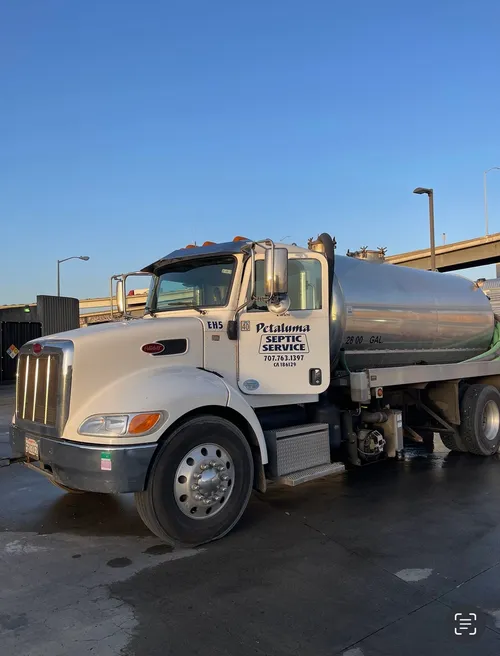
Environmental Pump Services
Petaluma, CA 94952
Environmental Pump Services is a family-owned company based in Petaluma, CA, specializing in grease trap cleaning, used cooking oil collection, septic tank pumping, and winery waste removal. Serving Sonoma, Marin, and Napa Counties, they focus on environmentally responsible disposal by recycling waste into alternative energy sources such as biodiesel and methane gas. Established in 2007, the company brings over 30 years of combined industry experience to its services.
Understanding Local FOG Regulations
Santa Rosa, in alignment with Sonoma County and California state law, has clear mandates for handling used cooking oil. The primary rule is absolute: no FOG may be poured down drains or into storm sewers1. This material solidifies, causing severe blockages in pipes that can lead to costly backups and sanitary sewer overflows, impacting both your business and the community.
To prevent this, food service establishments are typically required to install and maintain grease interceptors or traps. Plans for these devices must be approved by city officials. Beyond the trap, proper on-site storage is essential. Used oil must be kept in tightly sealed, durable containers to prevent leaks and spills. These containers should be stored in a secure location, out of public view, and any accidental spills must be cleaned up immediately.
Critically, used cooking oil is classified as a hazardous waste under California's Department of Toxic Substances Control (DTSC) regulations2 3. This classification carries specific handling and tracking requirements, making compliance through a licensed recycler not just advisable but legally necessary for businesses.
The Step-by-Step Collection and Recycling Process
Implementing a compliant oil collection system is straightforward when you understand the workflow.
- On-Site Collection: After cooking, oil should be allowed to cool, then strained into a dedicated, sealable container. Food scraps and other solids (often called "tallow") should be scraped into a separate bin provided by your recycler.
- Secure Storage: Your recycling provider will typically supply lockable collection bins for indoor or outdoor use. These specialized containers prevent theft, contamination, and pests.
- Scheduled Pickup: You arrange a regular pickup schedule-weekly, bi-weekly, or monthly-based on your volume. The recycler's truck will service your container, swapping it out if needed.
- Transport & Recycling: The collected oil is transported to a processing facility. There, it is cleaned and converted into raw material for biodiesel, a renewable fuel 4. This circular process ensures your kitchen waste powers vehicles and machinery.
- Grease Trap Maintenance: Many full-service providers also offer grease trap and interceptor cleaning as a complementary service. Regular cleaning of these traps is vital for maintaining their efficiency and staying in compliance with city codes.
Navigating Costs and Potential Value
The financial model for used cooking oil collection in Santa Rosa can vary, but it often minimizes or even eliminates direct disposal costs for businesses.
- Free Pickup Services: Many recyclers offer free collection services, especially for businesses generating consistent volumes of oil. They provide the bins and regular pickups at no charge because the recycled oil has value as a feedstock for biofuel.
- Fee-Based Structures: Costs may apply in certain situations. This can include fees for processing very high volumes (e.g., 100-300+ gallons per pickup), one-time cleanouts, or specific ancillary services like thorough grease trap cleaning5. Some providers may charge a nominal per-gallon fee (e.g., $0.10-$0.25) in lieu of a service contract.
- Potential Revenue: For establishments producing large quantities of clean, well-maintained oil, some services may offer a revenue-sharing model or direct payment. The key is to discuss your specific output and needs with providers.
Find the perfect used cooking oil collection companies for your needs
Get personalized recommendations and expert advice
Choosing a Service Provider in Santa Rosa
Selecting a reliable partner is crucial for seamless operations. Look for providers that are licensed, insured, and familiar with Santa Rosa and Sonoma County regulations. Key services to evaluate include:
- Compliance Assurance: The provider should help you navigate DTSC hazardous waste rules and local sewer ordinances.
- Container Security: Offering lockable, durable bins to prevent theft and contamination.
- Service Flexibility: Accommodating pickup schedules that match your kitchen's production cycle.
- Additional Services: Many find it convenient to use a single provider for both used oil pickup and grease trap cleaning.
Local resources can help you identify approved handlers. Zero Waste Sonoma maintains information on recycling programs and drop-off locations for smaller quantities, such as the Willowbrook Ale House collection point6. Established regional providers like Grand Natural Inc. also service the Santa Rosa area, offering comprehensive collection and recycling programs7 8.
Environmental and Community Impact
Participating in professional used cooking oil recycling extends benefits far beyond your kitchen. By diverting FOG from landfills and sewers, you are directly contributing to:
- Reduced Sewer Problems: Preventing blockages that cause overflows into streets and local rivers.
- Renewable Energy Production: Your waste oil is transformed into biodiesel, reducing reliance on fossil fuels.
- Resource Conservation: Supporting a circular economy where waste becomes a valuable input for new products.
Proper management of this material is a visible demonstration of your business's commitment to environmental stewardship and community well-being.
Frequently asked questions
Sources
Footnotes
-
RESTAURANTS - SRCity.org - https://www.srcity.org/DocumentCenter/View/8869/Restaurants-PDF ↩
-
What Does The California Law Say About Used Cooking Oil ... - https://www.grandnatural.com/blog/what-does-the-california-law-say-about-used-cooking-oil-disposal.html ↩
-
FAQs for Used Oil Collection Centers - https://dtsc.ca.gov/faqs-for-used-oil-collection-centers/ ↩
-
Used Cooking Oil Collection & Recycling - https://www.grandnaturalinc.com/used-cooking-oil-collection-and-recycling.html ↩
-
Restaurant Used Cooking Oil: Disposal, Recycling & Revenue Guide - https://greaseconnections.com/restaurant-used-cooking-oil-disposal-recycling-revenue-guide/ ↩
-
Oil - cooking/grease | Zero Waste Sonoma - https://zerowastesonoma.gov/materials/oil-cooking-grease ↩
-
Used Cooking Oil Collection Santa Rosa - https://www.grandnaturalinc.com/locations/used-cooking-oil-recycling-in-santa-rosa.html ↩
-
Used Cooking Oil Pickup and Recycling Santa Rosa - Grand Natural - https://www.grandnatural.com/locations/used-cooking-oil-recycling-in-santa-rosa.html ↩