Find the Best Used Cooking Oil Collection Companies for Your Business
No obligation • Fast responses • Nationwide coverage

Why you can trust Restaurant Waste Disposal
Restaurant Waste Disposal is a leading U.S. resource for comparing restaurant composting, food-waste recycling, grease trap cleaning, and used cooking oil collection services. Our editorial team researches providers, checks credentials, and organizes unbiased information so operators can make informed decisions. Companies cannot pay to change ratings or placement.
Search providers near you
Top Used Cooking Oil Collection Companies in Victorville, California Ranked
For restaurants and food service establishments in Victorville, managing used cooking oil is far more than a routine kitchen task-it's a regulated component of waste management with significant environmental and economic implications. Proper grease collection and recycling are mandated by California state law and local Victorville ordinances, designed to protect sewer systems and promote sustainability. By partnering with a professional collection service, local businesses can transform a messy liability into a valuable resource, ensuring compliance while potentially offsetting disposal costs. This guide outlines the essential steps, rules, and benefits of establishing a reliable used cooking oil recycling program in the High Desert.
Household Hazardous Waste Collection Center
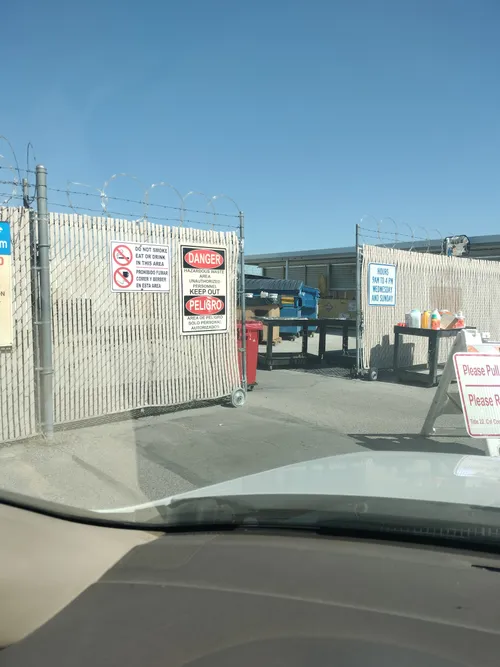
14889 Loves Ln, Victorville, CA 92395
The Household Hazardous Waste Collection Center in Victorville, CA, provides a safe location for residents to dispose of hazardous materials that cannot be placed in regular trash or recycling. The center accepts items such as used motor oil and filters, cooking oil, paint, pesticides, batteries, medicines, sharps in approved containers, and fluorescent tubes. It serves Victor Valley residents who may also use any Household Hazardous Waste Center within San Bernardino County. The center operates on a schedule with specific days open for drop-off and enforces limits on the volume of hazardous waste accepted per visit. Businesses are not permitted to use this center; instead, small businesses can access the Very Small Quantity Generator (VSQG) program through the San Bernardino County Fire Department for proper hazardous waste disposal.
Oil Collection For Town Of Apple Valley
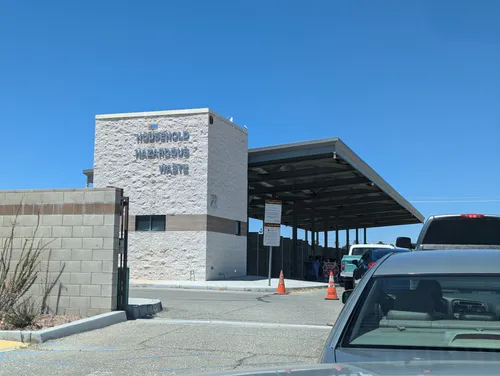
13450 Nomwaket Rd, Apple Valley, CA 92307
Oil Collection For Town Of Apple Valley provides used cooking oil collection services in Victorville, CA. The company specializes in the safe and efficient collection of used cooking oil from various sources to support recycling and proper disposal efforts.
Hesperia Grease Trap Services
Los Angeles, CA
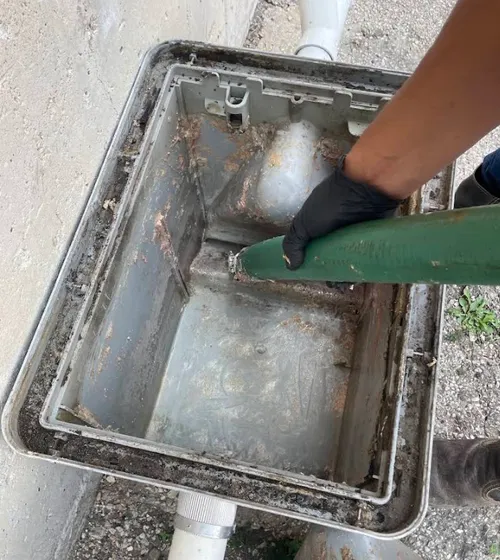
Hesperia Grease Trap Services provides comprehensive grease management solutions for commercial kitchens in Los Angeles, CA. They specialize in grease trap pumping, cleaning, interceptor maintenance, system installation, emergency repairs, and restaurant equipment servicing tailored to meet California environmental regulations. Serving Hesperia and the surrounding Victor Valley region, this locally owned company supports restaurants, cafes, hotels, and commercial facilities throughout San Bernardino County. Their services include high-capacity vacuum pumping, deep system cleaning, and thorough inspections to maintain system efficiency and compliance. They also offer emergency repair services to address grease trap failures and backups quickly, minimizing business disruption.
Grease Co of San Bernardino
1798 5th St, San Bernardino, CA 92411
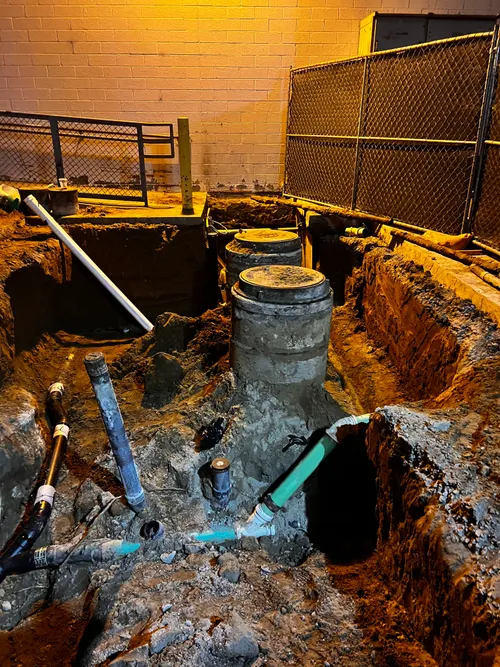
Grease Co of San Bernardino provides grease trap cleaning, interceptor pumping, and used cooking oil collection services for food service establishments in Los Angeles, CA. Serving San Bernardino and Riverside counties, the company offers comprehensive grease waste management solutions including hydro jetting, grease trap repair, and spill cleanup. With nearly two decades of experience, they are licensed by the California Department of Food & Agriculture and provide 24/7 support to address urgent plumbing needs. Their used cooking oil collection service recycles waste oil into biodiesel, promoting sustainability and regulatory compliance.
Co-West Commodities, by Denali
2586 Shenandoah Way, San Bernardino, CA 92407
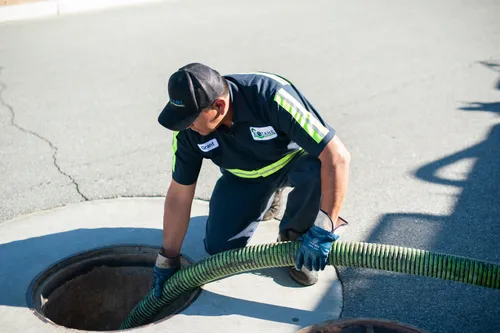
Co-West Commodities, by Denali, provides used cooking oil collection services in Los Angeles, CA. They serve a broad range of clients in the food service industry, including restaurants, schools, theme parks, and military bases throughout the Southwestern United States. Their services include equipment maintenance, waste disposal, and recycling with a focus on converting used cooking oil into renewable resources like biodiesel.
Understanding Local Regulations and Compliance
Navigating the regulatory landscape is the first critical step for any Victorville food service business. Compliance is not optional; it's a legal requirement with specific local permits and state-mandated recycling rules.
FOG Permit Requirements: The City of Victorville requires all food service establishments to obtain a permit for Fats, Oils, and Grease Control Devices (FOGS). This permit system is designed to prevent grease blockages in the public sewer system, which can lead to costly backups and environmental issues. Maintaining an active permit and ensuring your grease interceptor or trap is properly maintained is a fundamental responsibility for restaurant operators.
Mandatory Organics Recycling (AB 1826): California's landmark organics recycling law, AB 1826, requires businesses that generate a certain volume of organic waste-including used cooking oil-to arrange for recycling services. In Victorville, this typically applies to businesses generating two or more cubic yards of total commercial solid waste per week. Used cooking oil is a key component of this "organics" stream, meaning its proper collection and recycling are part of your business's legal obligation to divert waste from landfills.
The Professional Collection and Recycling Process
Establishing a relationship with a certified collector streamlines waste management and ensures your oil is handled correctly from your kitchen to its next life as biofuel.
On-Site Storage and Preparation: The process begins in your kitchen. After use, oil should be cooled and then carefully drained into a dedicated, sealable container provided by your collection service. Best practices include filtering out large food particles to maintain oil quality. Containers are typically made of durable, non-reactive materials like stainless steel and should be stored in a secure, designated area away from public view to prevent spills, theft, or contamination.
Scheduled Pickup and Transport: Your service provider will establish a regular pickup schedule based on your volume of oil production. Reliable collectors, such as those serving the Victorville area, will arrive on time, pump the oil from your container into their specialized tanker truck, and leave you with a clean, empty container ready for use. They handle all the logistics and transportation.
Transformation into Biofuel: This is where waste becomes a resource. The collected grease and used cooking oil are transported to a processing facility where they are cleaned and refined. The end product is primarily biodiesel, a renewable fuel that powers vehicles and equipment. This process ensures that 100% of the collected oil is recovered and repurposed, contributing to a circular economy and reducing reliance on fossil fuels 1 2.
Financial Considerations: Costs, Rebates, and Value
While there is a cost associated with professional waste management, the unique nature of used cooking oil can turn it into a revenue stream or at least help mitigate expenses.
Service Fee Structures: Collection services may operate on different models. Some providers offer free pickup and container provision, generating their revenue from the sale of the recycled oil to biofuel producers. Others may charge a service fee, particularly for smaller volumes or more frequent pickups. It's important to understand the full pricing structure when evaluating providers 3 4.
Earning Potential Through Rebates: The key financial benefit for restaurants is the potential rebate. The value of your used oil depends heavily on its quality-clean oil with low levels of water and food solids is more valuable. Many collectors offer rebate programs that pay restaurants based on the volume and quality of oil collected. While rates fluctuate with the commodities market, general rebate tiers can provide a guideline: for volumes under 100 gallons per month, pickup is often free; for 100-300 gallons, rebates may range from $0.10 to $0.25 per gallon; and for establishments producing over 300 gallons monthly, rebates of $0.25 to $0.65 or more per gallon are possible 5 6. For a high-volume kitchen, this can become a meaningful line-item credit.
Find the perfect used cooking oil collection companies for your needs
Get personalized recommendations and expert advice
Best Practices for Restaurant Kitchen Management
A successful program relies on proper internal procedures. Training your staff is as important as choosing the right collector.
Staff Training and Separation: Ensure all kitchen staff understand the importance of keeping used cooking oil separate from other waste. Water, soap, or food debris can significantly contaminate a batch of oil, lowering its quality and value, and potentially causing issues during the recycling process. Clear protocols for draining and filtering oil should be established and posted 7.
Container Maintenance and Security: Keep your collection container closed when not in use to prevent contamination and odors. Regularly inspect the container and the area around it for leaks or spills. Furthermore, secure the container to prevent unauthorized access or theft, as used oil has become a commodity targeted for its value 8.
Record-Keeping and Compliance Documentation: Maintain records of your oil collection pickups, which are often provided on a service ticket by the collector. This documentation can be useful for tracking rebates and is essential for demonstrating compliance with state organics recycling laws and local FOG permit requirements during inspections 9 10.
Choosing a Service Provider in Victorville
Selecting the right partner is crucial. Look for a provider with a strong local presence and a reputation for reliability.
Key Service Offerings: When contacting providers, inquire about their specific services for Victorville businesses. Do they provide the storage containers? What is their pickup schedule and reliability? How do they handle rebates or payments? Providers like Grand Natural and Grease Connections, which are cited as serving the area, offer examples of full-service operations that manage the entire process from container to recycling.
Questions to Ask Potential Providers:
- What is your service area and typical response time in Victorville?
- Do you provide locked, durable containers?
- What is your rebate structure, and how are payments issued?
- Can you provide references from other local restaurants?
- How do you help ensure my business remains compliant with AB 1826 and local FOG ordinances?
By implementing a structured used cooking oil management program, Victorville restaurants not only fulfill their legal obligations but also contribute to community sustainability efforts and can improve their bottom line. It's a clear example of an operational practice that benefits the business, the city, and the environment.
Frequently asked questions
Sources
Footnotes
-
Used Cooking Oil Pickup and Recycling Services in Victorville - https://www.grandnatural.com/locations/used-cooking-oil-recycling-in-victorville.html ↩
-
How Recycling Used Cooking Oil Can Save Restaurants Money and ... - https://www.cbs42.com/business/press-releases/ein-presswire/864508472/how-recycling-used-cooking-oil-can-save-restaurants-money-and-enhance-sustainability-efforts ↩
-
Used Cooking Oil Disposal: Complete Guide to Grease Pickups - https://greaseconnections.com/used-cooking-oil-disposal-guide-grease-pickups/ ↩
-
Used Cooking Oil Collection / Pick Up & Recycling. - https://greasemanagement.org/usedoilcollection.html ↩
-
Restaurant Used Cooking Oil Recycling & Disposal Guide - https://greaseconnections.com/restaurant-used-cooking-oil-disposal-recycling-revenue-guide/ ↩
-
Used Cooking Oil Collection Victorville - https://www.grandnaturalinc.com/locations/used-cooking-oil-recycling-in-victorville.html ↩
-
Used Cooking Oil (UCO) Collection Service For Restaurants - https://thegreasecompany.com/blog/restaurant-used-cooking-oil-collection/ ↩
-
What Does The California Law Say About Used Cooking Oil Disposal? - https://www.grandnatural.com/blog/what-does-the-california-law-say-about-used-cooking-oil-disposal.html ↩
-
Grease Control Device Permits and FOGS - Victorville, CA - https://www.victorvilleca.gov/government/city-departments/development/code-enforcement/grease-control-device-permits-and-fog ↩
-
Organics Laws and Ordinances - Victorville, CA - https://www.victorvilleca.gov/government/city-departments/community-services/trash-recycling/organics-recycling/organics-laws-and-ordinances ↩