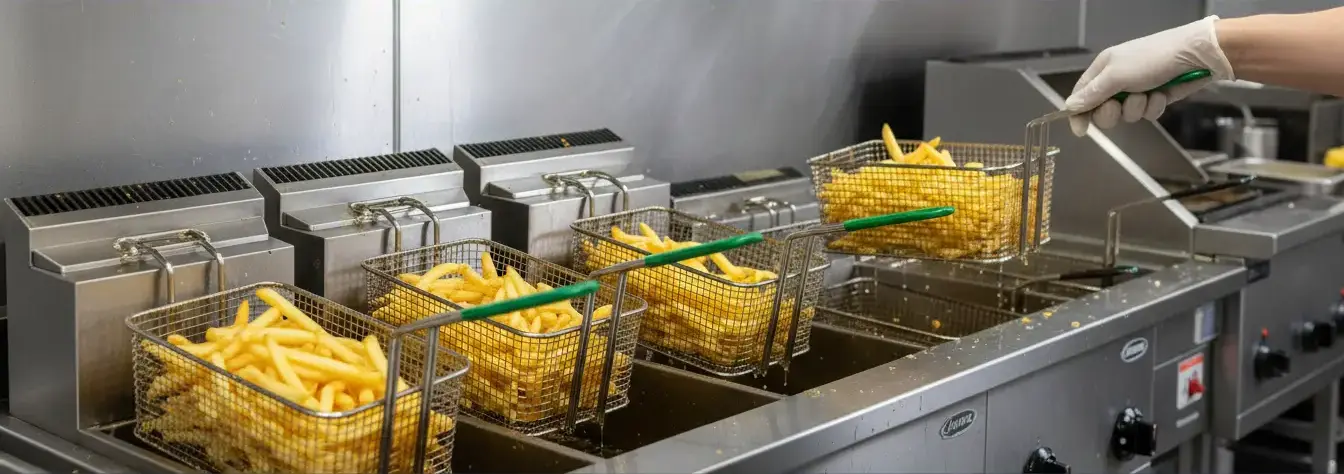
Find the Best Used Cooking Oil Collection Companies for Your Business
No obligation • Fast responses • Nationwide coverage

Why you can trust Restaurant Waste Disposal
Restaurant Waste Disposal is a leading U.S. resource for comparing restaurant composting, food-waste recycling, grease trap cleaning, and used cooking oil collection services. Our editorial team researches providers, checks credentials, and organizes unbiased information so operators can make informed decisions. Companies cannot pay to change ratings or placement.
Search providers near you
Top Used Cooking Oil Collection Companies in Hanford, California Ranked
For restaurants and food service businesses in Hanford, managing used cooking oil (UCO) is more than just a routine cleanup task-it's a regulated process with significant environmental and economic implications. Proper grease trap and fryer oil recycling is essential for compliance with California's strict hazardous waste rules, preventing costly sewer backups, and contributing to the local circular economy by transforming waste into biodiesel and animal feed. By partnering with a licensed collector, Hanford establishments can streamline their waste vegetable oil management, often turning a disposal challenge into a potential source of revenue or cost-neutral service.
Local regulations classify used cooking oil as a hazardous waste in California, mandating careful handling from the moment it leaves the fryer 1. This means Hanford businesses must segregate their UCO from water, trash, and other materials. Proper storage in approved, covered containers-such as fire-rated barrels-is not just a best practice but a regulatory necessity to prevent contamination, spills, and theft 2. The City of Hanford supports compliant commercial recycling programs and provides resources for businesses, including self-haul forms that require approval for those who wish to transport their own oil 3. Crucially, any hauler providing grease collection or grease trap cleaning services must be licensed by the California Department of Food and Agriculture (CDFA), ensuring they meet state standards for transportation and recycling.
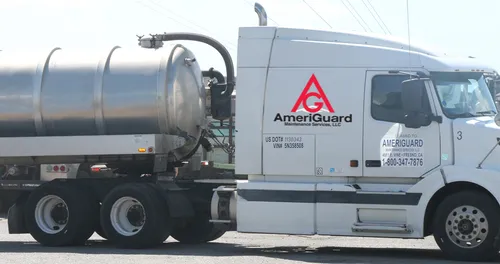
Ameriguard Maintenance Services LLC
4681 E Vine Ave, Fresno, CA 93725
Ameriguard Maintenance Services LLC is a family-run company based in Fresno, CA, specializing in used cooking oil collection, grease trap cleaning, and commercial septic services. Founded in 2003, the company serves a wide range of clients including restaurants, supermarkets, schools, government facilities, and casinos across 39 counties in California. Ameriguard focuses on preventative maintenance to help minimize emergency shutdowns and offers scheduled services for grease trap and drain line systems. Their operations include handling liquid waste management with updated equipment and environmentally conscious practices.
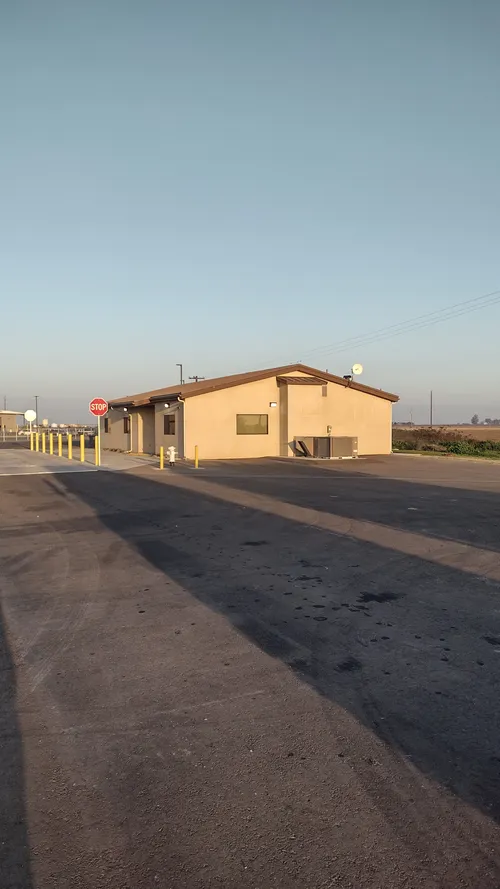
Baker Commodities Inc
California 93230
Baker Commodities Inc is a used cooking oil collection company based in Hanford, CA. The company serves the agriculture, food production, and food service industries by recycling food by-products and used cooking oil into valuable products such as feeding fats, tallow, protein meal, and yellow grease. Baker Commodities offers services including rendering, restaurant grease collection, jetting, and fat and bone collection. With over 75 years of experience, the company focuses on sustainability and environmental responsibility through its recycling efforts.
How Fryer Oil Collection and Recycling Works
The process for used cooking oil disposal in Hanford is designed to be seamless for busy kitchens. It typically begins with a restaurant collecting its cooled waste oil in designated, sealed containers. Many licensed recyclers provide these containers-often locked bins ranging from 35 to 240 gallons-free of charge as part of their service. Providers like Baker Commodities or The Grease Company then schedule regular pickups, transporting the collected oil to rendering facilities. There, the used vegetable oil is processed and purified. The end products are valuable commodities: primarily biodiesel, a renewable fuel that reduces reliance on fossil fuels, and ingredients for animal feed. This cycle ensures that kitchen waste is diverted from landfills and wastewater systems, supporting statewide sustainability goals.
Storage and Handling Best Practices
Secure and proper storage is the cornerstone of effective used cooking oil management. Using the locked containers supplied by your collector is the first step in preventing contamination and unauthorized access. For safe daily handling, kitchens should use dedicated oil caddies or pots to transfer hot oil from fryers to the outdoor storage barrels. Placing storage containers on secondary containment trays or pallets can help manage any accidental drips or spills, protecting your pavement and simplifying cleanup. It's also wise to establish a clear internal protocol for staff on how to dispose of oil, emphasizing that nothing but pure, cooled cooking oil goes into the collection bin. Mixing in water, food scraps, or cleaning chemicals can contaminate the entire batch, potentially turning a revenue-generating stream into a costly disposal problem.
Understanding Costs and Potential Revenue
One of the most common questions from restaurant owners is about the financial aspect of oil recycling. The model is typically service-based, where many providers offer free containers and scheduled pickups, generating their revenue from the sale of the recycled oil. For the restaurant, this can mean a free, compliant disposal solution. However, there is also potential for direct revenue. Collectors often provide rebates or payments for clean, uncontaminated oil, effectively turning your waste into an asset.
The payment structure is usually tiered, based on volume and quality. Restaurants generating higher volumes-for instance, 300 to 500 gallons or more between pickups-can see rebates in the range of $0.25 to $0.40 per gallon 4. For smaller establishments producing under 100 gallons, the service is often free pickup without a cash payment, which still represents significant savings compared to paying for hazardous waste disposal 4. The critical factor is oil quality; a single batch contaminated with water or food debris can disqualify the entire load from a rebate and may even incur a disposal fee 5 4. Therefore, maintaining clean collection practices directly impacts your bottom line.
Find the perfect used cooking oil collection companies for your needs
Get personalized recommendations and expert advice
Partnering with Local Hanford Providers
Choosing a reliable local service provider is key to a hassle-free recycling program. In the Hanford area, established companies like Baker Commodities offer comprehensive services including grease removal, used cooking oil pickup, and grease trap maintenance 6. Another key provider, The Grease Company, offers collection services with a strong emphasis on compliance support and providing necessary documentation for your records 7. When selecting a provider, confirm their CDFA license, understand their pickup schedule and emergency response protocol for overflow situations, and clarify their rebate structure for clean oil 8 9. A good partner will help you navigate regulations, optimize your storage setup, and ensure your kitchen's oil waste is handled responsibly from start to finish.
Environmental and Community Impact
Participating in a formal used cooking oil recycling program extends benefits far beyond your kitchen doors. When oil is poured down drains, it solidifies in sewer lines, contributing to major blockages (fatbergs) that can cause backups into homes and businesses and incur massive municipal cleanup costs 10. By recycling, you help protect Hanford's wastewater infrastructure. Furthermore, converting used oil into biodiesel creates a domestic, renewable energy source that burns cleaner than petroleum diesel, reducing greenhouse gas emissions 11. This local action supports California's broader environmental mandates and contributes to a sustainable regional economy where waste is viewed as a resource.
Frequently asked questions
Sources
Footnotes
-
Used Oil Recycling Program - CalRecycle Home Page - CA.gov - https://calrecycle.ca.gov/usedoil/ ↩
-
Used Oil Generator Requirements - https://www.smchealth.org/sites/main/files/file-attachments/usedoilforgenerators.pdf?1498660561 ↩
-
Commercial Services | Hanford, CA - https://www.ci.hanford.ca.us/1558/Commercial-Services ↩
-
Used Cooking Oil Pricing & Business Guide - Grease Connections - https://greaseconnections.com/used-cooking-oil-pricing-guide/ ↩ ↩2 ↩3
-
Restaurant Used Cooking Oil Recycling & Disposal Guide - https://greaseconnections.com/restaurant-used-cooking-oil-disposal-recycling-revenue-guide/ ↩
-
Restaurant Grease Recycling Hanford, CA - Baker Commodities - https://bakercommodities.com/our-locations/hanford-ca/ ↩
-
Southern California Commercial Kitchen Cooking Oil recycling ... - https://thegreasecompany.com/blog/how-the-grease-is-protecting-you-by-recycling-cooking-oil/2/ ↩
-
Used Cooking Oil Pickup vs Drop-Off-What's Best for Restaurants? - https://www.greaseprosrecycling.com/used-cooking-oil-pickup-vs-drop-off/ ↩
-
FAQs for Used Oil Collection Centers - https://dtsc.ca.gov/faqs-for-used-oil-collection-centers/ ↩
-
Cooking Oil Collection & Grease Recycling Service - https://thegreasecompany.com/oilcollection.html ↩
-
Used Cooking Oil (UCO) Collection Service For Restaurants - https://thegreasecompany.com/blog/restaurant-used-cooking-oil-collection/ ↩