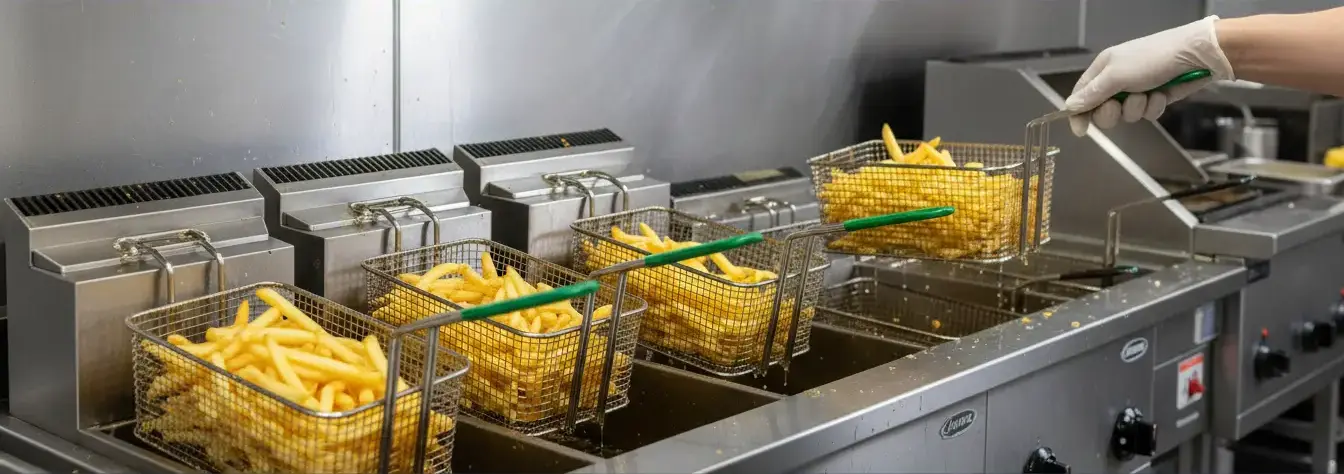
Find the Best Used Cooking Oil Collection Companies for Your Business
No obligation • Fast responses • Nationwide coverage

Why you can trust Restaurant Waste Disposal
Restaurant Waste Disposal is a leading U.S. resource for comparing restaurant composting, food-waste recycling, grease trap cleaning, and used cooking oil collection services. Our editorial team researches providers, checks credentials, and organizes unbiased information so operators can make informed decisions. Companies cannot pay to change ratings or placement.
Search providers near you
Top Used Cooking Oil Collection Companies in San Francisco, California Ranked
For San Francisco restaurants, managing used cooking oil isn't just a kitchen chore-it's a regulated component of sustainable business operations. The city's stringent environmental codes require commercial kitchens to properly handle fats, oils, and grease (FOG) to protect the sewer system and participate in the circular economy. By partnering with a licensed hauler, businesses ensure compliance, prevent costly plumbing disasters, and contribute to a local recycling stream that transforms waste into valuable resources like biodiesel. This guide outlines the essential practices, regulations, and economic considerations for effective grease management in San Francisco.
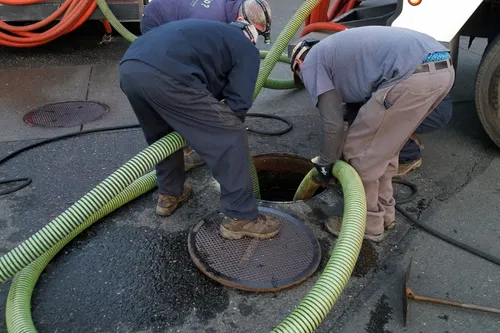
San Francisco Grease Trap Cleaning
864 Ellis St #2f, San Francisco, CA 94109
San Francisco Grease Trap Cleaning provides grease trap pumping, cleaning, and used cooking oil collection services in San Francisco, CA. They serve commercial, industrial, and manufacturing clients including restaurants, schools, and cafeterias. The company offers hydro-jetting and maintains detailed service records to ensure compliance with local health and safety codes. They recycle waste for biofuel production and dispose of non-recyclable materials responsibly. With a fleet of pump trucks and trained professionals, they accommodate various schedules to minimize business disruption. San Francisco Grease Trap Cleaning has been part of the community for years and serves surrounding areas such as Berkeley, Alameda, and Oakland.
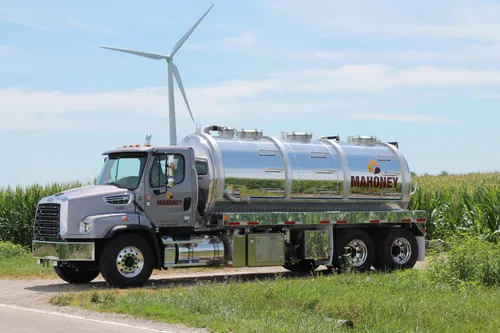
Mahoney Environmental Restaurant Oil Recycling
3501 Collins Ave, Richmond, CA 94806
Mahoney Environmental Restaurant Oil Recycling is a used cooking oil collection company based in Oakland, CA. They specialize in collecting used cooking oil from restaurants to support environmental sustainability. The company focuses on improving both financial outcomes for clients and environmental impact through responsible oil recycling.
Understanding San Francisco's FOG Regulations
San Francisco mandates the proper handling of FOG through its Mandatory Recycling and Composting Ordinance 1. This legislation requires all businesses, including restaurants, to separate recyclables, compostables, and landfill trash. Critically, used fryer oil and kitchen grease are prohibited from drain disposal. Dumping these substances down the sink is a serious code violation that can lead to severe plumbing blockages, sewer overflows, and significant penalties from the city.
The rules are designed to prevent "fatbergs"-massive congealed lumps of grease and waste that clog municipal sewer lines. To comply, restaurants must store cooled waste oil in secure, designated containers provided by or approved for use by a licensed grease hauler. The city also emphasizes that FOG collection is a commercial service; residential recycling programs are not designed for the volume produced by food service establishments, making a professional partnership essential 2 3.
The Role of Grease Interceptors
A key component of on-site FOG management is the grease interceptor or grease trap. These devices are typically required for food service establishments and are installed in the plumbing line to capture fats, oils, and grease before wastewater enters the public sewer system. Proper maintenance is non-negotiable. Interceptors must be regularly pumped out by a licensed service, kept free of solid debris like food scraps and paper towels, and have secure, sealed lids to prevent odors and spills 4 5. Neglecting interceptor maintenance can lead to overflows, violations, and expensive emergency clean-up costs.
The Collection and Recycling Process
Professional used cooking oil collection follows a streamlined, secure process designed for safety and efficiency.
- Secure Storage: After cooling, waste oil is transferred from fryers into specially designed, lockable collection containers. These bins are often provided by the hauling company and are crucial for preventing spills, deterring theft, and keeping pests away.
- Scheduled Pickup: A licensed hauler schedules regular pickups based on the restaurant's volume. The service technician will pump the oil from the container into a dedicated tank truck for transport.
- Transportation & Processing: The collected oil is taken to a processing facility. Here, it is filtered to remove food particles and water.
- Transformation into New Products: The cleaned oil enters the recycling market. High-quality material is primarily converted into biodiesel, a renewable fuel that powers vehicles, including some in the City of San Francisco's fleet through historical programs like SFGreasecycle 6. Other potential uses include ingredients for animal feed or industrial lubricants.
This closed-loop system ensures that a waste product is diverted from landfills and sewers to become a feedstock for renewable energy and other industries.
Services Offered by Professional Collection Companies
Licused cooking oil collectors in San Francisco offer more than just a pickup. They provide comprehensive grease management solutions to keep restaurants compliant and operations running smoothly.
- Regular Used Oil Pickup: The core service involves reliable, scheduled collection of yellow grease from your storage container.
- Grease Trap and Interceptor Cleaning: Separate from oil collection, this essential service involves pumping out and cleaning the grease interceptor to ensure it functions properly and meets code requirements.
- Theft Prevention: With used oil having value, theft from unsecured bins is a concern. Providers offer locking containers and monitoring to safeguard your asset 7.
- Compliance Documentation: Reputable companies provide documentation or manifests for each pickup, which can be vital for proving compliance during city inspections.
- Convenience Tools: Many modern providers offer online customer portals for scheduling service, tracking pickups, and accessing invoices or reports 8.
Find the perfect used cooking oil collection companies for your needs
Get personalized recommendations and expert advice
The Economics of Used Cooking Oil: Cost vs. Revenue
For a restaurant owner, used cooking oil can be a disposal expense or a modest revenue stream, depending entirely on its quality and market conditions.
- Potential for Payment: If your kitchen produces a consistent volume of clean, well-filtered oil (often called "yellow grease"), it is highly desirable for biodiesel production. In such cases, collection companies may pay you for the oil. Payment rates fluctuate with commodity markets but have historically ranged from approximately $2.40 to $3.60 per gallon 9 10. This arrangement often includes free collection containers and regular pickups.
- Disposal Fees: Conversely, oil that is heavily contaminated with water, food sediment, or other fats may incur a disposal fee. The cost to process this lower-quality material is higher, and the end product is less valuable.
- Free Pickup Services: Many providers offer free pickup and a free collection bin as a standard service, with their revenue coming from selling the aggregated, cleaned oil to recyclers. This is a common model for restaurants.
- Self-Haul Option: Some facilities, like transfer stations in neighboring areas, accept used cooking oil from businesses for a fee. For example, one South San Francisco facility charges around $2 per gallon for drop-off 11. This requires the restaurant to handle transportation, storage, and safety logistics themselves.
Navigating this economic landscape is a key reason to work with a transparent provider who can assess your oil quality and explain the current payment or fee structure clearly.
Choosing a Provider in San Francisco
Selecting a used cooking oil collection partner is an important decision. Look for a company that is fully licensed and insured to operate in San Francisco. Experience with local regulations is a must. Evaluate their service offerings-do they provide locked containers? Can they handle both oil collection and grease interceptor cleaning? Finally, seek clarity on their pricing model. Understand whether you will receive a payment, pay a fee, or have a fee-free service agreement based on your specific situation and oil quality.
Environmental Impact and Sustainability Benefits
Participating in professional used oil recycling aligns with San Francisco's deep-seated environmental values. The benefits extend far beyond your kitchen.
- Protecting Infrastructure: Proper collection prevents FOG from entering sewers, reducing the risk of blockages that can cause raw sewage backups into basements and city streets. This saves significant public funds on sewer maintenance and emergency response.
- Creating Renewable Fuel: Converting waste oil into biodiesel reduces dependence on fossil fuels. Biodiesel burns cleaner than petroleum diesel, resulting in lower greenhouse gas emissions and improved air quality 12 13.
- Conserving Resources: Recycling oil gives it a new life, reducing the demand for virgin vegetable oil and the agricultural land, water, and energy required to produce it.
- Supporting a Circular Economy: Your waste becomes a valuable commodity, closing the loop in a local economic cycle that supports green jobs in collection, transportation, and biofuel production.
By managing your used cooking oil responsibly, your restaurant directly contributes to San Francisco's sustainability goals and community health.
Frequently asked questions
Sources
Footnotes
-
Recycling Legislation - Recology San Francisco - https://www.recology.com/recology-san-francisco/recycling-legislation/ ↩
-
Cooking Oil, Grease, Fats | San Francisco Environment Department (SFE) - https://www.sfenvironment.org/sfrecycles/item/cooking-oil-grease-fats ↩
-
Waste Hauling Franchise Agreement Fundamentals - https://www.biocycle.net/waste-hauling-franchise-agreement-fundamentals/ ↩
-
Used Cooking Oil Collection / Pick Up & Recycling. - https://greasemanagement.org/usedoilcollection.html ↩
-
What Does The California Law Say About Used Cooking Oil Disposal? - https://www.grandnatural.com/blog/what-does-the-california-law-say-about-used-cooking-oil-disposal.html ↩
-
Used Cooking Oil Pickup vs Drop-Off-What's Best for Restaurants? - https://www.greaseprosrecycling.com/used-cooking-oil-pickup-vs-drop-off/ ↩
-
Used Cooking Oil Collection and Recycling in San Francisco ... - https://www.greasecollection.com/location/waste-oil-pickup-recycling-san-francisco-ca/ ↩
-
Used Cooking Oil Pickup and Recycling Services in San Francisco - https://www.grandnatural.com/locations/used-cooking-oil-recycling-in-san-francisco.html ↩
-
Used Cooking Oil Collection San Francisco | Grand Natural Inc - https://www.grandnaturalinc.com/locations/used-cooking-oil-recycling-in-san-francisco.html ↩
-
Used Cooking Oil Pricing & Business Guide - Grease Connections - https://greaseconnections.com/used-cooking-oil-pricing-guide/ ↩
-
Cooking Oil & Grease - South San Francisco Scavenger Recycling ... - https://ssfs.recyclist.co/guide/cooking-oil-grease/ ↩
-
S.F. program recycles restaurants' cooking oil for use as fuel - https://www.sfgate.com/restaurants/article/S-F-program-recycles-restaurants-cooking-oil-3236138.php ↩
-
What happens with the used oil from restaurants and fast-food ... - https://www.quora.com/What-happens-with-the-used-oil-from-restaurants-and-fast-food-chains-Is-there-any-sort-of-recycling ↩