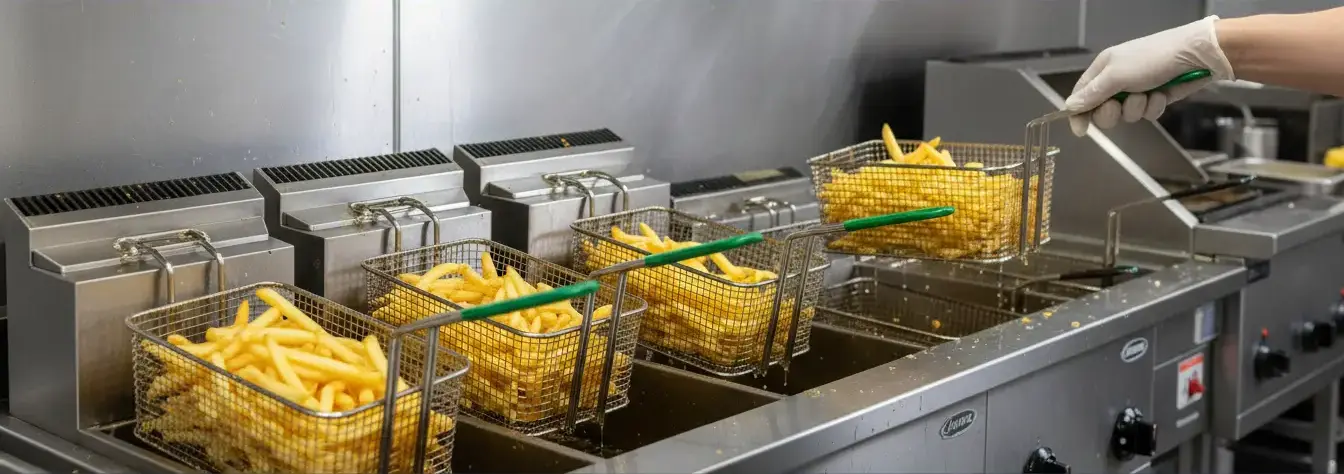
Find the Best Used Cooking Oil Collection Companies for Your Business
No obligation • Fast responses • Nationwide coverage

Why you can trust Restaurant Waste Disposal
Restaurant Waste Disposal is a leading U.S. resource for comparing restaurant composting, food-waste recycling, grease trap cleaning, and used cooking oil collection services. Our editorial team researches providers, checks credentials, and organizes unbiased information so operators can make informed decisions. Companies cannot pay to change ratings or placement.
Search providers near you
Top Used Cooking Oil Collection Companies in Eastvale, California Ranked
For restaurants and food service businesses in Eastvale, managing used cooking oil (UCO) is more than just a routine cleanup task-it's a regulated component of operations with significant financial and environmental implications. California state law mandates the recycling of this material, turning what was once a messy disposal problem into a potential revenue stream. By partnering with a licensed grease collection service, Eastvale establishments can ensure compliance, protect their plumbing, and contribute to the circular economy by transforming waste oil into biodiesel. Proper grease trap and fryer oil management is essential for sustainable and profitable restaurant operations in the city.
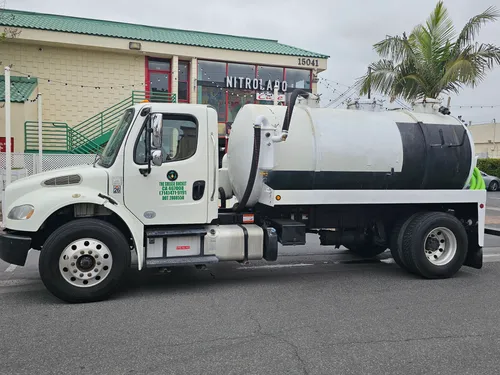
The Grease Bucket
Los Angeles, CA
The Grease Bucket provides grease trap cleaning and used cooking oil collection services in Los Angeles, CA. They serve restaurants across Orange County, Los Angeles, San Bernardino, and the Inland Empire area. The company schedules regular collection intervals to prevent overflows and maintains grease interceptors to avoid drain clogs and odors. They recycle used cooking oil into renewable resources, supporting environmental sustainability. The Grease Bucket has been serving customers for over six years and offers emergency pickups when needed during normal business hours.
The Grease Company
1116 N Harbor Blvd, Santa Ana, CA 92703
The Grease Company provides grease trap cleaning, repair, and used cooking oil collection services in Los Angeles, CA. They specialize in maintaining commercial kitchen grease traps to prevent clogs and ensure compliance with sanitation regulations. Their capabilities include hydro jetting and environmentally responsible cooking oil disposal. With 12 years of experience, The Grease Company is licensed to serve Southern California and offers transparent pricing and free quotes.
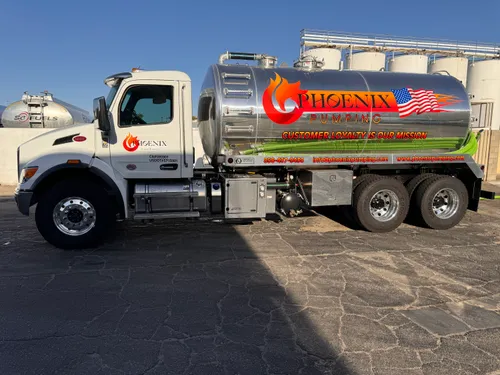
Phoenix Pumping LLC
3131 E Palmyra Ave, Orange, CA 92869
Phoenix Pumping LLC offers cooking oil recycling and grease trap cleaning services in Los Angeles, CA, extending coverage to Southern California counties as well as Arizona and Nevada. The company serves large restaurant chains and facilities with multiple kitchens, providing licensed grease trap cleaning including large outdoor installations. With over a decade of experience, Phoenix Pumping transforms used cooking oil into renewable diesel with a significantly lower carbon footprint. They provide 24/7 availability and a single point of contact for all service needs.
Grease Co of San Bernardino
1798 5th St, San Bernardino, CA 92411
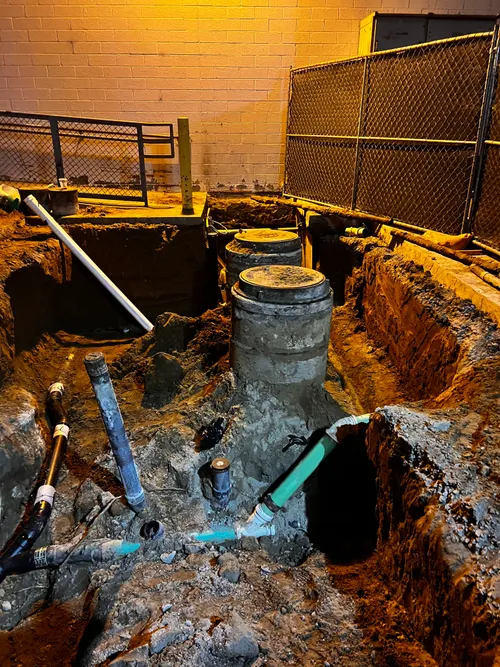
Grease Co of San Bernardino provides grease trap cleaning, interceptor pumping, and used cooking oil collection services for food service establishments in Los Angeles, CA. Serving San Bernardino and Riverside counties, the company offers comprehensive grease waste management solutions including hydro jetting, grease trap repair, and spill cleanup. With nearly two decades of experience, they are licensed by the California Department of Food & Agriculture and provide 24/7 support to address urgent plumbing needs. Their used cooking oil collection service recycles waste oil into biodiesel, promoting sustainability and regulatory compliance.

Longview Environmental Company
Los Angeles, CA
Longview Environmental Company provides kitchen maintenance services in Los Angeles, CA, specializing in used cooking oil collection, grease trap cleaning, and hydro jetting for restaurants, hotels, ghost kitchens, and other food service businesses. Their licensed professionals manage the entire process of used cooking oil recycling and grease trap maintenance, ensuring compliance with environmental regulations. Hydro jetting is offered as an effective method to clear grease and debris from drain lines, helping prevent blockages and operational disruptions. The company emphasizes environmental sustainability by converting waste oil and grease into eco-friendly products.
Understanding California's Mandatory Recycling Laws
Businesses in Eastvale operate under California's comprehensive recycling framework, primarily governed by Assembly Bills 341 and 827. These laws require commercial entities, including all restaurants, to recycle designated materials, with used cooking oil and grease explicitly included. This isn't a voluntary green initiative; it's a legal requirement for waste diversion. The laws also emphasize customer access to recycling, meaning businesses must have the proper infrastructure and partnerships in place to facilitate recycling, including for their kitchen's grease waste.
Non-compliance isn't taken lightly. Violations can lead to significant fines, and improper disposal-such as pouring grease down the drain-can incur penalties up to $50,000 from sanitation districts for causing sewer blockages and environmental harm 1. The key to compliance lies in three pillars: source separation (keeping UCO separate from other trash and wastewater), proper storage, and using state-licensed haulers for collection and transport to certified recycling facilities 2 3.
The Step-by-Step Process for Grease Collection
Implementing a compliant and efficient used cooking oil collection system involves a clear, ongoing process.
- Collection & Filtration: After cooking, oil should be cooled and then poured through a filter or strainer to remove large food particles. Grease trap solids should be scraped and collected separately as part of routine trap maintenance.
- Secure Storage: The filtered oil must be transferred to a dedicated, leak-proof container. Standard practice involves using sealed metal drums or barrels provided by your collection service. These containers must have tight-fitting lids and be stored in a designated area, away from storm drains and water sources, to prevent spills and contamination, which preserves the oil's quality and value.
- Scheduled Pickup: Once your storage container is full, you contact your licensed grease hauler to schedule a pickup. Reliable services work on a consistent schedule tailored to your volume, ensuring your container never overflows.
- Transport & Recycling: The hauler will pump out the used oil, clean up any minor spills, and leave an empty, clean container. The oil is then transported to a processing facility where it is converted into products like renewable biodiesel, animal feed supplements, or industrial lubricants.
Find the perfect used cooking oil collection companies for your needs
Get personalized recommendations and expert advice
Turning a Liability into Revenue: Understanding Rebates
One of the most compelling aspects of professional used cooking oil collection is the potential to generate revenue. Instead of paying for waste removal, many restaurants receive a rebate check. This payment is based on the volume and quality of the oil you provide.
- Low Volume (Less than 100 gallons/month): For smaller establishments, the primary benefit is often free, compliant pickup and disposal. While a monetary rebate may be minimal or not offered, you avoid disposal fees and potential fines, which is a significant financial positive.
- Medium Volume (100-300 gallons/month): At this scale, rebates typically range from $0.10 to $0.25 per gallon. This can offset operational costs and turn a waste stream into a modest income source.
- High Volume (Over 300 gallons/month): High-volume generators, like large restaurants or food processing plants, can command rebates from $0.25 to over $0.65 per gallon. For a busy establishment, this can translate to hundreds or even thousands of dollars in annual revenue, effectively covering service costs and generating profit 4 5.
The key to maximizing your rebate is oil quality. Clean, well-filtered oil free of water and excessive food debris is more valuable to recyclers. Consistent volume and local market demand for biodiesel feedstocks also influence the price you receive 6.
Best Practices for Storage and Safety
Proper on-site management is crucial for safety, compliance, and maximizing the value of your used oil.
- Use Approved Containers: Always use the sturdy, sealed containers provided by your licensed collector. Never use makeshift containers like plastic buckets or bins that can degrade, leak, or become hazards.
- Designate a Storage Area: Choose a flat, stable surface for your container, preferably on concrete and away from building entrances and high-traffic areas. The area should be clearly marked and accessible for collection trucks.
- Prevent Contamination: Water is the enemy of used oil recycling. It increases the weight (for which you are not paid) and complicates the recycling process, lowering the oil's value. Ensure fryer oil is cool before transferring and keep container lids tightly closed, especially outdoors 7.
- Maintain Grease Traps: Your grease interceptor is a separate but related system. It must be pumped regularly by a licensed service to prevent blockages and overflows. The collected grease trap waste (brown grease) is often recycled separately from your fryer oil (yellow grease).
Choosing a Licensed Collection Service in Eastvale
Selecting the right partner is essential. Always verify that a hauler is licensed by the California Department of Food and Agriculture (CDFA) or other relevant state agencies to transport and recycle grease. A reputable service will provide durable containers, offer reliable and flexible pickup schedules, and have clear, transparent agreements about rebates or fees. Look for providers with strong local reputations who can offer references from other Eastvale restaurants. They should also provide documentation for your records, proving compliant recycling, which is important for demonstrating adherence to AB 341/827 8 9.
Environmental Impact and Community Benefits
When you participate in a professional used cooking oil collection program, your business contributes directly to Eastvale's sustainability goals. Recycling UCO into biodiesel creates a clean-burning renewable fuel that reduces greenhouse gas emissions compared to petroleum diesel. This process keeps grease out of landfills and, most importantly, out of the city's sewer system, preventing costly municipal clogs and sewage overflows that can affect the entire community. It's a practical example of a circular economy, where a local waste product becomes a valuable resource for energy.
Frequently asked questions
Sources
Footnotes
-
Used Cooking Oil Collection / Pick Up & Recycling. - https://greasemanagement.org/usedoilcollection.html ↩
-
Cooking Oil Collection & Grease Recycling Service - https://thegreasecompany.com/oilcollection.html ↩
-
Restaurant Pollution Prevention - Union Sanitary District - CA.gov - https://unionsanitary.ca.gov/businesses/restaurant-program/restaurant-pollution-prevention/ ↩
-
Restaurant Used Cooking Oil Recycling & Disposal Guide - https://greaseconnections.com/restaurant-used-cooking-oil-disposal-recycling-revenue-guide/ ↩
-
Used Cooking Oil Disposal: Complete Guide to Grease Pickups - https://greaseconnections.com/used-cooking-oil-disposal-guide-grease-pickups/ ↩
-
Used Cooking Oil Pickup vs Drop-Off-What's Best for Restaurants? - https://www.greaseprosrecycling.com/used-cooking-oil-pickup-vs-drop-off/ ↩
-
Used Cooking Oil (UCO) Collection Service For Restaurants - https://thegreasecompany.com/blog/restaurant-used-cooking-oil-collection/ ↩
-
AB 341 Mandatory Recycling | City of Eastvale, CA - https://www.eastvaleca.gov/services/recycling-and-waste-disposal/california-recycling-laws/ab-341-mandatory-recycling ↩
-
AB 827 Customer Access to Recycling Guide - City of Eastvale - https://www.eastvaleca.gov/services/recycling-and-waste-disposal/california-recycling-laws/ab-827-customer-access-to-recycling-guide ↩