Find the Best Used Cooking Oil Collection Companies for Your Business
No obligation • Fast responses • Nationwide coverage

Why you can trust Restaurant Waste Disposal
Restaurant Waste Disposal is a leading U.S. resource for comparing restaurant composting, food-waste recycling, grease trap cleaning, and used cooking oil collection services. Our editorial team researches providers, checks credentials, and organizes unbiased information so operators can make informed decisions. Companies cannot pay to change ratings or placement.
Search providers near you
Top Used Cooking Oil Collection Companies in Yorba Linda, California Ranked
For restaurants and food service establishments in Yorba Linda, managing used cooking oil is a critical operational and environmental responsibility. The Yorba Linda Water District (YLWD) enforces a specific Fats, Oils, and Grease (FOG) program designed to protect the local sewer system from costly and disruptive clogs and blockages. Proper disposal of waste oil isn't just about cleanliness; it involves securing a permit, using approved storage methods, and partnering with licensed haulers for recycling, turning a potential waste product into biofuel and ensuring regulatory compliance. This guide outlines the essential steps, from cooling and storing oil to scheduling pickups with certified providers, helping your business navigate the requirements efficiently.
The Grease Bucket
Los Angeles, CA
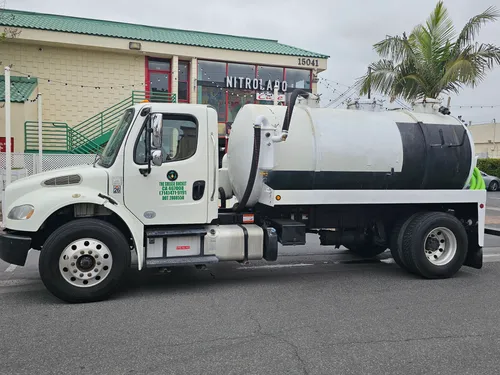
The Grease Bucket provides grease trap cleaning and used cooking oil collection services in Los Angeles, CA. They serve restaurants across Orange County, Los Angeles, San Bernardino, and the Inland Empire area. The company schedules regular collection intervals to prevent overflows and maintains grease interceptors to avoid drain clogs and odors. They recycle used cooking oil into renewable resources, supporting environmental sustainability. The Grease Bucket has been serving customers for over six years and offers emergency pickups when needed during normal business hours.
Trinity Oil & Grease Recycling
Los Angeles, CA
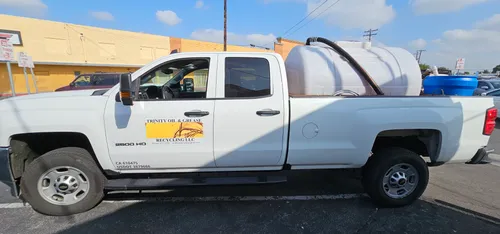
Trinity Oil & Grease Recycling provides used cooking oil collection and grease trap cleaning services in Los Angeles, CA. They offer on-call and scheduled pickups with 24-hour availability across Los Angeles County, Orange County, and Ventura County. Their services include recovery, transportation, disposal, and recycling of kitchen oil and grease, along with high-pressure washing for grease spills and property cleanliness. They supply grease and oil storage containers ranging from 15 to 200 gallons with no minimum amount required for collection. Trinity Oil & Grease Recycling also provides manifest reports as proof of collection to help clients maintain compliance with health and wastewater regulations.
The Grease Company
1116 N Harbor Blvd, Santa Ana, CA 92703
The Grease Company provides grease trap cleaning, repair, and used cooking oil collection services in Los Angeles, CA. They specialize in maintaining commercial kitchen grease traps to prevent clogs and ensure compliance with sanitation regulations. Their capabilities include hydro jetting and environmentally responsible cooking oil disposal. With 12 years of experience, The Grease Company is licensed to serve Southern California and offers transparent pricing and free quotes.
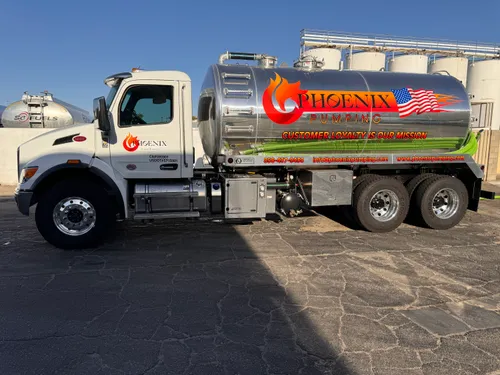
Phoenix Pumping LLC
3131 E Palmyra Ave, Orange, CA 92869
Phoenix Pumping LLC offers cooking oil recycling and grease trap cleaning services in Los Angeles, CA, extending coverage to Southern California counties as well as Arizona and Nevada. The company serves large restaurant chains and facilities with multiple kitchens, providing licensed grease trap cleaning including large outdoor installations. With over a decade of experience, Phoenix Pumping transforms used cooking oil into renewable diesel with a significantly lower carbon footprint. They provide 24/7 availability and a single point of contact for all service needs.
Skyline Grease Services
Los Angeles, CA
Skyline Grease Services provides used cooking oil collection and grease trap cleaning in Los Angeles, CA. They handle grease trap maintenance and oil collection to support local businesses in managing waste effectively.
Understanding Yorba Linda's FOG Program Requirements
The cornerstone of proper waste oil management in Yorba Linda is compliance with the YLWD FOG program. This program mandates that all Food Service Establishments (FSEs) obtain an annual permit. As of recent information, this permit carries a fee of approximately $270 per year. The program's primary goal is to prevent grease from entering the sewer system, where it can solidify, cause backups, and lead to expensive sanitation district clean-up operations and potential fines for your business.
Adherence to this program involves more than just a permit; it requires following strict protocols for handling, storage, and pickup. Non-compliance can result in significant fees, reported to start at $340 or more per occurrence. By understanding and integrating these rules into your daily kitchen operations, you not only avoid penalties but also contribute to the community's infrastructure health and environmental sustainability.
Proper Handling and Storage Protocols
Before oil even reaches a collection container, safe handling is paramount. Always allow cooking oil to cool completely before transferring it. Pouring hot oil is a severe safety hazard and can damage storage containers. Once cooled, the oil must be transferred into dedicated, purpose-built containers.
The YLWD specifies that storage containers must be metal, have tight-fitting lids, and be clearly labeled for used cooking oil. These containers should be stored in a cool, dry area on your premises. Furthermore, best practices and often local codes require secondary containment-such as a spill pallet-around the storage area to capture any potential leaks or spills, preventing environmental runoff.
Key Storage Checklist:
- Cool First: Never pour hot oil.
- Use Approved Containers: Metal, lidded, and labeled containers only.
- Secure Location: Store in a designated, cool, dry spot.
- Contain Spills: Utilize secondary containment systems.
- Clean Spills Immediately: Use absorbent materials like kitty litter or commercial absorbents; never rinse grease or oil spills with water or degreasers into a drain.
Scheduling Professional Pickup and Recycling
You cannot simply dispose of used fryer oil with regular trash or pour it down a drain. Yorba Linda requires that all used cooking oil be collected by a hauler licensed by the California Department of Food and Agriculture (CDFA). These professional services provide the collection containers, schedule regular pickups, and ensure the oil is transported legally and safely to recycling facilities.
The frequency of pickup depends on your oil volume, which providers can help you determine. During collection, the hauler will pump the oil from your storage container into their truck, typically leaving you with a clean, empty container for continued use. This service is the final, crucial link in the compliance chain, ensuring the oil is diverted from landfills and sewers and instead sent for processing.
The Recycling Journey
Collected used cooking oil is a valuable feedstock for recycling. It is primarily processed into biodiesel, a renewable fuel, or used in the production of animal feed, soaps, and other industrial products 1. By using a certified collector, your business directly supports the circular economy and reduces its environmental footprint.
Find the perfect used cooking oil collection companies for your needs
Get personalized recommendations and expert advice
Working with Approved Collection Providers
Choosing the right service provider is essential for seamless and compliant oil collection. Reputable providers will not only be CDFA-licensed but will also understand the specific requirements of the Yorba Linda Water District. They can assist with providing appropriate containers, setting an optimal pickup schedule, and handling all necessary transportation documentation.
Several service providers operate in and around Yorba Linda and Orange County. Examples mentioned in industry resources include companies like Grease Management, All Valley Environmental (AVE), and JR Grease Services 2 3. It is advisable to contact multiple providers to discuss your specific needs, compare service agreements, and understand their fee structures or potential buy-back programs for your oil.
Cost Considerations and Potential Benefits
Managing used cooking oil involves both costs and potential financial upsides. The fixed cost is the YLWD permit fee of around $270 annually 4. Variable costs come from the collection service itself. Some providers charge a service fee for pickup and container maintenance, while others may offer the service for free or even pay you for your oil, depending on its quality, volume, and market prices for recycled feedstock 4 5.
The benefits, however, often outweigh the costs:
- Regulatory Compliance: Avoids fines and enforcement actions from the YLWD.
- Infrastructure Protection: Prevents costly sewer backups and repairs on your property.
- Operational Safety: Reduces slip hazards and pest attraction from improper oil storage.
- Environmental Stewardship: Supports local and state recycling goals.
- Potential Revenue: Your waste oil can become a small source of income.
Maintaining Related Equipment: Grease Traps
While distinct from used cooking oil collection, grease interceptor (or grease trap) maintenance is a closely related and equally critical part of a restaurant's FOG management program. Grease traps capture fats and solids from sink and dishwasher wastewater before it enters the sewer. The YLWD program requires these to be cleaned and pumped out regularly by an approved hauler, typically every 4 to 8 weeks depending on usage 6.
Neglecting grease trap maintenance leads to overflows, foul odors, and is a direct violation of FOG regulations. Many used cooking oil collection providers also offer grease trap cleaning services, allowing you to streamline your waste management with a single provider for both needs.
Getting Started: Your Action Plan
- Contact YLWD: Reach out to the Yorba Linda Water District to apply for your annual FOG program permit and confirm all current requirements.
- Assess Your Volume: Estimate how much used cooking oil your establishment generates weekly to determine service needs.
- Research Providers: Contact several CDFA-licensed used cooking oil collection services in the area. Discuss container provision, pickup schedules, fees, and any oil purchase programs.
- Implement Storage: Set up your designated cooling and storage area with approved, labeled containers and secondary containment.
- Train Your Staff: Ensure all kitchen staff are trained on safe oil cooling, transfer, spill response, and storage procedures.
- Schedule Regular Service: Establish automatic pickups for both used cooking oil and grease trap maintenance to ensure consistent compliance.
Frequently asked questions
Sources
Footnotes
-
Cooking Oil Collection & Grease Recycling Service - https://thegreasecompany.com/oilcollection.html ↩
-
Yorba Linda Used Cooking Oil Collection - Grease Management - https://www.greasemanagement.org/oilcollectionyorbalinda.html ↩
-
Cooking Oil Disposal, Collection & Recycling - https://greaseservices.com/used-cooking-oil-collection-service/ ↩
-
Used Cooking Oil (UCO) Collection Service For Restaurants - https://thegreasecompany.com/blog/restaurant-used-cooking-oil-collection/ ↩ ↩2
-
Cooking Oil Collection - All Valley Environmental Inc. - https://www.allvalleyenv.com/cooking-oil-collection ↩
-
Used Cooking Oil Collection / Pick Up & Recycling. - https://greasemanagement.org/usedoilcollection.html ↩