Find the Best Used Cooking Oil Collection Companies for Your Business
No obligation • Fast responses • Nationwide coverage

Why you can trust Restaurant Waste Disposal
Restaurant Waste Disposal is a leading U.S. resource for comparing restaurant composting, food-waste recycling, grease trap cleaning, and used cooking oil collection services. Our editorial team researches providers, checks credentials, and organizes unbiased information so operators can make informed decisions. Companies cannot pay to change ratings or placement.
Search providers near you
Top Used Cooking Oil Collection Companies in Whittier, California Ranked
For restaurant owners and food service operators in Whittier, managing used cooking oil (UCO) is a critical operational and legal responsibility. Proper disposal of fats, oils, and grease (FOG) is not just about cleanliness; it's a requirement enforced by local and state regulations to protect the city's sewer infrastructure. By partnering with a licensed hauler for professional grease trap cleaning and oil recycling, you can avoid significant fines, protect your plumbing, and contribute to a sustainable circular economy by turning waste into resources like biodiesel. This guide outlines the essential steps, rules, and benefits of establishing a compliant UCO management program for your Whittier establishment.
The Grease Bucket
Los Angeles, CA
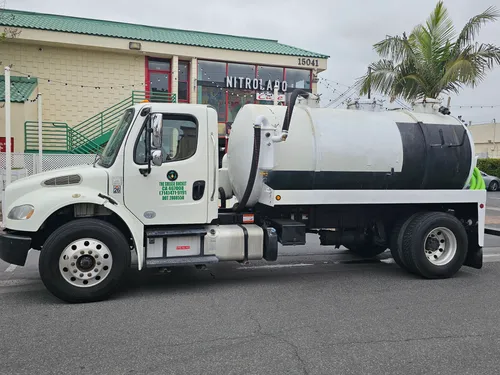
The Grease Bucket provides grease trap cleaning and used cooking oil collection services in Los Angeles, CA. They serve restaurants across Orange County, Los Angeles, San Bernardino, and the Inland Empire area. The company schedules regular collection intervals to prevent overflows and maintains grease interceptors to avoid drain clogs and odors. They recycle used cooking oil into renewable resources, supporting environmental sustainability. The Grease Bucket has been serving customers for over six years and offers emergency pickups when needed during normal business hours.
Trinity Oil & Grease Recycling
Los Angeles, CA
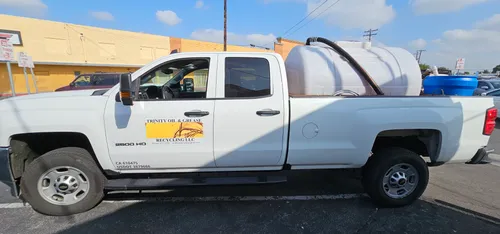
Trinity Oil & Grease Recycling provides used cooking oil collection and grease trap cleaning services in Los Angeles, CA. They offer on-call and scheduled pickups with 24-hour availability across Los Angeles County, Orange County, and Ventura County. Their services include recovery, transportation, disposal, and recycling of kitchen oil and grease, along with high-pressure washing for grease spills and property cleanliness. They supply grease and oil storage containers ranging from 15 to 200 gallons with no minimum amount required for collection. Trinity Oil & Grease Recycling also provides manifest reports as proof of collection to help clients maintain compliance with health and wastewater regulations.
The Grease Company
1116 N Harbor Blvd, Santa Ana, CA 92703
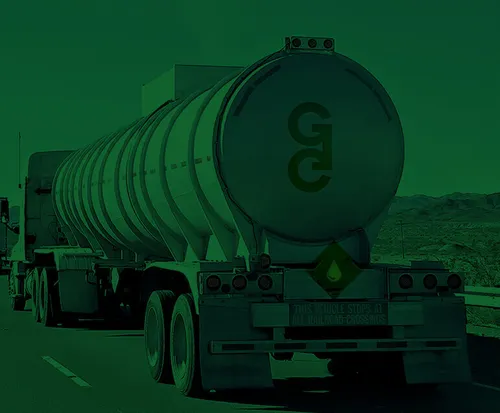
The Grease Company provides grease trap cleaning, repair, and used cooking oil collection services in Los Angeles, CA. They specialize in maintaining commercial kitchen grease traps to prevent clogs and ensure compliance with sanitation regulations. Their capabilities include hydro jetting and environmentally responsible cooking oil disposal. With 12 years of experience, The Grease Company is licensed to serve Southern California and offers transparent pricing and free quotes.
Phoenix Pumping LLC
3131 E Palmyra Ave, Orange, CA 92869
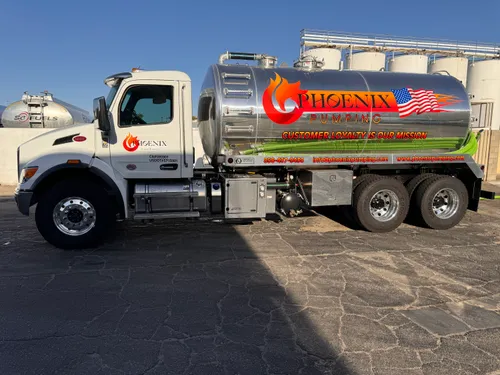
Phoenix Pumping LLC offers cooking oil recycling and grease trap cleaning services in Los Angeles, CA, extending coverage to Southern California counties as well as Arizona and Nevada. The company serves large restaurant chains and facilities with multiple kitchens, providing licensed grease trap cleaning including large outdoor installations. With over a decade of experience, Phoenix Pumping transforms used cooking oil into renewable diesel with a significantly lower carbon footprint. They provide 24/7 availability and a single point of contact for all service needs.
Skyline Grease Services
Los Angeles, CA
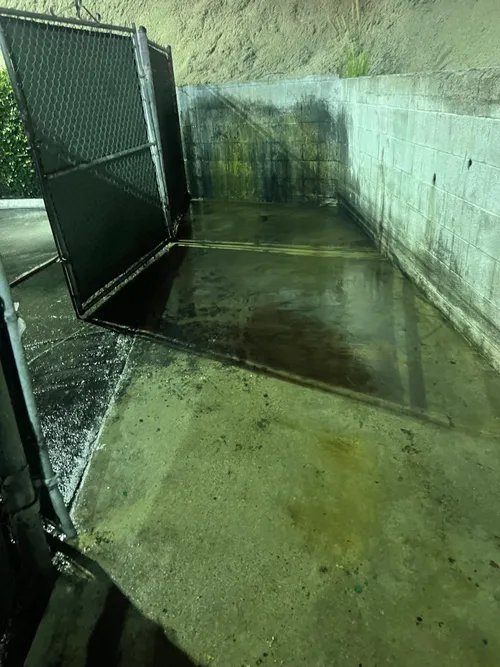
Skyline Grease Services provides used cooking oil collection and grease trap cleaning in Los Angeles, CA. They handle grease trap maintenance and oil collection to support local businesses in managing waste effectively.
Understanding Whittier's FOG Management Rules
Compliance begins with understanding the local mandates. In Whittier, as in much of California, food service establishments are legally required to have their used cooking oil and grease waste removed by a state and city-approved, licensed hauler. Pouring oil down drains or disposing of it with regular trash is strictly prohibited and can lead to severe penalties.
The core components of compliance include:
- Mandatory Licensed Collection: You must contract with a hauler permitted to operate in Whittier. They provide the necessary documentation, known as manifests, which serve as your proof of proper disposal.
- Grease Trap/Interceptor Maintenance: Most food businesses are required to install and maintain a grease trap or interceptor. This device captures FOG before it enters the wastewater system and must be cleaned regularly by a licensed professional to remain effective.
- Proper On-Site Storage: Used oil must be stored in secure, tightly sealed containers that are compatible with the hot oil. These are typically placed in a secure area, often near a back door for easy access by collection trucks, and should be kept out of public view 1.
Failure to adhere to these rules can result in costly fines from the Los Angeles County Sanitation Districts or the City of Whittier, not to mention the expense of repairing clogged pipes and sewer backups on your property.
The Step-by-Step Collection and Recycling Process
Engaging a professional service streamlines what can be a messy and complex task. Here's how the typical process works from start to finish:
- Contact and Schedule: You initiate service by contacting a licensed hauler that services Whittier. Companies like Mahoney Environmental or those affiliated with Grease Management Solutions are examples of providers in the region. They will assess your volume of oil production and establish a regular pickup schedule-whether weekly, bi-weekly, or monthly.
- On-Site Collection: On the scheduled day, a specialized truck arrives. The operator will pump the used oil directly from your storage bins or containers into their sealed tanker truck. This method is clean and efficient, minimizing spillage and odor.
- Transport and Processing: The collected oil is transported to a processing facility. Here, it is cleaned and purified. The primary end product is biodiesel, a renewable fuel that powers vehicles and reduces greenhouse gas emissions. It can also be processed into ingredients for animal feed or industrial lubricants.
- Documentation and Compliance: After each pickup, you should receive a manifest or service receipt. It is crucial to file and retain these documents. They are your official record, proving to any inspector that your waste oil is being handled legally and responsibly by a licensed entity 2.
Financial and Operational Benefits for Your Business
Implementing a professional used cooking oil collection program offers tangible advantages that go beyond mere compliance.
- Cost Avoidance and Potential Revenue: The most immediate benefit is avoiding fines, which can run into thousands of dollars for non-compliance 3 4. Furthermore, depending on market conditions and the quality of your oil, some haulers may actually pay you for your used cooking oil. In other cases, the service may be provided for free or for a low fee, as the recyclable material holds value for the hauler 5 6.
- Protection of Physical Assets: Regular, professional collection prevents the buildup of grease in your own plumbing and in the public sewer line adjacent to your property. This protects you from expensive emergency plumbing repairs and potential business interruptions due to backups 7.
- Enhanced Safety and Cleanliness: Proper storage and regular removal reduce slip-and-fall hazards for staff, deter pests, and prevent rancid odors-creating a safer, more pleasant work environment.
- Strengthened Sustainability Profile: Participating in the conversion of waste oil to biodiesel allows you to directly contribute to environmental sustainability. This is a powerful point for marketing to an increasingly eco-conscious customer base, showcasing your commitment to green practices.
Find the perfect used cooking oil collection companies for your needs
Get personalized recommendations and expert advice
Choosing a Service Provider in Whittier
Selecting the right partner is key to a hassle-free experience. Start by searching for providers using terms like "Whittier used cooking oil recycling" or "Los Angeles County restaurant grease collection" 8 9. When evaluating companies, always confirm they are fully licensed and permitted to operate within the City of Whittier. Don't hesitate to ask for proof of insurance and references from other local restaurants. Obtain quotes from a few different haulers to compare service schedules, container provisions, and their policy on payment for oil versus service fees. A reputable provider will be transparent about the process and eager to help you maintain full compliance.
Best Practices for On-Site Management
While your hauler handles the pickup, your daily practices ensure efficiency and safety.
- Cool Before Handling: Always allow oil to cool completely before transferring it from fryers to storage containers to prevent burns and fires.
- Use Designated Containers: Only use containers supplied or approved by your hauler. Never use makeshift containers that can leak or degrade.
- Keep Storage Areas Secure and Tidy: Ensure your oil storage area is clearly marked, accessible for collection trucks, and free of trip hazards. Keep lids tightly sealed to prevent odors and pests.
- Train Your Staff: Make sure all kitchen staff understand the importance of proper oil disposal and the basic steps for safe handling and storage.
By integrating these practices with a reliable professional service, you transform a mandatory waste stream into a simple, compliant, and even beneficial aspect of your restaurant's operations.
Frequently asked questions
Sources
Footnotes
-
What Does The California Law Say About Used Cooking Oil ... - https://www.grandnatural.com/blog/what-does-the-california-law-say-about-used-cooking-oil-disposal.html ↩
-
Used Cooking Oil Regulations for Food Service Businesses - https://bakercommodities.com/blog/2024/02/08/legal-requirement-used-cooking-grease/ ↩
-
Whittier Used Cooking Oil Collection - Grease Management - https://www.greasemanagement.org/oilcollectionwhittier.html ↩
-
Used Cooking Oil (UCO) Collection Service For Restaurants - https://thegreasecompany.com/blog/restaurant-used-cooking-oil-collection/ ↩
-
Restaurant Grease Pick Up and Disposal Services in Los Angeles, CA - https://www.mahoneyes.com/fryer-oil-disposal-recycling-los-angeles-ca/ ↩
-
Restaurant Oil Disposal: Explained - Eazy Grease - https://eazygrease.com/how-do-restaurants-get-rid-of-their-oil/ ↩
-
Used Cooking Oil Disposal: Complete Guide to Grease Pickups - https://greaseconnections.com/used-cooking-oil-disposal-guide-grease-pickups/ ↩
-
Used Cooking Oil Collection / Pick Up & Recycling. - https://greasemanagement.org/usedoilcollection.html ↩
-
Cooking Oil Collection & Grease Recycling Service - https://thegreasecompany.com/oilcollection.html ↩