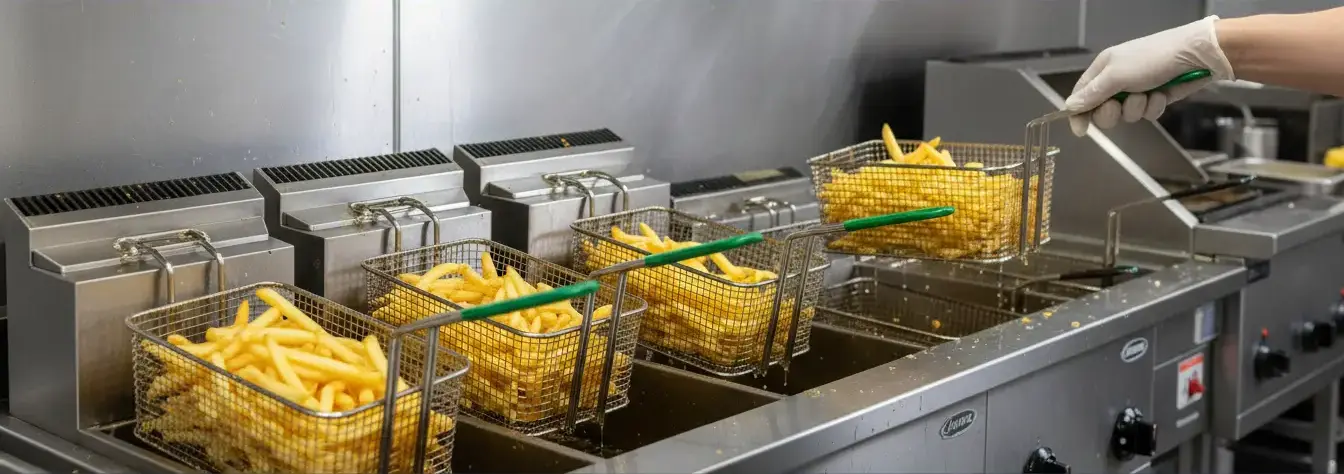
Find the Best Used Cooking Oil Collection Companies for Your Business
No obligation • Fast responses • Nationwide coverage

Why you can trust Restaurant Waste Disposal
Restaurant Waste Disposal is a leading U.S. resource for comparing restaurant composting, food-waste recycling, grease trap cleaning, and used cooking oil collection services. Our editorial team researches providers, checks credentials, and organizes unbiased information so operators can make informed decisions. Companies cannot pay to change ratings or placement.
Search providers near you
Top Used Cooking Oil Collection Companies in West Covina, California Ranked
For restaurant owners and kitchen managers in West Covina, managing used cooking oil (UCO) is far more than a simple cleaning task-it's a critical operational, environmental, and legal responsibility. Proper grease trap and oil collection services are essential for maintaining a compliant and efficient food service establishment. The City of West Covina enforces specific regulations to prevent fats, oils, and grease (FOG) from entering the municipal sewer system, which can lead to costly blockages, environmental damage, and significant fines. By partnering with a licensed hauler for professional used cooking oil pickup, local businesses not only ensure regulatory compliance but also contribute to a circular economy, turning waste into valuable resources like biodiesel. This guide outlines the key steps, legal requirements, and best practices for effective grease management in West Covina.
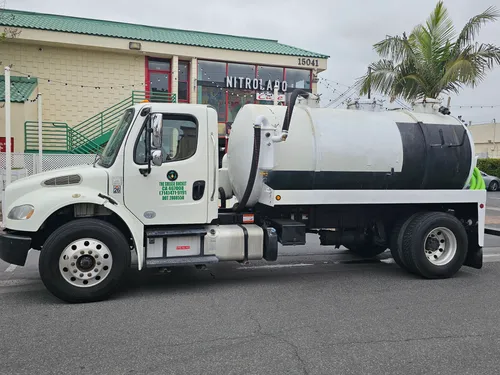
The Grease Bucket
Los Angeles, CA
The Grease Bucket provides grease trap cleaning and used cooking oil collection services in Los Angeles, CA. They serve restaurants across Orange County, Los Angeles, San Bernardino, and the Inland Empire area. The company schedules regular collection intervals to prevent overflows and maintains grease interceptors to avoid drain clogs and odors. They recycle used cooking oil into renewable resources, supporting environmental sustainability. The Grease Bucket has been serving customers for over six years and offers emergency pickups when needed during normal business hours.
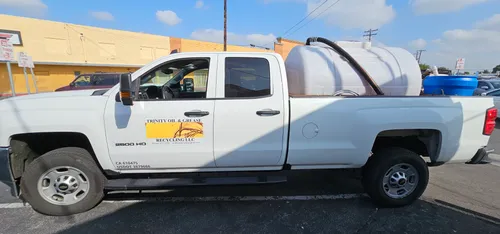
Trinity Oil & Grease Recycling
Los Angeles, CA
Trinity Oil & Grease Recycling provides used cooking oil collection and grease trap cleaning services in Los Angeles, CA. They offer on-call and scheduled pickups with 24-hour availability across Los Angeles County, Orange County, and Ventura County. Their services include recovery, transportation, disposal, and recycling of kitchen oil and grease, along with high-pressure washing for grease spills and property cleanliness. They supply grease and oil storage containers ranging from 15 to 200 gallons with no minimum amount required for collection. Trinity Oil & Grease Recycling also provides manifest reports as proof of collection to help clients maintain compliance with health and wastewater regulations.
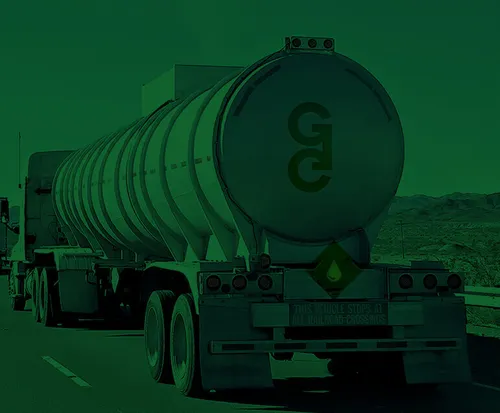
The Grease Company
1116 N Harbor Blvd, Santa Ana, CA 92703
The Grease Company provides grease trap cleaning, repair, and used cooking oil collection services in Los Angeles, CA. They specialize in maintaining commercial kitchen grease traps to prevent clogs and ensure compliance with sanitation regulations. Their capabilities include hydro jetting and environmentally responsible cooking oil disposal. With 12 years of experience, The Grease Company is licensed to serve Southern California and offers transparent pricing and free quotes.
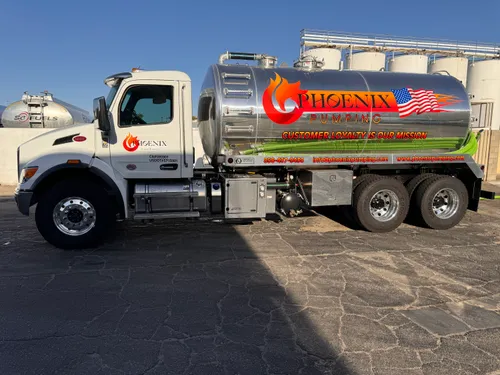
Phoenix Pumping LLC
3131 E Palmyra Ave, Orange, CA 92869
Phoenix Pumping LLC offers cooking oil recycling and grease trap cleaning services in Los Angeles, CA, extending coverage to Southern California counties as well as Arizona and Nevada. The company serves large restaurant chains and facilities with multiple kitchens, providing licensed grease trap cleaning including large outdoor installations. With over a decade of experience, Phoenix Pumping transforms used cooking oil into renewable diesel with a significantly lower carbon footprint. They provide 24/7 availability and a single point of contact for all service needs.
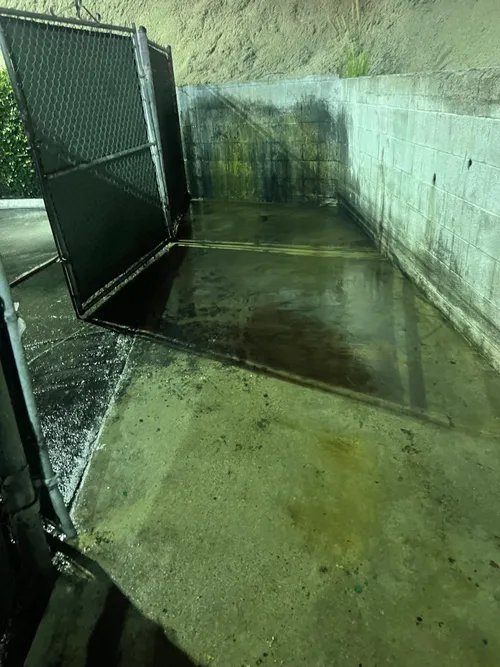
Skyline Grease Services
Los Angeles, CA
Skyline Grease Services provides used cooking oil collection and grease trap cleaning in Los Angeles, CA. They handle grease trap maintenance and oil collection to support local businesses in managing waste effectively.
Understanding West Covina's FOG Regulations
Compliance begins with understanding local mandates. West Covina, like many cities in Los Angeles County, has strict ordinances governing the disposal of fats, oils, and grease. The primary goal is to protect the public sewer infrastructure from FOG-related blockages, which can cause sewage overflows-a serious public health and environmental hazard.
Key legal requirements for food establishments in West Covina include:
- Prohibition of Drain Disposal: It is illegal to pour or discharge any used cooking oil, grease, or food scraps into sinks, floor drains, or any other sewer connection.
- Mandatory Grease Interceptors: All food service establishments are required to have properly sized and maintained grease traps or interceptors. These devices capture FOG before wastewater leaves your facility, and they must be cleaned regularly to remain effective 1.
- Use of Licensed Haulers: You must contract with a rendering company or hauler that is licensed by both the state of California (typically through the California Department of Food and Agriculture - CDFA) and authorized by the city for used cooking oil collection and grease trap service. Using an unlicensed provider can result in violations.
- Documentation and Record-Keeping: Maintain detailed records, including manifests or invoices from your hauler. These documents serve as proof of proper disposal and are crucial during health or city inspections 2.
The Step-by-Step Process for Oil Collection
Implementing a safe and efficient used oil management routine protects your staff, your property, and the environment. Follow this standard process endorsed by professional collectors:
- Cool and Contain: After frying, allow the oil to cool completely to a safe temperature (below 120°F is recommended) before handling. Once cooled, carefully pour the UCO into a dedicated, sealable container. Approved containers are typically heavy-duty barrels or drums provided by your collection service.
- Secure Storage: Store the filled containers in a designated, accessible area, such as near your back door or loading dock. Ensure the containers are on a stable, level surface and have tight-fitting lids to prevent spills, odors, and pests 3.
- Schedule Licensed Pickup: Your contracted, licensed hauler will schedule regular pickups based on your volume. They will pump or swap out your full containers, leaving you with clean, empty ones for continued use.
- Recycling and Transformation: The collected oil is transported to a processing facility. There, it is filtered and refined to become a feedstock for renewable biofuels like biodiesel, or other products such as animal feed or industrial lubricants 4. This process ensures the oil is diverted from landfills and given a productive second life.
Best Practices for On-Site Grease Management
Beyond the basic collection steps, adopting these operational best practices can streamline your kitchen's waste management and enhance safety.
- Prioritize Safety: Always allow oil to cool before transfer. Use appropriate personal protective equipment (PPE) like heat-resistant gloves and aprons to prevent burns.
- Ensure Accessibility: Make sure your storage area is clear of obstructions and easily accessible for the hauler's truck. This facilitates quick, efficient service and prevents missed pickups.
- Maintain Container Integrity: Regularly inspect your storage barrels for cracks, leaks, or damaged lids. Report any issues to your service provider immediately for replacement.
- Practice Immediate Cleanup: In the event of a spill, clean it up promptly using absorbent materials designed for grease. Never hose a grease spill into a drain 5.
Find the perfect used cooking oil collection companies for your needs
Get personalized recommendations and expert advice
Financial Considerations: Cost vs. Potential Revenue
The financial model for used cooking oil collection can vary. Many providers structure their services to benefit restaurants of all sizes.
- For Lower Volume Producers: Establishments generating smaller amounts of used oil (often under 100 gallons per month) typically receive free pickup and recycling services. The hauler's revenue comes from selling the recycled commodity, making it a cost-neutral or cost-saving solution for the restaurant.
- For Higher Volume Producers: Busy restaurants, especially those with high-volume fryers, may generate enough used oil to qualify for revenue-sharing programs. Haulers may pay for the oil, with rates fluctuating based on market prices for renewable feedstocks. Payments can range from a few cents to over 50 cents per gallon, providing a small but valuable stream of secondary income 6 7.
It's important to obtain clear terms from your service provider regarding any fees or potential payments.
Finding a Compliant Service Provider in West Covina
Choosing the right partner is crucial for compliance and operational ease. Look for a provider that is transparent about its licensing and familiar with West Covina's specific municipal codes. You can start your search by:
- Utilizing the Los Angeles County SmartBusiness recycling locator tool to find approved haulers in your area 8.
- Contacting established, licensed grease collection companies that service the San Gabriel Valley, such as The Grease Company or Grease Management Solutions, to request a compliance assessment and service quote 9 10 11.
- Verifying that any prospective hauler can provide you with the proper documentation (manifests) required for your records.
By integrating a professional used cooking oil collection system into your daily operations, you safeguard your business from regulatory penalties, contribute to local sustainability goals, and potentially offset some operational costs. Proper grease management is a hallmark of a responsible and well-run food service establishment in West Covina.
Frequently asked questions
Sources
Footnotes
-
Ordinance - 2236 - IIS Windows Server - https://records.westcovina.org/WebLink/DocView.aspx?id=17773&dbid=0&repo=WestCovina ↩
-
Navigating Legal Requirements for Used Cooking Oil Disposal - https://bakercommodities.com/blog/2024/02/08/legal-requirement-used-cooking-grease/ ↩
-
What Does The California Law Say About Used Cooking Oil ... - https://www.grandnatural.com/blog/what-does-the-california-law-say-about-used-cooking-oil-disposal.html ↩
-
Used Cooking Oil Recycling | Solid Waste Authority of Palm Beach ... - https://www.swa.org/173/Used-Cooking-Oil ↩
-
Used Cooking Oil Disposal: Complete Guide to Grease Pickups - https://greaseconnections.com/used-cooking-oil-disposal-guide-grease-pickups/ ↩
-
How Recycling Used Cooking Oil Can Save Restaurants ... - https://www.cbs42.com/business/press-releases/ein-presswire/864508472/how-recycling-used-cooking-oil-can-save-restaurants-money-and-enhance-sustainability-efforts ↩
-
Restaurant Used Cooking Oil: Disposal, Recycling & Revenue Guide - https://greaseconnections.com/restaurant-used-cooking-oil-disposal-recycling-revenue-guide/ ↩
-
I need to dispose of used cooking oil and grease. Where does it go? - https://pw.lacounty.gov/general/faq/?11435=11435&Action=getAnswers&FaqID=JSNNOzBTPSggCg%3D%3D ↩
-
Cooking Oil Collection & Grease Recycling Service - https://thegreasecompany.com/oilcollection.html ↩
-
Used Cooking Oil Collection / Pick Up & Recycling. - https://greasemanagement.org/usedoilcollection.html ↩
-
TOP Used Cooking Oil Collection COMPANY in West Covina - https://www.greasemanagement.org/oilcollectionwestcovina.html ↩