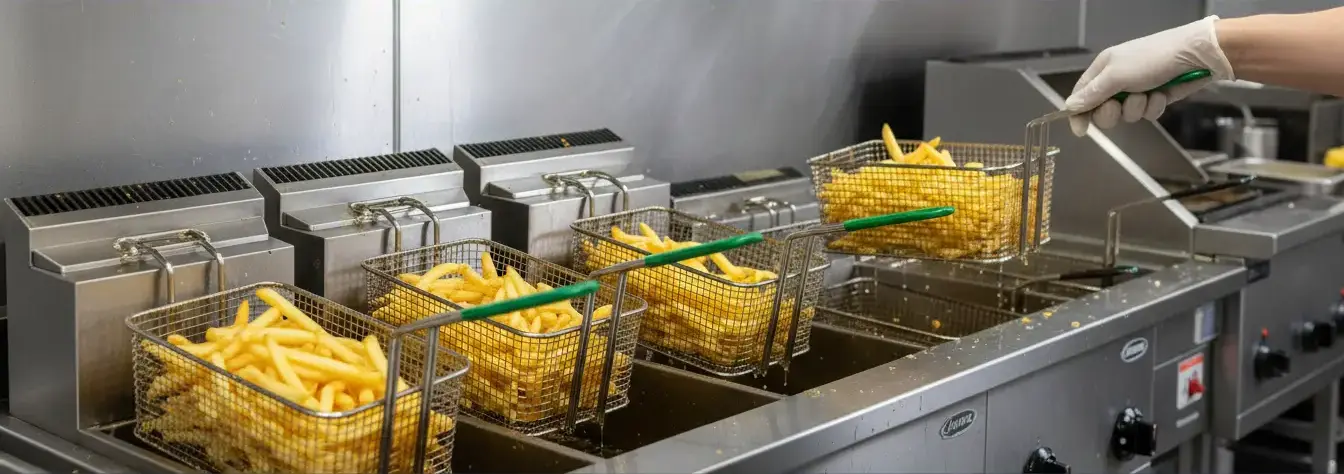
Find the Best Used Cooking Oil Collection Companies for Your Business
No obligation • Fast responses • Nationwide coverage

Why you can trust Restaurant Waste Disposal
Restaurant Waste Disposal is a leading U.S. resource for comparing restaurant composting, food-waste recycling, grease trap cleaning, and used cooking oil collection services. Our editorial team researches providers, checks credentials, and organizes unbiased information so operators can make informed decisions. Companies cannot pay to change ratings or placement.
Search providers near you
Top Used Cooking Oil Collection Companies in Torrance, California Ranked
For restaurant owners and food service operators in Torrance, managing used cooking oil (UCO) is more than just a routine cleanup task-it's a critical component of regulatory compliance and environmental responsibility. The city has specific mandates requiring food establishments to partner with licensed haulers for the proper collection and recycling of grease and oil to prevent costly sewer blockages and environmental harm. This process not only keeps your business in good standing with local inspectors but also transforms a waste product into valuable commodities like biodiesel. Navigating the system correctly can even turn this obligation into a potential revenue stream, depending on the volume and quality of your oil.
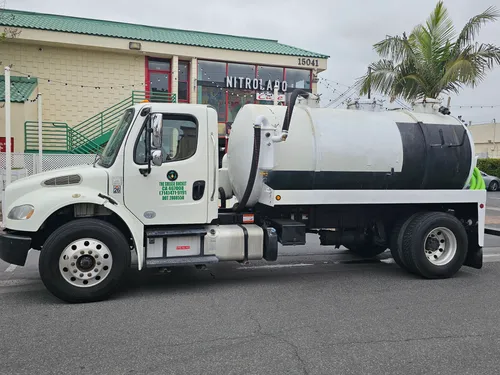
The Grease Bucket
Los Angeles, CA
The Grease Bucket provides grease trap cleaning and used cooking oil collection services in Los Angeles, CA. They serve restaurants across Orange County, Los Angeles, San Bernardino, and the Inland Empire area. The company schedules regular collection intervals to prevent overflows and maintains grease interceptors to avoid drain clogs and odors. They recycle used cooking oil into renewable resources, supporting environmental sustainability. The Grease Bucket has been serving customers for over six years and offers emergency pickups when needed during normal business hours.
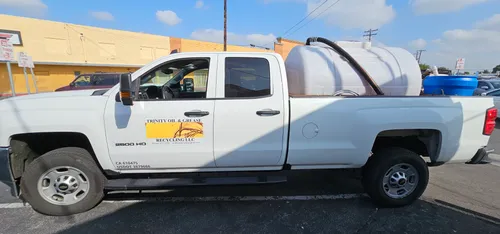
Trinity Oil & Grease Recycling
Los Angeles, CA
Trinity Oil & Grease Recycling provides used cooking oil collection and grease trap cleaning services in Los Angeles, CA. They offer on-call and scheduled pickups with 24-hour availability across Los Angeles County, Orange County, and Ventura County. Their services include recovery, transportation, disposal, and recycling of kitchen oil and grease, along with high-pressure washing for grease spills and property cleanliness. They supply grease and oil storage containers ranging from 15 to 200 gallons with no minimum amount required for collection. Trinity Oil & Grease Recycling also provides manifest reports as proof of collection to help clients maintain compliance with health and wastewater regulations.
The Grease Company
1116 N Harbor Blvd, Santa Ana, CA 92703
The Grease Company provides grease trap cleaning, repair, and used cooking oil collection services in Los Angeles, CA. They specialize in maintaining commercial kitchen grease traps to prevent clogs and ensure compliance with sanitation regulations. Their capabilities include hydro jetting and environmentally responsible cooking oil disposal. With 12 years of experience, The Grease Company is licensed to serve Southern California and offers transparent pricing and free quotes.
Skyline Grease Services
Los Angeles, CA
Skyline Grease Services provides used cooking oil collection and grease trap cleaning in Los Angeles, CA. They handle grease trap maintenance and oil collection to support local businesses in managing waste effectively.
JR Grease Services
1571 W 15th St, Long Beach, CA 90813
JR Grease Services provides grease trap cleaning and used cooking oil collection in Los Angeles, CA. They offer solutions to help kitchens operate smoothly by managing grease-related issues and providing plumbing support. The company is experienced in servicing grease traps and collecting used cooking oil to maintain proper flow and prevent interruptions.
Understanding Torrance's Grease and Oil Regulations
Torrance takes the management of fats, oils, and grease (FOG) seriously to protect its sewer infrastructure. City inspectors actively enforce rules designed to prevent grease from entering the sewer system, where it can solidify and cause major blockages and overflows. For your restaurant, this means compliance is not optional.
Key requirements include:
- Using a Licensed Hauler: You must contract with a specialized, licensed grease collection company approved by agencies like the California Department of Food and Agriculture (CDFA). Disposing of oil down drains or in trash is illegal and can result in significant fines.
- Secure Storage: Used oil and grease must be stored in designated, leak-proof containers, typically provided by your hauler. These containers must be kept secure, especially if stored outdoors, to prevent theft, spills, and contamination 1.
- Maintaining Records: Upon each pickup, your hauler will provide a manifest or receipt. You are required to maintain these documents as proof of proper disposal. Failure to provide manifests during an inspection can lead to penalties 2.
- Grease Interceptor Maintenance: Your kitchen's grease trap or interceptor must be regularly cleaned and kept free of solid debris like food scraps, paper towels, and rags to function effectively.
The Collection and Recycling Process
Partnering with a professional used cooking oil collection service streamlines waste management into a simple, scheduled process. Here's how it typically works:
- Collection: After cooking oil has cooled, kitchen staff safely pour it from fryers and other equipment into the secure storage bin provided by your hauler.
- Scheduled Pickup: Your licensed service provider will collect the accumulated oil on a regular schedule tailored to your volume-whether weekly, bi-weekly, or monthly. They handle all the heavy lifting and transport.
- Recycling & Repurposing: This is where waste gains value. The collected oil is transported to processing facilities where it is cleaned and converted into useful products. Common end uses include biodiesel fuel, animal feed supplements, soap, and industrial lubricants 3 4. This circular process significantly reduces landfill waste and supports renewable energy production.
Cost Structure: Fees, Free Service, and Potential Payment
The financial aspect of used cooking oil collection in Torrance can vary significantly. It's not simply a cost of doing business; for many establishments, it can offset expenses or generate income.
- The Spectrum of Pricing Models: Services can range from a fee-based structure to free pickup or even a payment to your restaurant. The model depends largely on your oil's volume, quality, and the current market for recycled commodities.
- Quality is King: The single biggest factor influencing what you pay or earn is the quality of your oil. Clean, well-managed oil-free from excessive water, food particles, and other contaminants-is highly valuable to recyclers. High-quality oil often qualifies for rebate programs or direct payment per gallon 5 6. Conversely, heavily contaminated oil is costly to process, and haulers will typically charge a disposal fee for handling it 7.
- Understanding "Free" Pickup: Many companies advertise free collection services. While this can be legitimate for restaurants with consistent, clean oil output, it's crucial to read the contract details. Some agreements may lock you into long terms or include hidden fees for contamination or early termination. Always clarify what defines "contamination" and what the associated charges might be.
Find the perfect used cooking oil collection companies for your needs
Get personalized recommendations and expert advice
How to Choose a Service Provider in Torrance
Selecting the right partner for your grease trap cleaning and used oil recycling is essential for compliance and operational efficiency.
- Verify Licensing and Insurance: Always confirm that the hauler is properly licensed by the CDFA and carries adequate insurance. This protects your business from liability.
- Evaluate Service Offerings: Look for a provider that offers comprehensive solutions, including reliable used cooking oil pickup, grease interceptor pumping, and provision of secure, durable collection containers. Consistent, on-time service is critical.
- Get Transparent Pricing: Request clear, detailed quotes. Understand whether you will be charged a fee, receive a payment, or have a free service arrangement. Ask specific questions about fees for contaminated oil, service call charges, and contract terms.
- Research Local Companies: Start your search with terms like "licensed grease collection Torrance" or "restaurant used cooking oil recycling Los Angeles County." Established providers serving the South Bay area include companies like Mahoney Environmental, Grease Management Solutions, and The Grease Company 8 9 10.
Best Practices for On-Site Oil Management
Maximizing safety, compliance, and the value of your used oil starts in your own kitchen.
- Cool Before Transferring: Always allow oil to cool completely before moving it to storage containers to prevent burns and fires.
- Prevent Contamination: Use filters to remove food solids from oil while it's still in the fryer. Never mix used cooking oil with water, soap, or other liquids, as this drastically reduces its recycling value 11.
- Secure Your Bin: Keep your outdoor collection bin locked. Used cooking oil has a market value, and theft, known as "grease pirating," can occur. A locked bin also prevents accidental or intentional contamination 12.
- Train Your Staff: Ensure all kitchen employees understand the proper procedures for handling, storing, and disposing of cooking oil and grease. This maintains safety and oil quality.
- Maintain Your Grease Trap: Adhere to a regular pumping schedule for your grease interceptor, as mandated by local codes. A well-maintained trap prevents sewer line backups inside your facility, which are far more costly and disruptive than routine maintenance.
Frequently asked questions
Sources
Footnotes
-
Used Cooking Oil Collection / Pick Up & Recycling. - https://greasemanagement.org/usedoilcollection.html ↩
-
What Does The California Law Say About Used Cooking Oil Disposal? - https://www.grandnatural.com/blog/what-does-the-california-law-say-about-used-cooking-oil-disposal.html ↩
-
Used Cooking Oil (UCO) Collection Service For Restaurants - https://thegreasecompany.com/blog/restaurant-used-cooking-oil-collection/ ↩
-
Cooking Oil & Grease - Torrance Recycles - https://torrancerecycles.org/guide/cooking-oil-grease/ ↩
-
Used Cooking Oil Pricing & Business Guide - Grease Connections - https://greaseconnections.com/used-cooking-oil-pricing-guide/ ↩
-
How to dispose of or recycle Cooking Oil - Default V2 - Oceanside, CA - https://www.ci.oceanside.ca.us/government/water-utilities/environmental-services-programs/zero-waste-program/for-residents#!rc-cpage=757820 ↩
-
"Free" Used Oil Pickup? Avoid the $3,200 Trap - https://greaseconnections.com/free-used-oil-pickup-cost-trap/ ↩
-
Torrance Used Cooking Oil Collection - Grease Management - https://greasemanagement.org/oilcollectiontorrance.html ↩
-
Restaurant Grease Pick Up and Disposal Services in Los ... - https://www.mahoneyes.com/fryer-oil-disposal-recycling-los-angeles-ca/ ↩
-
Cooking Oil Collection & Grease Recycling Service - https://thegreasecompany.com/oilcollection.html ↩
-
Restaurant Used Cooking Oil: Disposal, Recycling & Revenue Guide - https://greaseconnections.com/restaurant-used-cooking-oil-disposal-recycling-revenue-guide/ ↩
-
Restaurant Oil Disposal: Explained - Eazy Grease - https://eazygrease.com/how-do-restaurants-get-rid-of-their-oil/ ↩