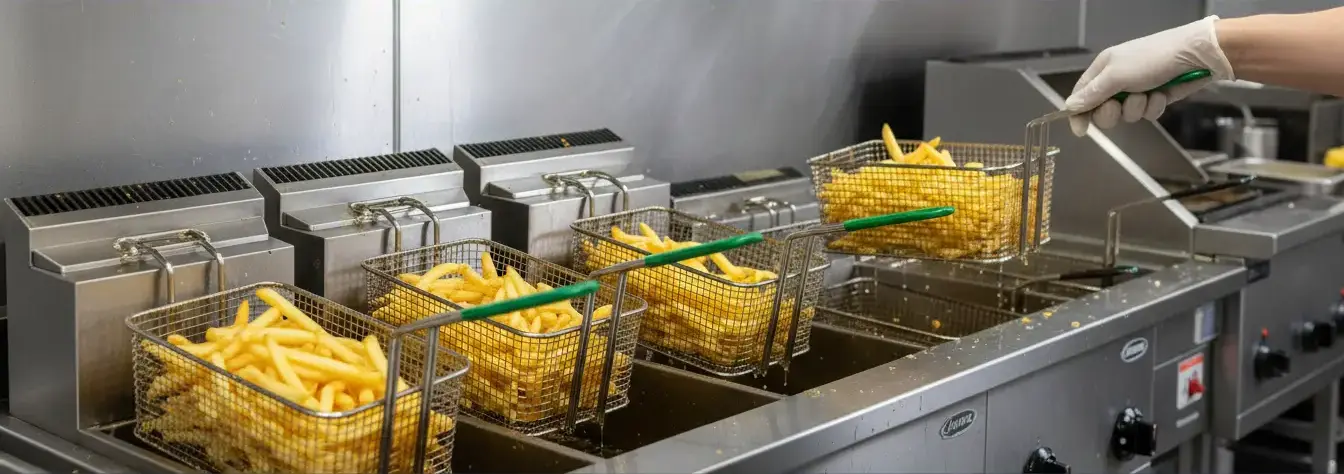
Find the Best Used Cooking Oil Collection Companies for Your Business
No obligation • Fast responses • Nationwide coverage

Why you can trust Restaurant Waste Disposal
Restaurant Waste Disposal is a leading U.S. resource for comparing restaurant composting, food-waste recycling, grease trap cleaning, and used cooking oil collection services. Our editorial team researches providers, checks credentials, and organizes unbiased information so operators can make informed decisions. Companies cannot pay to change ratings or placement.
Search providers near you
Top Used Cooking Oil Collection Companies in Santa Monica, California Ranked
For restaurants and food service businesses in Santa Monica, managing used cooking oil (UCO) is more than just a routine cleanup task-it's a critical component of regulatory compliance and environmental sustainability. The city enforces strict rules to protect its wastewater systems and coastal environment, requiring businesses to partner with licensed haulers for proper grease trap maintenance and oil collection. By implementing a structured program for grease and oil recycling, local establishments not only meet these mandates but also contribute to a circular economy, turning a potential waste product into valuable biodiesel. This guide outlines the essential steps, benefits, and service options for effective used cooking oil management in Santa Monica.
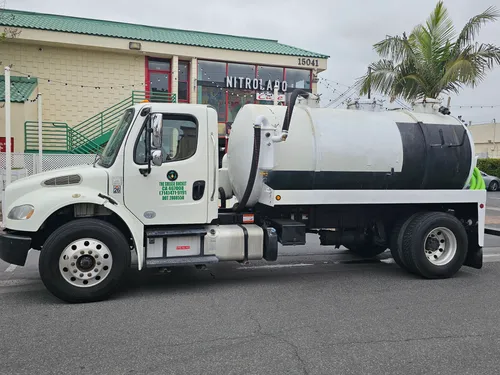
The Grease Bucket
Los Angeles, CA
The Grease Bucket provides grease trap cleaning and used cooking oil collection services in Los Angeles, CA. They serve restaurants across Orange County, Los Angeles, San Bernardino, and the Inland Empire area. The company schedules regular collection intervals to prevent overflows and maintains grease interceptors to avoid drain clogs and odors. They recycle used cooking oil into renewable resources, supporting environmental sustainability. The Grease Bucket has been serving customers for over six years and offers emergency pickups when needed during normal business hours.
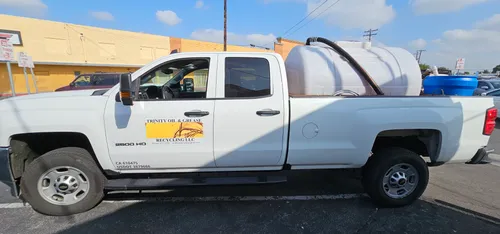
Trinity Oil & Grease Recycling
Los Angeles, CA
Trinity Oil & Grease Recycling provides used cooking oil collection and grease trap cleaning services in Los Angeles, CA. They offer on-call and scheduled pickups with 24-hour availability across Los Angeles County, Orange County, and Ventura County. Their services include recovery, transportation, disposal, and recycling of kitchen oil and grease, along with high-pressure washing for grease spills and property cleanliness. They supply grease and oil storage containers ranging from 15 to 200 gallons with no minimum amount required for collection. Trinity Oil & Grease Recycling also provides manifest reports as proof of collection to help clients maintain compliance with health and wastewater regulations.
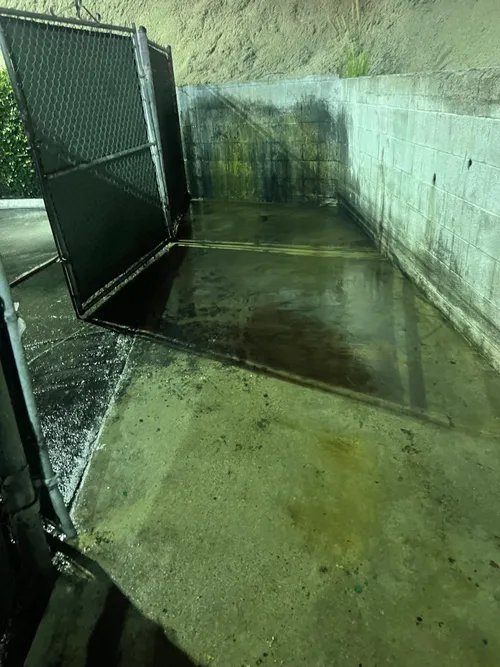
Skyline Grease Services
Los Angeles, CA
Skyline Grease Services provides used cooking oil collection and grease trap cleaning in Los Angeles, CA. They handle grease trap maintenance and oil collection to support local businesses in managing waste effectively.
All in Sanitation | Grease Trap Cleaning | Septic Pumping
527 W 7th St, Los Angeles, CA 90014
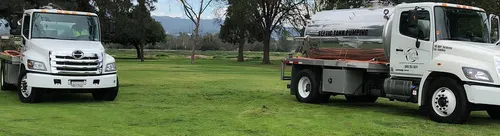
All in Sanitation | Grease Trap Cleaning | Septic Pumping offers comprehensive grease trap cleaning, pumping, and used cooking oil collection services in Los Angeles, CA. They serve a variety of commercial clients including restaurants, hotels, and schools across Los Angeles and nearby neighborhoods such as Hollywood, Downtown LA, Koreatown, and West Los Angeles. Their services include grease removal, high-pressure hydro jetting to prevent blockages, and environmentally responsible grease recycling. The company complies with Los Angeles County health regulations and provides 24/7 emergency service to address urgent needs. They also offer scheduled maintenance plans and service multi-location food facilities. Additionally, All in Sanitation has a dedicated division for sustainable used cooking oil disposal that supports biofuel production.
JR Grease Services
1571 W 15th St, Long Beach, CA 90813
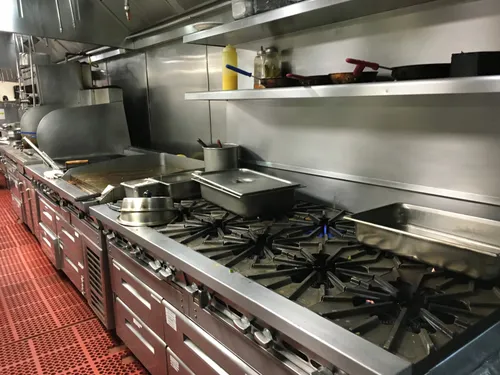
JR Grease Services provides grease trap cleaning and used cooking oil collection in Los Angeles, CA. They offer solutions to help kitchens operate smoothly by managing grease-related issues and providing plumbing support. The company is experienced in servicing grease traps and collecting used cooking oil to maintain proper flow and prevent interruptions.
Understanding Santa Monica's FOG Regulations
Santa Monica, like many California cities, has stringent regulations governing Fats, Oils, and Grease (FOG) to prevent sewer blockages and protect water quality. These rules are not merely suggestions; they are enforceable mandates with potential fines for non-compliance. The core requirement is that any food service establishment generating significant FOG must use a licensed hauler for the collection and disposal of both grease trap waste and used cooking oil. City inspectors can enforce these rules, making proper documentation and partnership with a certified provider essential.
The regulations are designed to stop FOG from entering the sanitary sewer system, where it can cool, solidify, and cause costly backups and overflows. This is particularly important in a coastal community like Santa Monica, where protecting stormwater and ocean health is a priority. Compliance involves more than just scheduling a pickup; it requires a systematic approach to storage, handling, and record-keeping that aligns with both city ordinances and broader state guidelines from agencies like CalRecycle 1.
Best Practices for On-Site Oil Handling and Storage
Proper handling begins the moment oil is drained from the fryer. Following a few key steps ensures safety, maintains oil quality for recycling, and prevents violations.
- Cool and Separate: Always allow oil to cool below 120°F before handling. Scrape out any large food solids and dispose of them as solid waste before pouring the liquid oil into your dedicated collection container. Never mix used cooking oil with water, detergent, or other liquids, as this contaminates the batch and complicates the recycling process.
- Secure Storage: Oil must be stored in dedicated, leak-proof containers with secure, tight-fitting lids. These are often provided by your collection service. Containers should be placed on a stable, level surface, preferably indoors or in a covered outdoor area with secondary containment (like a spill pallet) to catch any potential leaks. Crucially, storage areas must be away from storm drains to prevent any runoff from entering the stormwater system.
- Clear Labeling and Access: Clearly label containers as "Used Cooking Oil Only." Ensure the storage location is easily accessible for service technicians during their scheduled pickups, but secure enough to prevent tampering or accidental spills.
The Step-by-Step Collection and Recycling Process
Establishing a reliable used cooking oil pickup service involves a straightforward partnership with a licensed provider.
- Partner with a Licensed Hauler: The first step is to contract with a waste oil collection company permitted to operate in Santa Monica. Providers such as Grand Natural, Grease Management Solutions, and Lend Environmental offer services in the area.
- Container Placement and Setup: Your service provider will typically supply locked, durable collection bins or barrels at no upfront cost. They will help determine the optimal size and number of containers based on your volume and kitchen layout.
- Scheduled Pickups: Based on your oil production rate, you'll establish a pickup schedule-whether weekly, bi-weekly, or monthly. The hauler's truck will arrive on schedule, pump out the contents of your containers, and leave them clean and ready for reuse.
- Transport and Transformation: The collected oil is transported to a recycling facility. In some cases, like with Lend Environmental, this facility is local. Here, the oil is processed to remove impurities and is then converted into raw material for biodiesel production, animal feed supplements, or other industrial products, completing the recycling loop 2 3.
Financial Considerations: Costs and Potential Savings
The economics of used cooking oil collection can be favorable, especially for establishments with higher volume output.
- Free Collection for Volume: A common model in the industry is free collection for businesses that generate a minimum amount of oil per pickup, often cited as 35-40 gallons or more. This is because the value of the recycled oil offsets the service cost for the provider 4.
- Fees for Smaller Generators: Smaller cafes or restaurants that produce less than the minimum threshold may incur a service fee per pickup. These fees can vary but are often in the range of $45 or more per service call 5.
- Overall Financial Benefits: Recycling used oil can lead to tangible savings. It reduces the volume of general waste, potentially lowering trash hauling fees. More importantly, it helps businesses avoid significant fines for non-compliance with FOG regulations. Furthermore, supporting the creation of biodiesel enhances a restaurant's sustainability profile, which can be a valuable marketing point for environmentally conscious customers.
Find the perfect used cooking oil collection companies for your needs
Get personalized recommendations and expert advice
Local Service Provider Overview
Several reputable companies service the Santa Monica area, each offering slightly different programs. It's advisable to get quotes and service details from multiple providers to find the best fit for your operation.
- Grand Natural: This provider emphasizes a full-service, 100% recycling model. They offer free containers and maintenance, handling both used cooking oil and grease trap waste, and focus on turning all collected material into renewable energy 6.
- Grease Management Solutions: They provide scheduled used cooking oil pickups and highlight the potential for free service for locations with larger, consistent volumes. Their services are designed to ensure businesses remain in compliance with local laws.
- Lend Environmental: Operating a local facility, Lend Environmental provides collection services for used cooking oil and grease. Having a local processing center can streamline the recycling chain and support the regional economy 7.
Maintaining Compliance and Documentation
Staying compliant is an ongoing responsibility. Keep detailed records of every used cooking oil and grease trap service. Your hauler should provide a manifest or service ticket for each pickup, which you must retain. This documentation should include the date, the volume of oil collected, and the hauler's information. These records are your proof of compliance and are essential during any city inspection 8 9. Regularly inspect your own storage area for leaks, ensure lids are secure, and train kitchen staff on proper oil disposal procedures to prevent accidental contamination or spills.
The Environmental Impact of Recycling UCO
Choosing to recycle used cooking oil has a direct positive impact on Santa Monica's environment. When oil is improperly poured down drains, it contributes to sewer overflows that can pollute Santa Monica Bay. When recycled, it is diverted from landfills and wastewater systems. The primary end-product, biodiesel, is a cleaner-burning alternative to petroleum diesel, reducing greenhouse gas emissions and particulate matter pollution. By participating in a certified collection program, local restaurants play a direct role in advancing the city's sustainability goals and protecting its iconic coastline.
Frequently asked questions
Sources
Footnotes
-
Used Oil Recycling Program - CalRecycle Home Page - CA.gov - https://calrecycle.ca.gov/usedoil/ ↩
-
Used Cooking Oil Disposal: Complete Guide to Grease Pickups - https://greaseconnections.com/used-cooking-oil-disposal-guide-grease-pickups/ ↩
-
Used Cooking Oil Collection / Pick Up & Recycling. - https://greasemanagement.org/usedoilcollection.html ↩
-
TOP Used Cooking Oil Collection COMPANY in Santa Monica - https://greasemanagement.org/oilcollectionsantamonica.html ↩
-
How Recycling Used Cooking Oil Can Save Restaurants Money and ... - https://www.cbs42.com/business/press-releases/ein-presswire/864508472/how-recycling-used-cooking-oil-can-save-restaurants-money-and-enhance-sustainability-efforts ↩
-
Used Cooking Oil Pickup and Recycling Services in Santa ... - https://www.grandnatural.com/locations/used-cooking-oil-recycling-in-santa-monica.html ↩
-
Cooking Oil Recycling, Grease Collection, Disposal Facility ... - https://www.recyclingusedcookingoil.com/cooking-oil-recycling-disposal-grease-trap-santa-monica/ ↩
-
Navigating Legal Requirements for Used Cooking Oil Disposal - https://bakercommodities.com/blog/2024/02/08/legal-requirement-used-cooking-grease/ ↩
-
Cal. Code Regs. Tit. 3, § 1180.24 - Requirements to Document and ... - https://www.law.cornell.edu/regulations/california/3-CCR-1180.24 ↩