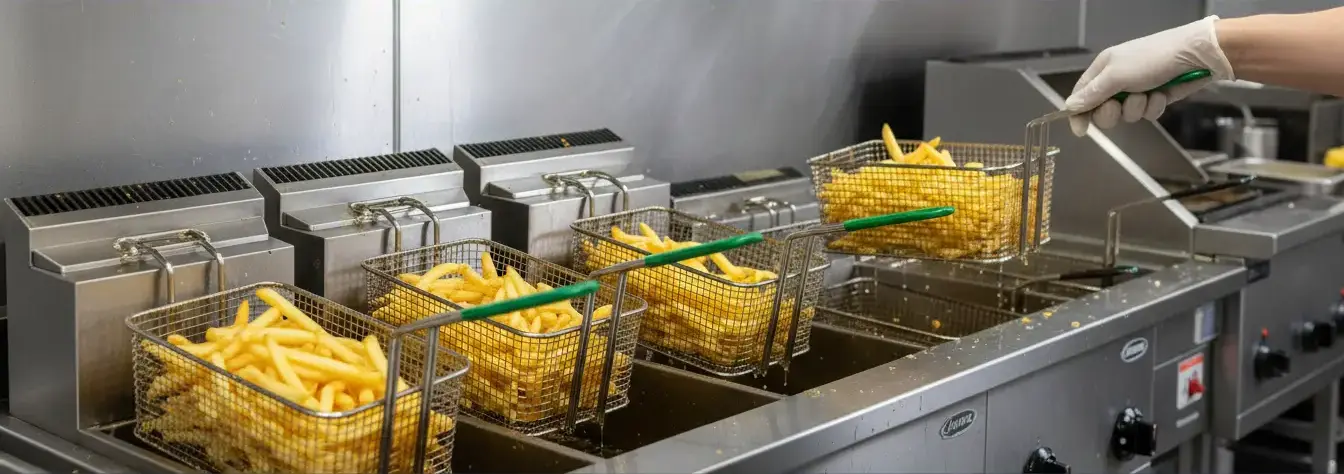
Find the Best Used Cooking Oil Collection Companies for Your Business
No obligation • Fast responses • Nationwide coverage

Why you can trust Restaurant Waste Disposal
Restaurant Waste Disposal is a leading U.S. resource for comparing restaurant composting, food-waste recycling, grease trap cleaning, and used cooking oil collection services. Our editorial team researches providers, checks credentials, and organizes unbiased information so operators can make informed decisions. Companies cannot pay to change ratings or placement.
Search providers near you
Top Used Cooking Oil Collection Companies in Rohnert Park, California Ranked
For restaurants and food service establishments in Rohnert Park, managing used cooking oil (UCO) is a critical operational and environmental responsibility. Proper grease collection and recycling are not just about cleanliness; they are mandated by local sewer ordinances designed to protect the city's infrastructure from costly and damaging blockages. By partnering with a licensed hauler, businesses can transform a waste product into a valuable commodity, often generating rebates while ensuring full compliance with Sonoma County regulations. This guide outlines the essential steps for compliant UCO management, from proper on-site storage to selecting a reputable collection service.
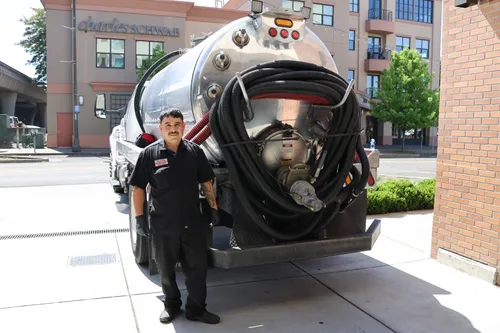
North Bay Restaurant Services
437 W 9th St, Santa Rosa, CA 95401
North Bay Restaurant Services in Santa Rosa, CA, has provided kitchen maintenance solutions for nearly 30 years. They serve Bay Area restaurants with services including NFPA-96 hood cleaning, grease trap pumping, interceptor maintenance, hydrojetting, and used cooking oil recycling. Their custom equipment and trained technicians help keep kitchens clean, compliant, and inspection-ready. The company supports a range of clients from neighborhood cafés to Michelin-starred restaurants, ensuring grease traps meet local FOG compliance standards.
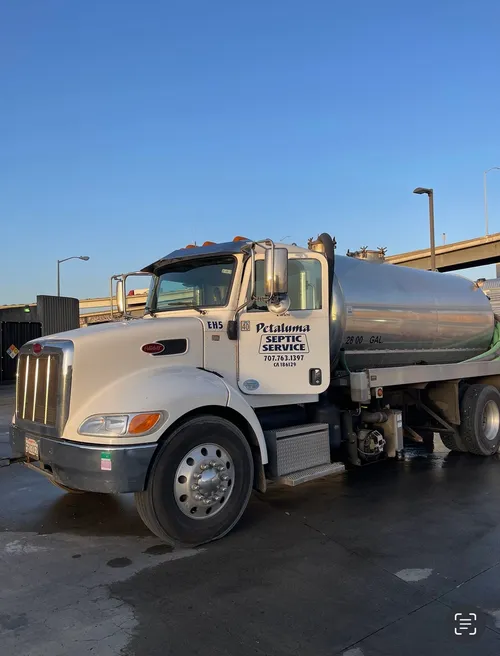
Environmental Pump Services
Petaluma, CA 94952
Environmental Pump Services is a family-owned company based in Petaluma, CA, specializing in grease trap cleaning, used cooking oil collection, septic tank pumping, and winery waste removal. Serving Sonoma, Marin, and Napa Counties, they focus on environmentally responsible disposal by recycling waste into alternative energy sources such as biodiesel and methane gas. Established in 2007, the company brings over 30 years of combined industry experience to its services.
Understanding Rohnert Park's FOG Program
The City of Rohnert Park enforces a Fats, Oils, and Grease (FOG) management program to safeguard its sewer system. Improper disposal of these materials is a leading cause of sewer overflows and backups, which can result in significant environmental damage and hefty fines for the city and responsible businesses 1. The program's core rules are clear: used fryer oil and grease must never be poured down drains, into street gutters, or into dumpsters.
To comply, restaurants must:
- Use Licensed Haulers: All used cooking oil must be collected by a state-approved, licensed rendering or recycling company. You are required to show proof of this service to city inspectors upon request.
- Maintain Grease Interceptors: Food service establishments are typically required to install and properly maintain grease traps or interceptors. These devices capture grease before it enters the wastewater stream and must be cleaned regularly by a professional service 2.
- Practice Proper Cleanup: Kitchen best practices include using absorbent materials for grease spills, sweeping up solid food waste instead of hosing it down, and ensuring mop water is disposed of into a sanitary sewer drain, not a storm drain 3.
On-Site Storage: Best Practices for Quality and Safety
How you store your used vegetable oil directly impacts its value and the efficiency of the pickup process. Clean, well-managed oil is more valuable to recyclers, which can translate to better rebates for your business. Proper storage also prevents pests, odors, and safety hazards.
Follow these storage guidelines:
- Use Sealed, Designated Containers: Store cooled UCO in dedicated, lidded containers provided by your collection company. Keep lids tightly sealed to prevent contamination and spills.
- Ensure a Clean Stream: Avoid mixing large food solids, water, or other liquids with the used oil. Strain oil after use to remove particulates. Contaminated oil loses value and can complicate the recycling process 4.
- Secure the Location: Place storage containers in a secure, accessible area for haulers, ideally away from public view and protected from the elements. This maintains site aesthetics and prevents tampering or theft.
The Collection and Recycling Process
Once your oil is ready for pickup, the process with a professional service is straightforward. Establishing a regular service schedule ensures you never have overfull containers and maintains a consistent stream for potential rebates.
- Contract and Scheduling: You contact a licensed UCO collection provider to set up service. They will assess your volume and establish a pickup frequency (e.g., weekly, bi-weekly) 5.
- Oil Pickup: On the scheduled day, a service technician will pump the oil from your storage containers directly into their specialized collection truck. Reputable companies handle this cleanly and efficiently.
- Transport and Processing: The collected oil is transported to a recycling facility. Here, it is cleaned and processed to become a feedstock for new products.
- Documentation: Your hauler should provide a receipt or manifest as proof of lawful recycling. Keep these records for your compliance files 6.
Find the perfect used cooking oil collection companies for your needs
Get personalized recommendations and expert advice
Potential Costs and Revenue from UCO Recycling
A common misconception is that used cooking oil disposal is a pure cost. In reality, it can be a revenue-neutral or even revenue-positive stream for restaurants. The economics depend almost entirely on the volume and quality of oil you generate monthly.
- Low Volume Producers (e.g., under 100 gallons/month): Many collection services offer free pickup for smaller accounts, as the cost of disposal is offset by the value of the recycled material.
- Medium to High Volume Producers: Restaurants with consistent, higher output can often earn rebates. Rates can range from $0.10 to $0.25 per gallon for moderate volumes (100-300 gal/month) to $0.25 to $0.65 or more per gallon for very high, consistent volumes exceeding 300 gallons monthly 7 8.
- Maximizing Value: The key to maximizing rebates is providing clean, uncontaminated oil consistently. This makes your stream more valuable to biodiesel producers. Some companies offer enhanced services, like free equipment cleaning, to secure high-quality supply contracts 9.
Choosing a Service Provider in the North Bay
Selecting the right grease collection partner is crucial. Look for a provider that is fully licensed, offers reliable service, and provides clear documentation for compliance. In the Rohnert Park and greater Sonoma County area, several established companies specialize in this service.
- North Bay Restaurant Services: A local provider offering used cooking oil collection, grease trap cleaning, and related services. They emphasize customer service and provide tools like service tracking apps.
- Grease Connections / Grease Pros: These providers focus on UCO recycling and offer rebate programs tied to oil quality and volume. They provide comprehensive guides and work with restaurants to optimize their grease management for both compliance and revenue 10.
When evaluating providers, ask about their licensing, recycling endpoints (e.g., biodiesel production), service flexibility, and detailed reporting. A trustworthy partner will be transparent about how your oil is recycled and how rebates are calculated.
Environmental and Community Benefits
Proper used cooking oil recycling extends far beyond your kitchen. When UCO is converted into biodiesel, it creates a renewable fuel that burns cleaner than petroleum diesel, reducing greenhouse gas emissions and air pollution 11. This circular economy model keeps waste out of landfills and sewers, protecting local waterways and reducing the burden on municipal treatment facilities. By participating in a responsible UCO program, Rohnert Park restaurants contribute directly to the city's sustainability goals and environmental health.
Frequently asked questions
Sources
Footnotes
-
What Restaurants Should Know About California Oil Disposal Laws - https://startgreencommodities.com/post/restaurant-grease-trap-requirements ↩
-
What Does The California Law Say About Used Cooking Oil Disposal? - https://www.grandnatural.com/blog/what-does-the-california-law-say-about-used-cooking-oil-disposal.html ↩
-
Restaurants and Food Services - Rohnert Park - https://rpcity.org/DocumentCenter/View/717/Restaurants-PDF ↩
-
Used Cooking Oil Collection / Pick Up & Recycling. - https://greasemanagement.org/usedoilcollection.html ↩
-
Used Cooking Oil (UCO) Collection Service For Restaurants - https://thegreasecompany.com/blog/restaurant-used-cooking-oil-collection/ ↩
-
Restaurant Oil Disposal: Explained - Eazy Grease - https://eazygrease.com/how-do-restaurants-get-rid-of-their-oil/ ↩
-
Used Cooking Oil Disposal: Complete Guide to Grease Pickups - https://greaseconnections.com/used-cooking-oil-disposal-guide-grease-pickups/ ↩
-
Restaurant Used Cooking Oil Recycling & Disposal Guide - https://greaseconnections.com/restaurant-used-cooking-oil-disposal-recycling-revenue-guide/ ↩
-
Used Cooking Oil Collection & Recycling - North Bay Restaurant Services - https://northbayrestaurantservices.com/used-cooking-oil-collection-recycling-bay-area/ ↩
-
Used Cooking Oil Pickup vs Drop-Off-What's Best for Restaurants? - https://www.greaseprosrecycling.com/used-cooking-oil-pickup-vs-drop-off/ ↩
-
What Happens To The Used Cooking Oil Once It Leaves Your Restaurant? - https://www.grandnatural.com/blog/what-happens-to-the-used-cooking-oil-once-it-leaves-your-restaurant.html ↩