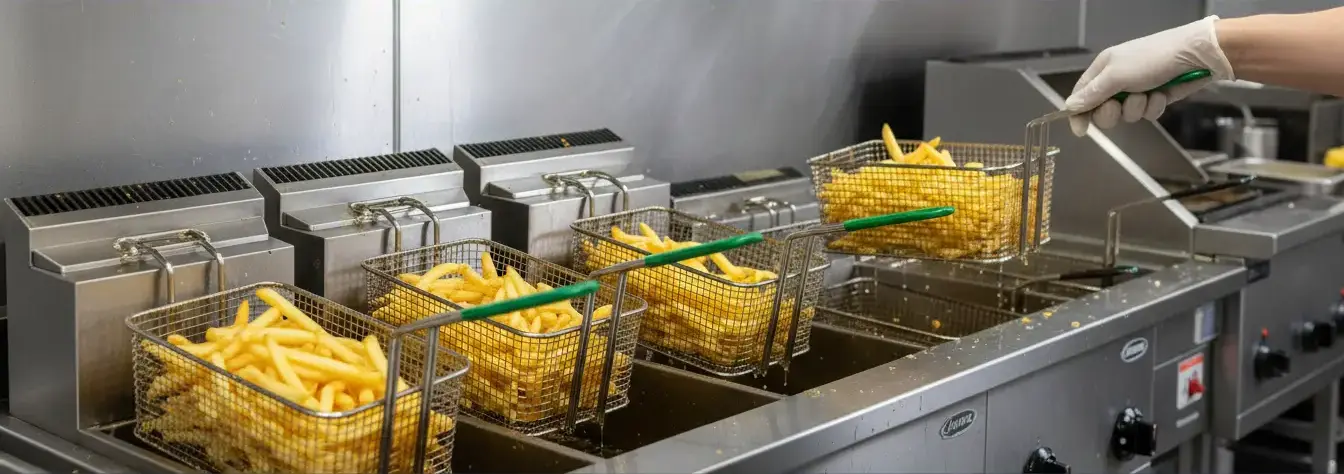
Find the Best Used Cooking Oil Collection Companies for Your Business
No obligation • Fast responses • Nationwide coverage

Why you can trust Restaurant Waste Disposal
Restaurant Waste Disposal is a leading U.S. resource for comparing restaurant composting, food-waste recycling, grease trap cleaning, and used cooking oil collection services. Our editorial team researches providers, checks credentials, and organizes unbiased information so operators can make informed decisions. Companies cannot pay to change ratings or placement.
Search providers near you
Top Used Cooking Oil Collection Companies in Rialto, California Ranked
For restaurants and food service businesses in Rialto, managing used cooking oil (UCO) is a critical operational and environmental responsibility. California classifies used oil as a hazardous waste, requiring secure storage and proper disposal through licensed haulers to prevent environmental contamination and avoid significant fines. By partnering with a certified collection service, Rialto businesses can transform this waste liability into a resource, as the collected oil is recycled into clean-burning biodiesel or industrial lubricants, often at little to no cost for establishments generating sufficient volume. Navigating the specific local and state regulations, from mandatory grease interceptors to documentation requirements, is essential for compliance and efficient kitchen management.
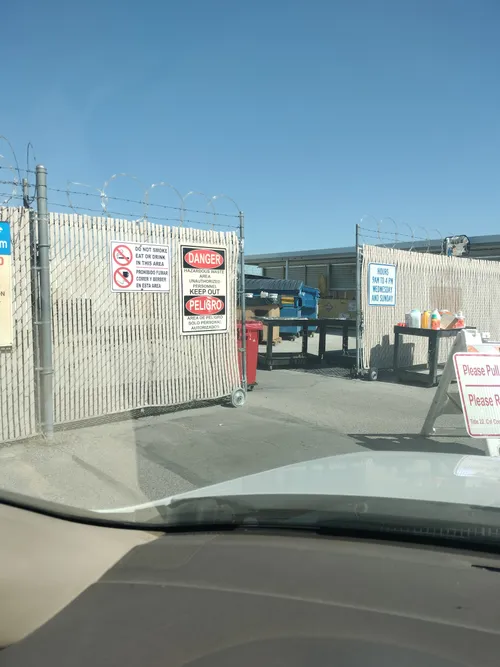
Household Hazardous Waste Collection Center
14889 Loves Ln, Victorville, CA 92395
The Household Hazardous Waste Collection Center in Victorville, CA, provides a safe location for residents to dispose of hazardous materials that cannot be placed in regular trash or recycling. The center accepts items such as used motor oil and filters, cooking oil, paint, pesticides, batteries, medicines, sharps in approved containers, and fluorescent tubes. It serves Victor Valley residents who may also use any Household Hazardous Waste Center within San Bernardino County. The center operates on a schedule with specific days open for drop-off and enforces limits on the volume of hazardous waste accepted per visit. Businesses are not permitted to use this center; instead, small businesses can access the Very Small Quantity Generator (VSQG) program through the San Bernardino County Fire Department for proper hazardous waste disposal.
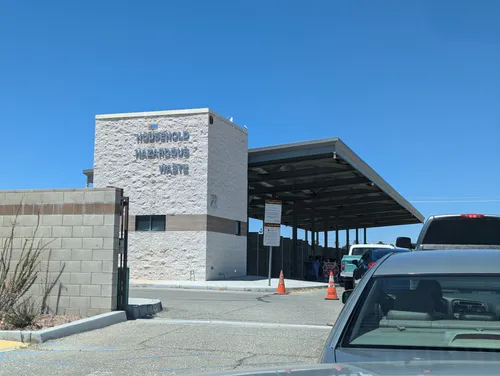
Oil Collection For Town Of Apple Valley
13450 Nomwaket Rd, Apple Valley, CA 92307
Oil Collection For Town Of Apple Valley provides used cooking oil collection services in Victorville, CA. The company specializes in the safe and efficient collection of used cooking oil from various sources to support recycling and proper disposal efforts.
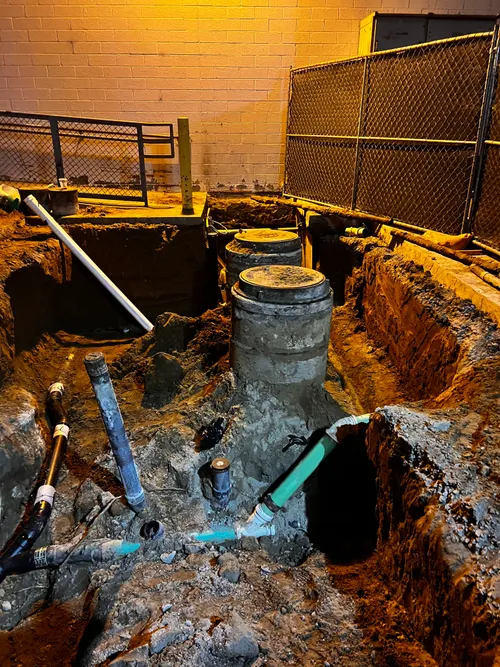
Grease Co of San Bernardino
1798 5th St, San Bernardino, CA 92411
Grease Co of San Bernardino provides grease trap cleaning, interceptor pumping, and used cooking oil collection services for food service establishments in Los Angeles, CA. Serving San Bernardino and Riverside counties, the company offers comprehensive grease waste management solutions including hydro jetting, grease trap repair, and spill cleanup. With nearly two decades of experience, they are licensed by the California Department of Food & Agriculture and provide 24/7 support to address urgent plumbing needs. Their used cooking oil collection service recycles waste oil into biodiesel, promoting sustainability and regulatory compliance.
Hesperia Grease Trap Services
Los Angeles, CA
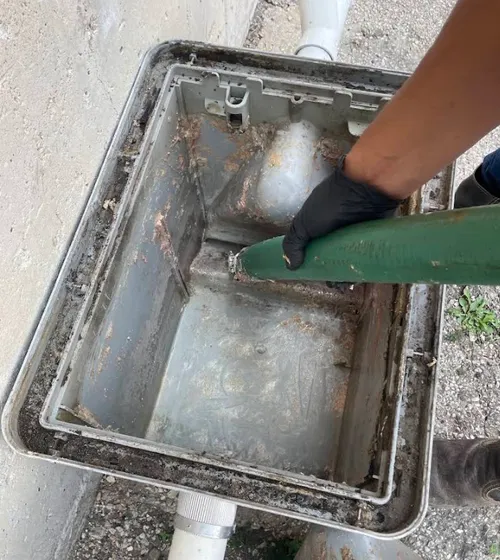
Hesperia Grease Trap Services provides comprehensive grease management solutions for commercial kitchens in Los Angeles, CA. They specialize in grease trap pumping, cleaning, interceptor maintenance, system installation, emergency repairs, and restaurant equipment servicing tailored to meet California environmental regulations. Serving Hesperia and the surrounding Victor Valley region, this locally owned company supports restaurants, cafes, hotels, and commercial facilities throughout San Bernardino County. Their services include high-capacity vacuum pumping, deep system cleaning, and thorough inspections to maintain system efficiency and compliance. They also offer emergency repair services to address grease trap failures and backups quickly, minimizing business disruption.
Co-West Commodities, by Denali
2586 Shenandoah Way, San Bernardino, CA 92407
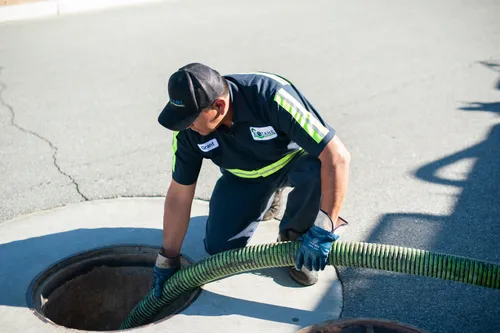
Co-West Commodities, by Denali, provides used cooking oil collection services in Los Angeles, CA. They serve a broad range of clients in the food service industry, including restaurants, schools, theme parks, and military bases throughout the Southwestern United States. Their services include equipment maintenance, waste disposal, and recycling with a focus on converting used cooking oil into renewable resources like biodiesel.
Understanding Rialto's Regulations for Oil and Grease
Operating a commercial kitchen in Rialto comes with specific legal obligations for handling fats, oils, and grease (FOG). California state law mandates that used cooking oil be managed as a hazardous waste, prohibiting it from being poured down drains or mixed with other materials like water. On a local level, Rialto has historically considered ordinances requiring grease interceptors (commonly called grease traps) for new restaurants to protect the municipal sewer system from blockages. These interceptors separate FOG from wastewater before it enters the city's lines, and their maintenance is a key part of a comprehensive waste oil management plan. Non-compliance with these storage and disposal rules can lead to severe penalties, including fines from both the city and state environmental agencies.
Key Regulatory Points for Business Owners:
- Hazardous Waste Classification: Used cooking oil is not ordinary trash in California; it requires special handling as a regulated waste stream 1.
- No Drain Disposal: It is illegal and harmful to pour used fryer oil or greasy wastewater down sinks or floor drains.
- Local Ordinances: Always check with the City of Rialto Water Department for the most current local codes regarding grease interceptor requirements and inspections 2.
- Documentation: State regulations require maintaining records of oil collection and recycling; your hauler should provide documentation for your files.
The Step-by-Step Process for Oil Collection and Recycling
Establishing a reliable system for used cooking oil disposal involves a clear, recurring process. Implementing this workflow ensures safety, compliance, and operational efficiency.
1. Safe Draining and On-Site Storage: After use, oil should be cooled and then drained from fryers into dedicated, sealable containers. Best practices involve using a lockable outdoor storage tank provided by your collection company. This secures the oil from theft (which has become a common issue) and prevents spills, leaks, and pests. Indoor storage in approved safety containers is also an option, though outdoor tanks are often more convenient for collection.
2. Scheduling Pickups with a Licensed Hauler: You must contract with a transporter approved by the California Department of Food and Agriculture (CDFA) to collect and transport used oil 3. These licensed professionals schedule regular pickups based on your oil production volume-weekly, bi-weekly, or monthly. They arrive with specialized vacuum trucks to safely remove the oil from your storage tank.
3. Transformation into New Products: The collected oil is not simply dumped. It is taken to a processing facility where it is filtered and purified. The primary end product is biodiesel, a renewable, cleaner-burning alternative fuel for diesel engines. It can also be refined into industrial lubricants or feedstocks for other industries, ensuring a true circular economy for your kitchen waste.
4. Maintaining Compliance Records: Your collection service should provide you with a detailed receipt or manifest for each pickup. It is crucial to retain these records as proof of proper, legal recycling for at least three years to satisfy state regulatory requirements 4.
Cost Structure and Potential Rebates for Rialto Restaurants
A common misconception is that used cooking oil collection is a pure cost center. In reality, the economics are often favorable, especially for high-volume producers. Many collection companies structure their services so that the value of the recycled commodity offsets the service cost.
Collection services typically evaluate your establishment based on the number of fryers and your expected monthly oil output. For restaurants generating substantial volumes-often cited as over 100 gallons per month-haulers frequently offer free pickup and collection services 5 6. The revenue they earn from selling the recycled oil to biodiesel producers allows them to provide this service at no charge. Some companies may even offer a rebate or shared revenue model for exceptionally high, consistent volumes.
For smaller establishments with lower output, there may be a modest service fee. However, this cost must be weighed against the significant expense of improper disposal: potential fines for sewer violations, the cost of cleaning up spills, and the labor of handling oil without a proper system. Investing in a professional service mitigates these risks and provides predictable budgeting for waste management.
Find the perfect used cooking oil collection companies for your needs
Get personalized recommendations and expert advice
How to Choose a Reliable Collection Service in the Inland Empire
Selecting the right partner for your used cooking oil needs is a business decision that impacts your operations, compliance, and bottom line. Here are the essential criteria to consider when evaluating providers serving Rialto and the greater Inland Empire.
Verify Licensing and Insurance: This is non-negotiable. Any hauler must be licensed by the CDFA and comply with all California Department of Resources Recycling and Recovery (CalRecycle) and Department of Toxic Substances Control (DTSC) regulations 7. They should also carry comprehensive liability insurance to protect your business in the event of an incident on your property.
Assess Service Offerings and Equipment: Look for a provider that offers robust, lockable storage tanks to secure your oil. Inquire about their service reliability, emergency response capabilities for spills or overflows, and whether they offer related services like grease trap cleaning for a more integrated waste management solution. Companies like Mahoney Environmental and The Grease Company are examples of established providers in the Southern California region 8.
Understand the Contract and Value: Carefully review service agreements. Look for transparent pricing, clear terms on pickup schedules, and details about any rebate programs. Ask for references from other local restaurants. A reputable company will be happy to provide documentation of their licenses, insurance, and recycling end-uses, proving they are part of a legitimate recycling chain.
Start Your Search: Begin by getting multiple quotes from licensed haulers. A simple search for "used cooking oil collection Inland Empire" or "restaurant grease recycling San Bernardino County" will yield options. Always confirm their ability to serve Rialto specifically and ask them to explain how they will help you maintain compliance with local Rialto ordinances.
Best Practices for On-Site Oil Management
Beyond hiring a collector, your daily practices determine safety and efficiency. Implement these best practices to optimize your system:
- Designate a Safe Storage Area: Whether using an outdoor tank or indoor containers, choose a stable, level surface away from high traffic, ignition sources, and storm drains. The area should be clearly marked.
- Train Your Staff: Ensure all kitchen staff know the proper procedure for cooling, draining, and storing used oil. Emphasize that drains and trash bins are off-limits for disposal.
- Prevent Contamination: Keep water and food debris out of your used oil storage. Contaminated oil is harder and less valuable to recycle. Use strainers when draining oil from fryers.
- Secure Your Asset: Use lockable tanks and caps to deter theft, which costs businesses lost potential rebates and creates a security nuisance 9.
- Keep it Clean: Regularly inspect and clean the area around your storage tank to prevent slips, spills, and pest attraction.
The Environmental Impact of Recycling UCO
Choosing professional used cooking oil recycling is a significant green initiative for your Rialto business. When oil is recycled into biodiesel, it burns cleaner than petroleum diesel, reducing greenhouse gas emissions and particulate matter pollution 10 11. This directly contributes to better air quality in the Inland Empire. Furthermore, keeping this waste stream out of landfills and sewers protects local waterways and soil from contamination. By promoting your restaurant's participation in a recycling program, you can enhance your brand's reputation as an environmentally responsible community member, a value increasingly important to customers.
Frequently asked questions
Sources
Footnotes
-
FAQs for Used Oil Collection Centers - https://dtsc.ca.gov/faqs-for-used-oil-collection-centers/ ↩
-
Household Hazardous Waste - Rialto, CA - https://www.rialtoca.gov/839/Household-Hazardous-Waste ↩
-
Rialto considers grease trap ordinance - Los Angeles Daily News - https://www.dailynews.com/2009/10/20/rialto-considers-grease-trap-ordinance/ ↩
-
Cal. Code Regs. Tit. 3, § 1180.24 - Requirements to Document and ... - https://www.law.cornell.edu/regulations/california/3-CCR-1180.24 ↩
-
Restaurant Grease Pick Up and Disposal Services in Los ... - https://www.mahoneyes.com/fryer-oil-disposal-recycling-los-angeles-ca/ ↩
-
Used Cooking Oil Disposal: Complete Guide to Grease Pickups - https://greaseconnections.com/used-cooking-oil-disposal-guide-grease-pickups/ ↩
-
Used Oil Recycling Program - CalRecycle Home Page - CA.gov - https://calrecycle.ca.gov/usedoil/ ↩
-
Cooking Oil Collection & Grease Recycling Service - https://thegreasecompany.com/oilcollection.html ↩
-
Restaurant Oil Disposal: Explained - Eazy Grease - https://eazygrease.com/how-do-restaurants-get-rid-of-their-oil/ ↩
-
Used Cooking Oil (UCO) Collection Service For Restaurants - https://thegreasecompany.com/blog/restaurant-used-cooking-oil-collection/ ↩
-
What happens with the used oil from restaurants and fast-food ... - https://www.quora.com/What-happens-with-the-used-oil-from-restaurants-and-fast-food-chains-Is-there-any-sort-of-recycling ↩