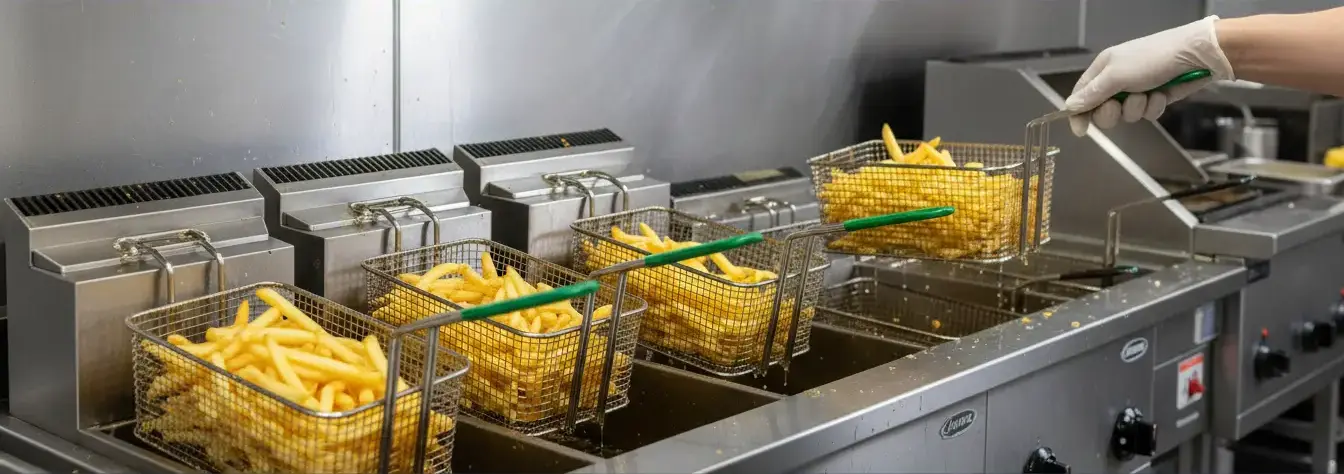
Find the Best Used Cooking Oil Collection Companies for Your Business
No obligation • Fast responses • Nationwide coverage

Why you can trust Restaurant Waste Disposal
Restaurant Waste Disposal is a leading U.S. resource for comparing restaurant composting, food-waste recycling, grease trap cleaning, and used cooking oil collection services. Our editorial team researches providers, checks credentials, and organizes unbiased information so operators can make informed decisions. Companies cannot pay to change ratings or placement.
Search providers near you
Top Used Cooking Oil Collection Companies in Redlands, California Ranked
For restaurants and food service establishments in Redlands, managing used cooking oil (UCO) is a critical operational and environmental responsibility. Proper grease trap and fryer oil collection is not just about disposal; it's a regulated process that, when handled correctly, can contribute to a circular economy and even generate revenue. California and local Riverside County regulations mandate that businesses use licensed haulers for grease and UCO pickup, requiring strict documentation and proper on-site storage to avoid significant fines and protect municipal sewer systems. By partnering with a certified collector, Redlands businesses ensure compliance while turning a waste product into valuable feedstocks for biodiesel and renewable fuels.
Successful grease management starts with understanding and adhering to a clear set of rules designed to protect public infrastructure and the environment.
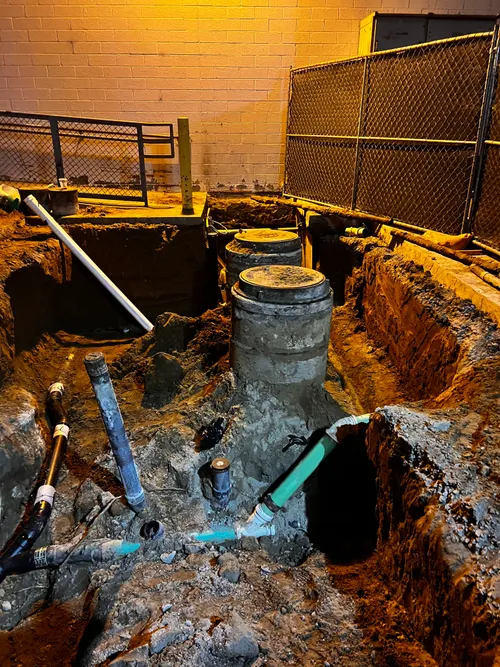
Grease Co of San Bernardino
1798 5th St, San Bernardino, CA 92411
Grease Co of San Bernardino provides grease trap cleaning, interceptor pumping, and used cooking oil collection services for food service establishments in Los Angeles, CA. Serving San Bernardino and Riverside counties, the company offers comprehensive grease waste management solutions including hydro jetting, grease trap repair, and spill cleanup. With nearly two decades of experience, they are licensed by the California Department of Food & Agriculture and provide 24/7 support to address urgent plumbing needs. Their used cooking oil collection service recycles waste oil into biodiesel, promoting sustainability and regulatory compliance.
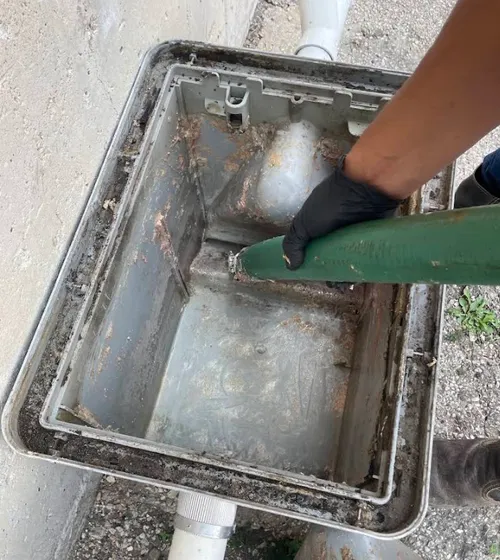
Hesperia Grease Trap Services
Los Angeles, CA
Hesperia Grease Trap Services provides comprehensive grease management solutions for commercial kitchens in Los Angeles, CA. They specialize in grease trap pumping, cleaning, interceptor maintenance, system installation, emergency repairs, and restaurant equipment servicing tailored to meet California environmental regulations. Serving Hesperia and the surrounding Victor Valley region, this locally owned company supports restaurants, cafes, hotels, and commercial facilities throughout San Bernardino County. Their services include high-capacity vacuum pumping, deep system cleaning, and thorough inspections to maintain system efficiency and compliance. They also offer emergency repair services to address grease trap failures and backups quickly, minimizing business disruption.
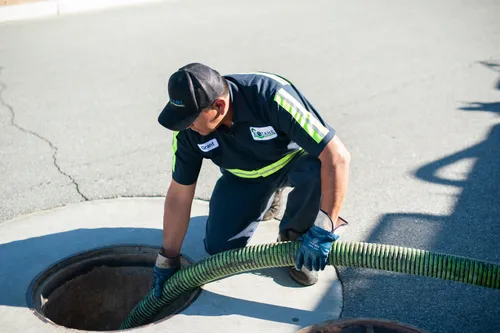
Co-West Commodities, by Denali
2586 Shenandoah Way, San Bernardino, CA 92407
Co-West Commodities, by Denali, provides used cooking oil collection services in Los Angeles, CA. They serve a broad range of clients in the food service industry, including restaurants, schools, theme parks, and military bases throughout the Southwestern United States. Their services include equipment maintenance, waste disposal, and recycling with a focus on converting used cooking oil into renewable resources like biodiesel.
Greenway Recycling Services
5975 Jasmine St, Riverside, CA 92504
Greenway Recycling Services in Eastvale, CA specializes in used cooking oil collection and grease trap cleaning for restaurants and commercial kitchens. They provide eco-friendly cooking oil disposal, routine grease trap pumping, and advanced hot jetting services to maintain clean and efficient kitchen operations. The company focuses on recycling used cooking oil into renewable resources, supporting environmental sustainability. Greenway Recycling Services serves Southern California and offers hassle-free scheduling and prompt collection. Their hot jetting capability uses high-pressure water jets to clear drain lines and grease traps effectively.
Used Oil Recycling
2824 W St, San Bernardino, CA 92415
Used Oil Recycling is a company based in Los Angeles, CA that specializes in the collection of used cooking oil. They focus on environmentally responsible oil recycling services to support sustainable waste management in the area.
Understanding Local and State Regulations
Navigating the legal landscape for grease disposal and used oil recycling is the first step for any food service operator. In Redlands, businesses must comply with a combination of state, county, and potentially city-specific ordinances.
- Mandatory Use of Licensed Haulers: It is illegal to dispose of used cooking oil or grease trap waste through the regular trash or sewer. Restaurants must contract with a hauler registered with the California Department of Food and Agriculture (CDFA) and often permitted by the Riverside County Department of Environmental Health 1. These haulers are authorized to transport and recycle these materials properly.
- Strict Documentation Requirements: Maintaining a paper trail is essential for compliance. Businesses must keep records, such as the state-required "Receipt and Report of Waste Discharged," which documents each pickup 2. This paperwork proves to regulators that your grease and UCO are being handled legally and can be crucial during inspections.
- Zero Tolerance for Drain Disposal: Pouring any grease, oil, or food scraps down drains is a major violation. This practice is a primary cause of sewer blockages (fatbergs), leading to costly backups, environmental damage, and substantial fines for the responsible business3 4 5.
- Grease Trap Interceptors are Standard: Virtually all food establishments are required to have a properly sized and maintained grease trap or interceptor. This device captures fats, oils, and grease (FOG) before wastewater enters the public sewer system, and its contents must also be pumped regularly by a licensed hauler 6.
Best Practices for On-Site Storage and Handling
The way used fryer oil is handled before pickup directly impacts compliance, safety, and potential revenue. Proper storage preserves oil quality and prevents environmental incidents.
- Use Dedicated, Leak-Proof Containers: Store cooled UCO in covered, durable containers provided by or approved by your hauler. These containers are designed to prevent leaks, rainwater contamination, and odors, and to keep out pests.
- Designate a Secure Storage Area: Place collection containers on a stable, paved surface in a designated area away from storm drains, customer pathways, and loading docks. The area should be accessible for service trucks but secure to prevent unauthorized dumping or tampering.
- Train Your Staff: Ensure all kitchen staff are trained to pour cooled oil only into the designated collection container-never into sinks, floor drains, or trash cans. Emphasize that keeping water and food debris out of the oil maximizes its recycling value.
The Collection and Recycling Journey
Once your used cooking oil is picked up, it begins a new life. The collection and recycling process is a sophisticated system that transforms waste into energy.
- Scheduled Pickup by Certified Professionals: Your licensed hauler will schedule regular service visits based on your volume. They will arrive in clearly marked trucks, pump out your containers and/or grease trap, and leave a receipt for your records.
- Transformation into Biofuel: The collected oil is transported to a processing facility. There, it is cleaned and refined to become a base material for renewable products, most commonly biodiesel or renewable diesel. This process significantly reduces greenhouse gas emissions compared to fossil fuels.
- Closing the Sustainability Loop: By participating in a formal UCO collection program, Redlands restaurants directly contribute to California's clean energy goals. The oil they discard is converted into fuel that can power trucks, machinery, and even aircraft as Sustainable Aviation Fuel (SAF)7.
Financial Implications: Cost vs. Potential Revenue
A well-managed used cooking oil program can change the financial dynamics of waste management. While there is a cost for essential services like grease trap pumping, UCO collection can often offset these expenses.
- Understanding the Rebate Model: Many collection companies offer rebates or payments for high-quality, contaminant-free used cooking oil. The price per gallon fluctuates with the commodity market for feedstocks like UCO.
- Volume-Based Rebate Tiers:
- Low Volume (Under 100 gallons/month): Pickup is often provided for free or at a very low cost, with little to no rebate, as the service itself is the primary value.
- Medium Volume (100-300 gallons/month): Businesses may start to see rebates ranging from $0.10 to $0.25 per gallon, which can help reduce net disposal costs.
Find the perfect used cooking oil collection companies for your needs
Get personalized recommendations and expert advice
Implementing a Compliant Program in Your Restaurant
Taking proactive steps to establish or audit your current grease management system is straightforward and protects your business from liability.
- Verify Local Requirements: Contact the City of Redlands Public Works or Solid Waste Services division to confirm any specific municipal codes beyond state and county rules10.
- Select a Licensed Hauler: Research and contact several CDFA-licensed grease collection providers serving the Inland Empire. Obtain quotes that detail service frequency, container provision, and rebate structures. Reputable national and regional companies like Baker Commodities or Mahoney Environmental, as well as local operators, service the area 11.
- Establish Staff Protocols: Integrate proper UCO handling into your standard kitchen operating procedures. Clear signage and training are key to maintaining oil quality and preventing costly drain clogs.
- Maintain Impeccable Records: File every "Receipt and Report of Waste Discharged" from your hauler in an organized, accessible manner. This demonstrates ongoing compliance to any inspecting authority.
The Environmental and Community Impact
Choosing professional used cooking oil collection extends benefits far beyond your kitchen. It is a direct action against pollution and for resource conservation. Proper recycling prevents grease from contaminating local waterways and soil. Furthermore, by supplying the biofuel industry, Redlands businesses help reduce reliance on imported fossil fuels, lower overall carbon emissions, and support green jobs in the recycling and energy sectors12. It's a practical example of how local commercial practices can contribute to statewide environmental resilience and innovation.
Frequently asked questions
Sources
Footnotes
-
How to dispose of or recycle Cooking Oil - Default V2 - Oceanside, CA - https://www.ci.oceanside.ca.us/government/water-utilities/environmental-services-programs/zero-waste-program/for-residents#!rc-cpage=757820 ↩
-
Cal. Code Regs. Tit. 3, § 1180.24 - Requirements to Document and ... - https://www.law.cornell.edu/regulations/california/3-CCR-1180.24 ↩
-
Used Cooking Oil Collection / Pick Up & Recycling. - https://greasemanagement.org/usedoilcollection.html ↩
-
Navigating Legal Requirements for Used Cooking Oil Disposal - https://bakercommodities.com/blog/2024/02/08/legal-requirement-used-cooking-grease/ ↩
-
Southern California Commercial Kitchen Cooking Oil recycling ... - https://thegreasecompany.com/blog/how-the-grease-is-protecting-you-by-recycling-cooking-oil/2/ ↩
-
Grease - Riverside County Waste Resources - https://rcwaste.org/grease ↩
-
Used Cooking Oil (UCO) Collection Service For Restaurants - https://thegreasecompany.com/blog/restaurant-used-cooking-oil-collection/ ↩
-
Restaurant Used Cooking Oil Recycling & Disposal Guide - https://greaseconnections.com/restaurant-used-cooking-oil-disposal-recycling-revenue-guide/ ↩
-
Used Cooking Oil Disposal: Complete Guide to Grease Pickups - https://greaseconnections.com/used-cooking-oil-disposal-guide-grease-pickups/ ↩
-
Solid Waste & Recycling Services - City of Redlands - https://www.cityofredlands.org/solid-waste-recycling-services ↩
-
Restaurant Grease Pick Up and Disposal Services in Los Angeles, CA - https://www.mahoneyes.com/fryer-oil-disposal-recycling-los-angeles-ca/ ↩
-
Cooking Oil Collection & Grease Recycling Service - https://thegreasecompany.com/oilcollection.html ↩