Find the Best Used Cooking Oil Collection Companies for Your Business
No obligation • Fast responses • Nationwide coverage

Why you can trust Restaurant Waste Disposal
Restaurant Waste Disposal is a leading U.S. resource for comparing restaurant composting, food-waste recycling, grease trap cleaning, and used cooking oil collection services. Our editorial team researches providers, checks credentials, and organizes unbiased information so operators can make informed decisions. Companies cannot pay to change ratings or placement.
Search providers near you
Top Used Cooking Oil Collection Companies in Rancho Palos Verdes, California Ranked
For restaurants in Rancho Palos Verdes, managing used cooking oil (UCO) and fats, oils, and grease (FOG) is a critical operational and environmental responsibility. Operating within Los Angeles County, local food service establishments must navigate strict state and county regulations, including California's SB 1383, which mandates organic waste recycling for all businesses. Proper grease disposal and oil recycling are not just about compliance; they transform a messy waste product into a valuable commodity for biofuel production, creating potential revenue streams while protecting the local sewer infrastructure from costly blockages. This guide outlines the essential steps for compliant, efficient, and beneficial UCO management in Rancho Palos Verdes.
The Grease Bucket
Los Angeles, CA
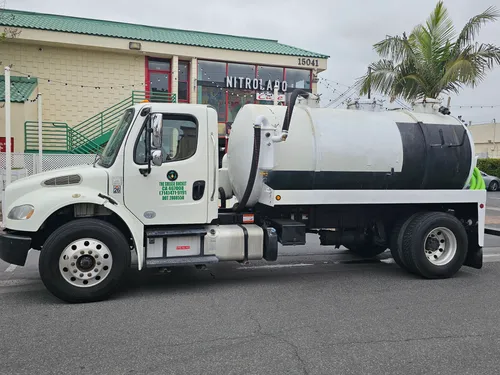
The Grease Bucket provides grease trap cleaning and used cooking oil collection services in Los Angeles, CA. They serve restaurants across Orange County, Los Angeles, San Bernardino, and the Inland Empire area. The company schedules regular collection intervals to prevent overflows and maintains grease interceptors to avoid drain clogs and odors. They recycle used cooking oil into renewable resources, supporting environmental sustainability. The Grease Bucket has been serving customers for over six years and offers emergency pickups when needed during normal business hours.
Trinity Oil & Grease Recycling
Los Angeles, CA
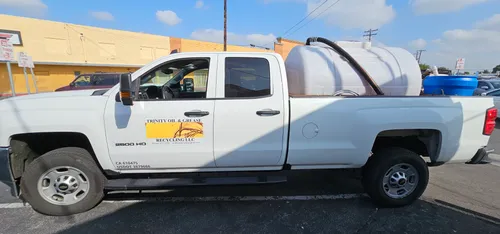
Trinity Oil & Grease Recycling provides used cooking oil collection and grease trap cleaning services in Los Angeles, CA. They offer on-call and scheduled pickups with 24-hour availability across Los Angeles County, Orange County, and Ventura County. Their services include recovery, transportation, disposal, and recycling of kitchen oil and grease, along with high-pressure washing for grease spills and property cleanliness. They supply grease and oil storage containers ranging from 15 to 200 gallons with no minimum amount required for collection. Trinity Oil & Grease Recycling also provides manifest reports as proof of collection to help clients maintain compliance with health and wastewater regulations.
The Grease Company
1116 N Harbor Blvd, Santa Ana, CA 92703
The Grease Company provides grease trap cleaning, repair, and used cooking oil collection services in Los Angeles, CA. They specialize in maintaining commercial kitchen grease traps to prevent clogs and ensure compliance with sanitation regulations. Their capabilities include hydro jetting and environmentally responsible cooking oil disposal. With 12 years of experience, The Grease Company is licensed to serve Southern California and offers transparent pricing and free quotes.
Skyline Grease Services
Los Angeles, CA
Skyline Grease Services provides used cooking oil collection and grease trap cleaning in Los Angeles, CA. They handle grease trap maintenance and oil collection to support local businesses in managing waste effectively.
JR Grease Services
1571 W 15th St, Long Beach, CA 90813
JR Grease Services provides grease trap cleaning and used cooking oil collection in Los Angeles, CA. They offer solutions to help kitchens operate smoothly by managing grease-related issues and providing plumbing support. The company is experienced in servicing grease traps and collecting used cooking oil to maintain proper flow and prevent interruptions.
Understanding Local Regulations and Mandates
Rancho Palos Verdes restaurants operate under a clear regulatory framework designed to divert organic waste from landfills and protect water quality. The cornerstone of this is Senate Bill 1383, a statewide law requiring all businesses to recycle their organic waste, which explicitly includes used cooking oil and grease 1. Non-compliance can result in significant penalties.
A key rule specific to grease and oil is the requirement to use only licensed haulers. In California, any entity transporting used cooking oil from a commercial kitchen must be licensed by the California Department of Food and Agriculture (CDFA) as an Inedible Kitchen Grease (IKG) transporter. This system is designed to prevent illegal dumping and ensure the oil enters the legitimate recycling stream. Perhaps the most critical on-site rule is the absolute prohibition against pouring any grease or oil down drains. This practice leads to sewer line blockages, can cause sanitary sewer overflows, and results in major fines from municipal authorities.
The Step-by-Step Process for Oil Collection
Establishing a safe and efficient system for handling UCO starts in your kitchen and ends with scheduled pickups by a licensed professional.
1. Cooling and Initial Filtering After use, allow the cooking oil to cool to a safe temperature (typically below 120°F) before handling. An initial filtering step to remove large food solids helps maintain oil quality and prevents container clogging 2.
2. Proper Storage and Containment Transfer the cooled, filtered oil into a secure, leak-proof container. Most licensed collection companies provide dedicated, labeled storage bins or drums for this purpose, often at no cost for qualifying volume 3. These containers must be stored in a designated area, preferably on a spill-containment pallet, away from storm drains and building entryways.
3. Scheduling Professional Pickup This is where compliance is secured. You must contract with a CDFA-licensed IKG hauler for regular collection services. These professionals will establish a pickup schedule based on your volume-weekly, bi-weekly, or monthly-and provide you with documentation, such as pickup manifests or weight tickets, which serve as your proof of compliance during inspections.
From Waste to Resource: The Recycling Journey
Once collected from your Rancho Palos Verdes restaurant, the used cooking oil begins its second life. Licensed haulers transport it to specialized processing facilities. There, it is cleaned and refined to become a valuable feedstock. The primary end product is biodiesel, a renewable, cleaner-burning fuel that helps reduce greenhouse gas emissions 4. This circular economy model means the oil from your fryers can power vehicles and equipment. Other potential uses include ingredients for soaps, lotions, and industrial lubricants 4.
Financial Considerations: Costs and Potential Revenue
Managing used cooking oil involves service costs, but these can be significantly offset or even turned into a profit center. Pricing for collection services varies based on frequency, volume, and location. However, a unique aspect of UCO is its market value.
High-quality, well-filtered used cooking oil is a sought-after commodity. Many collection companies offer rebate programs, where restaurants can earn money back per gallon collected. Rebates can range significantly, with some sources noting potential rates up to $0.65 per gallon for premium oil 5 6. For high-volume establishments, this rebate can cover the entire cost of service or generate a modest revenue stream, effectively turning a waste disposal headache into a tangible asset on the balance sheet 5 7.
Find the perfect used cooking oil collection companies for your needs
Get personalized recommendations and expert advice
Choosing and Working with a Licensed Hauler
Selecting the right partner is the most important decision for your UCO management. Always verify a provider's CDFA IKG license. A reputable hauler will do more than just pick up oil; they will act as a compliance partner. Look for services that include:
- Provision of appropriate, labeled storage containers.
- Flexible, reliable pickup schedules.
- Detailed documentation for every collection.
- Clear communication about oil quality and rebate programs.
- Expertise in local Rancho Palos Verdes and LA County regulations.
Establishing this relationship ensures you meet all legal requirements under SB 1383 and local codes, avoids potential fines for improper disposal, and maximizes the economic return from your used oil 8 9.
Best Practices for Restaurant Kitchen Safety
Beyond compliance, proper UCO handling is a matter of kitchen safety and efficiency.
- Designate a Specific Area: Create a storage zone for UCO containers that is separate from fresh food and clean equipment.
- Train Your Staff: Ensure all kitchen employees understand the cooling, filtering, and transfer procedures to prevent burns and spills.
- Maintain Grease Traps: Remember that UCO collection is separate from grease trap maintenance. Both are required, and neither should be neglected. Grease traps intercept FOG from dishwater, while UCO collection handles bulk oil from fryers 10.
- Keep Records Organized: Maintain a file or digital record of all pickup manifests and service agreements. This makes compliance audits straightforward.
Implementing these practices protects your staff, your premises, and the local environment.
The Environmental and Community Impact
By participating in a formal used cooking oil recycling program, Rancho Palos Verdes restaurants contribute directly to regional sustainability goals. Diverting this oil from landfills and sewers has a measurable positive impact:
- Reduces Carbon Emissions: Biodiesel produced from UCO burns cleaner than petroleum diesel, lowering the carbon footprint of the transportation sector.
- Protects Infrastructure: Preventing FOG from entering the sewer system saves the city and county millions in maintenance and repair costs for pipes and wastewater treatment facilities.
- Conserves Resources: Recycling creates a domestic, renewable fuel source, reducing reliance on fossil fuels.
- Supports Circular Economy: It exemplifies a successful model where a business's waste becomes another industry's raw material.
This proactive approach not only fulfills a legal mandate but also enhances your restaurant's reputation as an environmentally responsible business within the Rancho Palos Verdes community.
Frequently asked questions
Sources
Footnotes
-
2025 Rancho Palos Verdes Commercial Newsletter - https://www.wm.com/content/dam/wm/local-pages/california/rancho-palos-verdes/2025SoCalRanchoPalosVerdesNewsletter.pdf ↩
-
Used Cooking Oil Disposal: Complete Guide to Grease Pickups - https://greaseconnections.com/used-cooking-oil-disposal-guide-grease-pickups/ ↩
-
Southern California Commercial Kitchen Cooking Oil recycling ... - https://thegreasecompany.com/blog/how-the-grease-is-protecting-you-by-recycling-cooking-oil/2/ ↩
-
Used Cooking Oil (UCO) Collection Service For Restaurants - https://thegreasecompany.com/blog/restaurant-used-cooking-oil-collection/ ↩ ↩2
-
Restaurant Used Cooking Oil: Disposal, Recycling & Revenue Guide - https://greaseconnections.com/restaurant-used-cooking-oil-disposal-recycling-revenue-guide/ ↩ ↩2
-
Used Cooking Oil Collection For Restaurants - https://greasemanagement.org/greasecollection.html ↩
-
How Recycling Used Cooking Oil Can Save Restaurants ... - https://www.cbs42.com/business/press-releases/ein-presswire/864508472/how-recycling-used-cooking-oil-can-save-restaurants-money-and-enhance-sustainability-efforts ↩
-
Cooking Oil Collection & Grease Recycling Service - https://thegreasecompany.com/oilcollection.html ↩
-
Used Cooking Oil Collection / Pick Up & Recycling. - https://greasemanagement.org/usedoilcollection.html ↩
-
What Restaurants Should Know About California Oil Disposal ... - https://startgreencommodities.com/post/restaurant-grease-trap-requirements ↩