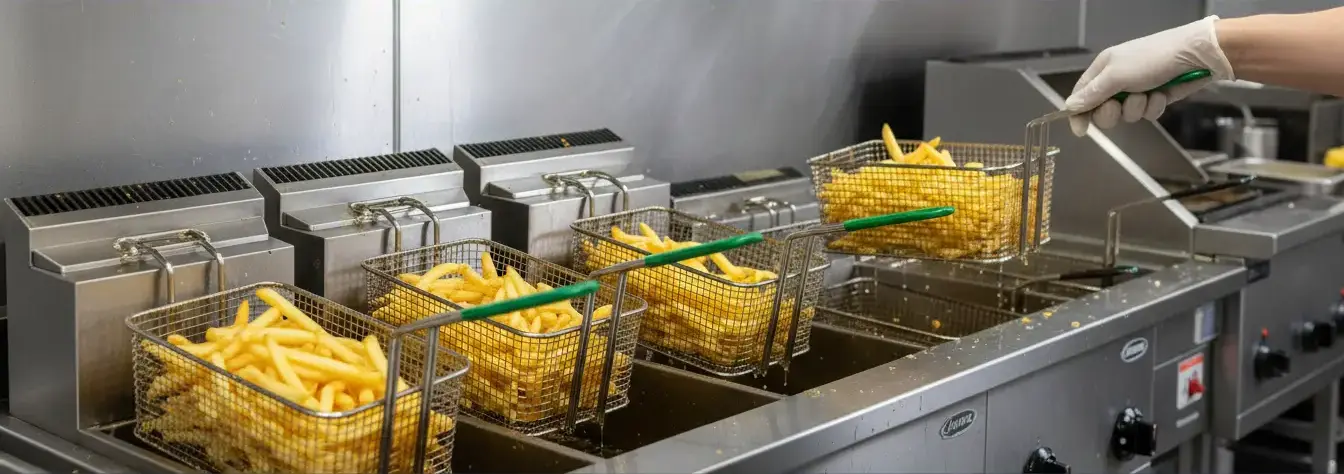
Find the Best Used Cooking Oil Collection Companies for Your Business
No obligation • Fast responses • Nationwide coverage

Why you can trust Restaurant Waste Disposal
Restaurant Waste Disposal is a leading U.S. resource for comparing restaurant composting, food-waste recycling, grease trap cleaning, and used cooking oil collection services. Our editorial team researches providers, checks credentials, and organizes unbiased information so operators can make informed decisions. Companies cannot pay to change ratings or placement.
Search providers near you
Top Used Cooking Oil Collection Companies in Pomona, California Ranked
For restaurants and food service businesses in Pomona, managing used cooking oil is a critical operational and environmental responsibility. California state law mandates the proper recycling of fats, oils, and grease (FOG), turning what was once considered waste into a valuable commodity for biodiesel production. Navigating these regulations while ensuring safe, efficient, and potentially profitable grease collection requires partnering with a licensed service provider. This guide outlines the essential steps for compliant FOG management, from on-site handling to final recycling, specific to Pomona's requirements.
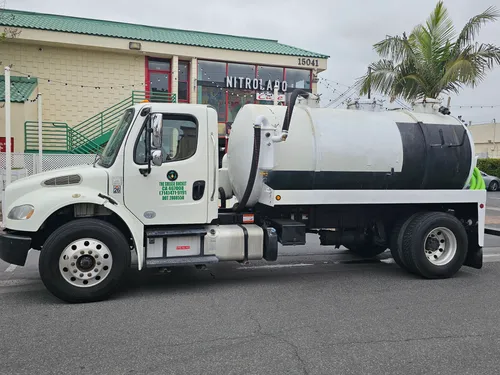
The Grease Bucket
Los Angeles, CA
The Grease Bucket provides grease trap cleaning and used cooking oil collection services in Los Angeles, CA. They serve restaurants across Orange County, Los Angeles, San Bernardino, and the Inland Empire area. The company schedules regular collection intervals to prevent overflows and maintains grease interceptors to avoid drain clogs and odors. They recycle used cooking oil into renewable resources, supporting environmental sustainability. The Grease Bucket has been serving customers for over six years and offers emergency pickups when needed during normal business hours.
The Grease Company
1116 N Harbor Blvd, Santa Ana, CA 92703
The Grease Company provides grease trap cleaning, repair, and used cooking oil collection services in Los Angeles, CA. They specialize in maintaining commercial kitchen grease traps to prevent clogs and ensure compliance with sanitation regulations. Their capabilities include hydro jetting and environmentally responsible cooking oil disposal. With 12 years of experience, The Grease Company is licensed to serve Southern California and offers transparent pricing and free quotes.
Skyline Grease Services
Los Angeles, CA
Skyline Grease Services provides used cooking oil collection and grease trap cleaning in Los Angeles, CA. They handle grease trap maintenance and oil collection to support local businesses in managing waste effectively.
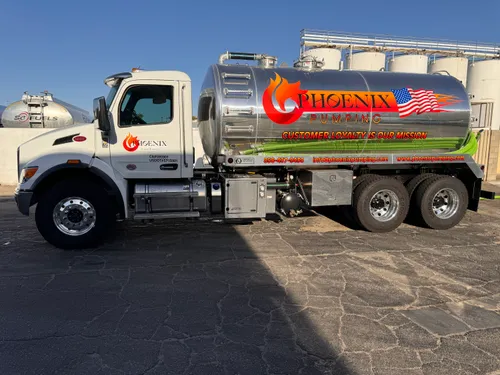
Phoenix Pumping LLC
3131 E Palmyra Ave, Orange, CA 92869
Phoenix Pumping LLC offers cooking oil recycling and grease trap cleaning services in Los Angeles, CA, extending coverage to Southern California counties as well as Arizona and Nevada. The company serves large restaurant chains and facilities with multiple kitchens, providing licensed grease trap cleaning including large outdoor installations. With over a decade of experience, Phoenix Pumping transforms used cooking oil into renewable diesel with a significantly lower carbon footprint. They provide 24/7 availability and a single point of contact for all service needs.
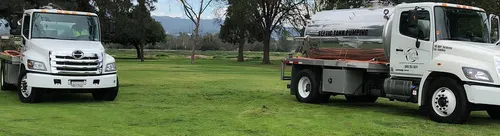
All in Sanitation | Grease Trap Cleaning | Septic Pumping
527 W 7th St, Los Angeles, CA 90014
All in Sanitation | Grease Trap Cleaning | Septic Pumping offers comprehensive grease trap cleaning, pumping, and used cooking oil collection services in Los Angeles, CA. They serve a variety of commercial clients including restaurants, hotels, and schools across Los Angeles and nearby neighborhoods such as Hollywood, Downtown LA, Koreatown, and West Los Angeles. Their services include grease removal, high-pressure hydro jetting to prevent blockages, and environmentally responsible grease recycling. The company complies with Los Angeles County health regulations and provides 24/7 emergency service to address urgent needs. They also offer scheduled maintenance plans and service multi-location food facilities. Additionally, All in Sanitation has a dedicated division for sustainable used cooking oil disposal that supports biofuel production.
Understanding Pomona's FOG Regulations
Proper disposal of used cooking oil and grease is not just a best practice; it's the law in California. Pomona businesses must adhere to state mandates like AB 1826 and SB 1383, which require the recycling of organic waste, including FOG 1 2. The City of Pomona Water Department explicitly prohibits pouring any fats, oils, or grease down drains, toilets, or into storm sewers, as this can lead to severe sewer blockages, costly backups, and environmental damage 3.
Key regulatory requirements include:
- Mandatory Recycling Bins: Businesses must provide clearly labeled organics recycling containers for customer use, making recycling accessible and visible 4.
- Grease Trap Maintenance: Food service establishments are required to install and properly maintain grease interceptors or traps to prevent FOG from entering the wastewater system.
- Licensed Hauler Partnership: FOG must be collected and transported by a licensed hauler or recycler. Improper disposal with regular trash is not compliant.
The Step-by-Step Collection Process
A well-organized used cooking oil collection system protects your plumbing, ensures compliance, and streamlines operations. The standard process involves several key stages.
1. On-Site Collection and Storage After cooking oil has cooled, kitchen staff should carefully transfer it from fryers into dedicated, secure collection containers. These containers are typically provided by your service provider and are designed to prevent leaks and spills. They should be stored in a designated area, such as near a loading dock, with proper secondary containment to manage any accidental releases.
2. Scheduled Pickup by a Licensed Vendor Your contracted grease collection service will establish a regular pickup schedule based on your volume of oil production. A licensed driver will collect the full containers, leaving empty, clean ones in their place. It is crucial to maintain records of these pickups, as documentation may be required for compliance audits 5.
3. Recycling and Repurposing Once collected, the used cooking oil begins a new life. It is transported to a processing facility where it is filtered and purified. The primary end product is biodiesel, a renewable fuel. It can also be repurposed into ingredients for animal feed, soaps, and industrial lubricants, ensuring nothing goes to waste.
Financial Considerations: Cost vs. Revenue
The financial model for used cooking oil collection is not one-size-fits-all; it depends heavily on the quality and quantity of oil you produce.
- Revenue for Clean Oil: If your kitchen produces a significant volume of clean, uncontaminated used cooking oil (free of water, food debris, and other impurities), it has substantial value. Recyclers may pay for this oil, with prices fluctuating based on market conditions for biodiesel feedstocks.
- Free Pickup Services: Many collection companies offer free pickup services, especially for smaller volumes or as part of a service agreement. They generate their revenue by aggregating and selling the oil to processors.
- Fees for Contaminated Oil: Conversely, oil that is heavily contaminated may be considered a disposal liability. In such cases, service providers may charge a fee for collection and processing to cover their extra handling costs 6 7. The cleaner you keep your oil, the more financially beneficial the arrangement can be.
Find the perfect used cooking oil collection companies for your needs
Get personalized recommendations and expert advice
Choosing a Service Provider in Pomona
Selecting the right partner for your used cooking oil collection is essential for reliable service and peace of mind. Look for providers that are fully licensed and insured to operate in Southern California. Established companies serving the Pomona area include examples like Baker Commodities, Grease Connections, and The Grease Company, among others 8. You can also utilize resources like the Los Angeles County Public Works department's locator tool or contact the City of Pomona's Public Works department for guidance on approved haulers 9 10.
When evaluating providers, consider their service reliability, container maintenance, scheduling flexibility, and transparency in their financial terms (whether it's a paid service, free pickup, or revenue-sharing). A good provider acts as a partner in helping you maintain compliance and operational efficiency.
Best Practices for Restaurant Kitchen Management
Beyond the collection schedule, daily kitchen practices determine the success of your FOG management program.
- Scrape, Don't Rinse: Scrape food scraps from dishes and cookware into the trash before washing. This minimizes the amount of FOG that enters your grease trap.
- Use Collection Containers: Never pour used fryer oil or greasy liquids down the sink. Always use the designated collection containers.
- Secure Lids: Always keep collection container lids securely fastened to prevent odors, pests, and spills.
- Regular Grease Trap Pumping: Adhere to a strict schedule for pumping and cleaning your grease interceptor, as recommended by your maintenance provider and local code 11.
Implementing these practices reduces the risk of plumbing disasters, keeps your oil quality high for better financial return, and demonstrates a commitment to environmental stewardship.
The Environmental Impact of Proper Recycling
Choosing to recycle used cooking oil has a direct and positive impact on the environment. When FOG is poured down drains, it solidifies and contributes to "fatbergs" that clog municipal sewer systems, leading to overflows that can contaminate local waterways like the San Gabriel River. When properly collected, this same oil is transformed into biodiesel, a cleaner-burning alternative to petroleum diesel that reduces greenhouse gas emissions. By participating in a certified recycling program, Pomona businesses contribute to a circular economy, turning a waste product into renewable energy and reducing the community's overall carbon footprint 12.
Frequently asked questions
Sources
Footnotes
-
Used Cooking Oil Regulations for Food Service Businesses - https://bakercommodities.com/blog/2024/02/08/legal-requirement-used-cooking-grease/ ↩
-
Recycling Laws and Ordinances | Pomona, CA - https://www.pomonaca.gov/government/departments/public-works/solid-waste/short-lived-climate-pollutant-reduction-sb-1383/recycling-ordinances-and-laws ↩
-
Fats, Oil, Grease (FOG) - Pomona, CA - https://www.pomonaca.gov/government/departments/water-resources-department/wastewater/fats-oil-grease-fog-copy ↩
-
Black, Blue, and Green Containers - Pomona, CA - https://www.pomonaca.gov/government/departments/public-works/solid-waste/trash-recycling-food-and-green-waste ↩
-
Cal. Code Regs. Tit. 3, § 1180.24 - Requirements to Document and ... - https://www.law.cornell.edu/regulations/california/3-CCR-1180.24 ↩
-
Used Cooking Oil Pricing & Business Guide - Grease Connections - https://greaseconnections.com/used-cooking-oil-pricing-guide/ ↩
-
Restaurant Used Cooking Oil: Disposal, Recycling & Revenue Guide - https://greaseconnections.com/restaurant-used-cooking-oil-disposal-recycling-revenue-guide/ ↩
-
Cooking Oil Disposal, Collection & Recycling - https://greaseservices.com/used-cooking-oil-collection-service/ ↩
-
Recycling Programs - Pomona, CA - https://www.pomonaca.gov/government/departments/public-works/recycling-programs ↩
-
I need to dispose of used cooking oil and grease. Where does it go? - https://pw.lacounty.gov/general/faq/?11435=11435&Action=getAnswers&FaqID=JSNNOzBTPSggCg%3D%3D ↩
-
Used Cooking Oil Disposal: Complete Guide to Grease Pickups - https://greaseconnections.com/used-cooking-oil-disposal-guide-grease-pickups/ ↩
-
Used Cooking Oil (UCO) Collection Service For Restaurants - https://thegreasecompany.com/blog/restaurant-used-cooking-oil-collection/ ↩