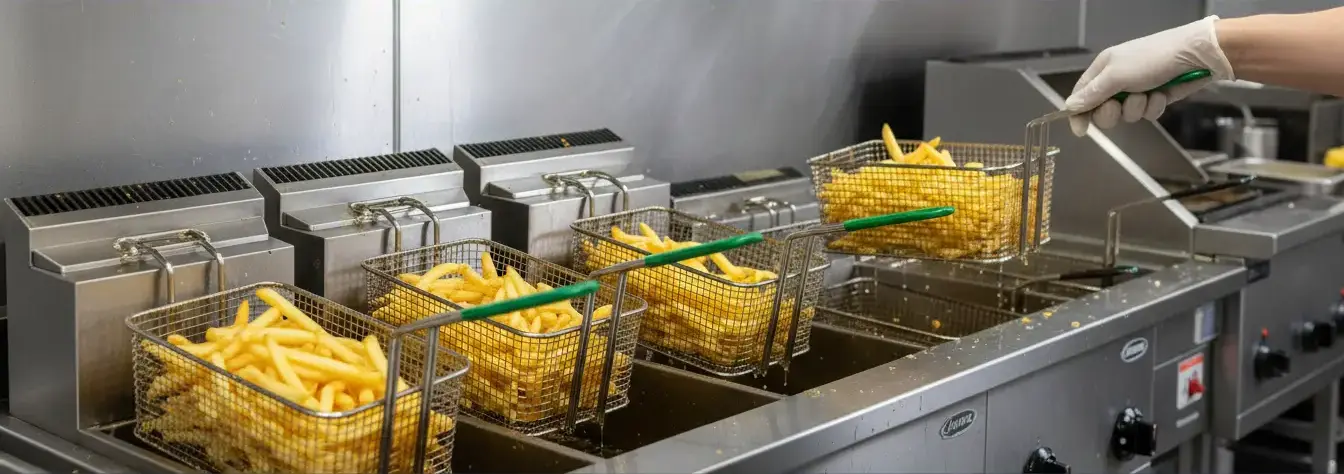
Find the Best Used Cooking Oil Collection Companies for Your Business
No obligation • Fast responses • Nationwide coverage

Why you can trust Restaurant Waste Disposal
Restaurant Waste Disposal is a leading U.S. resource for comparing restaurant composting, food-waste recycling, grease trap cleaning, and used cooking oil collection services. Our editorial team researches providers, checks credentials, and organizes unbiased information so operators can make informed decisions. Companies cannot pay to change ratings or placement.
Search providers near you
Top Used Cooking Oil Collection Companies in Placentia, California Ranked
For restaurant owners and kitchen managers in Placentia, managing used cooking oil (UCO) is a critical operational and environmental responsibility. The City of Placentia enforces a Fats, Oils, and Grease (FOG) Control Program to protect the municipal sewer system from costly blockages and overflows. Compliance isn't just about avoiding fines; it's about partnering with licensed professionals to ensure your waste oil is safely collected and transformed into valuable resources like biodiesel and sustainable aviation fuel. This guide outlines the essential steps for compliant UCO management, from proper on-site storage to selecting a certified hauler, helping you navigate local regulations while contributing to a circular economy.
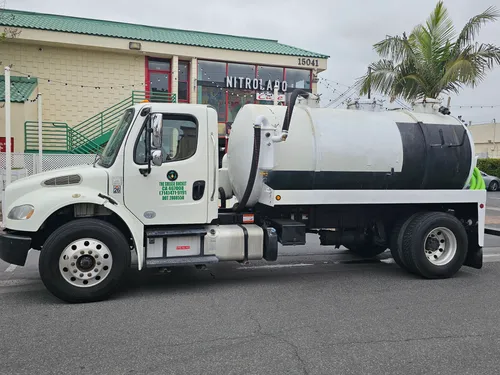
The Grease Bucket
Los Angeles, CA
The Grease Bucket provides grease trap cleaning and used cooking oil collection services in Los Angeles, CA. They serve restaurants across Orange County, Los Angeles, San Bernardino, and the Inland Empire area. The company schedules regular collection intervals to prevent overflows and maintains grease interceptors to avoid drain clogs and odors. They recycle used cooking oil into renewable resources, supporting environmental sustainability. The Grease Bucket has been serving customers for over six years and offers emergency pickups when needed during normal business hours.
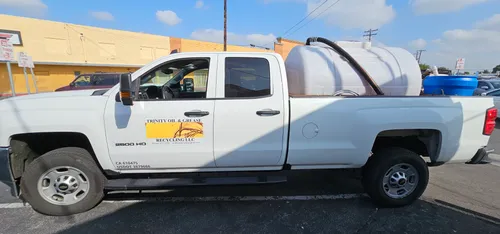
Trinity Oil & Grease Recycling
Los Angeles, CA
Trinity Oil & Grease Recycling provides used cooking oil collection and grease trap cleaning services in Los Angeles, CA. They offer on-call and scheduled pickups with 24-hour availability across Los Angeles County, Orange County, and Ventura County. Their services include recovery, transportation, disposal, and recycling of kitchen oil and grease, along with high-pressure washing for grease spills and property cleanliness. They supply grease and oil storage containers ranging from 15 to 200 gallons with no minimum amount required for collection. Trinity Oil & Grease Recycling also provides manifest reports as proof of collection to help clients maintain compliance with health and wastewater regulations.
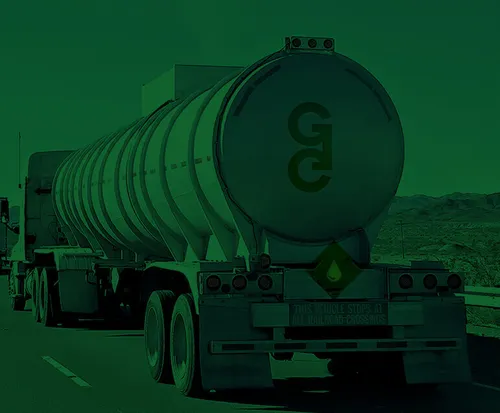
The Grease Company
1116 N Harbor Blvd, Santa Ana, CA 92703
The Grease Company provides grease trap cleaning, repair, and used cooking oil collection services in Los Angeles, CA. They specialize in maintaining commercial kitchen grease traps to prevent clogs and ensure compliance with sanitation regulations. Their capabilities include hydro jetting and environmentally responsible cooking oil disposal. With 12 years of experience, The Grease Company is licensed to serve Southern California and offers transparent pricing and free quotes.
Phoenix Pumping LLC
3131 E Palmyra Ave, Orange, CA 92869
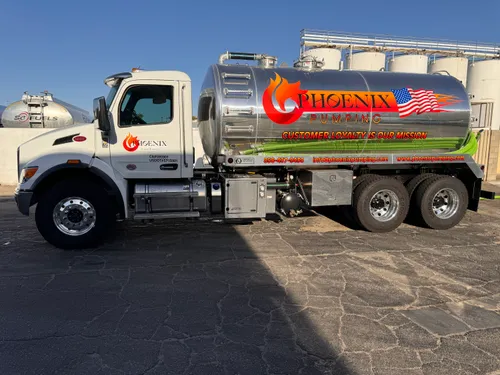
Phoenix Pumping LLC offers cooking oil recycling and grease trap cleaning services in Los Angeles, CA, extending coverage to Southern California counties as well as Arizona and Nevada. The company serves large restaurant chains and facilities with multiple kitchens, providing licensed grease trap cleaning including large outdoor installations. With over a decade of experience, Phoenix Pumping transforms used cooking oil into renewable diesel with a significantly lower carbon footprint. They provide 24/7 availability and a single point of contact for all service needs.
Skyline Grease Services
Los Angeles, CA
Skyline Grease Services provides used cooking oil collection and grease trap cleaning in Los Angeles, CA. They handle grease trap maintenance and oil collection to support local businesses in managing waste effectively.
Understanding Placentia's FOG Regulations
The City of Placentia's Fats, Oils, and Grease (FOG) Control Program is designed to prevent sewer blockages, which can lead to expensive repairs and environmental damage. For food service establishments, this means adhering to specific rules for grease trap maintenance and used fryer oil disposal. A core requirement is that all used cooking oil must be collected by a state-approved, licensed Inedible Kitchen Grease (IKG) hauler. Dumping oil down sinks, floor drains, or into trash bins is a direct violation and can result in significant penalties. The city mandates that businesses maintain detailed records, or manifests, provided by their hauler after each pickup, to prove proper disposal during inspections. Staying ahead of these regulations protects your business and supports the city's infrastructure.
The Step-by-Step Process for Oil Collection
A systematic approach to grease and oil management simplifies compliance and operational flow.
1. Cool and Secure Storage After use, allow cooking oil to cool completely before transferring it. It must be poured into dedicated, tightly sealed containers that are clearly labeled and made of spill-resistant material. These storage containers should be kept in a designated area, well away from any storm drains or sanitary sewer drains, to prevent accidental contamination.
2. Scheduled Professional Pickup Your licensed grease collection service will schedule regular pickups based on your volume of oil production. They will collect the oil from your secure containers and, if contracted, also service your grease interceptor or trap. Using a professional ensures the material is handled safely and in accordance with all transportation laws.
3. Recycling and Transformation The collected oil is transported to a processing facility where it is rendered and purified. This recycled UCO is a valuable feedstock for producing biodiesel, renewable diesel, and even sustainable aviation fuel (SAF), turning a waste product into clean energy. Other products can include ingredients for soap and animal feed supplements 1.
4. Documentation for Compliance After each service, your hauler will provide you with a detailed manifest or service receipt. This document is your proof of lawful disposal and must be kept on file for review by city inspectors. Maintaining this paper trail is a non-negotiable part of your compliance duties.
Essential Equipment and Best Practices
Proper equipment is the foundation of an effective oil management program.
- Grease Interceptors/Traps: These are mandatory for most food service operations. They capture grease from wastewater before it enters the sewer. You are required to have them cleaned regularly-typically every 4 to 8 weeks-by a licensed service provider to ensure they function correctly 2 3.
- Storage Containers: Invest in robust, purpose-built containers for storing used fryer oil. Look for features like secure lids, clear labeling, and secondary containment to catch any potential leaks. Never use makeshift containers that can degrade or spill.
- Staff Training: Ensure all kitchen staff are trained on the proper procedure for cooling, transferring, and storing used oil. Emphasize that pouring oil down any drain is strictly prohibited. Immediate cleanup of any spills is also crucial to prevent slips and environmental issues 4.
Find the perfect used cooking oil collection companies for your needs
Get personalized recommendations and expert advice
Choosing a Licensed Collection Service in Placentia
Selecting the right partner for your used cooking oil pickup is a key business decision. Your first priority must be verifying that the hauler is licensed by the state of California as an Inedible Kitchen Grease (IKG) collector and carries adequate insurance 5. You can often verify this through resources provided by grease management organizations or by asking the hauler directly for their license number. Beyond licensing, consider the service's reliability, scheduling flexibility, and the clarity of their documentation. A good provider will help you understand your compliance obligations and offer consistent, professional service. Establishing a relationship with a reputable hauler like those listed on industry platforms ensures your oil is handled responsibly from your kitchen to its next life as renewable fuel.
Cost Considerations for Oil Pickup Services
The cost for used cooking oil collection in Placentia is not one-size-fits-all and is influenced by several factors. The primary driver is your volume of oil; higher-volume establishments may have more frequent pickups, which can affect cost, but may also qualify for more competitive rates or even potential rebates in some market conditions 6 7. Most services charge a pickup fee, but these fees can vary between providers, making it worthwhile to get quotes from several licensed haulers 8 9. Some companies may offer free or leased equipment, such as storage tanks or barrels, as part of their service agreement, which can impact the overall price structure 10. It's critical to view these service costs in light of compliance savings. The expense of regular, professional pickup is typically far less than the fines and repair costs associated with improper disposal, sewer backups, or failed city inspections 6 10. Performing due diligence to find a reliable, state-approved service is an investment in your operational stability.
The Environmental and Community Impact
Proper used cooking oil collection extends far beyond your kitchen walls. When UCO is recycled, it directly reduces the demand for virgin fossil fuels. The biodiesel and renewable diesel produced from your waste oil generate lower greenhouse gas emissions, contributing to California's clean air goals 11 12. On a local level, ensuring your oil doesn't enter Placentia's sewers prevents blockages that can cause sewage overflows into streets, waterways, and local ecosystems. These overflows are a public health hazard and result in costly cleanup efforts funded by the community 13. By managing your FOG responsibly, your business plays a direct role in protecting local infrastructure, public health, and the environment, enhancing your standing as a sustainable community partner.
Frequently asked questions
Sources
Footnotes
-
Used Cooking Oil Collection / Pick Up & Recycling. - https://greasemanagement.org/usedoilcollection.html ↩
-
What Restaurants Should Know About California Oil Disposal ... - https://startgreencommodities.com/post/restaurant-grease-trap-requirements ↩
-
What Does The California Law Say About Used Cooking Oil Disposal? - https://www.grandnatural.com/blog/what-does-the-california-law-say-about-used-cooking-oil-disposal.html ↩
-
Cooking Oil Collection & Grease Recycling Service - https://thegreasecompany.com/oilcollection.html ↩
-
Placentia Used Cooking Oil Collection - Grease Management - https://greasemanagement.org/oilcollectionplacentia.html ↩
-
Used Cooking Oil Collection COMPANIES in Placentia - https://greaserecycling.org/placentia.html ↩ ↩2
-
Used Cooking Oil Pickup vs Drop-Off - GreasePros Recycling - https://www.greaseprosrecycling.com/used-cooking-oil-pickup-vs-drop-off/ ↩
-
Restaurant Grease Pick Up and Disposal Services in Los Angeles, CA - https://www.mahoneyes.com/fryer-oil-disposal-recycling-los-angeles-ca/ ↩
-
Southern California Commercial Kitchen Cooking Oil recycling ... - https://thegreasecompany.com/blog/how-the-grease-is-protecting-you-by-recycling-cooking-oil/2/ ↩
-
Used Cooking Oil Collection For Restaurants - Grease Management - https://greasemanagement.org/greasecollection.html ↩ ↩2
-
Navigating Legal Requirements for Used Cooking Oil Disposal - https://bakercommodities.com/blog/2024/02/08/legal-requirement-used-cooking-grease/ ↩
-
Used Cooking Oil (UCO) Collection Service For Restaurants - https://thegreasecompany.com/blog/restaurant-used-cooking-oil-collection/ ↩
-
Fats, Oils, and Grease Control Program (FOG) - Placentia.org - https://www.placentia.org/947/Fats-Oils-and-Grease-Control-Program-FOG ↩