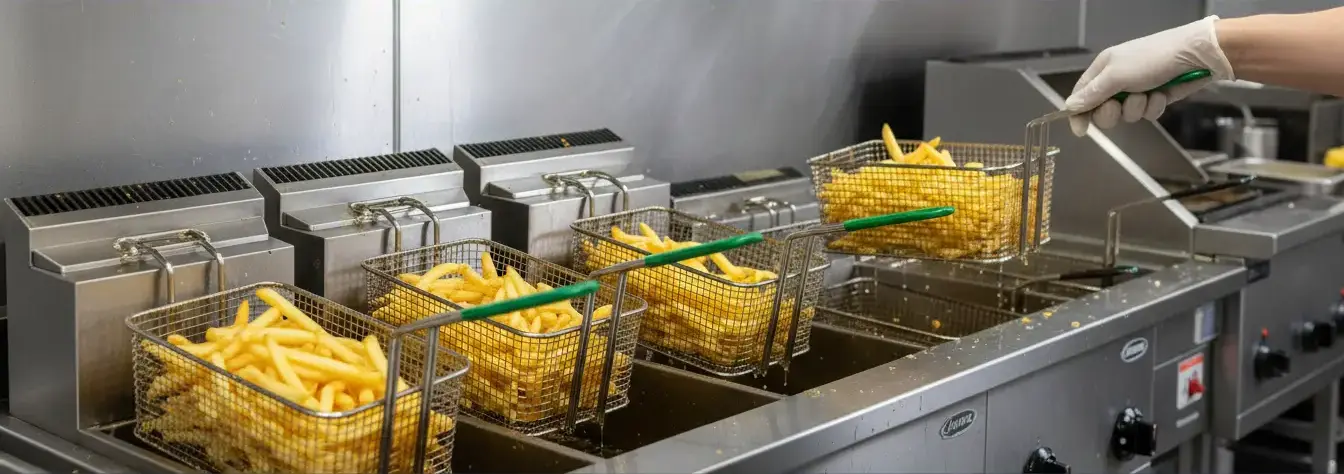
Find the Best Used Cooking Oil Collection Companies for Your Business
No obligation • Fast responses • Nationwide coverage

Why you can trust Restaurant Waste Disposal
Restaurant Waste Disposal is a leading U.S. resource for comparing restaurant composting, food-waste recycling, grease trap cleaning, and used cooking oil collection services. Our editorial team researches providers, checks credentials, and organizes unbiased information so operators can make informed decisions. Companies cannot pay to change ratings or placement.
Search providers near you
Top Used Cooking Oil Collection Companies in Pico Rivera, California Ranked
For restaurants and commercial kitchens in Pico Rivera, managing used cooking oil (UCO) is a critical operational and environmental responsibility. Proper disposal of fats, oils, and grease (FOG) is not just a best practice-it's a legal requirement enforced by the city and state to protect the local sewer system from costly blockages and environmental damage. This process involves contracting with a licensed hauler for regular pickup, ensuring proper on-site storage, and maintaining meticulous documentation. By understanding and adhering to these regulations, Pico Rivera food service establishments can turn a waste product into a resource, often offsetting disposal costs or even generating a small revenue stream through recycling rebates.
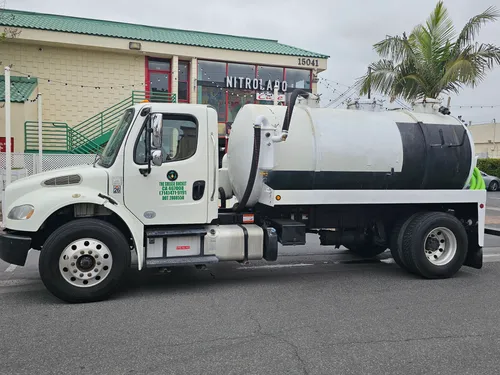
The Grease Bucket
Los Angeles, CA
The Grease Bucket provides grease trap cleaning and used cooking oil collection services in Los Angeles, CA. They serve restaurants across Orange County, Los Angeles, San Bernardino, and the Inland Empire area. The company schedules regular collection intervals to prevent overflows and maintains grease interceptors to avoid drain clogs and odors. They recycle used cooking oil into renewable resources, supporting environmental sustainability. The Grease Bucket has been serving customers for over six years and offers emergency pickups when needed during normal business hours.
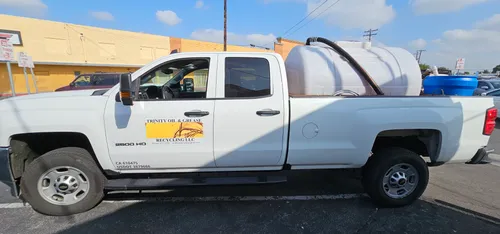
Trinity Oil & Grease Recycling
Los Angeles, CA
Trinity Oil & Grease Recycling provides used cooking oil collection and grease trap cleaning services in Los Angeles, CA. They offer on-call and scheduled pickups with 24-hour availability across Los Angeles County, Orange County, and Ventura County. Their services include recovery, transportation, disposal, and recycling of kitchen oil and grease, along with high-pressure washing for grease spills and property cleanliness. They supply grease and oil storage containers ranging from 15 to 200 gallons with no minimum amount required for collection. Trinity Oil & Grease Recycling also provides manifest reports as proof of collection to help clients maintain compliance with health and wastewater regulations.
The Grease Company
1116 N Harbor Blvd, Santa Ana, CA 92703
The Grease Company provides grease trap cleaning, repair, and used cooking oil collection services in Los Angeles, CA. They specialize in maintaining commercial kitchen grease traps to prevent clogs and ensure compliance with sanitation regulations. Their capabilities include hydro jetting and environmentally responsible cooking oil disposal. With 12 years of experience, The Grease Company is licensed to serve Southern California and offers transparent pricing and free quotes.
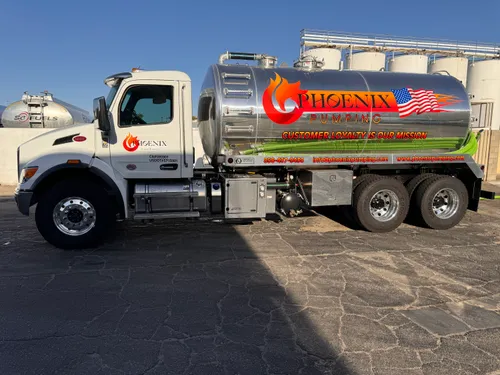
Phoenix Pumping LLC
3131 E Palmyra Ave, Orange, CA 92869
Phoenix Pumping LLC offers cooking oil recycling and grease trap cleaning services in Los Angeles, CA, extending coverage to Southern California counties as well as Arizona and Nevada. The company serves large restaurant chains and facilities with multiple kitchens, providing licensed grease trap cleaning including large outdoor installations. With over a decade of experience, Phoenix Pumping transforms used cooking oil into renewable diesel with a significantly lower carbon footprint. They provide 24/7 availability and a single point of contact for all service needs.
Skyline Grease Services
Los Angeles, CA
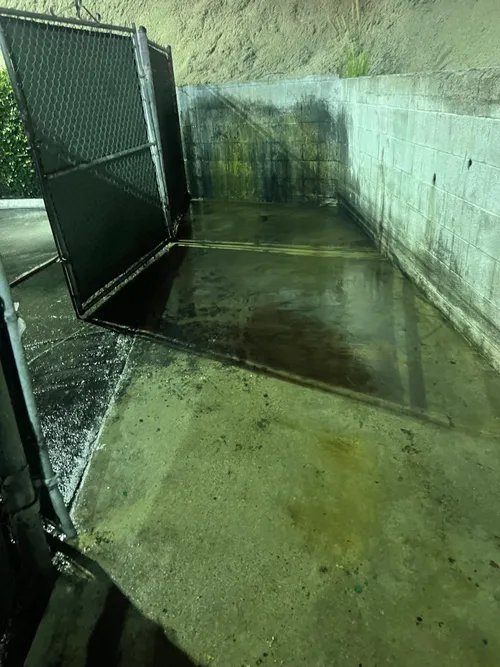
Skyline Grease Services provides used cooking oil collection and grease trap cleaning in Los Angeles, CA. They handle grease trap maintenance and oil collection to support local businesses in managing waste effectively.
Legal Requirements for UCO Disposal in Pico Rivera
In Pico Rivera, as in all of California, restaurants cannot simply pour used fryer oil down the drain or dispose of it with regular trash. State and local laws mandate a specific chain of custody for used cooking oil to ensure it is recycled properly and does not enter the wastewater system.
- Mandatory Use of Licensed Haulers: You are required by law to contract with a hauler that is licensed and approved by both the California Department of Food and Agriculture (CDFA) and the city. These companies are legally authorized to transport and recycle UCO. Using an unlicensed service can result in significant fines during health or sanitation inspections.
- The Manifest System: Every time your used oil is collected, the licensed hauler must provide you with a detailed manifest or bill of lading. This document is your legal proof of proper disposal. It tracks the quantity of oil collected and its destination to a certified recycling facility. Keeping these records on file is essential for demonstrating compliance.
- Strict "No Drain" Policy: Discharging FOG into sinks, floor drains, or toilets is illegal. When these substances cool, they solidify and adhere to sewer pipes, leading to severe blockages, sewer overflows, and environmental contamination. Violations can lead to heavy penalties for your business.
On-Site Storage and Handling Best Practices
Proper handling begins in your kitchen before the collection truck ever arrives. Following these storage protocols keeps your facility safe, clean, and in compliance.
- Cool Before Transfer: Always allow oil to cool completely before moving it from fryers to storage containers. This prevents burns and reduces fire risk.
- Use Approved Containers: Store cooled UCO in dedicated, leak-proof, and tightly sealed containers provided or approved by your hauler. These are typically heavy-duty plastic or metal drums designed for grease storage. Containers must be clearly labeled to avoid confusion with other materials.
- Designated Storage Area: Keep storage containers in a dedicated, accessible area, often near your grease trap or interceptor. The area should be clean, dry, and on an impervious surface to contain any potential spills. This makes pickup efficient and minimizes mess.
- Maintain Oil Quality: To maximize potential rebates and ensure smooth processing, strain or filter oil to remove large food solids before storage. Avoid contaminating oil with water, which complicates the recycling process and reduces its value.
The Collection and Recycling Process
Understanding what happens after pickup highlights the environmental and economic benefits of proper UCO management.
- Scheduled Collection: Your licensed hauler will establish a regular pickup schedule based on your oil production volume. They arrive with specialized vehicles (often tanker trucks) that are CDFA-approved for transporting grease 1.
- Oil Transfer: The hauler's operator will pump or pour the oil from your storage containers into their truck's secure holding tank. They will typically clean up any minor spills around the collection area.
- Transport to Facility: The collected oil is transported to a certified rendering or recycling facility 2. Here, it undergoes processing to remove impurities.
- Transformation into New Products: The cleaned UCO is a valuable feedstock. Primarily, it is converted into biodiesel, a renewable, cleaner-burning fuel. It can also be used in the production of animal feed, industrial lubricants, and other bio-based products.
- Documentation Completion: You receive your copy of the manifest, completing the audit trail for that batch of oil.
Find the perfect used cooking oil collection companies for your needs
Get personalized recommendations and expert advice
Understanding Costs and Potential Rebates
The financial model for used cooking oil collection in Pico Rivera is typically volume-based. It's important to discuss pricing structures directly with service providers, as terms can vary.
- For Lower-Volume Producers: Restaurants generating less than approximately 40 gallons of UCO per month may incur a modest monthly service fee to cover the cost of collection and container provision. This fee ensures compliant disposal without the hassle of finding a one-time hauler.
- For Medium- to High-Volume Producers: Establishments that produce significant amounts of used oil often qualify for free collection service. Furthermore, they may receive a rebate payment based on the quantity and quality of oil provided 3. Rebate rates can fluctuate with market prices for commodities like biodiesel but have historically ranged from a few cents to over fifty cents per gallon.
- Quality Impacts Value: Clean, well-filtered oil free from water and food debris commands a higher rebate4. Maintaining good handling practices in your kitchen directly improves the economic return from your UCO recycling program.
Choosing a Service Provider in Pico Rivera
When selecting a company for your used cooking oil collection needs, look for more than just a price quote. Key considerations include:
- Verification of Licenses: Confirm the company holds current CDFA and local authority licenses. Reputable providers will readily provide this information.
- Service Reliability: Choose a provider known for consistent, on-time pickups to prevent overflow and storage issues at your facility.
- Transparent Documentation: Ensure they provide clear, detailed manifests after every collection. This paperwork is your first line of defense in an audit.
- Local Experience: Providers familiar with Pico Rivera's specific regulations and inspection routines can be valuable partners. Companies like Grease Management Solutions and The Grease Company are examples of services operating in Southern California that work with local businesses to ensure compliance5 6 7.
The Environmental and Community Impact
Proper used cooking oil collection extends benefits far beyond your kitchen. By ensuring your UCO is recycled, you contribute to:
- Protecting Local Infrastructure: Preventing FOG from entering sewers saves the city and ratepayers millions in pipe maintenance, cleanup, and environmental remediation costs8 9.
- Supporting Renewable Energy: Your used oil is transformed into biodiesel, reducing reliance on fossil fuels and lowering greenhouse gas emissions10.
- Promoting a Circular Economy: UCO recycling is a prime example of turning waste into a valuable resource, supporting green industries and sustainable practices.
Frequently asked questions
Sources
Footnotes
-
Used Cooking Oil (UCO) Collection Service For Restaurants - https://thegreasecompany.com/blog/restaurant-used-cooking-oil-collection/ ↩
-
Navigating Legal Requirements for Used Cooking Oil Disposal - https://bakercommodities.com/blog/2024/02/08/legal-requirement-used-cooking-grease/ ↩
-
Do you get paid for used cooking oil? : r/cookingoilrecycling - Reddit - https://www.reddit.com/r/cookingoilrecycling/comments/1kvlxl5/do_you_get_paid_for_used_cooking_oil/ ↩
-
Restaurant Used Cooking Oil Recycling & Disposal Guide - https://greaseconnections.com/restaurant-used-cooking-oil-disposal-recycling-revenue-guide/ ↩
-
Pico Rivera Used Cooking Oil Collection - Grease Management - https://greasemanagement.org/oilcollectionpicorivera.html ↩
-
Used Cooking Oil Collection / Pick Up & Recycling. - https://greasemanagement.org/usedoilcollection.html ↩
-
Cooking Oil Collection & Grease Recycling Service - https://thegreasecompany.com/oilcollection.html ↩
-
What Does The California Law Say About Used Cooking Oil Disposal? - https://www.grandnatural.com/blog/what-does-the-california-law-say-about-used-cooking-oil-disposal.html ↩
-
Grease Handling and Storage - Union Sanitary District - https://unionsanitary.ca.gov/wp-content/uploads/2016/07/Grease_Handling_and_Storage.pdf ↩
-
Southern California Commercial Kitchen Cooking Oil recycling ... - https://thegreasecompany.com/blog/how-the-grease-is-protecting-you-by-recycling-cooking-oil/2/ ↩