Find the Best Used Cooking Oil Collection Companies for Your Business
No obligation • Fast responses • Nationwide coverage

Why you can trust Restaurant Waste Disposal
Restaurant Waste Disposal is a leading U.S. resource for comparing restaurant composting, food-waste recycling, grease trap cleaning, and used cooking oil collection services. Our editorial team researches providers, checks credentials, and organizes unbiased information so operators can make informed decisions. Companies cannot pay to change ratings or placement.
Search providers near you
Top Used Cooking Oil Collection Companies in Ontario, California Ranked
For restaurant owners and kitchen managers in Ontario, managing used cooking oil is more than just a routine cleanup task-it's a regulated component of your business operations. Proper collection and recycling of fats, oils, and grease (FOG) are mandated by California state law and local ordinances, turning a potential waste headache into an opportunity for compliance and even revenue. Navigating the requirements for secure storage, licensed haulers, and proper documentation is essential to avoid fines and contribute to the circular economy, where your used oil is transformed into biodiesel fuel.
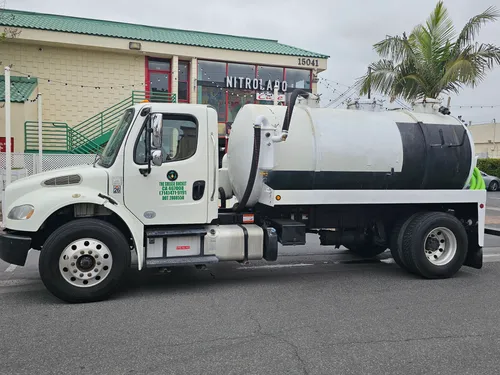
The Grease Bucket
Los Angeles, CA
The Grease Bucket provides grease trap cleaning and used cooking oil collection services in Los Angeles, CA. They serve restaurants across Orange County, Los Angeles, San Bernardino, and the Inland Empire area. The company schedules regular collection intervals to prevent overflows and maintains grease interceptors to avoid drain clogs and odors. They recycle used cooking oil into renewable resources, supporting environmental sustainability. The Grease Bucket has been serving customers for over six years and offers emergency pickups when needed during normal business hours.
The Grease Company
1116 N Harbor Blvd, Santa Ana, CA 92703
The Grease Company provides grease trap cleaning, repair, and used cooking oil collection services in Los Angeles, CA. They specialize in maintaining commercial kitchen grease traps to prevent clogs and ensure compliance with sanitation regulations. Their capabilities include hydro jetting and environmentally responsible cooking oil disposal. With 12 years of experience, The Grease Company is licensed to serve Southern California and offers transparent pricing and free quotes.
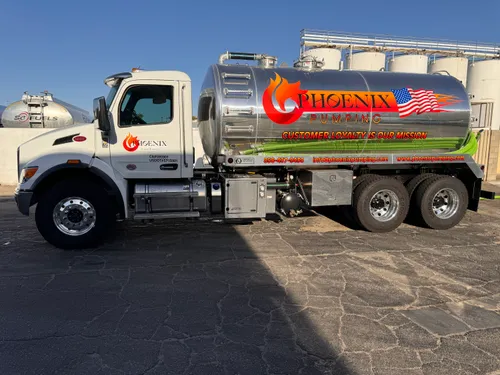
Phoenix Pumping LLC
3131 E Palmyra Ave, Orange, CA 92869
Phoenix Pumping LLC offers cooking oil recycling and grease trap cleaning services in Los Angeles, CA, extending coverage to Southern California counties as well as Arizona and Nevada. The company serves large restaurant chains and facilities with multiple kitchens, providing licensed grease trap cleaning including large outdoor installations. With over a decade of experience, Phoenix Pumping transforms used cooking oil into renewable diesel with a significantly lower carbon footprint. They provide 24/7 availability and a single point of contact for all service needs.
Hesperia Grease Trap Services
Los Angeles, CA
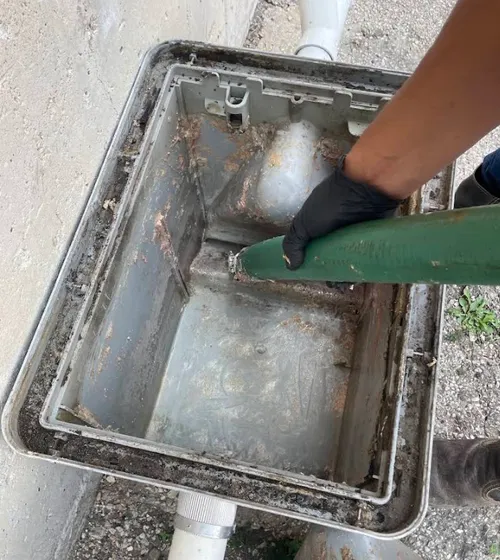
Hesperia Grease Trap Services provides comprehensive grease management solutions for commercial kitchens in Los Angeles, CA. They specialize in grease trap pumping, cleaning, interceptor maintenance, system installation, emergency repairs, and restaurant equipment servicing tailored to meet California environmental regulations. Serving Hesperia and the surrounding Victor Valley region, this locally owned company supports restaurants, cafes, hotels, and commercial facilities throughout San Bernardino County. Their services include high-capacity vacuum pumping, deep system cleaning, and thorough inspections to maintain system efficiency and compliance. They also offer emergency repair services to address grease trap failures and backups quickly, minimizing business disruption.
Grease Co of San Bernardino
1798 5th St, San Bernardino, CA 92411
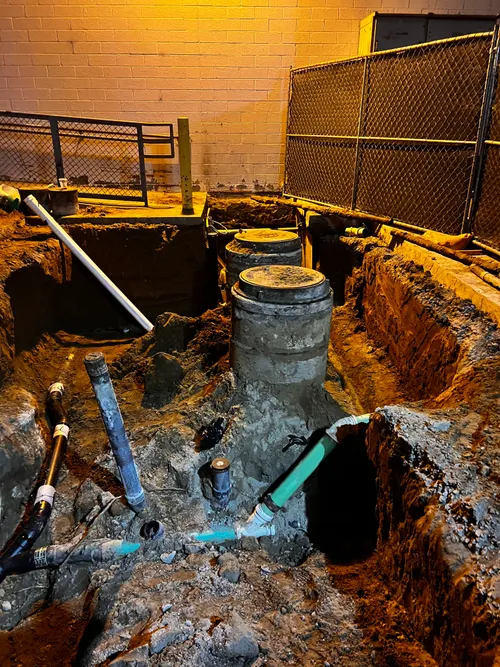
Grease Co of San Bernardino provides grease trap cleaning, interceptor pumping, and used cooking oil collection services for food service establishments in Los Angeles, CA. Serving San Bernardino and Riverside counties, the company offers comprehensive grease waste management solutions including hydro jetting, grease trap repair, and spill cleanup. With nearly two decades of experience, they are licensed by the California Department of Food & Agriculture and provide 24/7 support to address urgent plumbing needs. Their used cooking oil collection service recycles waste oil into biodiesel, promoting sustainability and regulatory compliance.
Understanding California's Mandatory Recycling Laws
California's Short-Lived Climate Pollutant Reduction law, known as SB 1383, sets the foundation for organic waste recycling across the state, and Ontario is no exception. This regulation requires all businesses, including every restaurant and food service establishment, to recycle their organic waste, which explicitly includes used cooking oil and grease. The law aims to reduce landfill methane emissions by diverting organic materials to beneficial uses like composting and biofuel production.
The mandate makes recycling FOG a legal requirement, not an optional service. Furthermore, it is illegal to pour any grease, oil, or food scraps down sinks, drains, or storm drains. Such actions can lead to severe sewer blockages, environmental damage, and significant fines from local sanitation districts. For new restaurant builds or establishments undergoing major plumbing modifications, city approval for properly sized and installed grease interceptors or traps is typically required. These interceptors are a first line of defense, but the oil collected in fryers still needs a dedicated, lawful disposal path.
The Step-by-Step Process for Oil Collection and Recycling
Implementing a compliant used cooking oil management system involves a clear, multi-step process. Following these steps ensures safety, maximizes the value of your oil, and keeps you within legal boundaries.
- Collection at the Source: After cooking, allow oil to cool. Scrape food particles from pots and pans into the trash or compost before washing. For liquid oil, carefully pour it from fryers and cookware into a dedicated, food-grade collection container. Using oil-absorbing paper for minor spills and disposing of it properly helps keep oil clean.
- Secure Storage: The filled container must be stored securely. Best practices dictate using tightly sealed containers to prevent leaks, odors, and contamination. Many providers recommend or supply locked, durable outdoor bins to prevent spills, pests, and unfortunately, theft, which is a common issue for this valuable commodity.
- Scheduled Pickup by Licensed Haulers: You cannot transport commercial quantities of used cooking oil yourself without specific licensing. Restaurants must contract with a hauler approved by the California Department of Food and Agriculture (CDFA) to transport inedible kitchen grease. These professional services will provide collection containers and establish a regular pickup schedule tailored to your volume.
- Processing into Biofuel: Once collected, the used oil is transported to a processing facility. There, it undergoes filtering to remove food particles and water, followed by a refining process. The end product is biodiesel, a renewable fuel that powers vehicles and equipment, completing the recycling loop 1.
Choosing a Licensed Collection Service Provider
Selecting the right partner for your grease trap and used oil collection is critical. A reputable provider will handle the logistics and help ensure your documentation is in order. Look for a service that is fully licensed by the CDFA and has a strong reputation in Southern California. They should offer sturdy, secure collection bins and have reliable, consistent pickup routes in the Ontario area.
Transparency is key. A good hauler will clearly explain their service agreement, including pickup frequency, container maintenance, and the all-important financial terms. They should also provide detailed documentation for every collection, which you are required to maintain as proof of compliance with state recycling laws2. This record-keeping is a simple but non-negotiable part of your responsibility.
Find the perfect used cooking oil collection companies for your needs
Get personalized recommendations and expert advice
Cost Analysis and Revenue Potential for Restaurants
The financial model for used cooking oil collection is unique, as it can swing from being a cost center to a potential source of revenue. Several factors determine where your business falls on that spectrum.
The primary determinant is the quality and volume of oil you generate. Clean, well-handled fryer oil, often called "yellow grease," is highly valuable to recyclers as it requires less processing to become biodiesel. For this quality, restaurants can often receive a rebate or payment, with rates typically ranging from $0.10 to over $3.00 per gallon, depending on market conditions3 4. This payment can effectively make disposal free or even generate a small income stream.
Conversely, oil that is heavily contaminated with water, food solids, or grease trap waste (known as "brown grease") has lower value. Haulers may charge a fee for collecting this material due to the extra processing required5. The volume you produce also affects terms; some collectors offer free pickup for smaller volumes (e.g., under 100 gallons) as a service incentive, while larger producers can negotiate more favorable rebate rates 5.
Best Practices for On-Site Storage and Handling
Proper on-site management protects your staff, property, and bottom line. Secure storage cannot be overstated. Use only containers provided or approved by your hauler, and ensure lids are always sealed when not in use6 7. Place containers on a stable, level surface in a location that is accessible for pickup but not in public view, ideally away from building vents and doors. An outdoor location should be paved, contained to catch any accidental spills, and locked to prevent unauthorized access or tampering 6.
Maintaining oil quality starts at the fryer. Avoid mixing different types of oils and never pour water into the collection container. Train all kitchen staff on the proper cooling and transfer procedures to minimize burns and spills. Regular communication with your collection provider about changes in your volume or kitchen schedule helps prevent overflows and ensures consistent service.
Compliance and Environmental Impact
Adhering to used cooking oil regulations is a direct contribution to Ontario's and California's environmental goals. By ensuring your oil is collected for biodiesel production, you are helping to reduce greenhouse gas emissions compared to fossil fuels and diverting waste from landfills8 9. Compliance also protects the local infrastructure; improper grease disposal is a leading cause of sewer blockages, which can lead to costly repairs and public health hazards10 11.
From a business perspective, a robust oil management program mitigates risk. It provides a clear audit trail for health and sanitation inspectors, demonstrates corporate responsibility, and avoids the steep fines associated with illegal dumping or non-compliance with SB 1383. In essence, a well-run used cooking oil program turns a mandatory operational task into a point of pride and operational efficiency.
Frequently asked questions
Sources
Footnotes
-
Cooking Oil Collection & Grease Recycling Service - https://thegreasecompany.com/oilcollection.html ↩
-
Cal. Code Regs. Tit. 3, § 1180.24 - Requirements to Document and ... - https://www.law.cornell.edu/regulations/california/3-CCR-1180.24 ↩
-
Restaurant Used Cooking Oil Recycling & Disposal Guide - https://greaseconnections.com/restaurant-used-cooking-oil-disposal-recycling-revenue-guide/ ↩
-
Used Cooking Oil Pricing & Business Guide - Grease Connections - https://greaseconnections.com/used-cooking-oil-pricing-guide/ ↩
-
Used Cooking Oil Collection / Pick Up & Recycling. - https://greasemanagement.org/usedoilcollection.html ↩ ↩2
-
Used Cooking Oil (UCO) Collection Service For Restaurants - https://thegreasecompany.com/blog/restaurant-used-cooking-oil-collection/ ↩ ↩2
-
Restaurant Oil Disposal: Explained - Eazy Grease - https://eazygrease.com/how-do-restaurants-get-rid-of-their-oil/ ↩
-
Mandatory Recycling Programs | City of Ontario, California - https://www.ontarioca.gov/government/public-works/integrated-waste/mandatory-recycling-programs ↩
-
Southern California Commercial Kitchen Cooking Oil recycling ... - https://thegreasecompany.com/blog/how-the-grease-is-protecting-you-by-recycling-cooking-oil/2/ ↩
-
What Does The California Law Say About Used Cooking Oil ... - https://www.grandnatural.com/blog/what-does-the-california-law-say-about-used-cooking-oil-disposal.html ↩
-
Grease Handling and Storage - Union Sanitary District - https://unionsanitary.ca.gov/wp-content/uploads/2016/07/Grease_Handling_and_Storage.pdf ↩