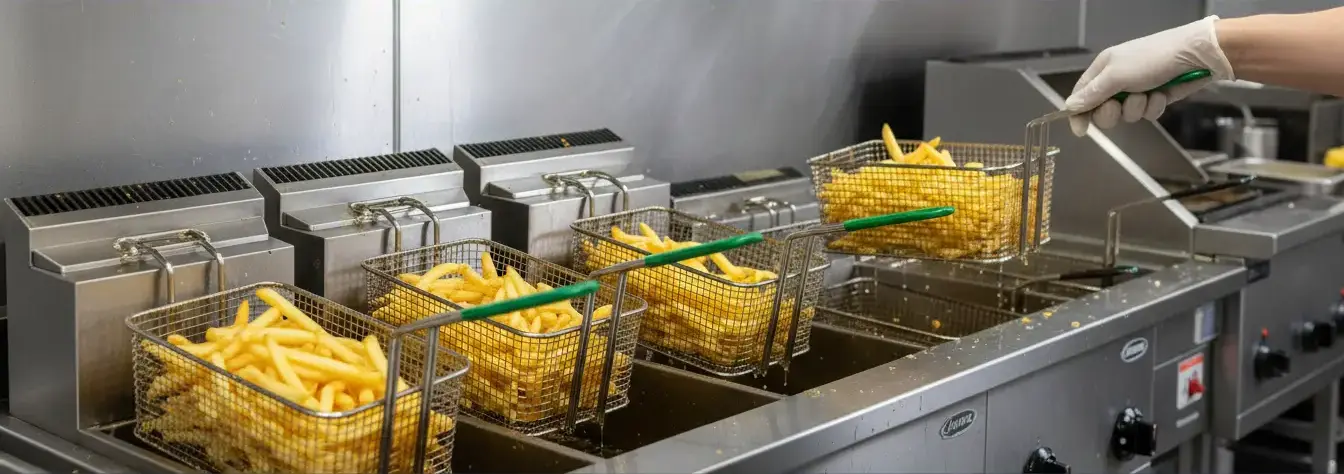
Find the Best Used Cooking Oil Collection Companies for Your Business
No obligation • Fast responses • Nationwide coverage

Why you can trust Restaurant Waste Disposal
Restaurant Waste Disposal is a leading U.S. resource for comparing restaurant composting, food-waste recycling, grease trap cleaning, and used cooking oil collection services. Our editorial team researches providers, checks credentials, and organizes unbiased information so operators can make informed decisions. Companies cannot pay to change ratings or placement.
Search providers near you
Top Used Cooking Oil Collection Companies in Novato, California Ranked
For restaurants, cafes, and food service businesses in Novato, managing used cooking oil (UCO) is a critical operational and environmental responsibility. Proper grease recycling and disposal are not just about cleanliness; they are mandated by California state and local regulations to protect the sewer system and the environment. Fortunately, a well-managed UCO program can also turn a waste product into a valuable resource, with many services offering free pickup or even paying for high-quality oil. This guide outlines the essentials of compliant oil collection, storage, and recycling specific to Novato's food service industry.
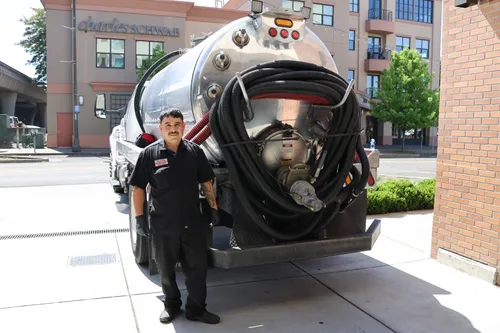
North Bay Restaurant Services
437 W 9th St, Santa Rosa, CA 95401
North Bay Restaurant Services in Santa Rosa, CA, has provided kitchen maintenance solutions for nearly 30 years. They serve Bay Area restaurants with services including NFPA-96 hood cleaning, grease trap pumping, interceptor maintenance, hydrojetting, and used cooking oil recycling. Their custom equipment and trained technicians help keep kitchens clean, compliant, and inspection-ready. The company supports a range of clients from neighborhood cafés to Michelin-starred restaurants, ensuring grease traps meet local FOG compliance standards.
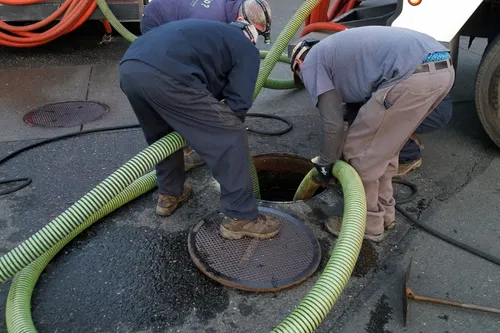
San Francisco Grease Trap Cleaning
864 Ellis St #2f, San Francisco, CA 94109
San Francisco Grease Trap Cleaning provides grease trap pumping, cleaning, and used cooking oil collection services in San Francisco, CA. They serve commercial, industrial, and manufacturing clients including restaurants, schools, and cafeterias. The company offers hydro-jetting and maintains detailed service records to ensure compliance with local health and safety codes. They recycle waste for biofuel production and dispose of non-recyclable materials responsibly. With a fleet of pump trucks and trained professionals, they accommodate various schedules to minimize business disruption. San Francisco Grease Trap Cleaning has been part of the community for years and serves surrounding areas such as Berkeley, Alameda, and Oakland.
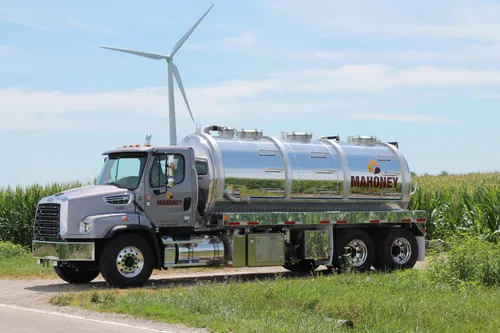
Mahoney Environmental Restaurant Oil Recycling
3501 Collins Ave, Richmond, CA 94806
Mahoney Environmental Restaurant Oil Recycling is a used cooking oil collection company based in Oakland, CA. They specialize in collecting used cooking oil from restaurants to support environmental sustainability. The company focuses on improving both financial outcomes for clients and environmental impact through responsible oil recycling.
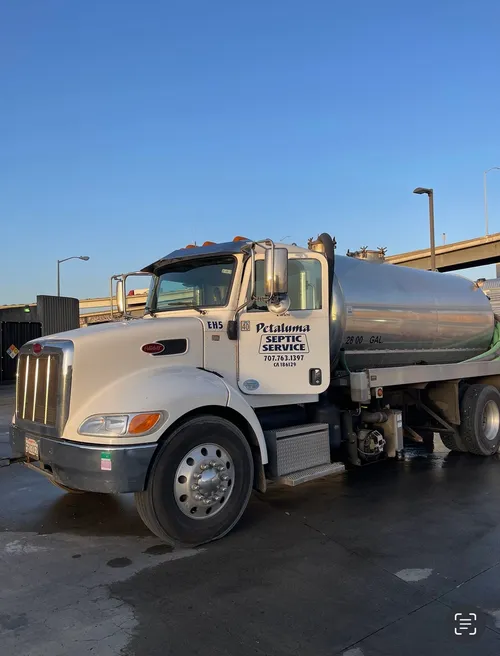
Environmental Pump Services
Petaluma, CA 94952
Environmental Pump Services is a family-owned company based in Petaluma, CA, specializing in grease trap cleaning, used cooking oil collection, septic tank pumping, and winery waste removal. Serving Sonoma, Marin, and Napa Counties, they focus on environmentally responsible disposal by recycling waste into alternative energy sources such as biodiesel and methane gas. Established in 2007, the company brings over 30 years of combined industry experience to its services.
Understanding Local Regulations for Grease Disposal
In Novato, as in all of California, food service establishments must adhere to strict rules for handling fats, oils, and grease (FOG). The primary goal is to prevent sewer blockages and environmental contamination. Key regulations include:
- No Drain Disposal: It is illegal to pour used cooking oil or grease down sinks, floor drains, storm drains, or onto streets. This is a leading cause of sewer backups and can result in significant fines.
- Mandatory Grease Interceptors/Traps: All food service businesses are required to have properly sized and maintained grease traps or interceptors. These devices must be approved by local officials and regularly serviced to prevent FOG from entering the public sewer system.
- Use of Licensed Haulers: Used cooking oil must be collected by a hauler licensed by the California Department of Food and Agriculture (CDFA) 1. This ensures the oil is transported and recycled according to state laws, which classify it as a hazardous waste if mismanaged.
- Secure Storage Requirements: UCO must be stored in durable, tightly sealed containers to prevent leaks, spills, and pest infestations 2.
The Collection and Recycling Process
A professional used cooking oil collection service manages the entire lifecycle of your waste oil, transforming it from a kitchen byproduct into useful commodities.
- Collection: Kitchen staff pour cooled UCO into secure, dedicated containers-often 55-gallon drums provided by the hauler-positioned in a designated area.
- Scheduled Pickup: A licensed hauler collects the full containers on a pre-arranged schedule. This frequency can range from weekly to monthly, depending on your establishment's volume.
- Transportation & Recycling: The collected oil is transported in CDFA-approved vehicles to a processing facility. There, it is cleaned and refined. The most common end product is biodiesel, a renewable fuel. It can also be processed into ingredients for soap, animal feed, and other industrial products.
Best Practices for On-Site Oil Management
Proper handling before pickup is crucial for safety, compliance, and maximizing the value of your oil.
- Use Provided Containers: Always store oil in the secure, sealable containers supplied by your hauler. Avoid using makeshift containers that can leak or break.
- Prioritize Security: Used cooking oil has value, making it a target for theft. Store containers in a locked enclosure or use locking lids to deter unauthorized siphoning 3.
- Designate a Storage Area: Choose a level, contained area away from drains and high-traffic zones. This minimizes spill risks and keeps the workspace organized.
- Allow Oil to Cool: Never pour hot oil into a plastic collection container, as it can melt the material and create a hazardous spill.
Find the perfect used cooking oil collection companies for your needs
Get personalized recommendations and expert advice
Cost Structure and Potential Revenue
The economics of used cooking oil collection in Novato are directly tied to your monthly output. Many services structure their pricing to incentivize proper recycling.
- Low Volume (Under 40 gallons/month): Businesses with minimal oil production may pay a modest monthly service fee, typically in the $20 to $40 range, to cover pickup costs.
- Medium to High Volume (40+ gallons/month): As volume increases, the dynamic often shifts. Many haulers offer free pickup and container service because the value of the recycled oil covers their operational costs 4 5. For establishments generating over 100 gallons per month, rebate programs become common. You can earn payments ranging from $0.10 to over $0.65 per gallon, potentially turning a waste line item into a small revenue stream or a way to offset other service costs 5 6.
Finding a Licensed Collection Service in Novato
To ensure compliance and secure reliable service, it's important to partner with a reputable provider. Start your search with terms like "Used Cooking Oil Collection Marin County" or "Grease Recycling Services Novato CA" 7. Verify that any hauler you consider is currently licensed by the CDFA. You can also inquire with your general waste management provider, as many offer grease recycling as an additional service. When evaluating providers, ask about container provision, pickup schedules, security features, and their pricing or rebate structure based on your estimated volume.
Environmental and Community Impact
Choosing professional grease recycling extends benefits far beyond your kitchen. By diverting used oil from landfills and sewers, you contribute to a circular economy. The conversion of UCO into biodiesel reduces reliance on fossil fuels and lowers greenhouse gas emissions 8 9. Furthermore, compliant practices help Novato maintain its sewer infrastructure, preventing costly municipal repairs and protecting local waterways like the Petaluma River and San Pablo Bay from pollution 10 11. Responsible oil management is a key part of sustainable business operations for the local food service community.
Frequently asked questions
Sources
Footnotes
-
FAQs for Used Oil Collection Centers - https://dtsc.ca.gov/faqs-for-used-oil-collection-centers/ ↩
-
What Does The California Law Say About Used Cooking Oil ... - https://www.grandnatural.com/blog/what-does-the-california-law-say-about-used-cooking-oil-disposal.html ↩
-
Restaurant Oil Disposal: Explained - Eazy Grease - https://eazygrease.com/how-do-restaurants-get-rid-of-their-oil/ ↩
-
Used Cooking Oil Collection & Recycling - https://northbayrestaurantservices.com/used-cooking-oil-collection-recycling-bay-area/ ↩
-
Restaurant Used Cooking Oil Recycling & Disposal Guide - https://greaseconnections.com/restaurant-used-cooking-oil-disposal-recycling-revenue-guide/ ↩ ↩2
-
Do you get paid for used cooking oil? : r/cookingoilrecycling - Reddit - https://www.reddit.com/r/cookingoilrecycling/comments/1kvlxl5/do_you_get_paid_for_used_cooking_oil/ ↩
-
Cooking Oil Collection & Grease Recycling Service - https://thegreasecompany.com/oilcollection.html ↩
-
Used Cooking Oil (UCO) Collection Service For Restaurants - https://thegreasecompany.com/blog/restaurant-used-cooking-oil-collection/ ↩
-
Southern California Commercial Kitchen Cooking Oil recycling ... - https://thegreasecompany.com/blog/how-the-grease-is-protecting-you-by-recycling-cooking-oil/2/ ↩
-
Grease Handling and Storage - Union Sanitary District - https://unionsanitary.ca.gov/wp-content/uploads/2016/07/GreasehandlingPostcard-printer.pdf ↩
-
Used Cooking Oil Regulations for Food Service Businesses - https://bakercommodities.com/blog/2024/02/08/legal-requirement-used-cooking-grease/ ↩