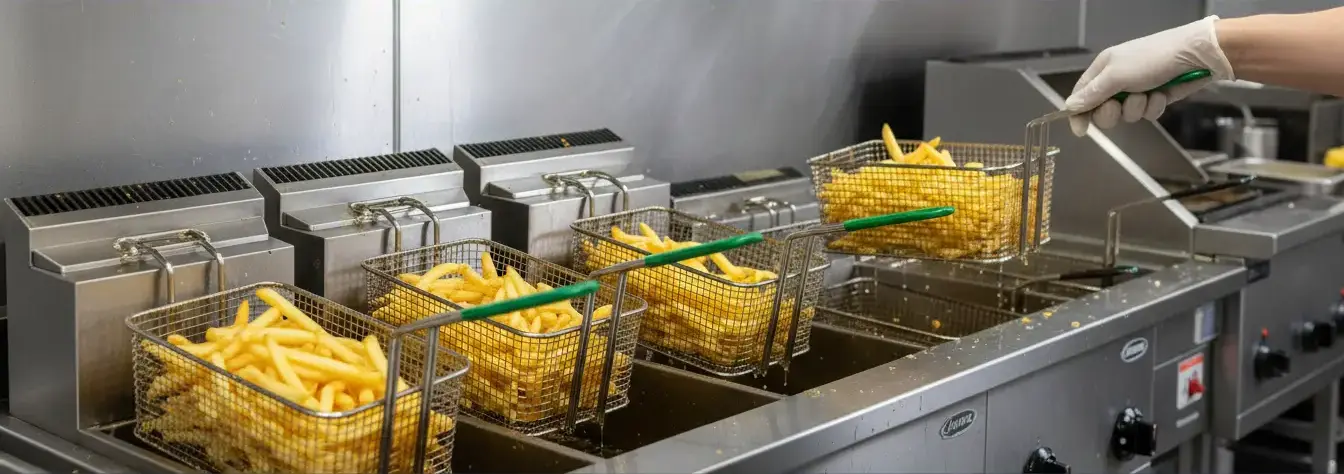
Find the Best Used Cooking Oil Collection Companies for Your Business
No obligation • Fast responses • Nationwide coverage

Why you can trust Restaurant Waste Disposal
Restaurant Waste Disposal is a leading U.S. resource for comparing restaurant composting, food-waste recycling, grease trap cleaning, and used cooking oil collection services. Our editorial team researches providers, checks credentials, and organizes unbiased information so operators can make informed decisions. Companies cannot pay to change ratings or placement.
Search providers near you
Top Used Cooking Oil Collection Companies in Norwalk, California Ranked
For restaurants and food service businesses in Norwalk, managing used cooking oil (UCO) is a critical operational and environmental responsibility. Proper disposal of this waste stream is not just a best practice-it's a legal requirement governed by state and local regulations designed to protect public infrastructure and the environment. By partnering with a licensed hauler, establishments can ensure compliance, enhance safety, and contribute to a circular economy where waste oil is transformed into valuable biodiesel. This guide outlines the essential steps, rules, and benefits of establishing a reliable UCO management program in Norwalk.
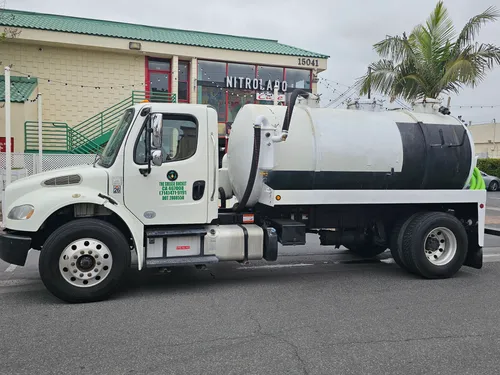
The Grease Bucket
Los Angeles, CA
The Grease Bucket provides grease trap cleaning and used cooking oil collection services in Los Angeles, CA. They serve restaurants across Orange County, Los Angeles, San Bernardino, and the Inland Empire area. The company schedules regular collection intervals to prevent overflows and maintains grease interceptors to avoid drain clogs and odors. They recycle used cooking oil into renewable resources, supporting environmental sustainability. The Grease Bucket has been serving customers for over six years and offers emergency pickups when needed during normal business hours.
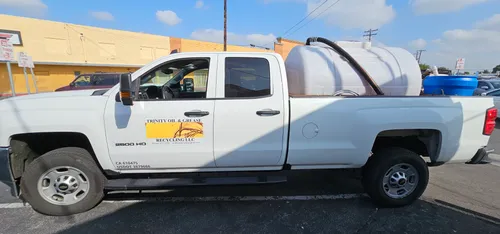
Trinity Oil & Grease Recycling
Los Angeles, CA
Trinity Oil & Grease Recycling provides used cooking oil collection and grease trap cleaning services in Los Angeles, CA. They offer on-call and scheduled pickups with 24-hour availability across Los Angeles County, Orange County, and Ventura County. Their services include recovery, transportation, disposal, and recycling of kitchen oil and grease, along with high-pressure washing for grease spills and property cleanliness. They supply grease and oil storage containers ranging from 15 to 200 gallons with no minimum amount required for collection. Trinity Oil & Grease Recycling also provides manifest reports as proof of collection to help clients maintain compliance with health and wastewater regulations.
The Grease Company
1116 N Harbor Blvd, Santa Ana, CA 92703
The Grease Company provides grease trap cleaning, repair, and used cooking oil collection services in Los Angeles, CA. They specialize in maintaining commercial kitchen grease traps to prevent clogs and ensure compliance with sanitation regulations. Their capabilities include hydro jetting and environmentally responsible cooking oil disposal. With 12 years of experience, The Grease Company is licensed to serve Southern California and offers transparent pricing and free quotes.
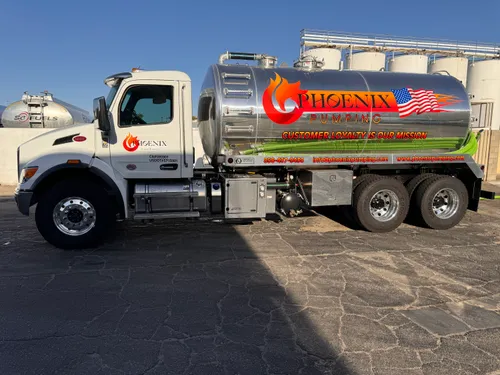
Phoenix Pumping LLC
3131 E Palmyra Ave, Orange, CA 92869
Phoenix Pumping LLC offers cooking oil recycling and grease trap cleaning services in Los Angeles, CA, extending coverage to Southern California counties as well as Arizona and Nevada. The company serves large restaurant chains and facilities with multiple kitchens, providing licensed grease trap cleaning including large outdoor installations. With over a decade of experience, Phoenix Pumping transforms used cooking oil into renewable diesel with a significantly lower carbon footprint. They provide 24/7 availability and a single point of contact for all service needs.
Skyline Grease Services
Los Angeles, CA
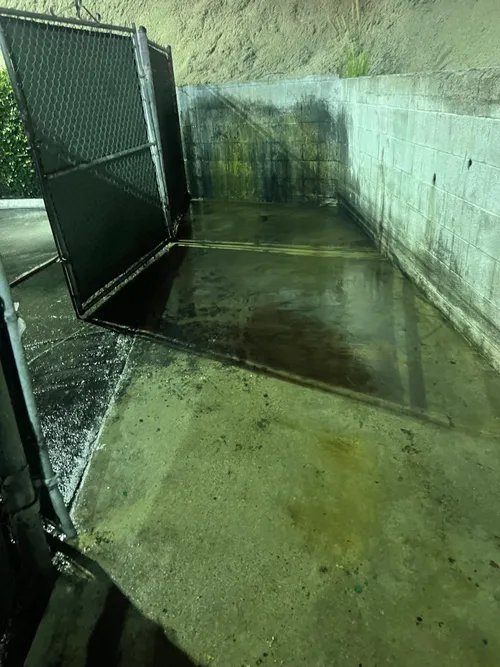
Skyline Grease Services provides used cooking oil collection and grease trap cleaning in Los Angeles, CA. They handle grease trap maintenance and oil collection to support local businesses in managing waste effectively.
Understanding the Regulations for Oil Disposal
In California, used cooking oil is classified as a hazardous waste, and its handling is strictly regulated. For Norwalk businesses, this means you cannot dispose of UCO in the regular trash, pour it down drains, or manage it without proper documentation. The primary rule is that collection must be performed by a state-licensed hauler. These regulations are enforced to prevent sewer blockages and environmental contamination from fats, oils, and grease (FOG). Non-compliance can result in significant fines and legal liability. Keeping detailed records of your hauler's services and licenses is a fundamental part of demonstrating compliance during inspections.
Key Prohibitions and Requirements
- Mandatory Recycling: UCO is banned from landfills and must be recycled.
- Licensed Haulers Only: Collection must be handled by companies permitted by the California Department of Resources Recycling and Recovery (CalRecycle) and other relevant agencies 1.
- Grease Trap Maintenance: While separate from UCO collection, properly sized and maintained grease interceptors are legally required to manage FOG from wastewater, and they must be serviced regularly.
- No Mixing or Dumping: It is illegal to mix used oil with solid waste or to dump it into sewers, storm drains, or onto the ground.
Best Practices for On-Site Storage and Handling
Safe and compliant storage begins the moment oil is drained from the fryer. Proper protocols protect your staff, prevent accidents, and ensure the oil remains high-quality for recycling, which can impact the financial terms of your service.
Cooling and Transfer: Always allow oil to cool below 120°F before handling or transferring it to storage containers to prevent severe burns and fire hazards 2. Use dedicated, clean utensils and funnels to avoid cross-contamination.
Container Specifications: Store UCO in dedicated, sealable containers provided by or approved by your hauler. These are typically heavy-duty metal drums or specially designed plastic bins with tight-sealing lids to prevent leaks and spills 3. Containers must be clearly labeled as "Used Cooking Oil" or "Waste Oil."
Storage Location: Place containers in a well-ventilated, accessible area on a paved, level surface. The storage zone should be away from floor drains, storm drains, and ignition sources. It must be easily accessible for hauler pickup trucks, which often use a lift-gate system to empty bins 4. Keeping the area clean and free of debris minimizes pest attraction and slip hazards.
The Collection and Recycling Process Explained
Establishing a routine with a licensed provider turns a waste product into a resource. The process is straightforward but relies on consistent partnership.
- Storage: Your staff collects cooled UCO in the approved on-site containers.
- Scheduled Pickup: Your hauler arrives on a regular schedule (e.g., weekly, bi-weekly) or on-call basis. They will service your grease trap separately from your UCO collection, as these are different waste streams.
- Collection: The hauler's operator uses a pump system to transfer the oil from your containers into their specialized tank truck.
- Transportation & Processing: The collected oil is transported to a rendering or recycling facility. There, it undergoes filtration and processing to remove food particles and water.
- Transformation: The purified oil is then sold as a raw material for the production of biodiesel, a renewable fuel, or other industrial products 5.
- Documentation: You should receive a service receipt or manifest for each pickup. Retain these records as proof of compliant recycling for regulatory audits 6.
Find the perfect used cooking oil collection companies for your needs
Get personalized recommendations and expert advice
Financial Considerations: Costs, Rebates, and Value
The economics of UCO collection are not one-size-fits-all; they are primarily driven by volume and quality. Many restaurants operate under a service agreement where the cost of pickup is covered by the value of the oil itself.
- Free Pickup Services: It is common for haulers to provide collection bins and regular pickups at no direct charge to the restaurant, as they generate revenue by selling the recycled oil to biofuel producers.
- Rebate Programs: For establishments generating large, consistent volumes of clean oil, rebate programs may be available. Payments can vary widely based on market prices for feedstock.
- Quality-Based Pricing: The market value hinges on purity. Clean, well-filtered oil from a single source (like a fryer) is most valuable. Oil that is contaminated with water, food debris, or other materials requires more processing and is less valuable; in some cases, contamination can even lead to disposal fees 7.
- Understanding Rates: While specific contracts are private, industry guides note that payments to generators can range from a few cents per gallon for moderate volumes to significantly higher rates for premium, high-volume streams 8. The key is to discuss your specific operation's output and oil quality with potential service providers.
Choosing a Service Provider in Norwalk
Selecting the right partner is crucial for seamless operations. Look for a provider with a strong local presence and a reputation for reliability.
Essential Selection Criteria:
- Proper Licensing: Verify the hauler holds all required California state licenses for hazardous waste transportation and recycling.
- Service Reliability: Consistent, on-time pickups are essential to avoid overflow and compliance issues.
- Container Provision: Ensure they supply appropriate, durable storage containers and maintain them.
- Clear Contract Terms: Understand the service agreement, including pickup frequency, emergency service options, and any potential fees or rebate structures.
- Environmental Commitment: Partner with a company that transparently recycles 100% of the collected oil into biodiesel or other sustainable products.
Several established, licensed providers service the Norwalk and greater Los Angeles area, including companies like Baker Commodities, Mahoney Environmental, and The Grease Company (TGC) 9 10 11. It is advisable to get quotes and service details from multiple providers to find the best fit for your business's size and needs.
Frequently asked questions
Sources
Footnotes
-
Used Cooking Oil Regulations for Food Service Businesses - https://bakercommodities.com/blog/2024/02/08/legal-requirement-used-cooking-grease/ ↩
-
Used Cooking Oil Disposal: Complete Guide to Grease Pickups - https://greaseconnections.com/used-cooking-oil-disposal-guide-grease-pickups/ ↩
-
Used Cooking Oil Collection Norwalk - Pick Up & Recycling. - https://www.greasemanagement.org/oilcollectionnorwalk.html ↩
-
Cooking Oil Collection & Grease Recycling Service - https://thegreasecompany.com/oilcollection.html ↩
-
Used Cooking Oil (UCO) Collection Service For Restaurants - https://thegreasecompany.com/blog/restaurant-used-cooking-oil-collection/ ↩
-
FAQs for Used Oil Collection Centers - https://dtsc.ca.gov/faqs-for-used-oil-collection-centers/ ↩
-
Used Cooking Oil Pricing & Business Guide - Grease Connections - https://greaseconnections.com/used-cooking-oil-pricing-guide/ ↩
-
Restaurant Used Cooking Oil: Disposal, Recycling & Revenue Guide - https://greaseconnections.com/restaurant-used-cooking-oil-disposal-recycling-revenue-guide/ ↩
-
Restaurant Grease Pick Up and Disposal Services in Los Angeles, CA - https://www.mahoneyes.com/fryer-oil-disposal-recycling-los-angeles-ca/ ↩
-
Grease & Used Cooking Oil Collection - https://bakercommodities.com/services/grease-collection/ ↩
-
Used Cooking Oil Collection - TGC - The Grease Company - https://usedoil.org/used-cooking-oil-collection/ ↩