
Find the Best Used Cooking Oil Collection Companies for Your Business
No obligation • Fast responses • Nationwide coverage

Why you can trust Restaurant Waste Disposal
Restaurant Waste Disposal is a leading U.S. resource for comparing restaurant composting, food-waste recycling, grease trap cleaning, and used cooking oil collection services. Our editorial team researches providers, checks credentials, and organizes unbiased information so operators can make informed decisions. Companies cannot pay to change ratings or placement.
Search providers near you
Top Used Cooking Oil Collection Companies in Napa, California Ranked
For Napa's vibrant restaurant and food service industry, responsible management of used cooking oil (UCO) is a critical operational and environmental responsibility. Proper grease collection and recycling not only keep your kitchen compliant with strict local and state regulations but also transform a waste product into valuable biodiesel. This process protects Napa's sewer infrastructure from costly blockages and contributes to a more sustainable local economy. By partnering with a licensed hauler, you ensure this material is handled safely and legally, often turning a disposal challenge into a potential source of rebates.
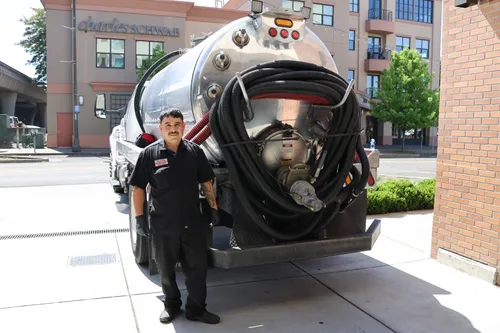
North Bay Restaurant Services
437 W 9th St, Santa Rosa, CA 95401
North Bay Restaurant Services in Santa Rosa, CA, has provided kitchen maintenance solutions for nearly 30 years. They serve Bay Area restaurants with services including NFPA-96 hood cleaning, grease trap pumping, interceptor maintenance, hydrojetting, and used cooking oil recycling. Their custom equipment and trained technicians help keep kitchens clean, compliant, and inspection-ready. The company supports a range of clients from neighborhood cafés to Michelin-starred restaurants, ensuring grease traps meet local FOG compliance standards.
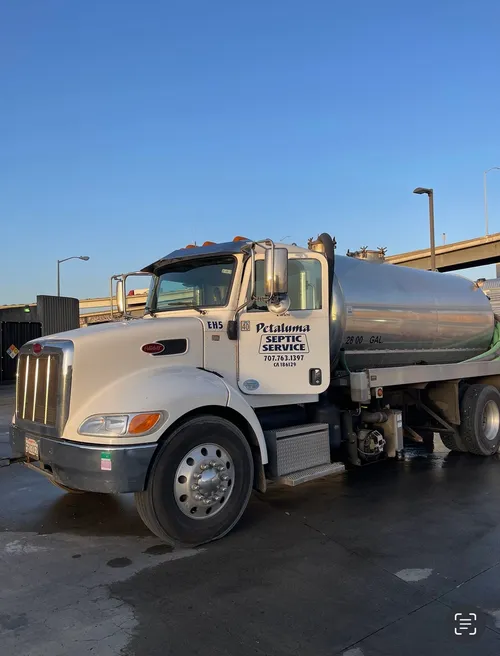
Environmental Pump Services
Petaluma, CA 94952
Environmental Pump Services is a family-owned company based in Petaluma, CA, specializing in grease trap cleaning, used cooking oil collection, septic tank pumping, and winery waste removal. Serving Sonoma, Marin, and Napa Counties, they focus on environmentally responsible disposal by recycling waste into alternative energy sources such as biodiesel and methane gas. Established in 2007, the company brings over 30 years of combined industry experience to its services.
Why Proper Grease Management is Essential in Napa
In Napa, as throughout California, used cooking oil is classified as a Fats, Oils, and Grease (FOG) waste. When improperly disposed of, FOG is a leading cause of sewer blockages, which can lead to sanitary sewer overflows (SSOs) that are harmful to the environment and public health. To prevent this, Napa restaurants and commercial kitchens are bound by specific FOG control ordinances and state laws. Compliance isn't just about avoiding fines; it's about being a responsible steward in a community renowned for its environmental consciousness and natural beauty. Effective UCO management is a key part of operating a sustainable food service business in the Napa Valley.
Legal and Environmental Obligations
California law and local Napa codes mandate that food service establishments must properly store and dispose of all used cooking oil and grease. Pouring oil or grease down sinks, floor drains, or storm drains is strictly illegal and can result in significant penalties. These regulations are enforced to protect the municipal sewer system. Furthermore, businesses must use storage containers and grease interceptors that meet specific standards and must only employ licensed haulers for removal and recycling. Adhering to these rules helps prevent environmental contamination and maintains the integrity of local water systems.
Step-by-Step: The Used Cooking Oil Collection Process
Implementing a reliable UCO collection system streamlines your kitchen operations and ensures compliance. The process is straightforward when you understand the key steps.
-
Proper On-Site Storage: The first line of defense begins in your kitchen. Used fryer oil and other grease waste should be collected in dedicated, sealed containers. Regulations typically require these to be made of non-reactive materials like stainless steel, with tight-fitting lids, and clearly labeled. Containers should be stored in a secure, cool area, away from public view and potential contaminants like water, which can degrade the oil's value.
-
Scheduling Professional Pickup: You cannot simply throw a container of oil in the trash. Napa restaurants must contract with a licensed grease hauler or transporter registered with the California Department of Food and Agriculture (CDFA) 1 2. These providers, such as North Bay Restaurant Services or Baker Commodities, will establish a regular pickup schedule-whether weekly, bi-weekly, or monthly-based on your volume. Many offer automated scheduling and service tracking for convenience.
-
Hauler Collection & Transportation: On the scheduled day, the licensed hauler will arrive to safely pump or remove the full containers of used oil. They will replace them with clean, empty containers if you are using a provided system. The hauler's vehicles are specially designed to transport this material without spills or leaks.
-
Recycling into New Products: The collected oil is not taken to a landfill. It is transported to a recycling facility where it is filtered, cleaned, and processed. The primary end product is biodiesel, a renewable, cleaner-burning fuel. This circular economy model ensures the grease from Napa's kitchens helps power vehicles and reduce fossil fuel dependence 3.
Best Practices for Storage and Handling
Maximizing safety, compliance, and the value of your used oil starts with excellent in-house practices.
- Use Approved Containers: Always store UCO in sturdy, leak-proof containers designed for the purpose. Avoid reactive metals and ensure lids seal tightly to prevent odors, pests, and contamination.
- Practice Dry Cleanup: Before washing, scrape all food solids from pots, pans, and kitchen tools into a compost or trash bin. Use paper towels or absorbent pads to wipe down greasy surfaces and under fryer baskets. This minimizes the amount of grease entering your plumbing and keeps your collected oil cleaner 4.
- Maintain Grease Interceptors: If your establishment has a grease trap or interceptor (often required by code), it must be regularly maintained and pumped by a licensed service. This device captures grease before it enters the sewer line but does not replace the need for proper UCO container collection 5 6.
- Keep Oil Clean and Dry: The market value and recyclability of your used oil are highest when it is free of water and food debris. Water can cause the oil to spoil and complicate the recycling process, potentially reducing your rebate.
Find the perfect used cooking oil collection companies for your needs
Get personalized recommendations and expert advice
Understanding Costs and Potential Rebates
The financial model for used cooking oil collection is unique. For many restaurants, especially smaller-volume producers, the service can be free or even generate a small rebate. This is because the recycled oil has value as a feedstock for biodiesel.
Pricing structures are typically based on the volume and quality of oil you generate monthly. While rates vary by provider and market conditions, a general tiered model often applies:
- Low Volume (e.g., under 100 gallons per month): Pickup service is frequently offered at no charge, as the hauler's revenue comes from selling the aggregated recycled oil 7.
- Medium to High Volume (e.g., 100+ gallons per month): Establishments generating significant quantities may be eligible for a rebate per gallon collected. Rebates can range from a few cents to over 50 cents per gallon, depending on the current market for recycled oils and the quality of your material 8 9. Clean, well-handled oil commands a better price.
- Service Inclusions: Some providers enhance their value by including additional services, such as complimentary steam cleaning of your storage area with each pickup, to encourage cleanliness and safety 10.
It's important to discuss the specific pricing, rebate schedule, and contract terms directly with any service provider you are considering.
Finding a Licensed Collection Service in Napa
Choosing the right partner is crucial. You must select a hauler that is fully licensed and compliant with California state regulations for transporting used cooking oil. Look for providers who are transparent about their licensing, insurance, and recycling endpoints. Resources like the Napa Recycling and Waste Services website can offer local guidance and referrals to approved services 11. When evaluating companies, consider their service reliability, container provision, scheduling flexibility, and customer support. A good hauler acts as a partner in your compliance and sustainability efforts.
The Broader Impact: From Napa Kitchens to Clean Fuel
The used cooking oil collected from Napa restaurants doesn't just disappear. Its journey from fryer to fuel is a powerful example of industrial recycling. By converting this waste stream into biodiesel, the community reduces its demand for virgin petroleum, lowers greenhouse gas emissions, and supports a circular bio-economy. This local environmental contribution aligns perfectly with the Napa Valley's ethos of sustainability and preservation. Proper grease collection is a small operational step that carries a significant positive impact for the region.
Frequently asked questions
Sources
Footnotes
-
What Does The California Law Say About Used Cooking Oil Disposal? - https://www.grandnatural.com/blog/what-does-the-california-law-say-about-used-cooking-oil-disposal.html ↩
-
Navigating Legal Requirements for Used Cooking Oil Disposal - https://bakercommodities.com/blog/2024/02/08/legal-requirement-used-cooking-grease/ ↩
-
Used Cooking Oil (UCO) Collection Service For Restaurants - https://thegreasecompany.com/blog/restaurant-used-cooking-oil-collection/ ↩
-
Grease Handling and Storage - Union Sanitary District - https://unionsanitary.ca.gov/wp-content/uploads/2016/07/Grease_Handling_and_Storage.pdf ↩
-
Cooking Oil Collection & Grease Recycling Service - https://thegreasecompany.com/oilcollection.html ↩
-
Southern California Commercial Kitchen Cooking Oil recycling ... - https://thegreasecompany.com/blog/how-the-grease-is-protecting-you-by-recycling-cooking-oil/2/ ↩
-
Restaurant Used Cooking Oil: Disposal, Recycling & Revenue Guide - https://greaseconnections.com/restaurant-used-cooking-oil-disposal-recycling-revenue-guide/ ↩
-
Used Cooking Oil Pricing & Business Guide - Grease Connections - https://greaseconnections.com/used-cooking-oil-pricing-guide/ ↩
-
Used Cooking Oil Disposal: Complete Guide to Grease Pickups - https://greaseconnections.com/used-cooking-oil-disposal-guide-grease-pickups/ ↩
-
Used Cooking Oil Collection & Recycling - North Bay Restaurant Services - https://northbayrestaurantservices.com/used-cooking-oil-collection-recycling-bay-area/ ↩
-
Cooking Grease & Oil - Napa Recycling - https://naparecycling.com/guide/cooking-grease-oil/ ↩