
Find the Best Used Cooking Oil Collection Companies for Your Business
No obligation • Fast responses • Nationwide coverage

Why you can trust Restaurant Waste Disposal
Restaurant Waste Disposal is a leading U.S. resource for comparing restaurant composting, food-waste recycling, grease trap cleaning, and used cooking oil collection services. Our editorial team researches providers, checks credentials, and organizes unbiased information so operators can make informed decisions. Companies cannot pay to change ratings or placement.
Search providers near you
Top Used Cooking Oil Collection Companies in Moreno Valley, California Ranked
For restaurants and food service businesses in Moreno Valley, managing used cooking oil (UCO) is a critical operational and environmental responsibility. Proper handling of this waste stream is not just a best practice-it's mandated by California law and local regulations. Effective UCO management involves secure storage, collection by licensed haulers, and documented recycling into valuable products like biodiesel. This process protects your business from severe fines, prevents costly sewer blockages, and can even turn a waste product into a potential revenue stream. Navigating these requirements ensures your establishment operates sustainably and in full compliance with Moreno Valley's waste management programs.
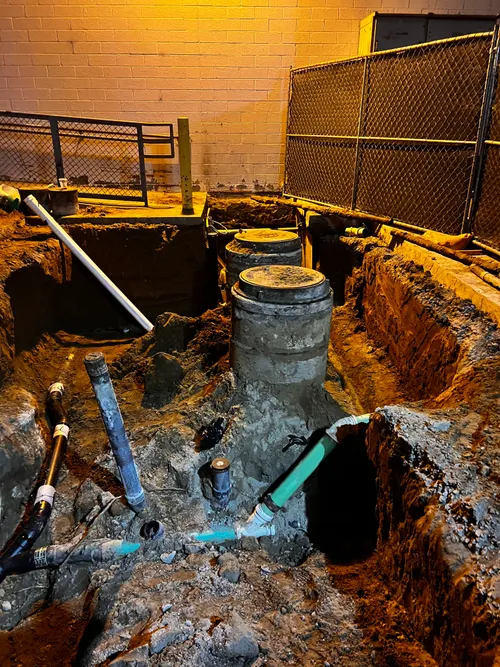
Grease Co of San Bernardino
1798 5th St, San Bernardino, CA 92411
Grease Co of San Bernardino provides grease trap cleaning, interceptor pumping, and used cooking oil collection services for food service establishments in Los Angeles, CA. Serving San Bernardino and Riverside counties, the company offers comprehensive grease waste management solutions including hydro jetting, grease trap repair, and spill cleanup. With nearly two decades of experience, they are licensed by the California Department of Food & Agriculture and provide 24/7 support to address urgent plumbing needs. Their used cooking oil collection service recycles waste oil into biodiesel, promoting sustainability and regulatory compliance.
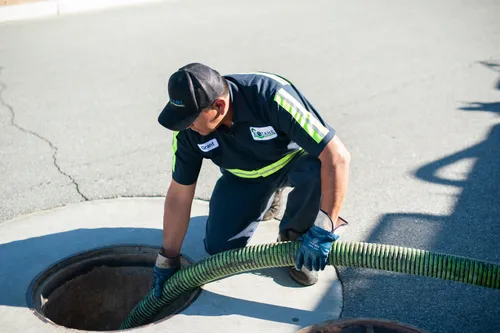
Co-West Commodities, by Denali
2586 Shenandoah Way, San Bernardino, CA 92407
Co-West Commodities, by Denali, provides used cooking oil collection services in Los Angeles, CA. They serve a broad range of clients in the food service industry, including restaurants, schools, theme parks, and military bases throughout the Southwestern United States. Their services include equipment maintenance, waste disposal, and recycling with a focus on converting used cooking oil into renewable resources like biodiesel.
Greenway Recycling Services
5975 Jasmine St, Riverside, CA 92504
Greenway Recycling Services in Eastvale, CA specializes in used cooking oil collection and grease trap cleaning for restaurants and commercial kitchens. They provide eco-friendly cooking oil disposal, routine grease trap pumping, and advanced hot jetting services to maintain clean and efficient kitchen operations. The company focuses on recycling used cooking oil into renewable resources, supporting environmental sustainability. Greenway Recycling Services serves Southern California and offers hassle-free scheduling and prompt collection. Their hot jetting capability uses high-pressure water jets to clear drain lines and grease traps effectively.
J N Grease Services
25685 Sherman Rd, Romoland, CA 92585
J N Grease Services is based in Menifee, CA, and has been providing waste handling solutions and maintenance services for over 20 years. They serve a wide range of clients including small restaurants, large restaurant chains, food manufacturers, and supermarkets throughout Southern California. Their services include used cooking oil collection and grease trap cleaning, supporting businesses in maintaining operational efficiency. J N Grease Services emphasizes competitive pricing and attentive customer care to build long-term relationships.
Used Oil Recycling
2824 W St, San Bernardino, CA 92415
Used Oil Recycling is a company based in Los Angeles, CA that specializes in the collection of used cooking oil. They focus on environmentally responsible oil recycling services to support sustainable waste management in the area.
Understanding Moreno Valley's Regulations for Oil Disposal
In Moreno Valley, as in all of California, used cooking oil is classified as a hazardous waste. This designation comes with strict legal requirements for its handling. It is illegal to dispose of UCO by pouring it down drains, into dumpsters, or onto the ground. Such improper disposal can lead to severe sewer line blockages, environmental contamination, and attract significant penalties from the city and regional water quality boards. The City of Moreno Valley actively supports businesses in complying with these rules through its commercial recycling programs, often in partnership with local service providers.
The cornerstone of compliance is using a licensed grease hauler for collection. These professionals are registered with the state and provide necessary documentation, such as manifests, that prove your oil was legally collected and recycled. Maintaining these records is essential for demonstrating due diligence during inspections.
Best Practices for On-Site Storage and Handling
Safe and compliant storage is the first step in a proper oil management program. Following these guidelines minimizes risks and prepares your oil for efficient collection:
- Use Approved Containers: Always store cooled UCO in dedicated, leak-proof containers with tight-sealing lids. These containers must be clearly labeled (e.g., "Used Cooking Oil") and constructed of durable material like metal or heavy-duty plastic 1.
- Secure the Location: Place storage containers on an impervious surface, such as concrete, and in a designated area away from storm drains, sanitary sewers, and food preparation zones. This prevents accidental spills from reaching the waterways 2.
- Consider Advanced Systems: For high-volume kitchens, investing in specialized equipment can streamline the process. Options include indoor collection tanks with direct piping from fryers, automated oil management systems, or heated outdoor bulk containers. These systems improve safety, reduce labor, and often yield cleaner oil, which can be more valuable 3.
- Never Mix Contaminants: Ensure that only pure cooking oil goes into the collection container. Mixing in water, food solids, or other liquids contaminates the batch, complicates recycling, and can turn a potential revenue source into a disposal cost.
The Professional Collection and Recycling Process
Once your oil is properly stored, the collection process begins. Licensed haulers will schedule regular pick-ups based on your volume. They use specialized trucks equipped with pumps and tanks to safely transfer the oil from your container. This professional service is crucial, as it includes the tracking and documentation required by law.
After collection, the oil is transported to a processing facility. Here, it undergoes filtration to remove food particles and water. The clean oil then enters the recycling phase, most commonly through a chemical process called transesterification, which converts it into biodiesel-a renewable, cleaner-burning fuel. Other byproducts from this process can be used in animal feed or industrial applications, ensuring nearly 100% of the material is recovered and repurposed 4. This circular economy model transforms a waste liability into a beneficial resource.
Find the perfect used cooking oil collection companies for your needs
Get personalized recommendations and expert advice
Financial Implications: Costs, Fees, and Revenue Potential
The financial aspect of used cooking oil collection in Moreno Valley operates on a spectrum. With proper management, your waste can become an asset.
- Generating Revenue: High-quality, clean used cooking oil has significant market value as a feedstock for biodiesel. Depending on market conditions, restaurants can earn between $2.40 and $3.60 per gallon for their clean oil, with premiums paid for oil that is well-filtered and free of contaminants 5 6. This revenue can offset collection service costs or even provide a modest income stream.
- Understanding Costs: If oil is heavily contaminated with water or food waste, it may incur a disposal fee instead of generating payment. The most significant costs, however, are penalty-based. Fines for illegal dumping or improper storage can run into thousands of dollars, far outweighing any service fee or lost revenue.
- City Assistance: The City of Moreno Valley offers resources to help local businesses manage costs. Their business waste programs, facilitated through partners like Waste Management of the Inland Empire, can provide guidance and services to ensure compliant and cost-effective recycling 7.
Finding and Working with a Licensed Service Provider
Choosing the right partner is key to a successful oil management program. You must select a hauler licensed by the California Department of Resources Recycling and Recovery (CalRecycle) for grease transportation.
- Verify Licensing: Always ask for proof of a valid California registration. You can also search for licensed transporters through state resources like the CalFOG website 8.
- Review Service Details: Discuss pickup frequency, container provisioning, and emergency response protocols. Ensure they provide detailed manifests or certificates of recycling after each collection.
- Leverage Local Resources: Contact the City of Moreno Valley's Public Works Department or visit their website for information on approved commercial recycling partners and potential program support. Established regional providers familiar with Inland Empire regulations can offer tailored solutions for Moreno Valley restaurants.
Implementing a robust used cooking oil collection system is a clear win for Moreno Valley businesses. It ensures regulatory compliance, protects plumbing and the local environment, supports the renewable energy sector, and optimizes operational economics. By partnering with a licensed hauler and adhering to best practices for storage, your kitchen can efficiently turn a routine waste task into a responsible and potentially profitable practice.
Frequently asked questions
Sources
Footnotes
-
Restaurant Grease Pick Up and Disposal Services in Los Angeles, CA - https://www.mahoneyes.com/fryer-oil-disposal-recycling-los-angeles-ca/ ↩
-
Southern California Commercial Kitchen Cooking Oil recycling ... - https://thegreasecompany.com/blog/how-the-grease-is-protecting-you-by-recycling-cooking-oil/2/ ↩
-
What Does The California Law Say About Used Cooking Oil ... - https://www.grandnatural.com/blog/what-does-the-california-law-say-about-used-cooking-oil-disposal.html ↩
-
What Restaurants Should Know About California Oil Disposal ... - https://startgreencommodities.com/post/restaurant-grease-trap-requirements ↩
-
Restaurant Used Cooking Oil: Disposal, Recycling & Revenue Guide - https://greaseconnections.com/restaurant-used-cooking-oil-disposal-recycling-revenue-guide/ ↩
-
Used Cooking Oil Pricing & Business Guide - Grease Connections - https://greaseconnections.com/used-cooking-oil-pricing-guide/ ↩
-
Waste: Business Programs - City of Moreno Valley - https://moval.gov/resident_services/waste/business-programs.html ↩
-
Grease Handling and Storage - Union Sanitary District - https://unionsanitary.ca.gov/wp-content/uploads/2016/07/Grease_Handling_and_Storage.pdf ↩