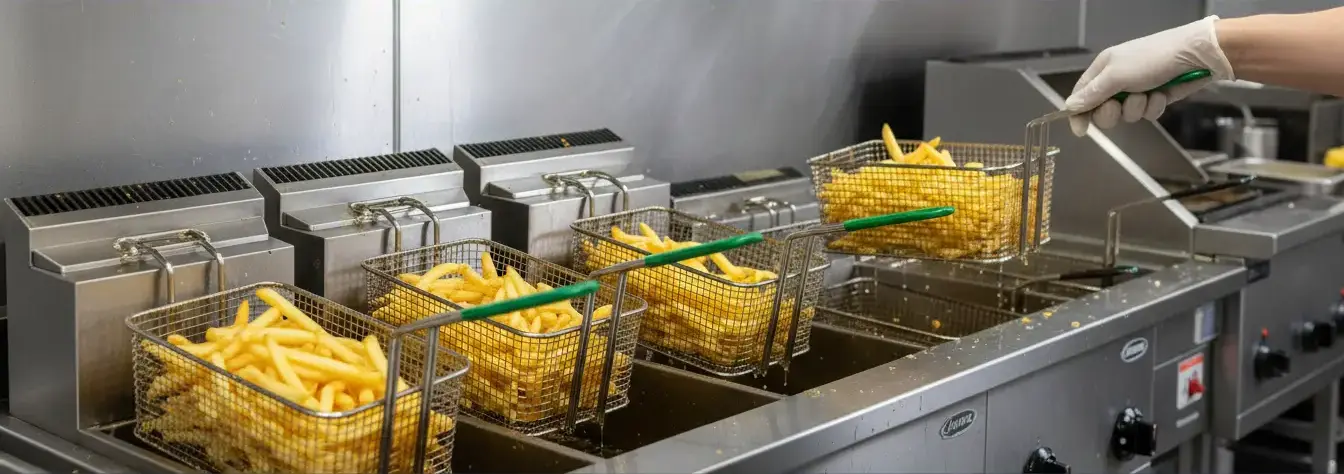
Find the Best Used Cooking Oil Collection Companies for Your Business
No obligation • Fast responses • Nationwide coverage

Why you can trust Restaurant Waste Disposal
Restaurant Waste Disposal is a leading U.S. resource for comparing restaurant composting, food-waste recycling, grease trap cleaning, and used cooking oil collection services. Our editorial team researches providers, checks credentials, and organizes unbiased information so operators can make informed decisions. Companies cannot pay to change ratings or placement.
Search providers near you
Top Used Cooking Oil Collection Companies in Monterey Park, California Ranked
For restaurants and food service businesses in Monterey Park, managing used cooking oil (UCO) is a critical operational and environmental responsibility. Proper disposal of this waste stream is not just about cleanliness; it's a regulated process that protects the city's sewer system and can even turn a cost center into a potential revenue source. Local ordinances require the use of licensed haulers for grease trap and UCO collection to prevent costly fines and environmental damage. By partnering with a certified provider, establishments can ensure compliant, efficient recycling of their oil, which is then transformed into valuable products like biodiesel.
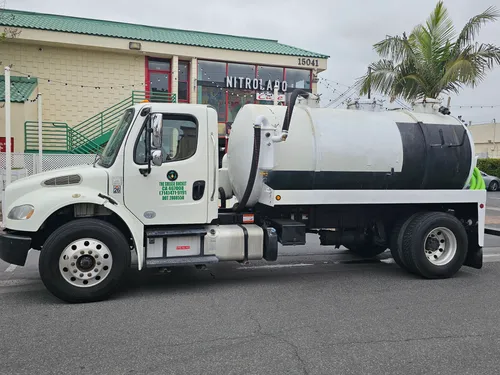
The Grease Bucket
Los Angeles, CA
The Grease Bucket provides grease trap cleaning and used cooking oil collection services in Los Angeles, CA. They serve restaurants across Orange County, Los Angeles, San Bernardino, and the Inland Empire area. The company schedules regular collection intervals to prevent overflows and maintains grease interceptors to avoid drain clogs and odors. They recycle used cooking oil into renewable resources, supporting environmental sustainability. The Grease Bucket has been serving customers for over six years and offers emergency pickups when needed during normal business hours.
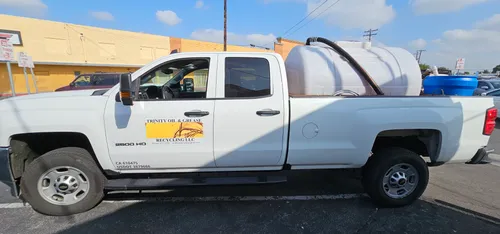
Trinity Oil & Grease Recycling
Los Angeles, CA
Trinity Oil & Grease Recycling provides used cooking oil collection and grease trap cleaning services in Los Angeles, CA. They offer on-call and scheduled pickups with 24-hour availability across Los Angeles County, Orange County, and Ventura County. Their services include recovery, transportation, disposal, and recycling of kitchen oil and grease, along with high-pressure washing for grease spills and property cleanliness. They supply grease and oil storage containers ranging from 15 to 200 gallons with no minimum amount required for collection. Trinity Oil & Grease Recycling also provides manifest reports as proof of collection to help clients maintain compliance with health and wastewater regulations.
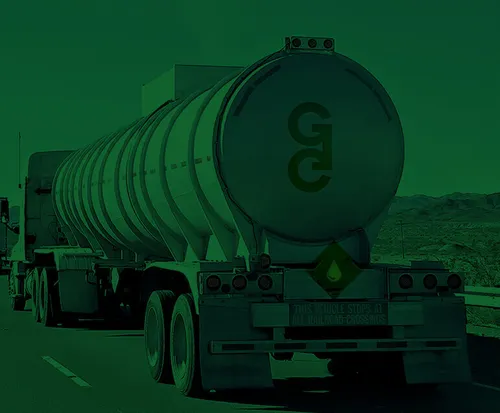
The Grease Company
1116 N Harbor Blvd, Santa Ana, CA 92703
The Grease Company provides grease trap cleaning, repair, and used cooking oil collection services in Los Angeles, CA. They specialize in maintaining commercial kitchen grease traps to prevent clogs and ensure compliance with sanitation regulations. Their capabilities include hydro jetting and environmentally responsible cooking oil disposal. With 12 years of experience, The Grease Company is licensed to serve Southern California and offers transparent pricing and free quotes.
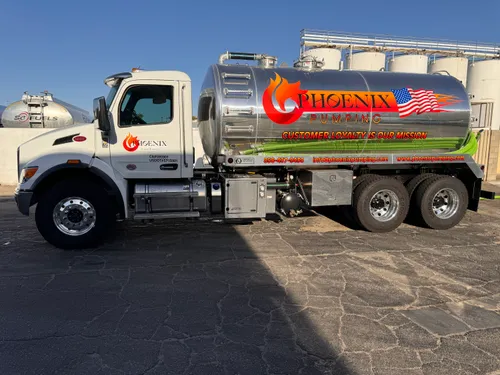
Phoenix Pumping LLC
3131 E Palmyra Ave, Orange, CA 92869
Phoenix Pumping LLC offers cooking oil recycling and grease trap cleaning services in Los Angeles, CA, extending coverage to Southern California counties as well as Arizona and Nevada. The company serves large restaurant chains and facilities with multiple kitchens, providing licensed grease trap cleaning including large outdoor installations. With over a decade of experience, Phoenix Pumping transforms used cooking oil into renewable diesel with a significantly lower carbon footprint. They provide 24/7 availability and a single point of contact for all service needs.
Skyline Grease Services
Los Angeles, CA
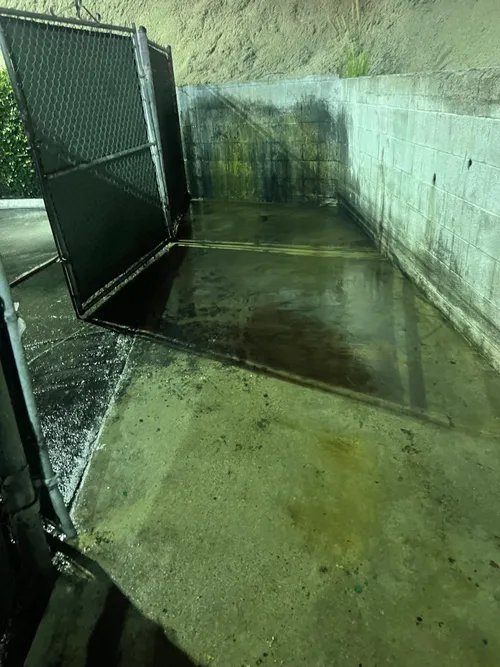
Skyline Grease Services provides used cooking oil collection and grease trap cleaning in Los Angeles, CA. They handle grease trap maintenance and oil collection to support local businesses in managing waste effectively.
Understanding Monterey Park's Regulations for Grease and Oil
Navigating local rules is the first step to compliant and efficient oil recycling. The City of Monterey Park enforces specific guidelines to manage Fat, Oil, and Grease (FOG) to protect wastewater infrastructure.
- Mandatory Use of Licensed Haulers: Businesses must contract with a city-approved, state-licensed hauler for all used cooking oil and grease trap waste collection1. Using unlicensed services can result in significant penalties.
- Proof of Service: Restaurants are required to maintain and provide documentation or proof of regular collection services. This paperwork is often necessary to satisfy inspections by the city's wastewater department and avoid citations.
- Source Separation: Used fryer oil must be kept separate from solid trash and other organic waste streams. Commingling can lead to contamination and make the oil unfit for high-value recycling.
Best Practices for On-Site Storage and Handling
Proper handling before pickup is essential for safety, compliance, and maximizing the value of your used oil. Following these protocols minimizes risks and maintains oil quality.
- Use Approved Containers: Oil should be stored in covered, non-reactive containers, such as those made from stainless steel, with tight-fitting lids. This prevents leaks, odors, and contamination.
- Ideal Storage Conditions: Containers should be kept in a cool, dark place. Excessive heat and light can accelerate spoilage, reducing the oil's quality and potential rebate value.
- Prevent Contamination: Ensure that water, food particles, and other waste do not enter the storage container. Clean oil is more valuable and easier to recycle into higher-grade products like biofuel2.
Collection Systems and Service Options
Service providers offer various solutions to fit different kitchen volumes and layouts. The right system can streamline operations and reduce labor.
- Collection Bins & Drums: The most common solution involves the hauler providing durable, covered outdoor bins or drums in various sizes (e.g., 50-300 gallons). These are serviced on a regular schedule-weekly, bi-weekly, or as needed.
- Direct Connection & Indoor Tanks: For high-volume establishments, systems that pipe used oil directly from fryers to larger indoor storage tanks or outdoor containers are available. These "Direct Connection" systems minimize manual handling and improve kitchen safety and cleanliness.
- On-Site Filtering: Some advanced systems include filtering at the point of collection, which helps maintain oil quality in fryers longer and ensures only pure oil is sent for recycling.
The Recycling Journey: From Fryer to Fuel
Ever wonder what happens to your used oil after it's picked up? This waste product embarks on a transformative journey that supports the circular economy.
The collected oil is transported to a processing facility where it undergoes cleaning and purification to remove food particles and water. The refined oil is then primarily used as a feedstock for producing biodiesel, a renewable fuel that powers vehicles and equipment with a lower carbon footprint 3. Alternatively, it can be processed into industrial lubricants, such as oil for sewing machines, or become an ingredient in animal feed supplements and oleochemicals 3. This process ensures that a waste product is diverted from landfills and sewers, creating valuable renewable resources.
Cost Structure and Potential Financial Benefits
A major advantage of modern used cooking oil collection is its favorable financial model for restaurants.
- Typically Free Collection: In most cases, the collection service itself is provided at no charge. The recycling company profits from the sale of the processed oil to biofuel or industrial manufacturers.
- Potential for Revenue: If your restaurant generates a consistent volume of high-quality, uncontaminated oil, you may qualify for a rebate program. These rebates can range from $0.10 to over $0.65 per gallon, potentially turning a disposal cost into a modest income stream or offsetting other operational expenses4 5.
- Avoiding Costly Fines: The most significant financial benefit is compliance. Proper management through a licensed hauler helps avoid severe penalties for sewer line blockages, expensive emergency grease trap pumping, and environmental violations.
Find the perfect used cooking oil collection companies for your needs
Get personalized recommendations and expert advice
Finding and Setting Up Service with a Licensed Hauler
Getting started with compliant oil collection is a straightforward process. The City of Monterey Park's official website is a primary resource for information on local waste management requirements6 7. To find an approved provider, you can contact the city directly or reach out to established, licensed grease recyclers that service the Los Angeles County area, such as Mahoney Environmental or The Grease Company8 9 10. When selecting a provider, discuss your volume, preferred pickup schedule, and available system options (bins vs. direct connect) to find the best fit for your business operations.
Frequently asked questions
Sources
Footnotes
-
Cooking Oil Collection & Grease Recycling Service - https://thegreasecompany.com/oilcollection.html ↩
-
Used Cooking Oil (UCO) Collection Service For Restaurants - https://thegreasecompany.com/blog/restaurant-used-cooking-oil-collection/ ↩
-
What happens with the used oil from restaurants and fast-food ... - https://www.quora.com/What-happens-with-the-used-oil-from-restaurants-and-fast-food-chains-Is-there-any-sort-of-recycling ↩ ↩2
-
FOG - Fat, Oil, and Grease | Monterey Park, CA - Official Website - https://www.montereypark.ca.gov/1686/FOG---Fat-Oil-and-Grease ↩
-
Restaurant Used Cooking Oil Recycling & Disposal Guide - https://greaseconnections.com/restaurant-used-cooking-oil-disposal-recycling-revenue-guide/ ↩
-
How to Recycle | Monterey Park, CA - Official Website - https://www.montereypark.ca.gov/556/How-to-Recycle ↩
-
Solid Waste, Recycling, and Organics Waste - City of Monterey Park - https://www.montereypark.ca.gov/552/Solid-Waste-Recycling-and-Organics-Waste ↩
-
Restaurant Grease Pick Up and Disposal Services in Los ... - https://www.mahoneyes.com/fryer-oil-disposal-recycling-los-angeles-ca/ ↩
-
Used Cooking Oil Collection Service Monterey Park - https://www.greasemanagement.org/oilcollectionmontereypark.html ↩
-
Restaurant Grease Pickup & Commercial Cooking Oil Recycling - Mahoney - https://www.mahoneyes.com/services/ ↩