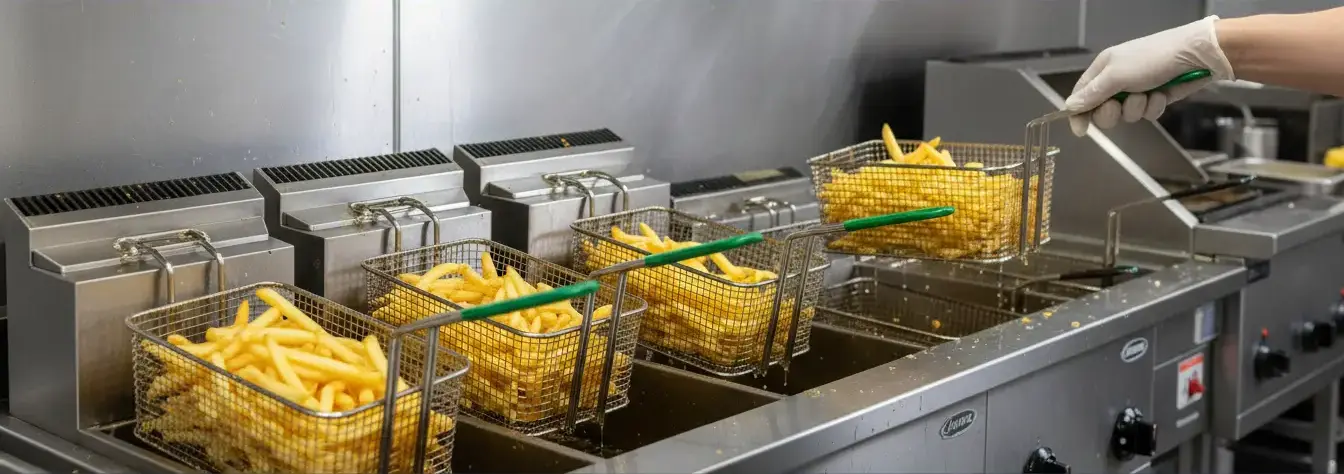
Find the Best Used Cooking Oil Collection Companies for Your Business
No obligation • Fast responses • Nationwide coverage

Why you can trust Restaurant Waste Disposal
Restaurant Waste Disposal is a leading U.S. resource for comparing restaurant composting, food-waste recycling, grease trap cleaning, and used cooking oil collection services. Our editorial team researches providers, checks credentials, and organizes unbiased information so operators can make informed decisions. Companies cannot pay to change ratings or placement.
Search providers near you
Top Used Cooking Oil Collection Companies in Mission Viejo, California Ranked
For restaurants and food service businesses in Mission Viejo, managing waste grease and used cooking oil (UCO) is a critical operational and environmental responsibility. Proper disposal of this material is not just about cleanliness; it's mandated by a combination of California state law and local regulations designed to protect sewer infrastructure and promote recycling. A compliant grease management program involves secure storage, collection by licensed haulers, and certified recycling into products like biodiesel. This guide outlines the essential steps for establishing a compliant and efficient used cooking oil collection system in Mission Viejo, helping your business avoid penalties and contribute to a circular economy.
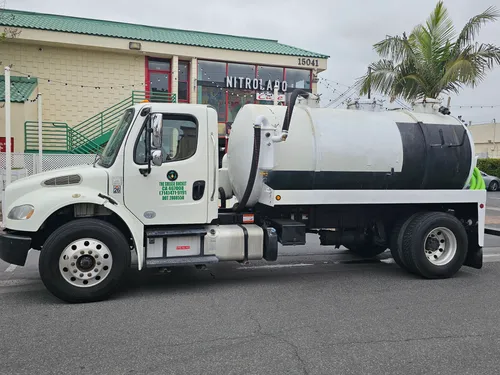
The Grease Bucket
Los Angeles, CA
The Grease Bucket provides grease trap cleaning and used cooking oil collection services in Los Angeles, CA. They serve restaurants across Orange County, Los Angeles, San Bernardino, and the Inland Empire area. The company schedules regular collection intervals to prevent overflows and maintains grease interceptors to avoid drain clogs and odors. They recycle used cooking oil into renewable resources, supporting environmental sustainability. The Grease Bucket has been serving customers for over six years and offers emergency pickups when needed during normal business hours.
The Grease Company
1116 N Harbor Blvd, Santa Ana, CA 92703
The Grease Company provides grease trap cleaning, repair, and used cooking oil collection services in Los Angeles, CA. They specialize in maintaining commercial kitchen grease traps to prevent clogs and ensure compliance with sanitation regulations. Their capabilities include hydro jetting and environmentally responsible cooking oil disposal. With 12 years of experience, The Grease Company is licensed to serve Southern California and offers transparent pricing and free quotes.
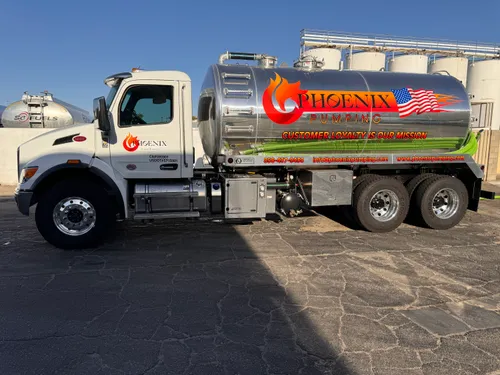
Phoenix Pumping LLC
3131 E Palmyra Ave, Orange, CA 92869
Phoenix Pumping LLC offers cooking oil recycling and grease trap cleaning services in Los Angeles, CA, extending coverage to Southern California counties as well as Arizona and Nevada. The company serves large restaurant chains and facilities with multiple kitchens, providing licensed grease trap cleaning including large outdoor installations. With over a decade of experience, Phoenix Pumping transforms used cooking oil into renewable diesel with a significantly lower carbon footprint. They provide 24/7 availability and a single point of contact for all service needs.
Grease Management Solutions GMS
1180 S Idaho St #A1, La Habra, CA 90631
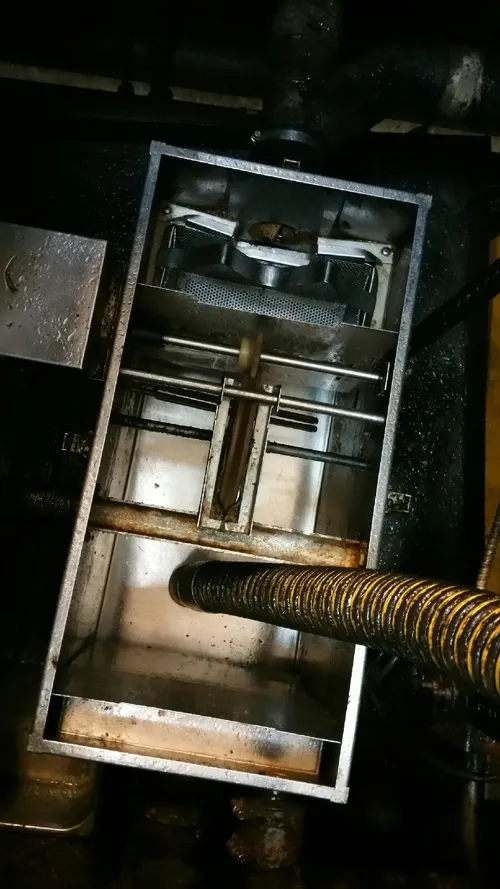
Grease Management Solutions GMS is a Southern California-based company serving Los Angeles, CA, that specializes in grease trap cleaning, used cooking oil collection, and grease system maintenance for commercial kitchens. They provide tailored services to food service businesses, including interceptor pumping and advanced drain cleaning, ensuring compliance with local health and safety regulations. Their team and subcontracted partners offer skilled maintenance and emergency support to prevent clogs, overflows, and odors. The company emphasizes environmental responsibility and provides detailed service records to meet inspection requirements.

Longview Environmental Company
Los Angeles, CA
Longview Environmental Company provides kitchen maintenance services in Los Angeles, CA, specializing in used cooking oil collection, grease trap cleaning, and hydro jetting for restaurants, hotels, ghost kitchens, and other food service businesses. Their licensed professionals manage the entire process of used cooking oil recycling and grease trap maintenance, ensuring compliance with environmental regulations. Hydro jetting is offered as an effective method to clear grease and debris from drain lines, helping prevent blockages and operational disruptions. The company emphasizes environmental sustainability by converting waste oil and grease into eco-friendly products.
Understanding Local and State Regulations
Navigating the regulatory landscape is the first step for any Mission Viejo food establishment. Compliance is non-negotiable and involves several key layers of law.
California SB 1383 and Organic Waste While California's landmark SB 1383 law primarily focuses on diverting food scraps and other organic waste from landfills, it sets a broader tone for waste management compliance statewide. The law mandates that businesses separate organic waste, which can include food-soiled paper and certain compostable materials. Although used cooking oil itself is not typically placed in the green organics cart, the law's enforcement mechanisms and emphasis on proper waste stream separation underscore the importance of having a documented, compliant system for all waste types, including grease and oil.
Grease Interceptor (Trap) Mandates A fundamental local requirement for restaurants is the installation and maintenance of a grease interceptor (or grease trap). These devices are designed to capture fats, oils, and grease (FOG) from wastewater before it enters the public sewer system. Preventing FOG from entering sewers is crucial to avoiding blockages, sewer overflows, and costly municipal repairs. Businesses are typically responsible for having these interceptors cleaned and serviced regularly, often every 4 to 8 weeks, by a licensed professional 1.
CDFA Certification for Haulers Perhaps the most critical regulation specific to used cooking oil is the requirement that any company collecting and transporting this material must be certified by the California Department of Food and Agriculture (CDFA). This certification ensures the hauler is legally permitted to handle, transport, and recycle waste grease. Partnering with a CDFA-certified collector is essential for your business to receive the proper documentation proving your oil was recycled legally, which you may need for regulatory audits.
Best Practices for Storage and On-Site Handling
Safe and compliant storage is the cornerstone of an effective used oil program. Proper handling protects your staff, your property, and the environment.
Using the Right Containers Used cooking oil must be stored in dedicated, leak-proof containers that are kept tightly sealed. Many collection service providers offer free, secure storage bins or tanks as part of their service agreement. These containers are specifically designed for this purpose, often featuring locking mechanisms to prevent unauthorized access, spills, and theft. Containers should be stored on an impervious surface, away from public view and storm drains, to contain any potential leaks.
Safe Handling Procedures Safety is paramount when dealing with hot oil. Always allow cooking oil to cool significantly before transferring it from fryers to storage containers, as oil can reach temperatures exceeding 600°F and cause severe burns 2. Never mix used cooking oil with water, chemicals, or other liquid wastes, as this contaminates the oil, making it unrecyclable and potentially creating hazardous conditions 3. Implementing clear, standardized procedures for your kitchen staff ensures safety and maintains the quality of the oil for recycling.
Preventing Theft and Spills Used cooking oil has become a commodity with value on the recycling market, making it a target for theft. Secure, locked bins provided by your hauler are the first line of defense. Additionally, maintaining a consistent pickup schedule so bins do not overfill reduces the risk of spills and removes the temptation for thieves. A good collection partner will work with you to determine the optimal pickup frequency based on your volume.
Find the perfect used cooking oil collection companies for your needs
Get personalized recommendations and expert advice
The Collection and Recycling Process
Turning your waste liability into a renewable resource involves a streamlined process from pickup to final product.
Working with Licensed Collection Partners Your business will contract with a licensed grease hauler who operates in the Mission Viejo area. Reputable providers, such as those certified by the CDFA, will handle all aspects of the logistics. This includes providing storage equipment, establishing a reliable pickup schedule (whether weekly, bi-weekly, or as needed), and physically collecting the oil. It's important to choose a partner with a strong local reputation for reliability and compliance.
Documentation and Proof of Recycling During each pickup, the hauler should provide you with a detailed manifest or receipt. This document is your legal proof of proper disposal and recycling, serving as a crucial record for compliance with state and local regulations 4. It will typically detail the date, volume collected, and the destination facility. Keeping these records on file is essential for demonstrating due diligence during any inspections or audits related to SB 1383 or other environmental rules.
From Waste to Resource: The Recycling Journey Once collected, the used cooking oil is transported to a processing facility. There, it undergoes filtration to remove food particles and other impurities. The cleaned oil is then a valuable feedstock for several industries. The primary end product is biodiesel, a renewable, cleaner-burning fuel alternative to petroleum diesel 5 6. It can also be processed into lubricants, animal feed supplements, or used in anaerobic digesters to produce biogas. This recycling process is a prime example of a circular economy, reducing reliance on fossil fuels and preventing environmental harm from improper disposal.
Evaluating Service Providers and Costs
Selecting the right collection service is a business decision that impacts your operations, compliance, and bottom line.
Understanding Service Models and Pricing Pricing for used cooking oil collection can vary. Common models include:
- Free Pickup with Revenue Share: For establishments generating high volumes of clean oil, some providers may offer free pickup and even share a portion of the revenue from the recycled commodity.
- Fee-Based Service: Smaller volume generators or those with contaminated oil may pay a service fee, which often covers the cost of the bin, regular pickups, and maintenance.
- Grease Trap Cleaning: Many full-service providers offer bundled packages that include both used oil collection and mandatory grease interceptor cleaning, which can simplify management and potentially reduce overall costs 7 8.
Costs typically depend on your oil volume, pickup frequency, and the level of service required. It's advisable to get quotes from several CDFA-certified providers to compare 9.
Key Provider Considerations When evaluating providers, look for:
- CDFA Certification: This is a mandatory baseline requirement 10.
- Local Reputation and Reliability: Choose a company with proven service in Orange County.
- Transparent Documentation: Ensure they provide detailed manifests for every collection.
- Equipment and Support: Check if they provide secure, well-maintained storage bins and responsive customer service.
- Environmental Commitment: Inquire about their recycling partners and the end products made from your oil.
Taking the First Step To ensure full compliance, start by contacting the City of Mission Viejo's Public Works department or your local waste hauler for the most current city-specific ordinances 11 12. Then, reach out to licensed grease recyclers operating in the area to discuss your needs, request a quote, and set up a compliant storage and collection system tailored to your business 13 14.
Frequently asked questions
Sources
Footnotes
-
What Does The California Law Say About Used Cooking Oil Disposal? - https://www.grandnatural.com/blog/what-does-the-california-law-say-about-used-cooking-oil-disposal.html ↩
-
Restaurant Oil Disposal: Explained - Eazy Grease - https://eazygrease.com/how-do-restaurants-get-rid-of-their-oil/ ↩
-
Used Oil Recycling Program - CalRecycle Home Page - CA.gov - https://calrecycle.ca.gov/usedoil/ ↩
-
Used Cooking Oil Collection / Pick Up & Recycling. - https://greasemanagement.org/usedoilcollection.html ↩
-
Used Cooking Oil (UCO) Collection Service For Restaurants - https://thegreasecompany.com/blog/restaurant-used-cooking-oil-collection/ ↩
-
What happens with the used oil from restaurants and fast-food ... - https://www.quora.com/What-happens-with-the-used-oil-from-restaurants-and-fast-food-chains-Is-there-any-sort-of-recycling ↩
-
Cooking Oil Collection & Grease Recycling Service - https://thegreasecompany.com/oilcollection.html ↩
-
THE GREASE COMPANY - GREASE MANAGEMENT SERVICES - GREASE WASTE & COOKING OIL REMOVAL - https://thegreasecompany.com/blog/ ↩
-
Used Cooking Oil Pickup vs Drop-Off - GreasePros Recycling - https://www.greaseprosrecycling.com/used-cooking-oil-pickup-vs-drop-off/ ↩
-
Navigating Legal Requirements for Used Cooking Oil Disposal - https://bakercommodities.com/blog/2024/02/08/legal-requirement-used-cooking-grease/ ↩
-
Recycling Legislation - City of Mission Viejo - https://www.cityofmissionviejo.org/departments/public-works/recycling-legislation ↩
-
Food Scrap Recycling Program FAQs | City of Mission Viejo - https://www.cityofmissionviejo.org/departments/public-works/food-scrap-recycling-program-faqs ↩
-
Used Cooking Oil Collection - TGC - The Grease Company - https://usedoil.org/used-cooking-oil-collection/ ↩
-
Mission Viejo Used Cooking Oil Collection - https://greasemanagement.org/oilcollectionmissionviejo.html ↩