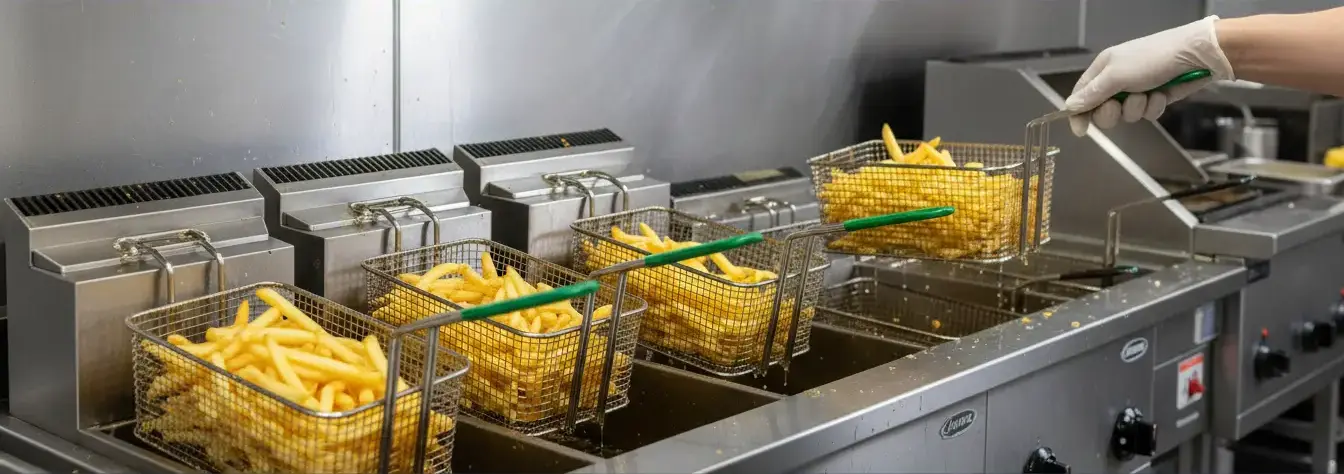
Find the Best Used Cooking Oil Collection Companies for Your Business
No obligation • Fast responses • Nationwide coverage

Why you can trust Restaurant Waste Disposal
Restaurant Waste Disposal is a leading U.S. resource for comparing restaurant composting, food-waste recycling, grease trap cleaning, and used cooking oil collection services. Our editorial team researches providers, checks credentials, and organizes unbiased information so operators can make informed decisions. Companies cannot pay to change ratings or placement.
Search providers near you
Top Used Cooking Oil Collection Companies in Madera, California Ranked
For restaurant owners and food service operators in Madera, managing used cooking oil (UCO) and fats, oils, and grease (FOG) is a critical operational and environmental responsibility. Proper grease collection and recycling are not just best practices but are mandated by California state law, specifically SB 1383, which requires businesses to divert organic waste from landfills. By partnering with a licensed hauler for scheduled UCO pickup, Madera establishments can ensure compliance, protect their plumbing and the municipal sewer system, and contribute to the circular economy by turning waste into biodiesel. This guide outlines the local regulations, processes, and benefits of establishing a reliable used cooking oil collection program.
Understanding Madera's FOG Regulations and Compliance
California's Short-Lived Climate Pollutant Reduction law (SB 1383) sets the stage for all organic waste management in the state, and Madera County actively participates in this mandatory program1. For restaurants, this means used cooking oil and grease are classified as organic waste that must be properly diverted. The City of Madera's specific Fats, Oils, and Grease (FOG) Program provides the local framework, designed to prevent sewer blockages and environmental damage.
Key compliance steps for Madera food service businesses include:
- Never Pouring Grease Down the Drain: Disposing of FOG into sinks or floor drains is a primary cause of sewer blockages (often called "fatbergs") and can lead to significant fines and repair costs for the business and the city2 3.
- Using Licensed Haulers: California law requires that used cooking oil be transported only by haulers licensed with the California Department of Food and Agriculture (CDFA). Verifying a provider's license is a crucial first step.
- Maintaining Grease Traps/Interceptors: Most food establishments are required to have and properly maintain a grease trap or interceptor. This device captures grease before it enters the wastewater stream, but it does not replace the need for separate used fryer oil collection 4.
- Proper On-Site Storage: Oil must be stored in designated, secure containers to prevent spills, pests, and theft, which we will cover in more detail next.
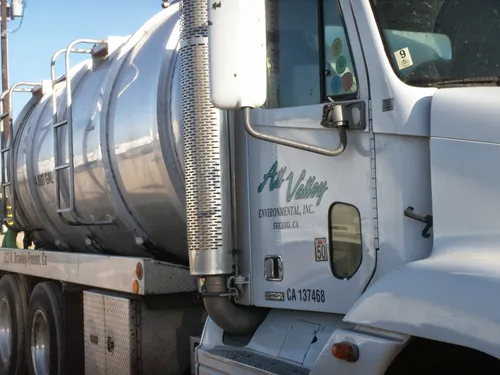
All Valley Environmental
523 N Brawley Ave Suite B, Fresno, CA 93706
All Valley Environmental is a grease trap cleaning and used cooking oil collection company based in Fresno, CA. Serving California for over 25 years, they specialize in grease trap cleaning to prevent blockages and odors in kitchen plumbing. They also provide eco-friendly used cooking oil collection and recycling services, promoting sustainability and reducing carbon footprints. Licensed by the California Department of Food and Agriculture, the company offers scheduled pickups and custom solutions to fit various business needs. Their service areas include the Central Valley, Bay Area, and Central Coast regions.

JD Services/Chip it Recycling
San Leandro, CA
JD Services/Chip it Recycling is a used cooking oil collection company based in San Leandro, CA. They specialize in collecting used cooking oil from various businesses to support recycling and proper disposal efforts.
Setting Up On-Site Storage for Used Cooking Oil
Effective and safe storage is the cornerstone of a smooth collection process. Once oil has cooled, it should be filtered (if possible) and transferred from fryers into a dedicated storage container. Most professional collection services, like those operating in Madera, provide these containers at no cost as part of their service 5.
The industry standard is a durable, non-reactive, and leak-proof container with a tight-fitting, locking lid. These locks are essential for security, preventing unauthorized access or tampering. Containers are typically placed in a designated, cool area, often outside the kitchen in a secure spot like a loading dock or fenced enclosure for easy access by collection trucks6 7. Proper storage not only keeps your premises clean but also ensures the oil remains uncontaminated, which can be a factor in the quality-based pricing or rebates offered by recyclers.
The Collection and Recycling Process: From Your Kitchen to Biodiesel
Understanding the journey of your used cooking oil can highlight the value of professional collection. The process is straightforward and designed for minimal disruption to your operations.
- Drain and Store: Kitchen staff drain cooled, used oil from fryers and other equipment into the provided locked container.
- Scheduled Pickup: On a pre-arranged schedule-whether weekly, bi-weekly, or monthly-a licensed hauler arrives to service your account. They will pump out or swap your full container with a clean, empty one, ensuring you never miss a beat during service hours.
- Transport and Processing: The collected oil is transported to a recycling facility. In California, a robust network exists to process this material.
- Transformation into Biodiesel: At the recycling facility, the used cooking oil is purified and converted into biodiesel, a renewable, cleaner-burning fuel for diesel engines 8. This process completes the sustainability loop, turning a waste product into a valuable resource.
Find the perfect used cooking oil collection companies for your needs
Get personalized recommendations and expert advice
Cost Structure and Potential Revenue from Used Oil
A common question from restaurant managers is about the cost of used cooking oil collection. The financial model is typically volume-based and depends heavily on the quality of the oil (specifically, its freedom from water and food solids). It's important to discuss the specifics with your provider, but general tiers exist9 10:
- Low Volume (e.g., under 100 gallons per month): Many providers offer free pickup and recycling services for smaller generators. This removes your disposal cost and ensures compliance without a fee, though a monetary rebate is unlikely at this volume.
- Medium Volume (e.g., 100-300 gallons per month): At this level, businesses often start to qualify for a small rebate, which can range from $0.10 to $0.25 per gallon collected. This can help offset operational costs.
- High Volume (e.g., over 300 gallons per month): Larger restaurants, institutional kitchens, or food processors generating significant volumes can negotiate higher rebates, potentially from $0.25 to over $0.65 per gallon11. For high-volume generators, this rebate can effectively cover the cost of disposal or even become a minor source of ancillary revenue.
Note: These figures are illustrative examples. Your actual costs or rebates will be determined by a service agreement with a local provider based on your specific output and oil quality.
Choosing a Service Provider in Madera
When selecting a partner for grease trap cleaning and used oil collection in Madera, due diligence is key. Start by confirming the company is a licensed hauler with the CDFA. Look for providers with a strong local presence and reliable service history. Examples of companies that service the area or provide relevant guidance include Grand Natural, The Grease Company, Grease Connections, and Baker Commodities. Reach out to a few providers to discuss your needs, request a quote, and confirm they are familiar with the City of Madera's specific FOG program requirements. A reputable provider will be transparent about their process, scheduling, and the financial terms of your agreement.
The Environmental and Community Impact
Beyond compliance and potential rebates, proper used cooking oil collection has a profound positive impact. By ensuring your oil is recycled into biodiesel, you are directly reducing greenhouse gas emissions compared to fossil fuel use and preventing pollution that occurs from improper disposal12. Furthermore, you are helping to protect Madera's municipal sewer infrastructure from costly blockages and overflows, which benefits the entire community. Establishing a responsible UCO management plan is a clear demonstration of your business's commitment to sustainability and good corporate citizenship.
Frequently asked questions
Sources
Footnotes
-
SB 1383 Organic Recycling | Madera County - https://www.maderacounty.com/government/public-works/solid-waste-management/sb-1383 ↩
-
Fats Oils and Grease (FOG) Program - City of Madera - https://www.madera.gov/media/fbjlcmlg/fats-oils-and-grease.pdf ↩
-
Used Cooking Oil Regulations for Food Service Businesses - https://bakercommodities.com/blog/2024/02/08/legal-requirement-used-cooking-grease/ ↩
-
Used Cooking Oil Collection / Pick Up & Recycling. - https://greasemanagement.org/usedoilcollection.html ↩
-
Used Cooking Oil Pickup vs Drop-Off-What's Best for Restaurants? - https://www.greaseprosrecycling.com/used-cooking-oil-pickup-vs-drop-off/ ↩
-
Used Cooking Oil Pickup and Recycling Services in Madera - https://www.grandnatural.com/locations/used-cooking-oil-recycling-in-madera.html ↩
-
Used Cooking Oil (UCO) Collection Service For Restaurants - https://thegreasecompany.com/blog/restaurant-used-cooking-oil-collection/ ↩
-
Cooking Oil Collection & Grease Recycling Service - https://thegreasecompany.com/oilcollection.html ↩
-
Restaurant Used Cooking Oil Recycling & Disposal Guide - https://greaseconnections.com/restaurant-used-cooking-oil-disposal-recycling-revenue-guide/ ↩
-
Used Cooking Oil Disposal: Complete Guide to Grease Pickups - https://greaseconnections.com/used-cooking-oil-disposal-guide-grease-pickups/ ↩
-
Used Cooking Oil Pricing & Business Guide - Grease Connections - https://greaseconnections.com/used-cooking-oil-pricing-guide/ ↩
-
Used Oil Recycling Program - CalRecycle Home Page - https://calrecycle.ca.gov/usedoil/ ↩