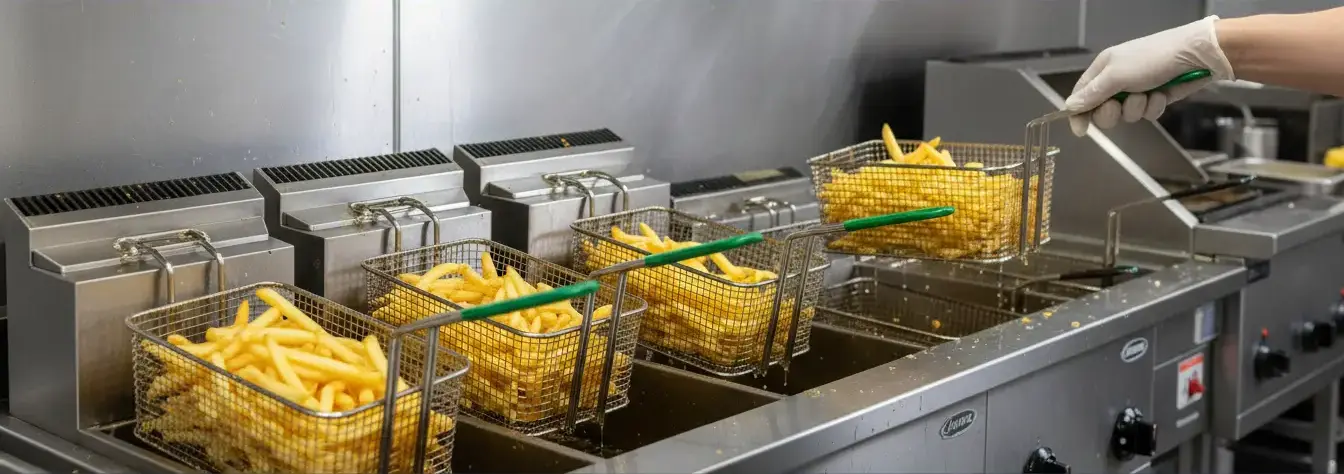
Find the Best Used Cooking Oil Collection Companies for Your Business
No obligation • Fast responses • Nationwide coverage

Why you can trust Restaurant Waste Disposal
Restaurant Waste Disposal is a leading U.S. resource for comparing restaurant composting, food-waste recycling, grease trap cleaning, and used cooking oil collection services. Our editorial team researches providers, checks credentials, and organizes unbiased information so operators can make informed decisions. Companies cannot pay to change ratings or placement.
Search providers near you
Top Used Cooking Oil Collection Companies in Lynwood, California Ranked
For restaurants and food service businesses in Lynwood, managing used cooking oil (UCO) is more than just a routine cleanup task-it's a critical component of regulatory compliance, environmental stewardship, and operational efficiency. Proper collection and recycling of this waste stream are mandated by California state law and local ordinances, designed to protect the city's sewer infrastructure and water quality. By partnering with a licensed hauler, Lynwood businesses can transform a waste product into valuable commodities like biodiesel, while avoiding significant fines and contributing to a cleaner community. This guide outlines the essential steps, legal requirements, and best practices for effective UCO management in Lynwood.
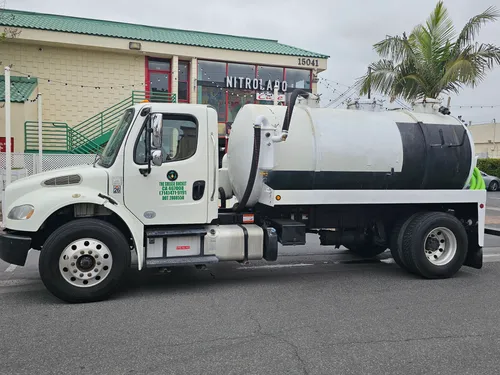
The Grease Bucket
Los Angeles, CA
The Grease Bucket provides grease trap cleaning and used cooking oil collection services in Los Angeles, CA. They serve restaurants across Orange County, Los Angeles, San Bernardino, and the Inland Empire area. The company schedules regular collection intervals to prevent overflows and maintains grease interceptors to avoid drain clogs and odors. They recycle used cooking oil into renewable resources, supporting environmental sustainability. The Grease Bucket has been serving customers for over six years and offers emergency pickups when needed during normal business hours.
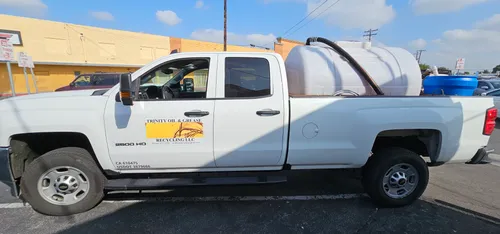
Trinity Oil & Grease Recycling
Los Angeles, CA
Trinity Oil & Grease Recycling provides used cooking oil collection and grease trap cleaning services in Los Angeles, CA. They offer on-call and scheduled pickups with 24-hour availability across Los Angeles County, Orange County, and Ventura County. Their services include recovery, transportation, disposal, and recycling of kitchen oil and grease, along with high-pressure washing for grease spills and property cleanliness. They supply grease and oil storage containers ranging from 15 to 200 gallons with no minimum amount required for collection. Trinity Oil & Grease Recycling also provides manifest reports as proof of collection to help clients maintain compliance with health and wastewater regulations.
The Grease Company
1116 N Harbor Blvd, Santa Ana, CA 92703
The Grease Company provides grease trap cleaning, repair, and used cooking oil collection services in Los Angeles, CA. They specialize in maintaining commercial kitchen grease traps to prevent clogs and ensure compliance with sanitation regulations. Their capabilities include hydro jetting and environmentally responsible cooking oil disposal. With 12 years of experience, The Grease Company is licensed to serve Southern California and offers transparent pricing and free quotes.
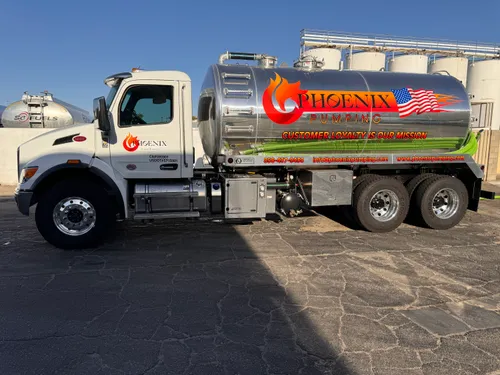
Phoenix Pumping LLC
3131 E Palmyra Ave, Orange, CA 92869
Phoenix Pumping LLC offers cooking oil recycling and grease trap cleaning services in Los Angeles, CA, extending coverage to Southern California counties as well as Arizona and Nevada. The company serves large restaurant chains and facilities with multiple kitchens, providing licensed grease trap cleaning including large outdoor installations. With over a decade of experience, Phoenix Pumping transforms used cooking oil into renewable diesel with a significantly lower carbon footprint. They provide 24/7 availability and a single point of contact for all service needs.
Skyline Grease Services
Los Angeles, CA
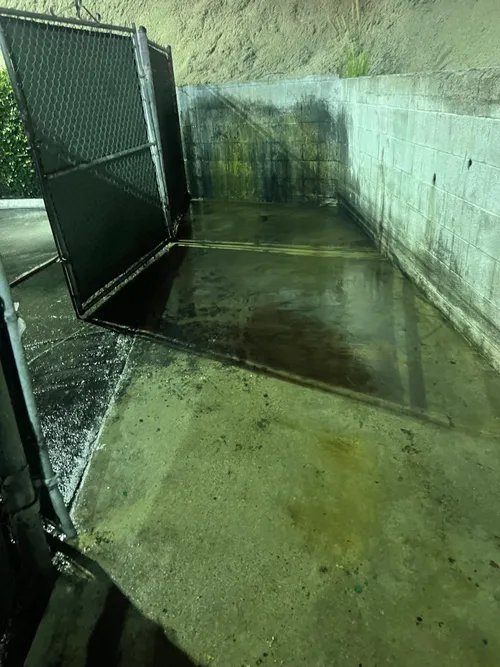
Skyline Grease Services provides used cooking oil collection and grease trap cleaning in Los Angeles, CA. They handle grease trap maintenance and oil collection to support local businesses in managing waste effectively.
Legal Requirements for Oil Disposal in Lynwood
California's regulatory framework makes used cooking oil recycling a mandatory business practice. Understanding these rules is the first step toward compliance.
Mandatory Commercial Recycling (AB 341) California's landmark law, AB 341, requires businesses that generate a significant amount of commercial solid waste, including restaurants, to arrange for recycling services 1. Used cooking oil is a key recyclable material under this mandate. For Lynwood businesses, this means you cannot simply pour used fryer oil down the drain or dispose of it with regular trash. The city of Lynwood explicitly supports this state law, emphasizing the importance of diverting waste from landfills 1. Non-compliance can lead to warnings and potential fines from local enforcement agencies.
Preventing Sewer System Damage Beyond state law, local sewer districts have strict regulations against discharging fats, oils, and grease (FOG) into the plumbing system. When UCO is poured down drains, it cools and solidifies, binding with other debris to create severe blockages in both private pipes and public sewer mains. These blockages can cause sewage backups into businesses and homes, leading to expensive cleanup costs, health hazards, and significant fines for the responsible party. Proper UCO collection is your primary defense against these costly and disruptive incidents.
The Step-by-Step Collection Process
Implementing a reliable used cooking oil collection system involves a few key stages, from safe handling at the fryer to scheduled pickups by professionals.
1. Safe Cooling and Draining The process begins at the fryer. Always allow oil to cool to a safe temperature (typically below 120°F) before transferring it. Hot oil is a burn hazard and can damage or warp plastic storage containers. Carefully drain the cooled oil through a filter or strainer to remove large food particles into your designated, leak-proof collection container 2. This initial filtration helps maintain the quality and value of the oil.
2. Secure On-Site Storage Once collected, the oil must be stored properly until pickup. Use only sturdy, purpose-built containers like drums or barrels with tight-sealing lids. Store these containers in a designated, accessible area-this could be a secured outdoor enclosure or a specific indoor storage room. The location should be clear of water sources, storm drains, and general trash to prevent accidental contamination or spills. Proper storage keeps the oil clean and ready for recycling.
3. Partnering with a Licensed Hauler This is the most critical step. You must contract with a licensed used cooking oil collection service registered with the California Department of Food and Agriculture (CDFA). Reputable vendors, such as Mahoney Environmental or Baker Commodities, operate specially marked trucks and provide scheduled pickups tailored to your volume 3. They will handle the transfer of oil from your storage container to their truck, providing you with documentation for your records.
4. Recycling and Repurposing After collection, the oil begins its second life. Licensed haulers transport it to processing facilities where it is thoroughly cleaned and refined. The primary end product is biodiesel, a renewable fuel that powers vehicles and equipment. UCO can also be processed into ingredients for animal feed supplements, industrial lubricants, or even cosmetics 4. This circular economy model ensures the waste from your kitchen supports sustainable industries.
Find the perfect used cooking oil collection companies for your needs
Get personalized recommendations and expert advice
Best Practices for Storage and Handling
Maximizing safety, compliance, and the potential value of your used oil depends on excellent on-site management.
- Use Approved Containers: Never use makeshift containers like buckets or bins not designed for grease. Dedicated, sealable UCO drums prevent leaks and spills.
- Maintain a Clean Storage Area: Keep the area around your storage containers clean and free of debris. Immediately absorb and clean up any drips or minor spills with an appropriate absorbent material.
- Keep Contaminants Out: Water, soap, and cleaning chemicals can ruin a batch of used oil, making it unrecyclable and worthless. Ensure all staff know that only pure, filtered cooking oil goes into the collection container.
- Ensure Easy Access: Place your storage container in a location that is easily accessible for your collection driver, but not in a way that blocks exits, walkways, or fire safety equipment.
- Label Clearly: Clearly label your storage containers as "USED COOKING OIL ONLY" to prevent accidental misuse by staff.
Understanding Costs and Potential Revenue
The financial model for used cooking oil collection is typically volume-based and can vary from a cost-neutral service to a minor revenue stream.
Free Pickup and Rebate Programs Many collection companies offer free pickup services, as the value of the recycled material covers their operational costs. For establishments generating larger, consistent volumes (often 300 gallons or more per month), the model often shifts to a rebate program 5 6. The hauler purchases your clean oil, with rebate rates fluctuating based on the commodity market for biofuels. These rates have historically ranged from $0.10 to $0.65 per gallon 7 5. The cleaner and more contaminant-free your oil, the higher its value.
Service Fees and Bundled Services For smaller restaurants or those with lower oil usage, the service may be provided at no charge without a rebate. However, it's crucial to distinguish UCO collection from grease trap or interceptor cleaning. Grease traps capture FOG from dishwashing and prep sinks, and this material is heavily contaminated with water and solids. Cleaning this equipment is a separate, necessary, and almost always fee-based service 8. Some providers offer bundled service plans for both UCO collection and trap cleaning, which can simplify scheduling and billing.
The Cost of Non-Compliance The most significant financial incentive for proper collection is avoiding the alternative costs. Fines for illegal dumping into the sewer can be substantial. More devastating are the costs associated with a sewer backup on your property or being held liable for a public sewer line blockage, which can run into tens of thousands of dollars for cleanup, repairs, and regulatory penalties 9.
The Environmental and Community Impact
Choosing professional used cooking oil collection has a positive ripple effect far beyond your kitchen's back door.
Supporting Renewable Energy Every gallon of used cooking oil collected in Lynwood is a gallon of fossil fuel that doesn't need to be extracted. Biodiesel produced from UCO burns cleaner than petroleum diesel, reducing greenhouse gas emissions and air pollutants 10. By participating in this program, your business directly contributes to California's clean energy goals.
Protecting Local Infrastructure and Waterways Proper collection is the most effective way to prevent FOG-related sewer overflows. When sewers back up, untreated wastewater can spill into streets, parks, and eventually local waterways like the Los Angeles River, harming wildlife and ecosystems. By ensuring your UCO is recycled, you help safeguard Lynwood's public works infrastructure and natural environment.
Promoting a Circular Economy UCO recycling is a perfect example of a circular economy, where waste is transformed into a resource. This process reduces demand for virgin materials, decreases landfill waste, and creates green jobs in the recycling and biofuel industries.
Frequently asked questions
Sources
Footnotes
-
Mandatory Commercial Recycling - Lynwood, CA - https://www.lynwoodca.gov/217/Mandatory-Commercial-Recycling ↩ ↩2
-
Used Cooking Oil (UCO) Collection Service For Restaurants - https://thegreasecompany.com/blog/restaurant-used-cooking-oil-collection/ ↩
-
Restaurant Grease Pick Up and Disposal Services in Los ... - https://www.mahoneyes.com/fryer-oil-disposal-recycling-los-angeles-ca/ ↩
-
What happens with the used oil from restaurants and fast-food ... - https://www.quora.com/What-happens-with-the-used-oil-from-restaurants-and-fast-food-chains-Is-there-any-sort-of-recycling ↩
-
Restaurant Used Cooking Oil Recycling & Disposal Guide - https://greaseconnections.com/restaurant-used-cooking-oil-disposal-recycling-revenue-guide/ ↩ ↩2
-
Used Cooking Oil Collection / Pick Up & Recycling. - https://greasemanagement.org/usedoilcollection.html ↩
-
Used Cooking Oil Disposal: Complete Guide to Grease Pickups - https://greaseconnections.com/used-cooking-oil-disposal-guide-grease-pickups/ ↩
-
Navigating Legal Requirements for Used Cooking Oil Disposal - https://bakercommodities.com/blog/2024/02/08/legal-requirement-used-cooking-grease/ ↩
-
Restaurant Pollution Prevention - Union Sanitary District - CA.gov - https://unionsanitary.ca.gov/businesses/restaurant-program/restaurant-pollution-prevention/ ↩
-
Cooking Oil Collection & Grease Recycling Service - https://thegreasecompany.com/oilcollection.html ↩