
Find the Best Used Cooking Oil Collection Companies for Your Business
No obligation • Fast responses • Nationwide coverage

Why you can trust Restaurant Waste Disposal
Restaurant Waste Disposal is a leading U.S. resource for comparing restaurant composting, food-waste recycling, grease trap cleaning, and used cooking oil collection services. Our editorial team researches providers, checks credentials, and organizes unbiased information so operators can make informed decisions. Companies cannot pay to change ratings or placement.
Search providers near you
Top Used Cooking Oil Collection Companies in Lake Forest, California Ranked
For restaurants and food service businesses in Lake Forest, managing used cooking oil is a critical operational and environmental responsibility. Proper collection and recycling of this waste stream, often referred to as FOG (Fats, Oils, and Grease), is not just about cleanliness-it's a legal requirement under California's stringent waste diversion laws. By partnering with a licensed hauler, businesses can ensure compliance, protect local sewer infrastructure, and often turn a waste product into a source of revenue through recycling into biofuels. This guide outlines the essential steps, local regulations, and economic considerations for effective used cooking oil management in Lake Forest.
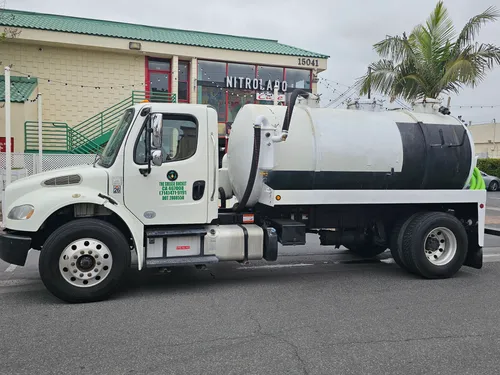
The Grease Bucket
Los Angeles, CA
The Grease Bucket provides grease trap cleaning and used cooking oil collection services in Los Angeles, CA. They serve restaurants across Orange County, Los Angeles, San Bernardino, and the Inland Empire area. The company schedules regular collection intervals to prevent overflows and maintains grease interceptors to avoid drain clogs and odors. They recycle used cooking oil into renewable resources, supporting environmental sustainability. The Grease Bucket has been serving customers for over six years and offers emergency pickups when needed during normal business hours.
The Grease Company
1116 N Harbor Blvd, Santa Ana, CA 92703
The Grease Company provides grease trap cleaning, repair, and used cooking oil collection services in Los Angeles, CA. They specialize in maintaining commercial kitchen grease traps to prevent clogs and ensure compliance with sanitation regulations. Their capabilities include hydro jetting and environmentally responsible cooking oil disposal. With 12 years of experience, The Grease Company is licensed to serve Southern California and offers transparent pricing and free quotes.
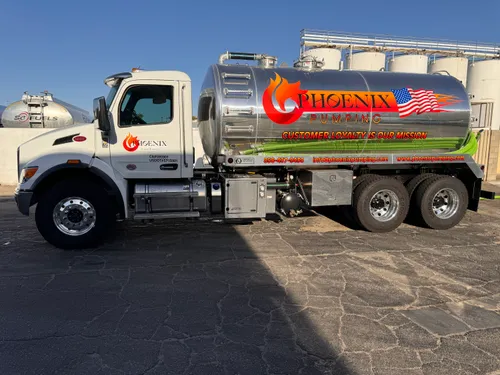
Phoenix Pumping LLC
3131 E Palmyra Ave, Orange, CA 92869
Phoenix Pumping LLC offers cooking oil recycling and grease trap cleaning services in Los Angeles, CA, extending coverage to Southern California counties as well as Arizona and Nevada. The company serves large restaurant chains and facilities with multiple kitchens, providing licensed grease trap cleaning including large outdoor installations. With over a decade of experience, Phoenix Pumping transforms used cooking oil into renewable diesel with a significantly lower carbon footprint. They provide 24/7 availability and a single point of contact for all service needs.
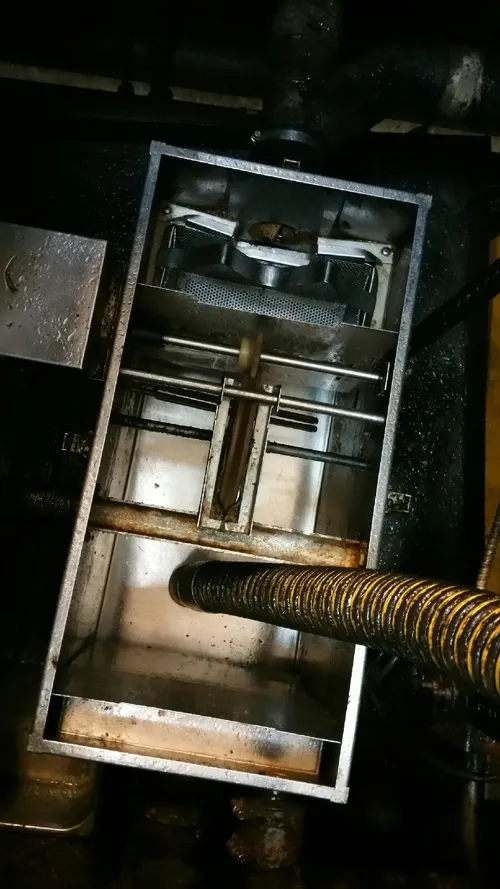
Grease Management Solutions GMS
1180 S Idaho St #A1, La Habra, CA 90631
Grease Management Solutions GMS is a Southern California-based company serving Los Angeles, CA, that specializes in grease trap cleaning, used cooking oil collection, and grease system maintenance for commercial kitchens. They provide tailored services to food service businesses, including interceptor pumping and advanced drain cleaning, ensuring compliance with local health and safety regulations. Their team and subcontracted partners offer skilled maintenance and emergency support to prevent clogs, overflows, and odors. The company emphasizes environmental responsibility and provides detailed service records to meet inspection requirements.

Longview Environmental Company
Los Angeles, CA
Longview Environmental Company provides kitchen maintenance services in Los Angeles, CA, specializing in used cooking oil collection, grease trap cleaning, and hydro jetting for restaurants, hotels, ghost kitchens, and other food service businesses. Their licensed professionals manage the entire process of used cooking oil recycling and grease trap maintenance, ensuring compliance with environmental regulations. Hydro jetting is offered as an effective method to clear grease and debris from drain lines, helping prevent blockages and operational disruptions. The company emphasizes environmental sustainability by converting waste oil and grease into eco-friendly products.
Understanding FOG and Local Regulations
In Lake Forest, used cooking oil disposal is governed by a combination of local ordinances and statewide mandates designed to protect public health and the environment. The primary goal is to prevent FOG from entering the sewer system, where it can cool, solidify, and cause costly blockages and sanitary sewer overflows 1 2.
California's landmark legislation, SB 1383, requires businesses to divert organic waste, including food scraps and food-soiled paper, from landfills. While used cooking oil is a distinct stream, this law underscores the state's comprehensive approach to organic waste recycling. Furthermore, AB 827 mandates that commercial food facilities provide customers with clearly labeled bins for recyclables, compostables, and trash, promoting a culture of proper separation at the source. For grease management specifically, businesses must use properly maintained grease traps or interceptors and ensure that all used oil is collected by a state-approved hauler registered with the California Department of Food and Agriculture. Non-compliance can result in significant fines, making a reliable collection service a smart business investment.
Best Practices for On-Site Storage and Handling
Safe and compliant storage is the first step in a successful oil collection program. Following these guidelines will prepare your oil for pickup and ensure safety and efficiency.
- Use Approved Containers: Store cooled oil in durable, tightly sealed containers provided by your collection service. These are often lockable bins designed to prevent leaks, contamination, and unauthorized access or theft.
- Cool Before Handling: Always allow cooking oil to cool below 120°F before transferring it to storage containers. This prevents burns to staff and avoids damaging plastic storage bins.
- Designate a Secure Location: Place storage containers in an accessible area for haulers, such as a back dock or service alley, but ensure it is secure. Keep the area clear of debris and other waste streams.
- No Mixing: Never mix used cooking oil with trash, chemicals, or water. Contaminated oil has significantly lower recycling value and may incur disposal fees. Most importantly, never pour oil down sinks, floor drains, or into storm drains 3.
The Collection and Recycling Process
When you schedule a pickup with a licensed used cooking oil collector in Lake Forest, you're initiating a valuable recycling chain. Here's what typically happens:
- Scheduled Pickup: A hauler arrives at your business on a regular schedule (weekly, bi-weekly, or monthly) to service your storage container. They pump or swap out the full container with a clean, empty one 4.
- Transportation & Processing: The collected oil is transported to a processing facility where it undergoes filtration to remove food particles and water 5.
- Transformation into New Products: The purified oil is then a feedstock for manufacturing. The primary end product is biodiesel, a renewable, cleaner-burning fuel alternative. It can also be refined into industrial lubricants, animal feed supplements, or ingredients for soap and cosmetics 6.
This circular process ensures that your kitchen waste is diverted from landfills and given a productive second life, contributing to California's renewable energy goals.
Cost Structure and Potential Revenue
The economics of used cooking oil collection in Lake Forest can vary significantly based on your monthly volume and oil quality. The market for clean, recyclable oil is active, and many providers structure their services accordingly.
- Low Volume Generators (Less than 100 gallons/month): Many collection services offer free pickup for smaller quantities, as the cost is offset by the value of the recycled material.
- Medium Volume Generators (100-500 gallons/month): You may see a small service fee or a neutral arrangement where no money changes hands. Fees, if applicable, might range from $0.10 to $0.40 per gallon collected.
- High Volume Generators (Over 500 gallons/month): Businesses producing large amounts of clean, uncontaminated oil are often in a position to earn revenue. Haulers may pay for this oil, with rates fluctuating based on commodity markets but historically ranging from $0.40 to over $0.65 per gallon. This can effectively cover disposal costs and sometimes add a modest profit line 7.
Find the perfect used cooking oil collection companies for your needs
Get personalized recommendations and expert advice
Choosing a Service Provider in Lake Forest
Selecting the right partner for your used cooking oil collection is crucial. When evaluating providers, consider the following:
- Licensing and Compliance: Verify that the hauler is approved by the State of California and familiar with Lake Forest's specific commercial waste requirements 8.
- Service Reliability: Look for a company with a reputation for consistent, on-time pickups to avoid overflow and compliance issues.
- Container Provision and Maintenance: Ensure they supply sturdy, lockable containers and maintain them in good condition.
- Transparent Pricing or Revenue Sharing: Understand the fee structure or payment terms clearly. Get a detailed quote that outlines all costs or potential rebates.
- Sustainability Commitment: Choose a recycler that transparently tracks the oil to a certified biofuel or recycling end-use.
Local businesses can start by contacting their current waste hauler (for many in Lake Forest, this is CR&R for organics and trash) or reaching out to specialized regional FOG recyclers that service Orange County for dedicated used cooking oil programs 9.
Beyond Oil: Integrated Waste Management
While managing used cooking oil is vital, Lake Forest restaurants must view it as one part of a holistic organic waste strategy. Compliance with SB 1383 requires setting up a separate stream for food scraps and food-soiled paper 10. Many providers offer integrated services, handling both food waste and used cooking oil, which can streamline logistics and potentially improve service terms. Properly managing all organic waste not only keeps your business compliant but also significantly reduces its overall environmental footprint.
Frequently asked questions
Sources
Footnotes
-
Used Cooking Oil Disposal: Complete Guide to Grease Pickups - https://greaseconnections.com/used-cooking-oil-disposal-guide-grease-pickups/ ↩
-
Restaurant Oil and Grease Recycling (PDF) - Lake County - https://www.lakecountyca.gov/DocumentCenter/View/4048/Restaurant-Oil-and-Grease-Recycling-PDF ↩
-
What Does The California Law Say About Used Cooking Oil Disposal? - https://www.grandnatural.com/blog/what-does-the-california-law-say-about-used-cooking-oil-disposal.html ↩
-
Used Cooking Oil Pickup vs Drop-Off - GreasePros Recycling - https://www.greaseprosrecycling.com/used-cooking-oil-pickup-vs-drop-off/ ↩
-
Recycling Used Cooking Oil With Green Grease Environmental - https://www.youtube.com/watch?v=KP05Yx-GkHk ↩
-
What happens with the used oil from restaurants and fast-food ... - https://www.quora.com/What-happens-with-the-used-oil-from-restaurants-and-fast-food-chains-Is-there-any-sort-of-recycling ↩
-
Restaurant Used Cooking Oil Recycling & Disposal Guide - https://greaseconnections.com/restaurant-used-cooking-oil-disposal-recycling-revenue-guide/ ↩
-
Cooking Oil Collection & Grease Recycling Service - https://thegreasecompany.com/oilcollection.html ↩
-
Commercial Services - Lake Forest, CA - Official Website - https://www.lakeforestca.gov/departments/public_works/trash_and_recycling/commercial_services.php ↩
-
Food Waste Recycling - Lake Forest, CA - Official Website - https://www.lakeforestca.gov/departments/public_works/trash_and_recycling/food_waste_recycling.php ↩