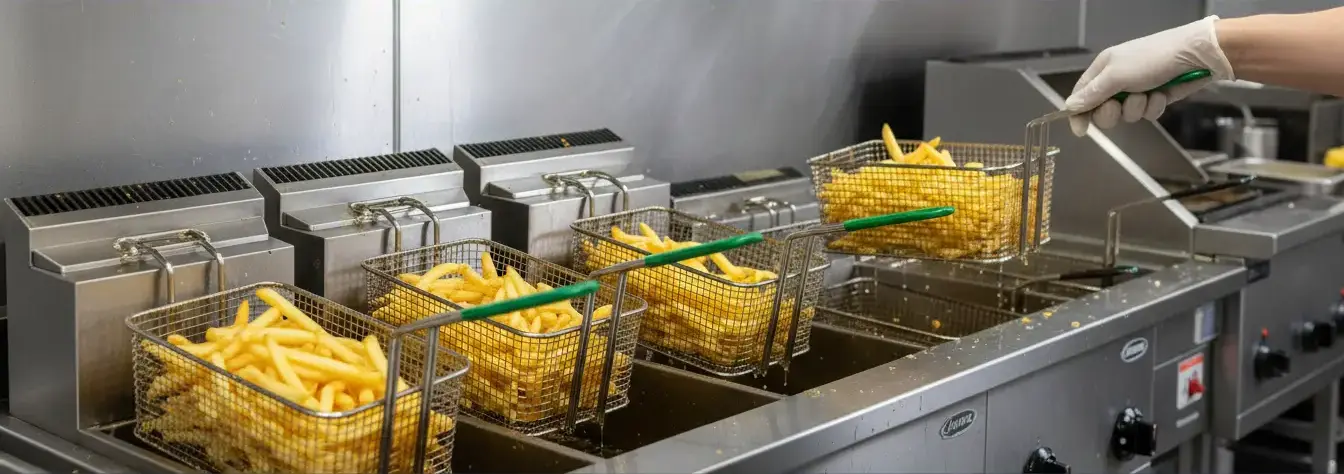
Find the Best Used Cooking Oil Collection Companies for Your Business
No obligation • Fast responses • Nationwide coverage

Why you can trust Restaurant Waste Disposal
Restaurant Waste Disposal is a leading U.S. resource for comparing restaurant composting, food-waste recycling, grease trap cleaning, and used cooking oil collection services. Our editorial team researches providers, checks credentials, and organizes unbiased information so operators can make informed decisions. Companies cannot pay to change ratings or placement.
Search providers near you
Top Used Cooking Oil Collection Companies in Laguna Niguel, California Ranked
For restaurant owners and food service managers in Laguna Niguel, managing used cooking oil (UCO) is a critical operational and environmental responsibility. California's stringent waste regulations, including SB 1383, mandate that all businesses properly separate and recycle organic waste, which includes fats, oils, and grease. Professional grease collection is not just a best practice; it's a legal requirement that protects your plumbing, avoids significant fines, and contributes to the local circular economy by transforming waste into valuable resources like biodiesel. This guide outlines the essential steps for compliance, safe storage, and navigating the collection process with licensed haulers servicing Orange County.
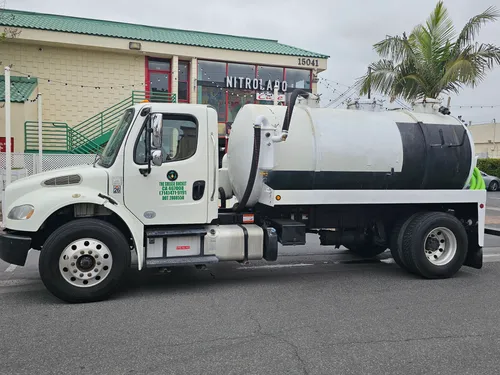
The Grease Bucket
Los Angeles, CA
The Grease Bucket provides grease trap cleaning and used cooking oil collection services in Los Angeles, CA. They serve restaurants across Orange County, Los Angeles, San Bernardino, and the Inland Empire area. The company schedules regular collection intervals to prevent overflows and maintains grease interceptors to avoid drain clogs and odors. They recycle used cooking oil into renewable resources, supporting environmental sustainability. The Grease Bucket has been serving customers for over six years and offers emergency pickups when needed during normal business hours.
The Grease Company
1116 N Harbor Blvd, Santa Ana, CA 92703
The Grease Company provides grease trap cleaning, repair, and used cooking oil collection services in Los Angeles, CA. They specialize in maintaining commercial kitchen grease traps to prevent clogs and ensure compliance with sanitation regulations. Their capabilities include hydro jetting and environmentally responsible cooking oil disposal. With 12 years of experience, The Grease Company is licensed to serve Southern California and offers transparent pricing and free quotes.
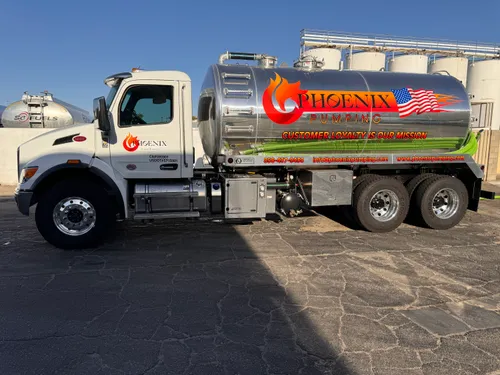
Phoenix Pumping LLC
3131 E Palmyra Ave, Orange, CA 92869
Phoenix Pumping LLC offers cooking oil recycling and grease trap cleaning services in Los Angeles, CA, extending coverage to Southern California counties as well as Arizona and Nevada. The company serves large restaurant chains and facilities with multiple kitchens, providing licensed grease trap cleaning including large outdoor installations. With over a decade of experience, Phoenix Pumping transforms used cooking oil into renewable diesel with a significantly lower carbon footprint. They provide 24/7 availability and a single point of contact for all service needs.

Longview Environmental Company
Los Angeles, CA
Longview Environmental Company provides kitchen maintenance services in Los Angeles, CA, specializing in used cooking oil collection, grease trap cleaning, and hydro jetting for restaurants, hotels, ghost kitchens, and other food service businesses. Their licensed professionals manage the entire process of used cooking oil recycling and grease trap maintenance, ensuring compliance with environmental regulations. Hydro jetting is offered as an effective method to clear grease and debris from drain lines, helping prevent blockages and operational disruptions. The company emphasizes environmental sustainability by converting waste oil and grease into eco-friendly products.
Understanding Local Regulations and Mandates
Navigating the rules for grease trap cleaning and used oil disposal is the first step toward compliance. In Laguna Niguel and throughout Orange County, food service businesses are subject to state and local ordinances designed to keep organic waste out of landfills and sewers.
Mandatory Organics Recycling (SB 1383): This California law requires all commercial entities generating organic waste-including food scraps and used cooking oil-to subscribe to recycling services. Your business must provide clearly labeled trash, recycling, and organics bins, with the organics container placed next to every trash can (except in restrooms) to ensure proper separation of materials 1.
Prohibition on Drain Disposal: It is illegal and harmful to pour used fryer oil or any grease down the drain. This practice leads to severe sewer blockages, can damage public infrastructure, and will result in violations and fines from local environmental health departments 2. Proper grease management through a licensed collector is the only acceptable path.
Licensed Hauler Requirement: You must contract with a licensed commercial grease hauler for the regular collection of your used cooking oil. Using an unlicensed service or attempting improper disposal exposes your business to legal liability. The City of Laguna Niguel and Orange County maintain resources to help you find approved providers.
Best Practices for On-Site Oil Storage and Handling
Proper handling and storage of waste vegetable oil between collections are vital for safety, compliance, and maximizing the value of your material.
Cooling and Filtering: Always allow oil to cool completely after use. Before transferring it to a storage container, filter out large food particles and debris. This initial step reduces contamination, which can lower the oil's recycling value and cause issues during the collection process.
Secure Containerization: Store filtered oil in clean, sturdy, and leak-proof containers. Most professional collection services will provide specialized containers, which range from 40-55 gallon indoor drums to large, locking outdoor bins holding 300 gallons or more. These secure bins are crucial for preventing leaks, spills, and theft, which is a concern due to the value of used oil.
Minimizing Contamination: The economic model for UCO recycling hinges on quality. Keep oil free of excess water, detergents, and other non-oil substances. High-quality, uncontaminated oil is more valuable to renderers and can affect whether you pay for collection or receive a rebate. Clearly label storage containers to prevent accidental misuse by staff.
Find the perfect used cooking oil collection companies for your needs
Get personalized recommendations and expert advice
The Professional Collection and Recycling Process
Engaging with a professional grease collection service streamlines a complex logistical and regulatory task into a scheduled routine.
Scheduling and Pickup: Once you've contracted with a licensed hauler-such as providers like The Grease Company, TGC Plumbing, or Baker Commodities who service the area-you'll establish a regular pickup schedule based on your volume. For high-volume kitchens, this may be weekly; for others, it could be bi-weekly or monthly. The hauler will manage the logistics of accessing your secure storage bin.
The Collection Event: On the scheduled day, a service truck equipped with a vacuum tank will arrive to pump out your stored oil. The process is typically quick and designed to be clean, with professionals handling the transfer from your container to their sealed tanker truck. This method ensures no spills occur on your property.
From Waste to Resource: The collected oil is transported to a rendering or processing facility. There, it undergoes purification and is converted into renewable biofuels like biodiesel, or used in the production of animal feed, soaps, and other industrial products 3. This process completes the sustainability loop, turning a waste product from Laguna Niguel restaurants into a valuable commodity.
Cost Structures and Potential Revenue
The financial aspect of used cooking oil collection can vary. It is not universally a cost center; for some businesses, it can offset expenses or generate minor revenue.
Factors Influencing Value: The market price for used oil fluctuates. The primary determinants for your specific arrangement are the volume you generate and the purity of the oil. A high-volume restaurant producing 300+ gallons of clean, well-filtered oil per month is in a much stronger position than a cafe generating 20 gallons of mixed-quality oil.
Rebates vs. Fees: Many collection companies operate on a model where they may pay a rebate for high-quality, high-volume oil. These rebates can range from a few cents to over $0.50 per gallon, potentially covering the cost of the service or providing a small income stream 4 5. For businesses with lower volumes or more contaminated oil, the service may involve a fee for collection and disposal. Some providers offer free pickup if you meet a minimum volume threshold, while others charge a service fee for smaller accounts 4.
The Value of Compliance: It's critical to view any cost not just as a disposal fee, but as an investment in regulatory compliance. The fines for improper disposal or non-compliance with SB 1383 can far exceed the cost of a reliable collection service 6. Furthermore, professional management protects your business from the costly plumbing repairs associated with grease blockages.
Finding a Licensed Provider in Orange County
Selecting a reliable partner for your grease management is essential. You should seek a provider with a strong local reputation, proper licensing, and clear service terms.
Verified Haulers: Start by consulting official resources. The City of Laguna Niguel's website provides information on SB 1383 compliance and may offer guidance on waste haulers. The Orange County Regional Used Oil Recycling Program is another excellent resource for finding licensed collectors in our area 7.
Service Considerations: When evaluating providers, ask about container provisioning, pickup schedule flexibility, their policy on fees/rebates, and proof of licensing and insurance. Established local companies understand the specific codes for Laguna Niguel and Orange County, ensuring your program is designed for compliance from the start 8 9 10.
Building a Sustainable Operation: Ultimately, a professional used cooking oil collection program is a cornerstone of a modern restaurant's sustainability efforts. It demonstrates environmental stewardship to your customers, reduces your operational risk, and contributes positively to California's green energy goals by supplying feedstock for biodiesel production 11.
Frequently asked questions
Sources
Footnotes
-
Solid Waste and Recycling Regulations - City of Laguna Niguel - https://www.cityoflagunaniguel.org/1203/Solid-Waste-and-Recycling-Regulations ↩
-
Cooking Oils & Grease - Recology - https://www.recology.com/faq/cleanscapes-cooking-oil-can-dispose-kitchen-oils-grease/ ↩
-
Grease Collection Service: What is it - Grand Natural Inc - https://www.grandnaturalinc.com/blog/what-is-grease-collection-service.html ↩
-
Restaurant Used Cooking Oil Recycling & Disposal Guide - https://greaseconnections.com/restaurant-used-cooking-oil-disposal-recycling-revenue-guide/ ↩ ↩2
-
How Recycling Used Cooking Oil Can Save Restaurants Money and ... - https://www.cbs42.com/business/press-releases/ein-presswire/864508472/how-recycling-used-cooking-oil-can-save-restaurants-money-and-enhance-sustainability-efforts ↩
-
SB 1383 for Businesses | the City of Laguna Niguel Website! - https://www.cityoflagunaniguel.org/1455/SB-1383-for-Businesses ↩
-
OC Regional Used Oil Recycling Program | Orange County California - https://ochealthinfo.com/services-programs/environmental-health/hazardous-materials/used-oil-recycling-program ↩
-
Cooking Oil Collection In Anaheim - The Grease Company - https://thegreasecompany.com/cookingoilcollectionanaheim.html ↩
-
Navigating Legal Requirements for Used Cooking Oil Disposal - https://bakercommodities.com/blog/2024/02/08/legal-requirement-used-cooking-grease/ ↩
-
Laguna Woods Used Cooking Oil Collection - Grease Management - https://greasemanagement.org/oilcollectionlagunawoods.html ↩
-
Used Cooking Oil Recycling | Solid Waste Authority of Palm Beach ... - https://www.swa.org/173/Used-Cooking-Oil ↩