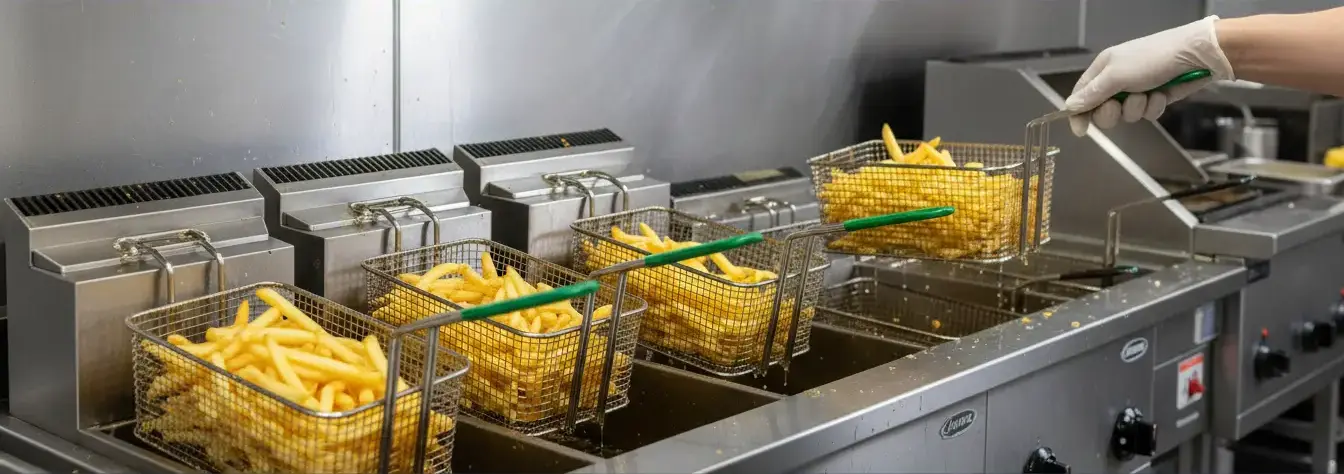
Find the Best Used Cooking Oil Collection Companies for Your Business
No obligation • Fast responses • Nationwide coverage

Why you can trust Restaurant Waste Disposal
Restaurant Waste Disposal is a leading U.S. resource for comparing restaurant composting, food-waste recycling, grease trap cleaning, and used cooking oil collection services. Our editorial team researches providers, checks credentials, and organizes unbiased information so operators can make informed decisions. Companies cannot pay to change ratings or placement.
Search providers near you
Top Used Cooking Oil Collection Companies in La Mirada, California Ranked
For restaurants and food service businesses in La Mirada, managing used cooking oil (UCO) is a critical operational and environmental responsibility. Proper collection and recycling of this waste stream not only keeps your kitchen compliant with state and local regulations but also contributes to a circular economy by transforming waste into valuable resources like biodiesel. Navigating the requirements for storage, pickup, and documentation can be streamlined with the right information and a reliable service partner. This guide outlines the essential steps, legal obligations, and practical benefits of establishing a professional used cooking oil collection system in La Mirada.
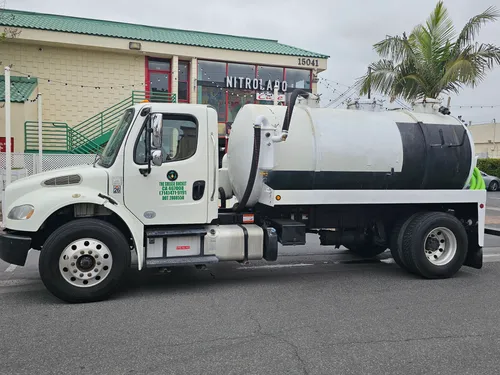
The Grease Bucket
Los Angeles, CA
The Grease Bucket provides grease trap cleaning and used cooking oil collection services in Los Angeles, CA. They serve restaurants across Orange County, Los Angeles, San Bernardino, and the Inland Empire area. The company schedules regular collection intervals to prevent overflows and maintains grease interceptors to avoid drain clogs and odors. They recycle used cooking oil into renewable resources, supporting environmental sustainability. The Grease Bucket has been serving customers for over six years and offers emergency pickups when needed during normal business hours.
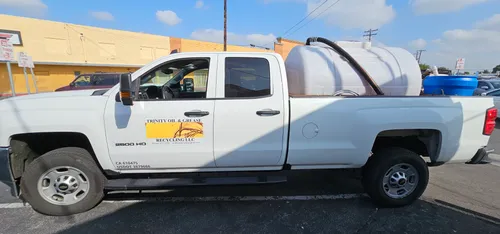
Trinity Oil & Grease Recycling
Los Angeles, CA
Trinity Oil & Grease Recycling provides used cooking oil collection and grease trap cleaning services in Los Angeles, CA. They offer on-call and scheduled pickups with 24-hour availability across Los Angeles County, Orange County, and Ventura County. Their services include recovery, transportation, disposal, and recycling of kitchen oil and grease, along with high-pressure washing for grease spills and property cleanliness. They supply grease and oil storage containers ranging from 15 to 200 gallons with no minimum amount required for collection. Trinity Oil & Grease Recycling also provides manifest reports as proof of collection to help clients maintain compliance with health and wastewater regulations.
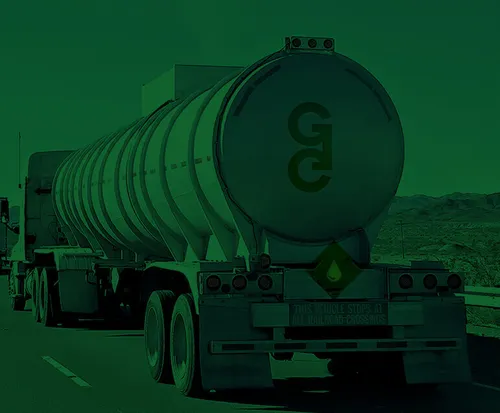
The Grease Company
1116 N Harbor Blvd, Santa Ana, CA 92703
The Grease Company provides grease trap cleaning, repair, and used cooking oil collection services in Los Angeles, CA. They specialize in maintaining commercial kitchen grease traps to prevent clogs and ensure compliance with sanitation regulations. Their capabilities include hydro jetting and environmentally responsible cooking oil disposal. With 12 years of experience, The Grease Company is licensed to serve Southern California and offers transparent pricing and free quotes.
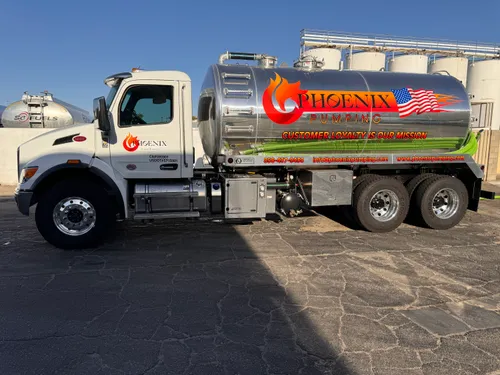
Phoenix Pumping LLC
3131 E Palmyra Ave, Orange, CA 92869
Phoenix Pumping LLC offers cooking oil recycling and grease trap cleaning services in Los Angeles, CA, extending coverage to Southern California counties as well as Arizona and Nevada. The company serves large restaurant chains and facilities with multiple kitchens, providing licensed grease trap cleaning including large outdoor installations. With over a decade of experience, Phoenix Pumping transforms used cooking oil into renewable diesel with a significantly lower carbon footprint. They provide 24/7 availability and a single point of contact for all service needs.
Skyline Grease Services
Los Angeles, CA
Skyline Grease Services provides used cooking oil collection and grease trap cleaning in Los Angeles, CA. They handle grease trap maintenance and oil collection to support local businesses in managing waste effectively.
Legal Requirements and Compliance in La Mirada
Operating a food service business comes with specific legal duties regarding waste oil. In California, and by extension La Mirada, these rules are designed to protect sewer systems and the environment.
Prohibition on Improper Disposal: It is illegal to dump used cooking oil or grease down drains, into storm sewers, or with regular trash 1. This practice, known as "fatberg" formation, can cause severe blockages in both public sewer lines and your own plumbing, leading to costly backups and environmental contamination.
State Certification for Collectors: Any company that collects waste cooking grease for recycling or disposal must be approved and licensed by the California Department of Food and Agriculture (CDFA). Hiring a CDFA-approved collector is not just a recommendation; it's a requirement for lawful disposal. These licensed haulers ensure the oil is tracked and recycled properly.
Mandatory Recordkeeping: Businesses are required to maintain detailed records of each collection event. This documentation should include the date of pickup, the business address, the amount of oil collected (usually in gallons), and the driver's information. These records demonstrate compliance with state law and are essential for audits.
Best Practices for On-Site Oil Storage and Management
Proper on-site management is the foundation of an efficient and profitable UCO program. Correct storage preserves the quality of the oil, which can directly impact service costs or potential rebates.
- Use Secure, Leak-Proof Containers: Always store cooled UCO in dedicated, covered containers provided by or approved by your collection service. These containers prevent leaks, spills, and odors, and keep out contaminants like water and food debris.
- Designate a Safe Storage Area: Place containers in a dedicated, secure area away from drains, customer pathways, and heat sources. This minimizes slip hazards, prevents accidental contamination of stormwater, and deters theft.
- Employ Drain Screens and Grease Traps: Use screens in sink drains to catch food solids and ensure your grease trap is serviced regularly. Keeping grease out of your oil collection container maintains its purity and value for recycling.
- Separate Oil Types: If possible, avoid mixing different types of cooking oils (e.g., fryer oil with grill grease) or allowing excessive water to enter the container. Cleaner, higher-quality oil has greater value in the recycling market.
The Collection and Recycling Process Explained
Understanding what happens after pickup highlights the environmental value of your efforts. The journey from your kitchen to new products is a direct example of industrial recycling.
- Scheduled Collection: Once you partner with a licensed collector, they will provide containers and establish a pickup schedule based on your volume-weekly, bi-weekly, or monthly. The driver will swap out full containers for clean, empty ones.
- Transportation and Processing: The collected oil is transported to a processing facility. Here, it undergoes filtration to remove food particles and water, resulting in pure yellow grease 2.
- Transformation into New Products: The cleaned oil is a prime feedstock for renewable fuel production, most commonly biodiesel. It can also be used in the manufacturing of animal feed, soaps, and industrial lubricants. This process significantly reduces reliance on fossil fuels and keeps waste out of landfills.
Understanding Costs and Potential Revenue
The financial model for used cooking oil collection can vary. For many La Mirada restaurants, the service can be cost-neutral or even generate a small income, depending on volume and oil quality.
Free Pickup Services: It is common for collectors to offer free pickup for restaurants that generate a substantial, consistent volume of UCO-often cited as over 100 gallons per month. The collector's revenue comes from selling the recycled oil to biofuel producers.
Fee-Based Services: For businesses with lower volumes or more contaminated grease (often mixed with trap waste), collection services may charge a fee. This can range from a flat service charge to a per-gallon rate, which varies based on quantity and quality.
Revenue and Rebates: If your kitchen produces high-quality, well-filtered UCO in large quantities, some collectors may offer a rebate program. The price per gallon fluctuates with the commodities market for renewable feedstocks, but this rebate can offset disposal costs or provide a minor revenue stream 3 4. Proper storage is key to maximizing this potential.
Find the perfect used cooking oil collection companies for your needs
Get personalized recommendations and expert advice
Finding a Licensed Collection Service in La Mirada
Choosing the right partner is crucial for compliance and operational ease. You can start your search by checking with the City of La Mirada Public Works Department for a list of recommended or licensed haulers servicing the area 5. Several regional and national companies with CDFA certification also operate in Los Angeles County and serve La Mirada. These include providers like The Grease Company, Grand Natural, and Mahoney Environmental 6 7 8. When contacting providers, be prepared to discuss your estimated monthly gallon output and ask about container provisions, pickup schedules, fee structures, and rebate programs for clean oil.
Environmental and Community Benefits
Participating in a formal UCO recycling program extends benefits far beyond your kitchen. It is a tangible demonstration of corporate environmental responsibility. By converting waste into biodiesel, your business helps lower greenhouse gas emissions compared to petroleum-based diesel 9. Furthermore, you play a direct role in preventing sewer overflows and water pollution in the local community, protecting watersheds and reducing municipal maintenance costs. Promoting your commitment to grease recycling can also enhance your brand's image with environmentally conscious customers.